Low-temperature恒温槽, Shaking Incubator, Centrifuge, Spray Dryer, Sample Pretreatment Equipment
19106728583
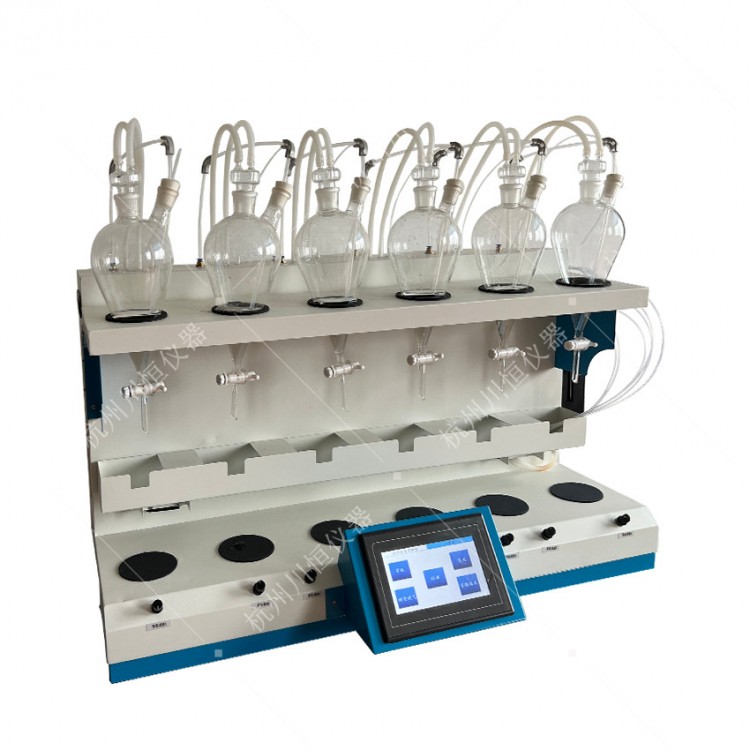
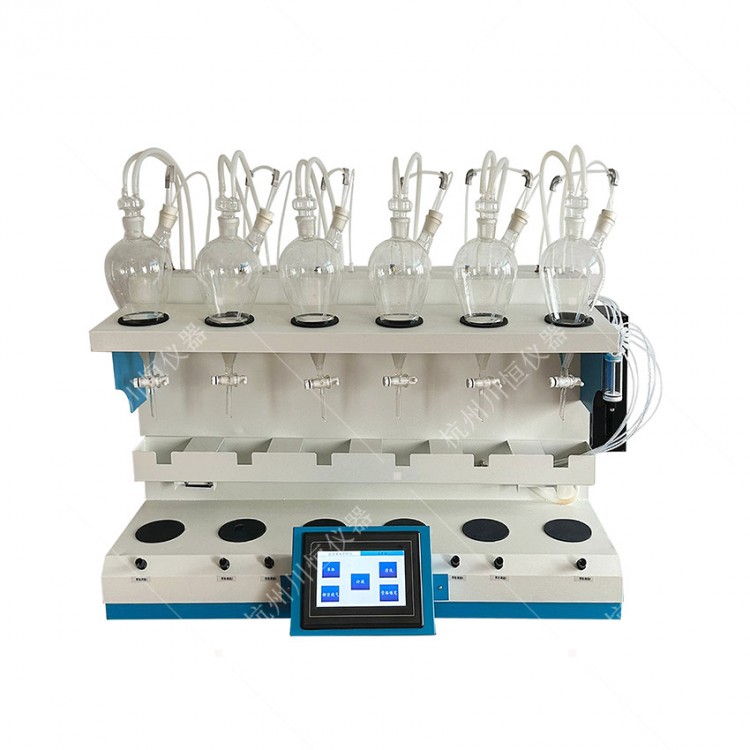
The distillation column is a crucial piece of equipment in chemical production for separating mixtures, with its feeding method directly impacting the separation effectiveness and production efficiency. There are mainly two types of feeding methods for distillation columns: automatic feeding and manual feeding. These two feeding methods significantly differ in terms of operational principles, control accuracy, and applicable scenarios.
Automatic Feeding
An automatic feeding system typically consists of sensors, controllers, and actuators. Sensors are responsible for monitoring various parameters of the feeding process, such as flow rate, temperature, and pressure, and transmit this data to the controller. The controller analyzes and processes this data according to pre-set programs and algorithms, then sends commands to the actuators, such as valves or pumps, to adjust the speed and quantity of the feeding. An automatic feeding system can achieve precise control over the feeding process, reduce human factors, and improve production efficiency and product quality.
An important advantage of automatic feeding is the ability to recycle waste heat, such as in the distillation process, where the feed liquid exchanges heat with the residue in the tower kettle, reflecting the engineering concept of fully utilizing thermal energy in the distillation process. Additionally, the automatic feeding system can precisely control the回流 ratio, enabling full and partial reflux operations, which is crucial for the separation efficiency of the distillation tower.
Manual Material Feeding
Manual feeding is controlled by operators based on their experience and observation, adjusting the speed and quantity of the material. This method relies on the operator's skills and experience, and may not be as precise as an automatic feeding system. The advantage of manual feeding is its high flexibility, allowing operators to adjust the feeding strategy in real-time based on the actual situation. However, the drawback is the heavy labor intensity and susceptibility to human error, which can lead to unstable feeding and affect the separation effect.
Distinguishing Summary
Features: Automatic Feeding | Manual Feeding
Control Methods: Automatically controlled by sensors, controllers, and actuators; manually controlled by operators.
High control accuracy, capable of precisely controlling feed parameters with low dependency on operators' experience.
Low labor intensity, high need for human intervention reduction, requires operators to continuously monitor and adjust.
High stability, low human factor impact; Low stability, high human factor impact
Scenarios: Large-scale, continuous production automated production lines; Small-scale, intermittent production or debugging phase
Conclusion
Automatic feeding and manual feeding each have their own advantages and disadvantages. The choice of feeding method depends on the specific production needs and conditions. Automatic feeding systems are suitable for large-scale, continuous production lines and can improve production efficiency and product quality. On the other hand, manual feeding is more appropriate for small-scale, intermittent production or debugging stages, offering greater flexibility. In practical applications, a semi-automatic feeding system may also be adopted to combine the strengths of both, in order to achieve the best production results.
Contact us

Service Hotline
18758857552
Company Telephone
19106728583

WeChat Number
19106728583

Address
No Chinese content provided.
b2b.china9.net © Zhongshang 114 Hebei Network Technology Co., Ltd.Address: Room 6009, Oriental New World Center, No.118 East Zhongshan Road, Qiaoxi District, Shijiazhuang City, Hebei ProvincePlatform Service Hotline: 4006299930