Low-temperature恒温槽, Shaking Incubator, Centrifuge, Spray Dryer, Sample Pretreatment Equipment
19106728583
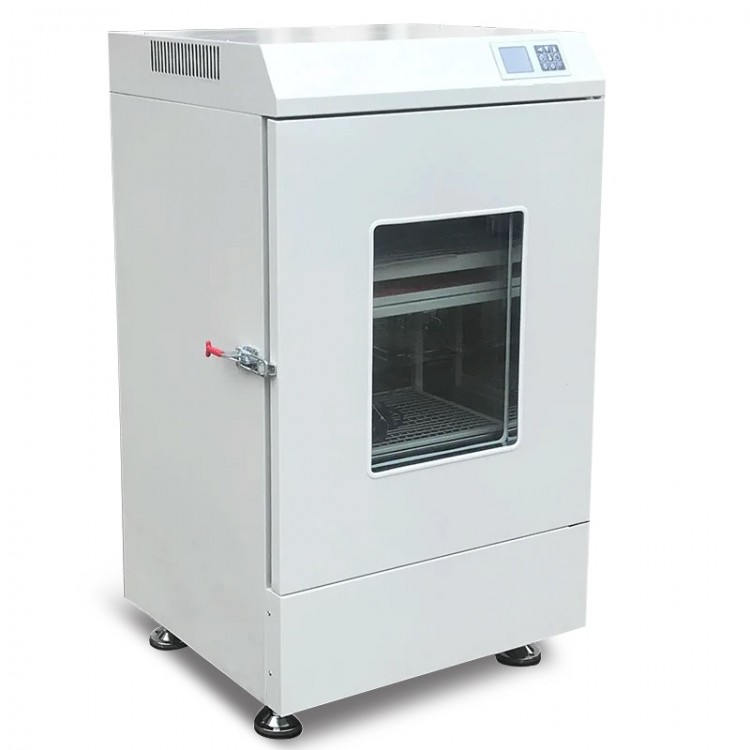
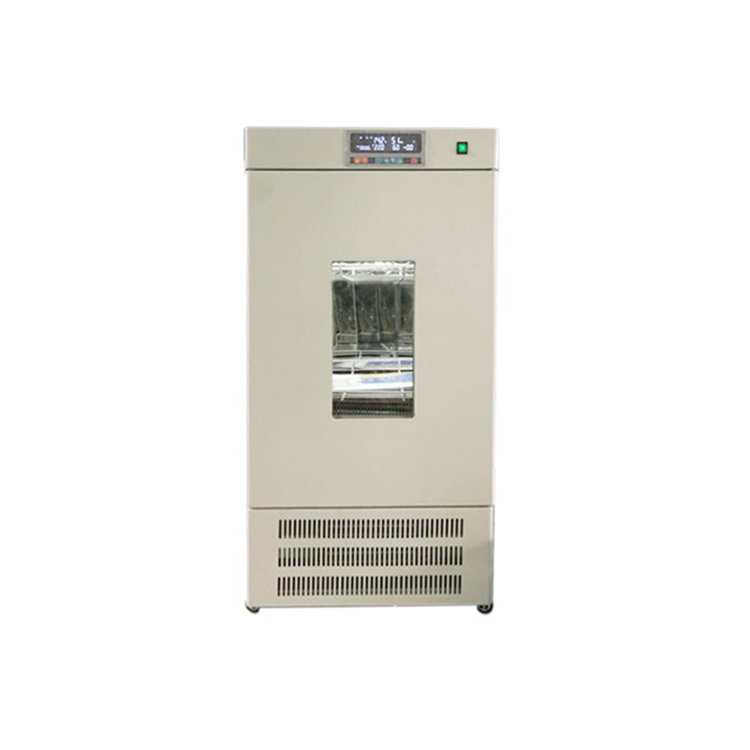
The cell culture incubator is an instrument used for cultivating cells, tissues, and bacteria. It accurately provides the necessary parameters for cell culture, such as temperature, humidity, and gas environment, featuring stable performance, rapid response, high reliability, and effective prevention of contamination to the cultured cells.
The working principle of a cell culture incubator
Temperature Control in Cell Culture Incubators:
Maintaining a constant temperature within the cell culture incubator is crucial for the healthy growth of cells. Conventional cell culture incubators utilize two types of heating methods: air jacket heating and water jacket heating. Although both heating systems are reliable, they each have their own advantages and disadvantages:
Water jacket heating
The water jacketed heating incubator maintains a constant temperature by surrounding the internal chamber with an independent water compartment. Hot water circulates within the chamber through natural convection, transferring heat to the internal chamber to maintain the temperature stability.
The advantages of the water jacket heating method: Water is an excellent insulating material. In the event of a power outage, the water jacket system can more reliably and long-term maintain the accuracy and stability of the incubator's internal temperature (up to 4-5 times longer than the air jacket system). When the experimental environment is unstable (such as with power restrictions or frequent power outages) and a long-term stable culture condition is required, the incubator with a water jacket design stands out with its superior benefits.
② Gas-tight heating
The gas jacket heating system heats the internal gas directly through a heater within the chamber. The gas jacket design is capable of quickly restoring the internal temperature stability even when the chamber door is frequently opened and closed, causing constant temperature changes. Inside the incubator, there is a fan to ensure the air circulation and recirculation within the chamber, which also aids in the rapid restoration of various parameter values.
Therefore, compared to water jacketed systems, gas jacketed systems feature faster heating and quicker temperature recovery, which is beneficial for short-term cultivation and for situations requiring frequent opening and closing of the incubator door. Additionally, the gas jacketed design is simpler for users (water jacketed systems require refilling, emptying, and cleaning the water tank, as well as regular monitoring of the tank's operation).
Additionally, some types of cell culture incubators are equipped with an outer door and an auxiliary heating system. This system heats the inner door, providing a favorable humidity environment for cells, ensuring osmotic pressure is maintained in balance, and effectively preventing condensation to maintain humidity and temperature within the incubator. Cell culture incubators with this system are suitable for experiments requiring precise control of the culture environment.
Relative Humidity Control in Cell Culture Incubators:
Maintaining adequate humidity levels within cell culture incubators is crucial, as excessive dryness can lead to cultivation failure. Large, conventional cell culture incubators control relative humidity levels using steam generators or atomizers, while most medium and small-sized incubators generate moisture through the evaporation action of humidity control panels (which can achieve relative humidity levels of 95-98%). Some incubators feature a water reservoir that maintains moisture on a heating control panel, enhancing evaporation and increasing relative humidity levels to 97-98%.
Applications of Cell Culture Incubators
A cell culture incubator is an instrument used for culturing cells, tissues, and bacteria, serving as a crucial device for conducting immunology, oncology, genetics, and biotechnology research. It is widely applied in scientific research and production fields such as microbiology, agricultural science, and medical experiments. Generally, the buffering system used in cell culture is sodium bicarbonate + HEPES, which requires cells to provide buffering capacity to maintain pH. In such cases, a cell culture incubator is necessary for culturing cells.
The cell culture incubator serves the following purposes: ① It is suitable for scientific research departments in industries such as industrial and mining enterprises, medical and health care, biochemical, and agricultural sciences, where it is used for bacterial culture, breeding, fermentation, and more. ② It is also suitable for production, inspection, cultivation, heating, proofing, sterilization, storage, and related experiments in industries such as pharmaceuticals and environmental protection.
Cell Culture Incubator Maintenance and Care
Maintaining the proper operation of the cell culture incubator and preventing contamination of the cells requires regular cleaning of the incubator. This task is labor-intensive, but it is necessary and effective.
1. Remove the culture from the cell culture incubator. If the cleaning time is brief, store it in a clean, sterile container and maintain its temperature. Shut down the cell culture incubator and close the gas supply valve.
Remove all partitions, partition supports, and all accessories, as well as air ducts. Empty the water tray and dry it with a clean, lint-free cloth.
Clean all internal surfaces, pipes, dividers, bracket supports, inner doors, fans, and door seals of the cell culture incubator with mild soap and water. Wipe with a gentle detergent to remove dirt and dust from all hidden corners and crevices.
Rinse the interior walls and components of the cell culture incubator with distilled water and then dry them with a clean, lint-free cloth.
5. Wipe the inner walls and components with a diluted quaternary ammonium disinfectant. Use 70% alcohol to remove any remaining disinfectant residues. Make sure to clean all corners, and remember to secure the door seals and replace internal parts.
6. Heat the cell culture incubator to dry it out. This should only take a moment, so please keep the door closed to prevent the reintroduction of new dust and debris.
7. Clean the exterior of the cell culture incubator to eliminate any potential dirt and microorganisms.
Contact us

Service Hotline
18758857552
Company Telephone
19106728583

WeChat Number
19106728583

Address
No Chinese content provided.
b2b.china9.net © Zhongshang 114 Hebei Network Technology Co., Ltd.Address: Room 6009, Oriental New World Center, No.118 East Zhongshan Road, Qiaoxi District, Shijiazhuang City, Hebei ProvincePlatform Service Hotline: 4006299930