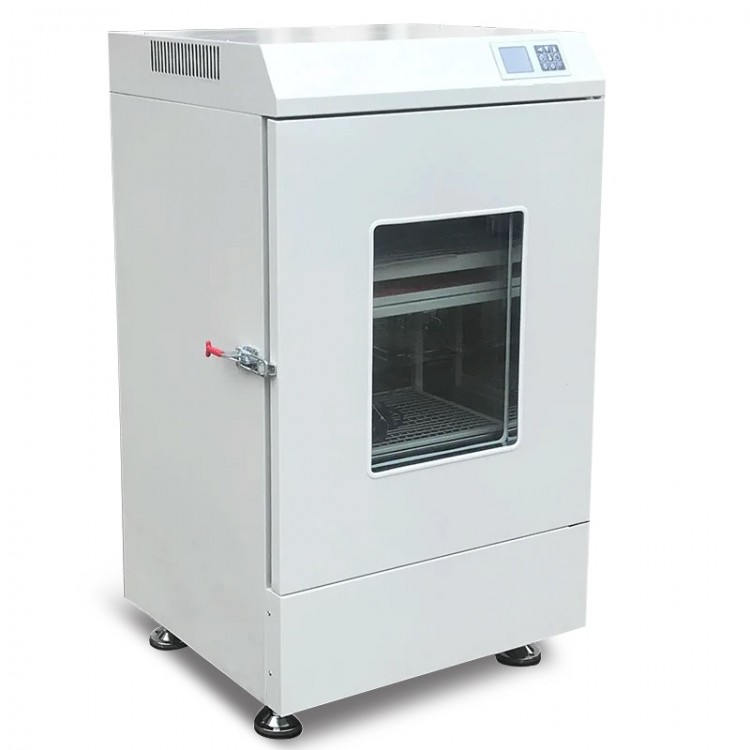
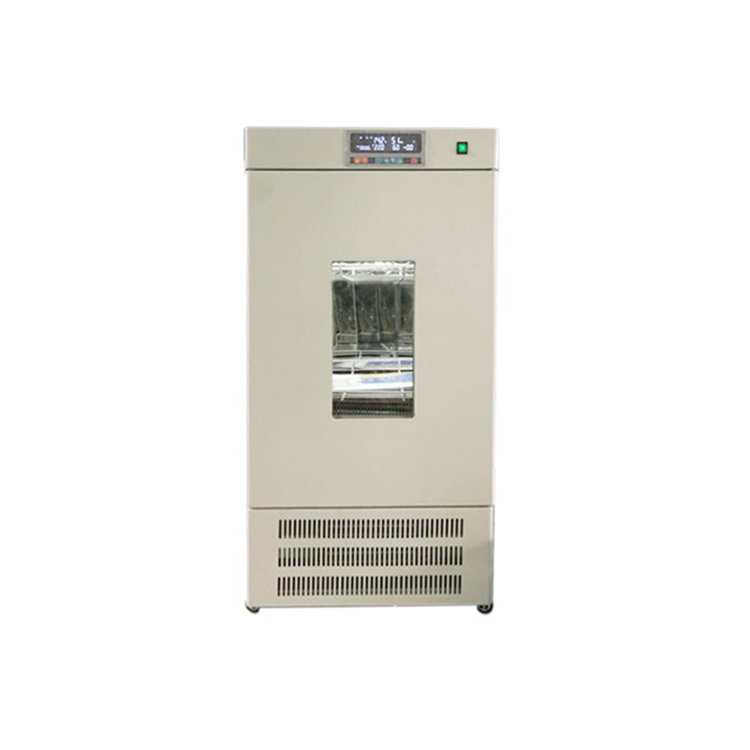
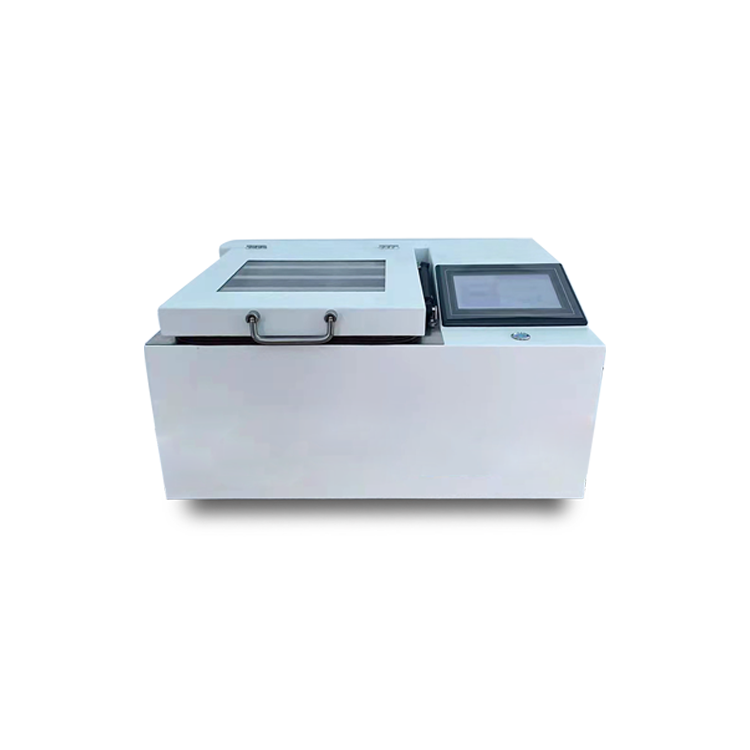
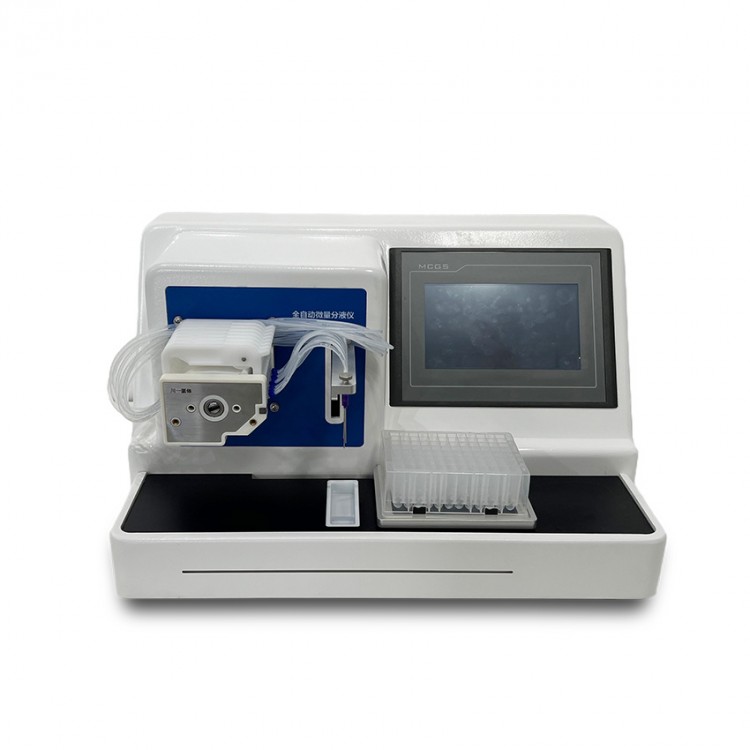
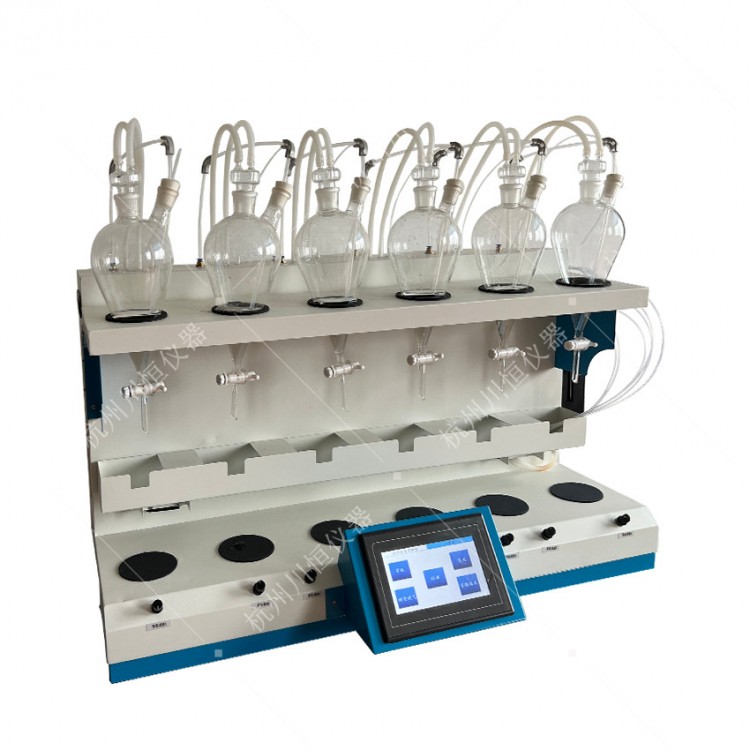
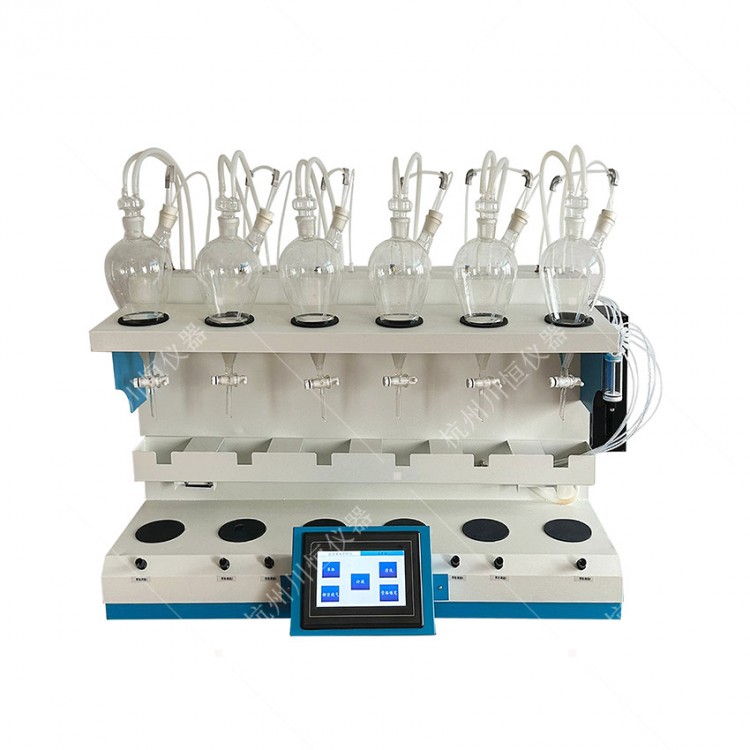
Low-temperature恒温槽, Shaking Incubator, Centrifuge, Spray Dryer, Sample Pretreatment Equipment
19106728583
Lighting conditions are also a crucial factor during cultivation, primarily manifesting in terms of light intensity, light quality, and duration of illumination:
01
Luminous Intensity
Light intensity significantly affects the proliferation of cultured cells and the differentiation of organs. Current research indicates that light intensity has a notable impact on the initial division of exogenous plants and cells. Generally, stronger light intensity leads to robust seedling growth, whereas weaker light intensity can cause seedlings to become spindly. Under dark conditions, plants exhibit characteristics such as thin stems, long internodes, fragility (underdeveloped mechanical tissue), small and curled leaves, poor root development, overall yellowing of the plant, a phenomenon known as chlorosis.
02 Light Quality
Light quality significantly affects the induction of callus tissue, the proliferation of cultivated tissues, and the differentiation of organs. For instance, lily bulbils cultivated under red light differentiate into callus tissue after 8 weeks. However, under blue light, it takes several weeks for callus tissue to appear. In the case of gladiolus bulbils, sprouts first emerge after 15 days of cultivation under blue light, resulting in robust seedlings, while seedlings under white light are slender. With the continuous advancement of technology, LED, as a new type of highly efficient and energy-saving light source, boasts high light efficiency, low energy consumption, safety, reliability, and durability. Moreover, its wavelength aligns perfectly with the spectral range required for plant photosynthesis and photomorphogenesis. Therefore, the application of LED plant growth lamps in tissue culture is becoming increasingly widespread.
Lighting Hours
During tissue culture of tube seedlings, it is necessary to select a specific light-dark cycle for the cultivation. The most commonly used cycle is 16 hours of light and 8 hours of darkness. Studies have shown that for varieties sensitive to short days, their organ tissues are more likely to differentiate under short days and produce callus tissues under long days. Sometimes, dark culture is required, especially for some plant callus tissues, which may perform better under dark culture compared to light. For instance, the callus tissue of safflower. While certain materials may require dark conditions to induce callus tissue, generally, a certain amount of light is needed for cultivation.
The Illumination Incubator is a biological culture device with lighting capabilities, primarily used for tissue and cell culture, seed germination, seedling cultivation, and microbial culture. With the option to add a shading cover, it can be combined with the timing function to simulate day and night lighting cycles.
Contact us

Service Hotline
18758857552
Company Telephone
19106728583

WeChat Number
19106728583

Address
No Chinese content provided.
b2b.china9.net © Zhongshang 114 Hebei Network Technology Co., Ltd.Address: Room 6009, Oriental New World Center, No.118 East Zhongshan Road, Qiaoxi District, Shijiazhuang City, Hebei ProvincePlatform Service Hotline: 4006299930