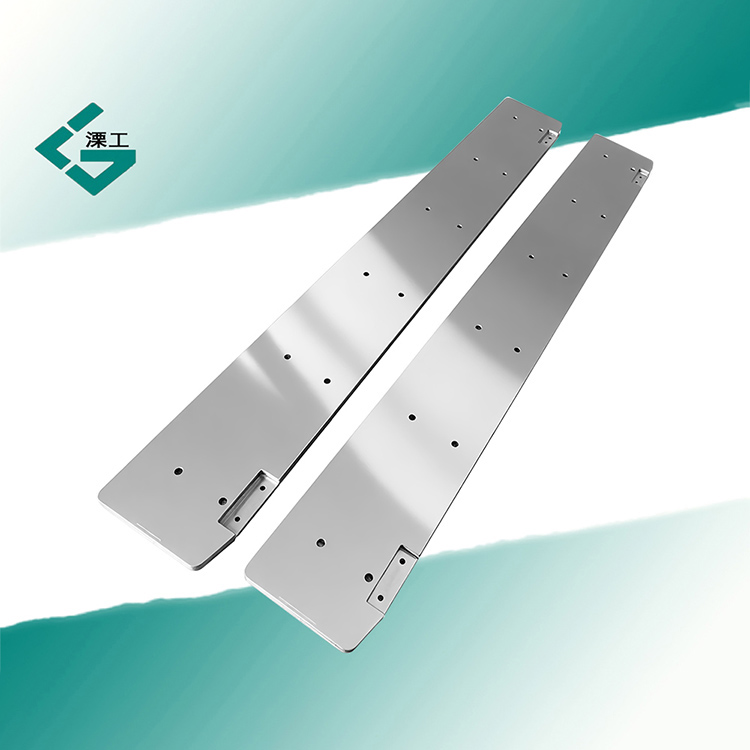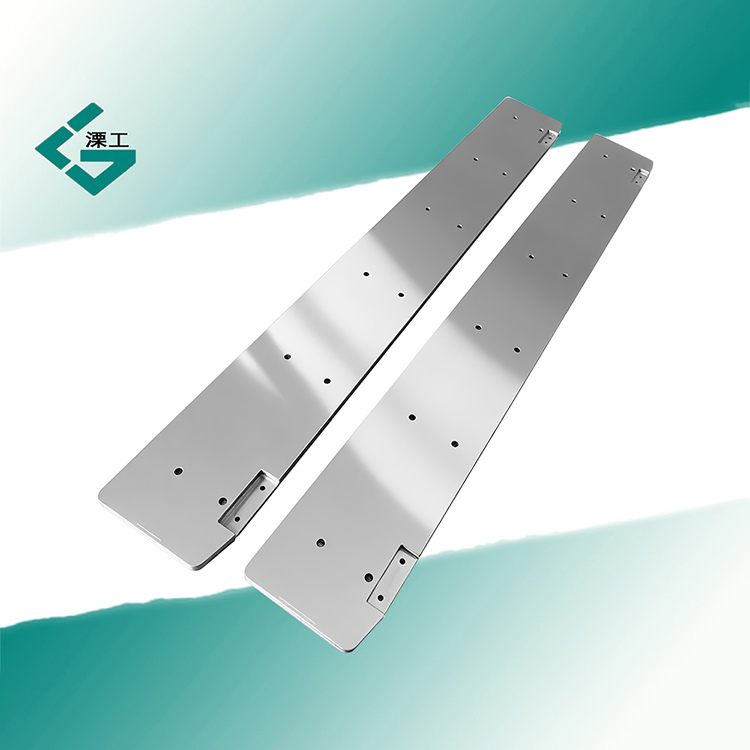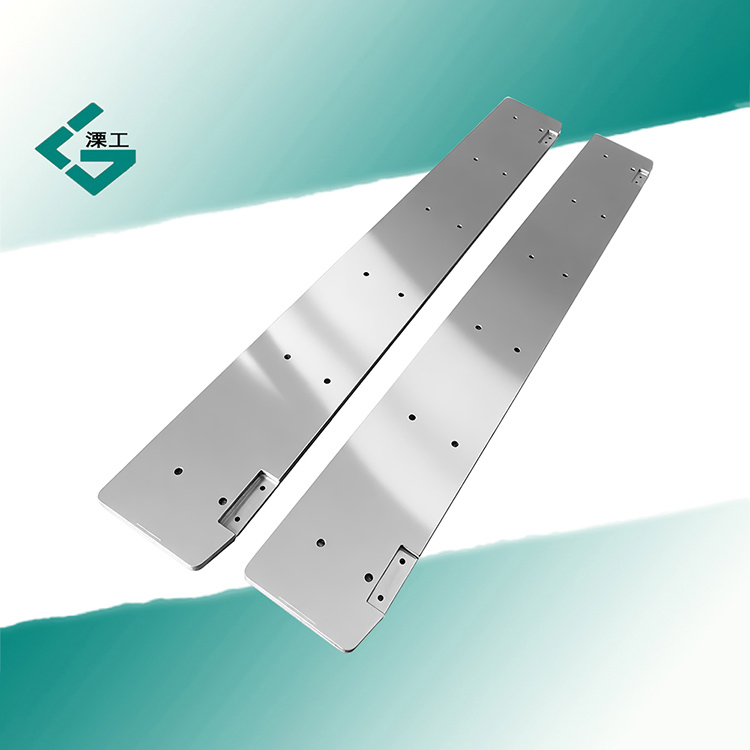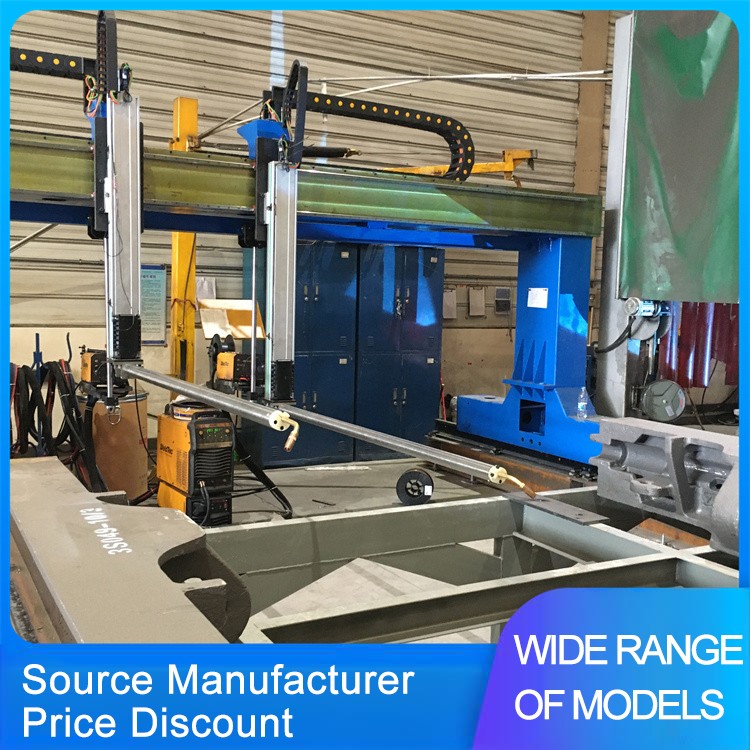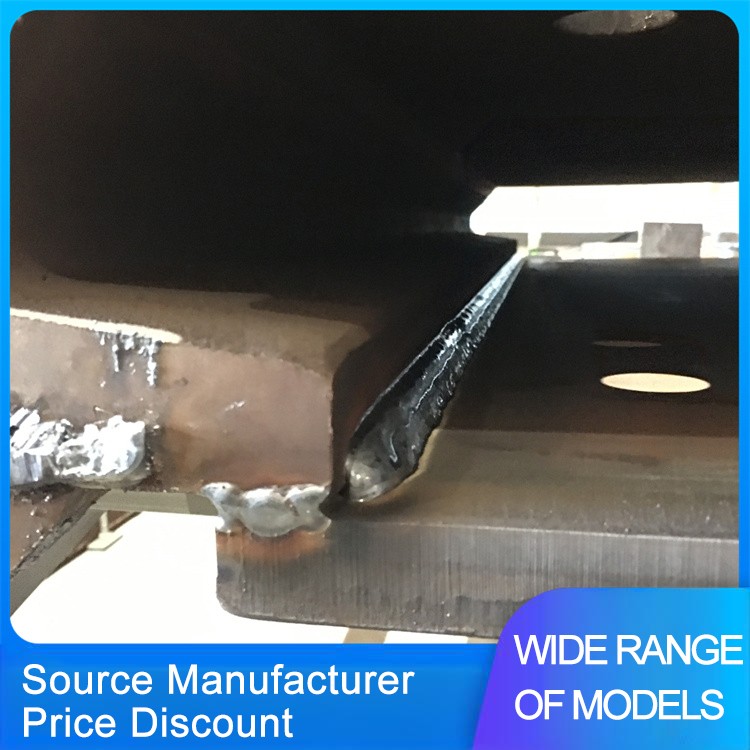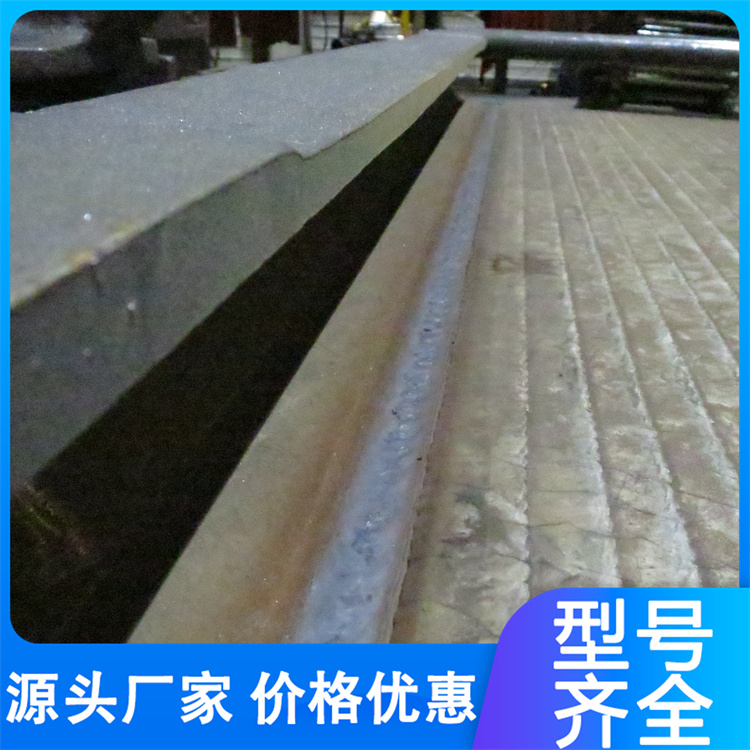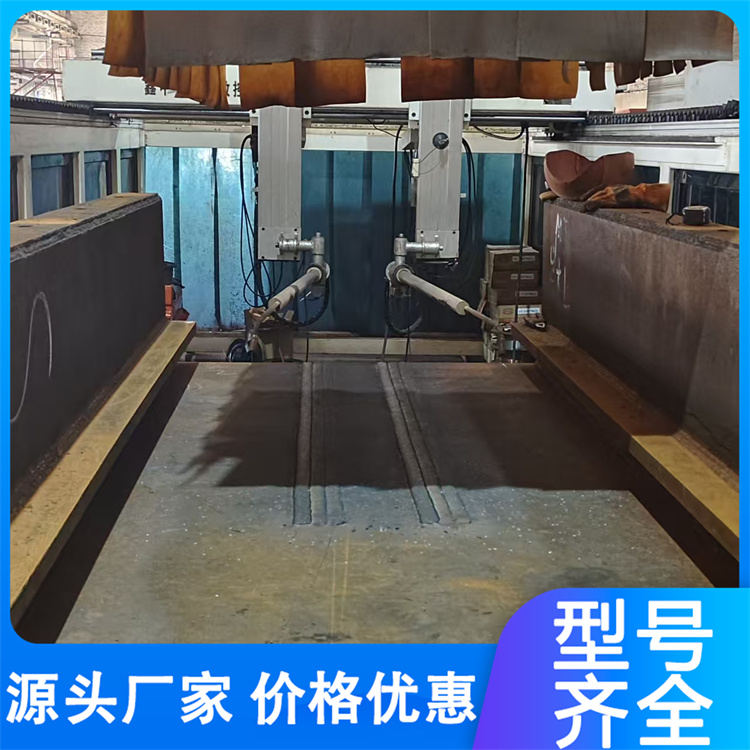









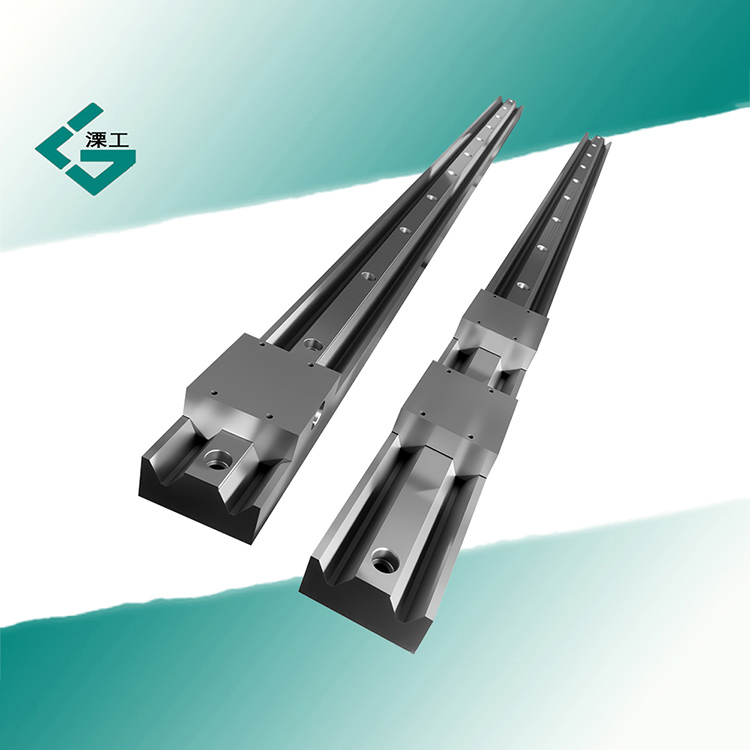
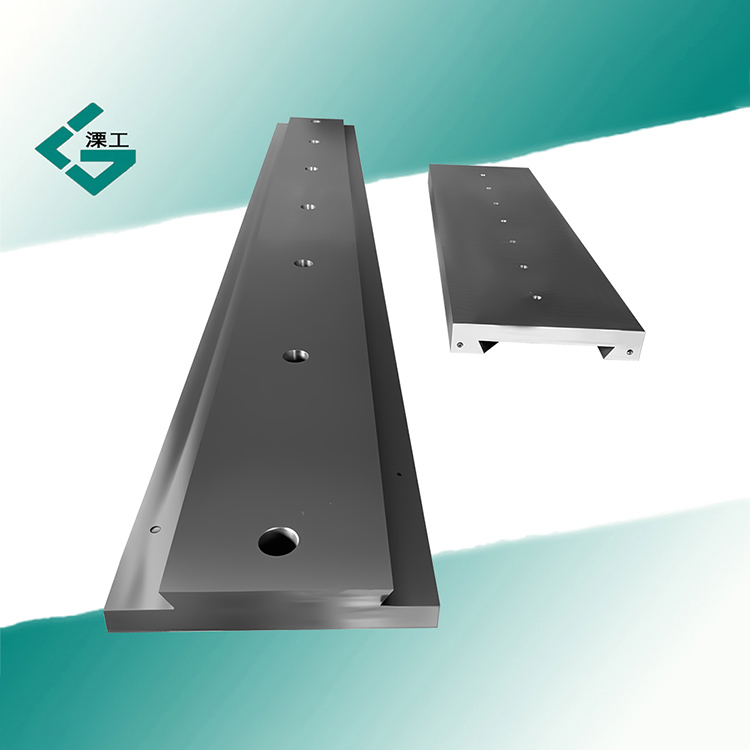
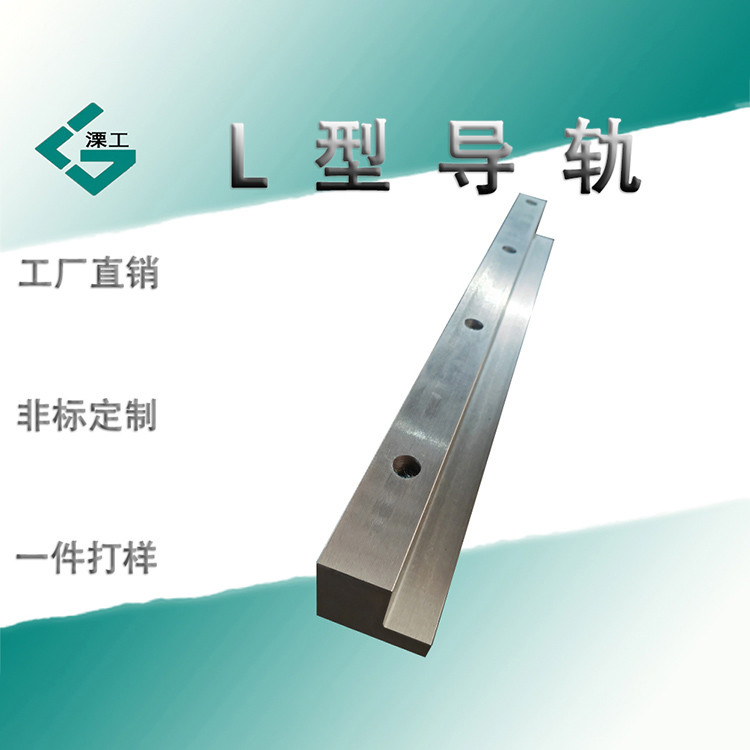


A guide rail is a device used to guide moving units or equipment and reduce friction. The following is a detailed introduction to guide rails:
Definition and Composition
Guideways are typically made of metal or other materials, featuring longitudinal grooves or ridges on their surfaces for guiding, securing machine components, special equipment, instruments, and more. Composed of moving parts and guide parts, they form a guiding pair to ensure the correct movement path of the executing parts.
Performance Requirements
Guidance Precision: The accuracy of the guide rail's movement trajectory, influenced by factors such as the guide rail's geometric accuracy, contact accuracy, and structural form.
Precision Retention: Primarily determined by the wear resistance of the guide rail, which is related to the material of the guide rail, its friction properties, pressure, and its distribution pattern.
Stiffness: Includes the inherent stiffness of the guide rail and the contact stiffness, which depends on the shape, size, connection method with the supporting components, and the load conditions, etc.
Low-speed motion stability: When the linear guide performs low-speed motion or minute displacement, it is essential to avoid creeping to ensure positioning accuracy and the surface quality of the workpiece.
Categories
Rolling Guides: Movement achieved through rolling elements like balls and cylindrical rollers, featuring low friction coefficient and high precision. For instance, ball guides offer sensitive movement and high precision, commonly used in CNC machines; while cylindrical guides have strong load-bearing capacity, suitable for heavy-duty CNC machines.
Sliding Guides: The sliding guide surface comes into direct contact with the slider, relying on lubrication to reduce friction, featuring a simple structure and low cost. Like common sliding guides, metal-to-metal contact is typical, often used in general-purpose machine tools; plastic-laminated sliding guides, with a wear-resistant plastic layer adhered to the guide surface, offer strong shock absorption, commonly used in general-purpose milling machines.
Hydrostatic Guideways: Lift moving parts by a high-pressure oil or air film, achieving contactless movement with an extremely low friction coefficient. Liquid hydrostatic guideways offer high precision and no wear, suitable for ultra-precision machine tools; gas hydrostatic guideways are clean and pollution-free, ideal for semiconductor lithography machines.
Materials and Processing
Material: Common guide rail materials include high-strength steel, cast iron, and aluminum alloy. High-strength steel is suitable for guide rails that bear heavy loads; cast iron guide rails offer good vibration reduction and are ideal for high-load and low-speed applications; aluminum alloy guide rails are lightweight and corrosion-resistant, making them suitable for light-load and fast-moving equipment.
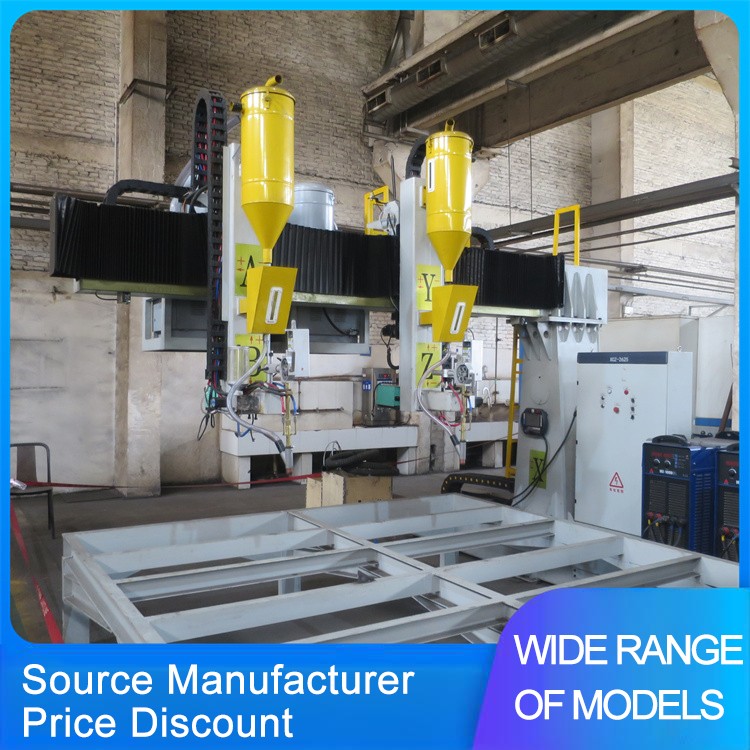
Processing: Typically, precision machining is performed using CNC machines, requiring strict control over the flatness, surface roughness, and dimensional tolerances of the guideways to ensure precise size requirements are met.
Application Fields
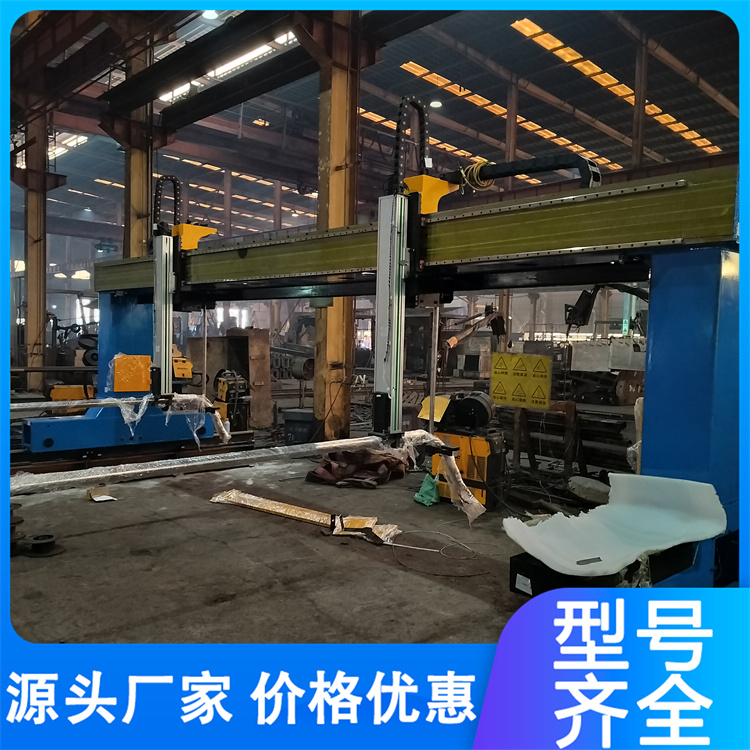
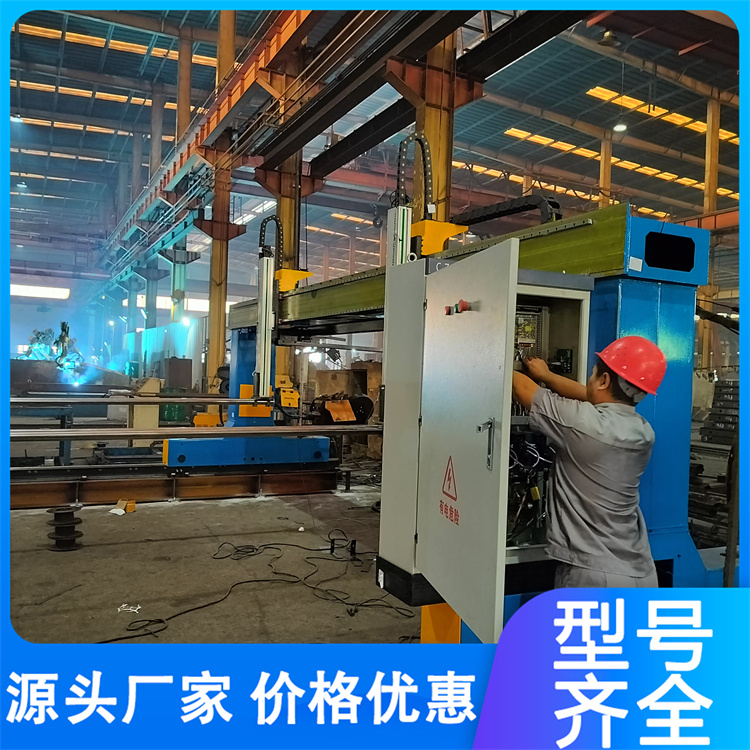
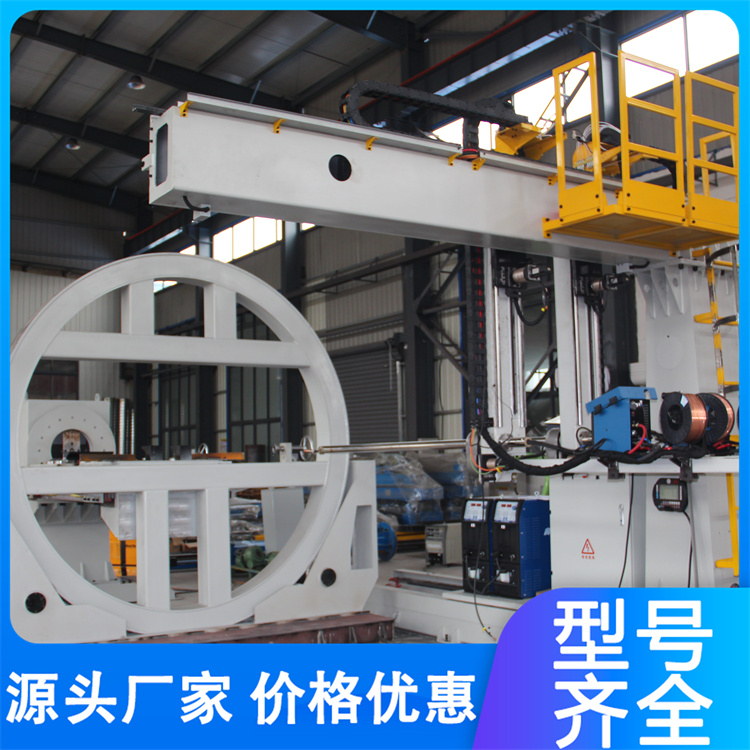
Guide rail applications are extremely versatile, covering all machinery requiring linear motion, such as CNC machine tools, industrial robots, automated production lines, transportation systems, and precision equipment.