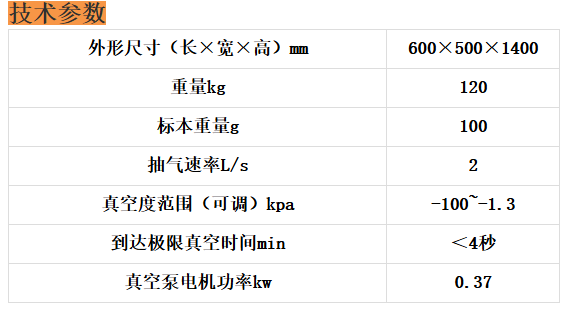

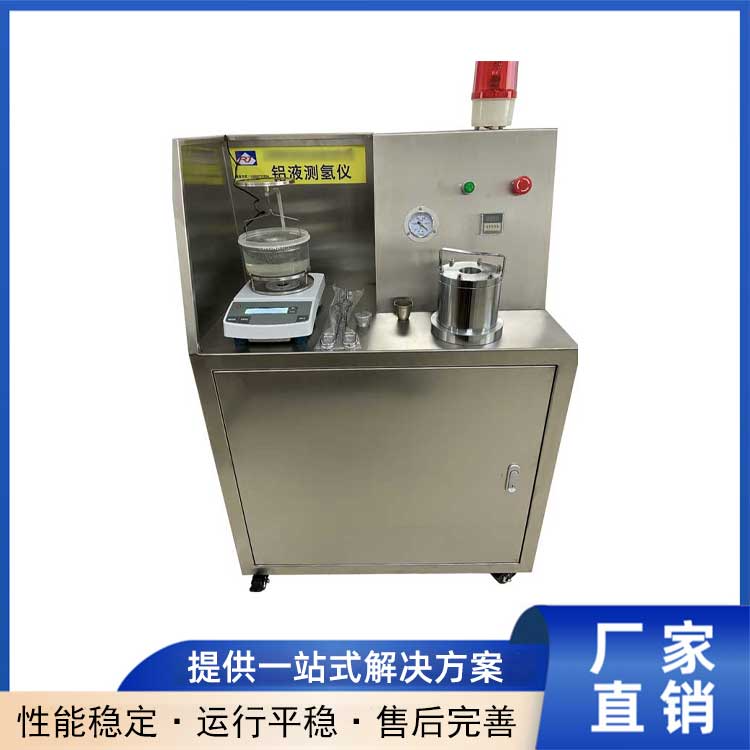







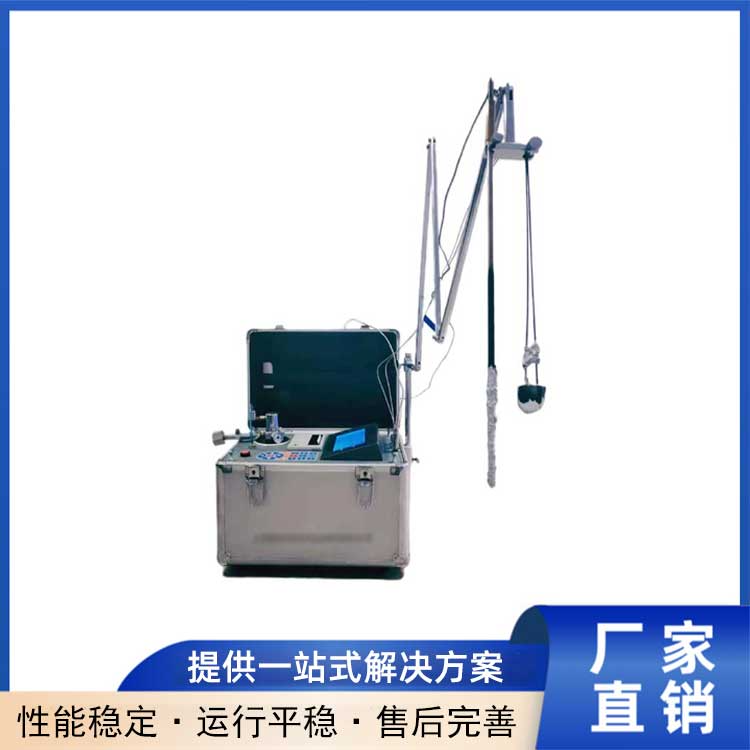
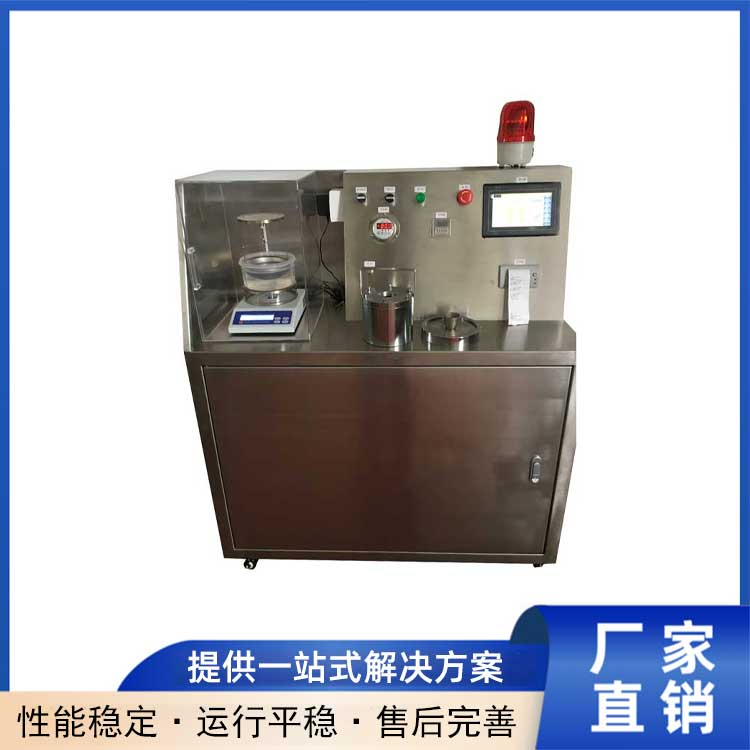
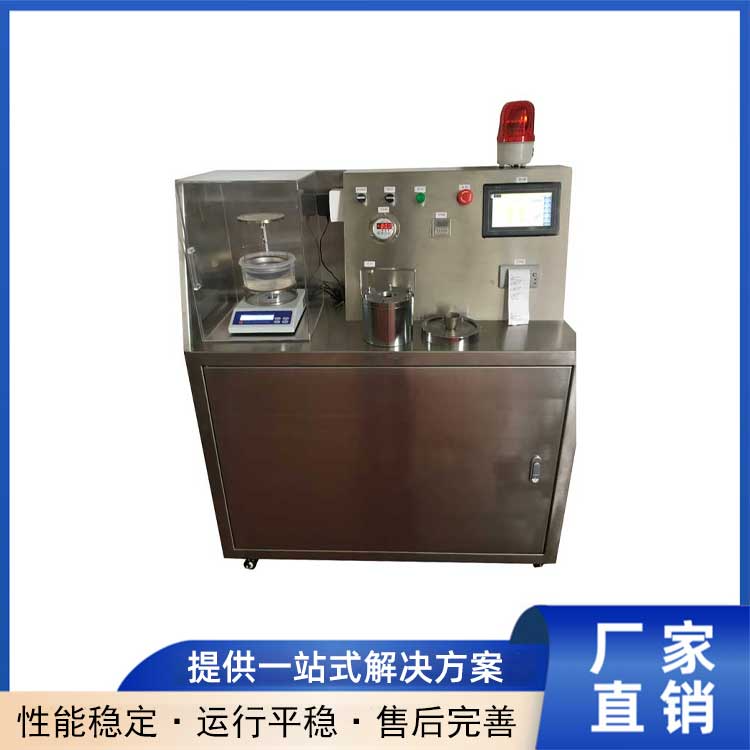
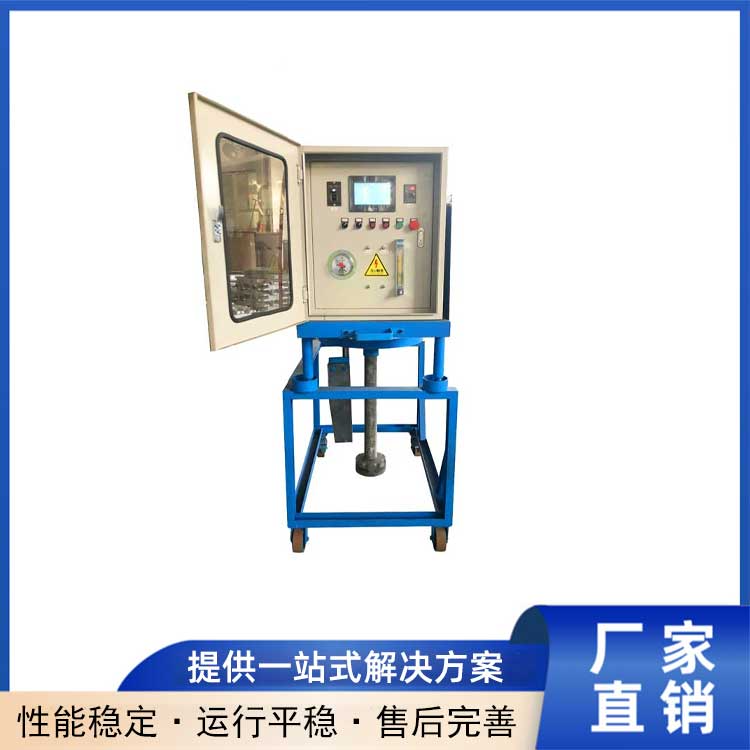
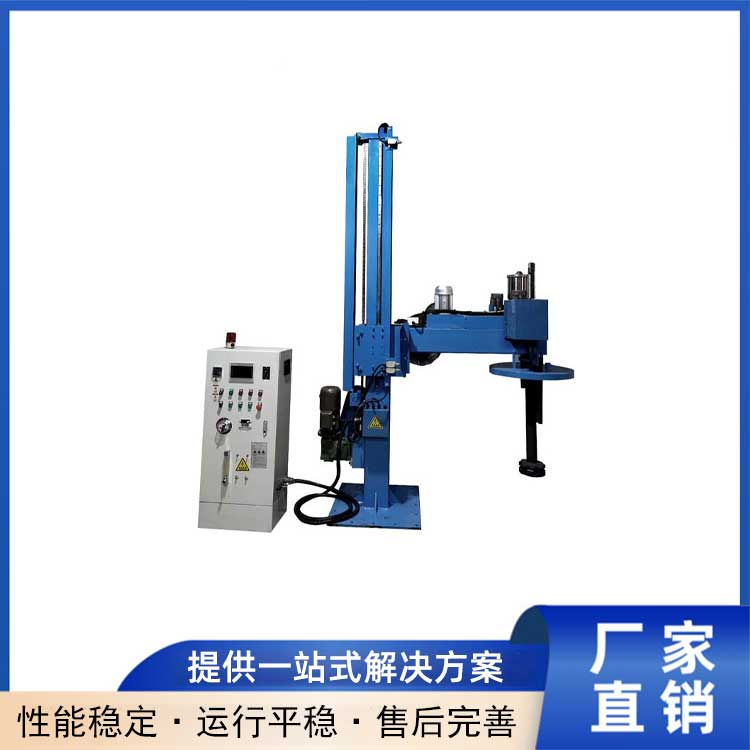
The RT-CQY-1000 hydrogen analyzer is a self-designed and manufactured product by our company, specifically designed for qualitative testing of hydrogen content in molten aluminum for casting purposes. Due to its cost-effectiveness, ease of operation, and rapidity, this model is still the preferred choice for manufacturers with production experience.
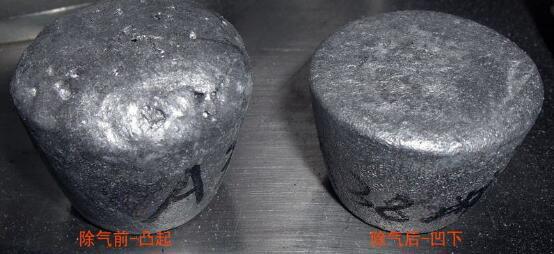
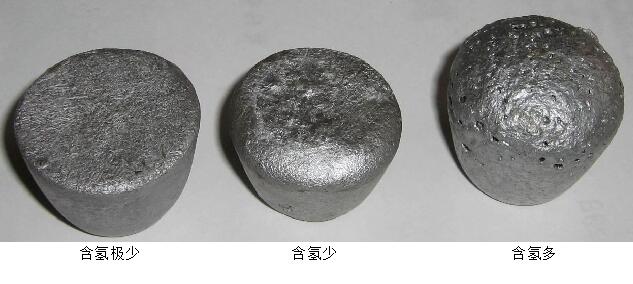
(1) The principle of the hydrogen tester is the pressure-reducing solidification method. During solidification under vacuum, hydrogen gas dissolved in the aluminum melt continuously precipitates, forming bubbles internally or on the surface of the sample. The amount of gas in the aluminum melt is determined by the degree of concavity or convexity on the surface of the sample or the number of pores in the cross-section of the sliced sample. It is suitable for casting or to check for cauliflower-like appearances on the metal surface to determine hydrogen content. It features: easy operation, rapid with low energy consumption, no need for additional auxiliary equipment, sturdy structure, high corrosion resistance, and minimal maintenance required, ensuring the fastest possible detection without affecting production efficiency.
(II) Features of the Hydrogen Analyzer:
1. Convenient mobile structure for multi-functional air content testing of aluminum liquid at various fixed locations
2. Fast analysis speed. Under the on-site environment of the foundry, the hydrogen content of the aluminum alloy can be analyzed within 5 minutes.
3. Test results are authentic and reproducible. By integrating various analytical methods, an accurate assessment of the aluminum liquid quality can be made, providing reliable guidance for production.
4. The instrument is sturdy and durable. The entire unit has no fragile parts, resulting in low operation costs.
5. Easy to operate and safe to use, no extensive experience required for the operator; minimal training is sufficient for proper usage.
6. The vacuum chamber of this model does not use a glass bell jar; there is no concern for damage to the bell jar.
7. Suitable for complex pre-furnace environments.
(3) Sample Evaluation Method:
Surface State Observation Method
1. Carefully inspect the top surface of the sample, as this is the most common and quickest method. After the aluminum liquid sample has been vacuumed and properly cooled, if the top surface shows a cauliflower-like shape or at least some bulging, it indicates a higher gas content. Conversely, if the top surface is smooth or slightly concave, it suggests a lower gas content, from which you can determine if casting is possible.
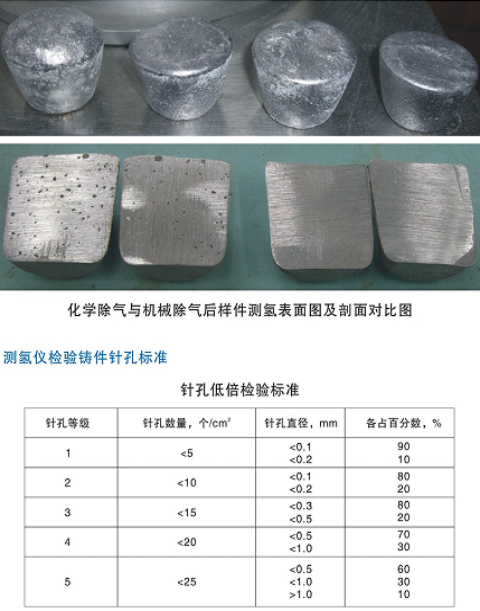
2. Observe the cross-sectional porosity of the sample by slicing it.
3. The degassing effect must be evaluated by polishing the cross-section, pickling, and then referring to the national specifications for pinhole grades.
Methods for Measuring Aluminum Density
At a certain temperature, aluminum melt is cooled under a specific vacuum condition. The mass of the sample (w1) is then weighed in air using an electronic balance. The sample is subsequently suspended in a water of known density, and its mass in water (w2) is measured. The gas content in the aluminum melt can be analyzed using the following two methods: A. Relative Density Method: a = w2/w1. The higher the calculated a value, the lower the real-time gas content; conversely, the lower the a value, the higher the gas content. B. Absolute Density Method: w = w1.p_water / (w1 - w2); where w is the density of the aluminum sample. The higher the sample density, the fewer the voids, indicating less gas content; otherwise, the higher the gas content.