







Service Scope:
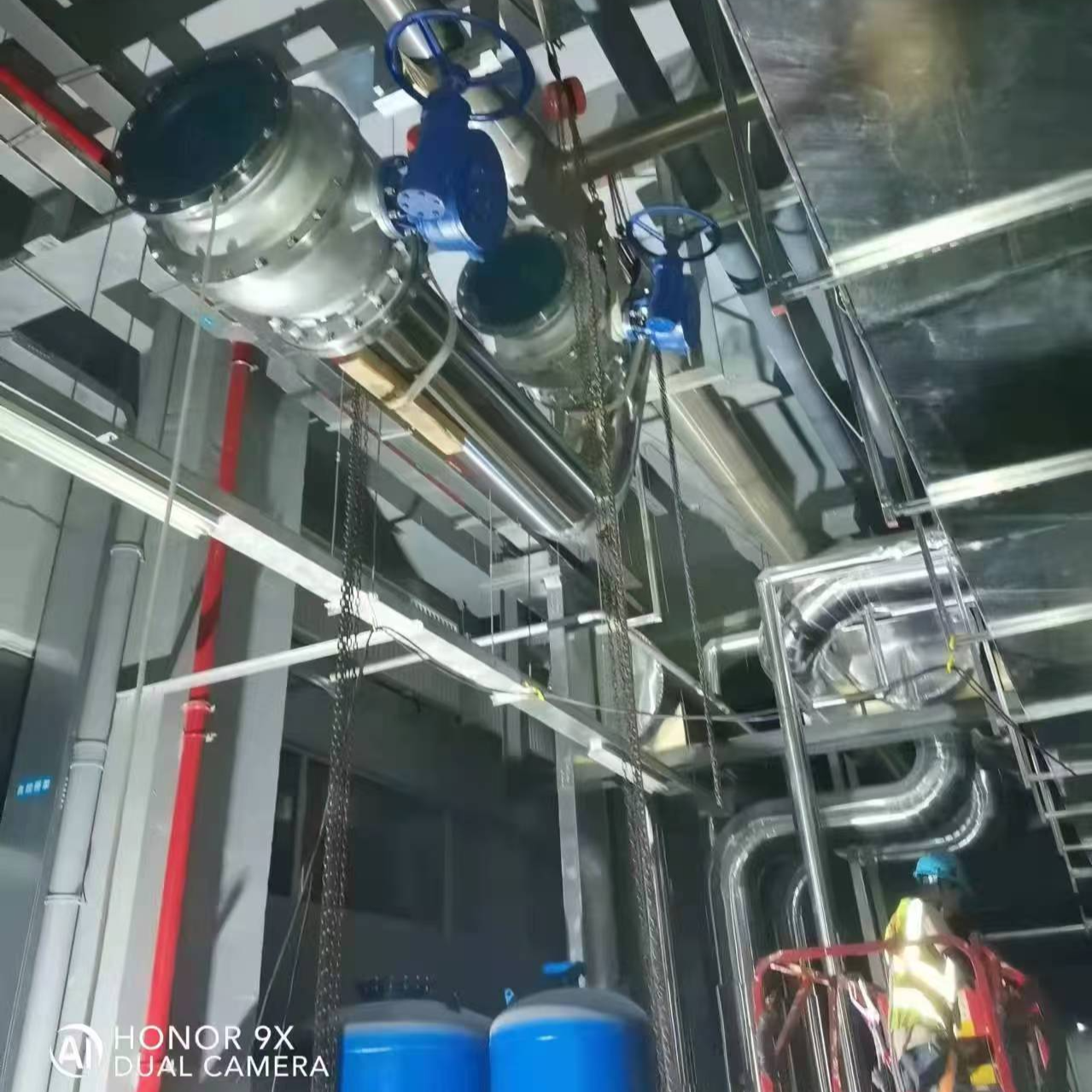
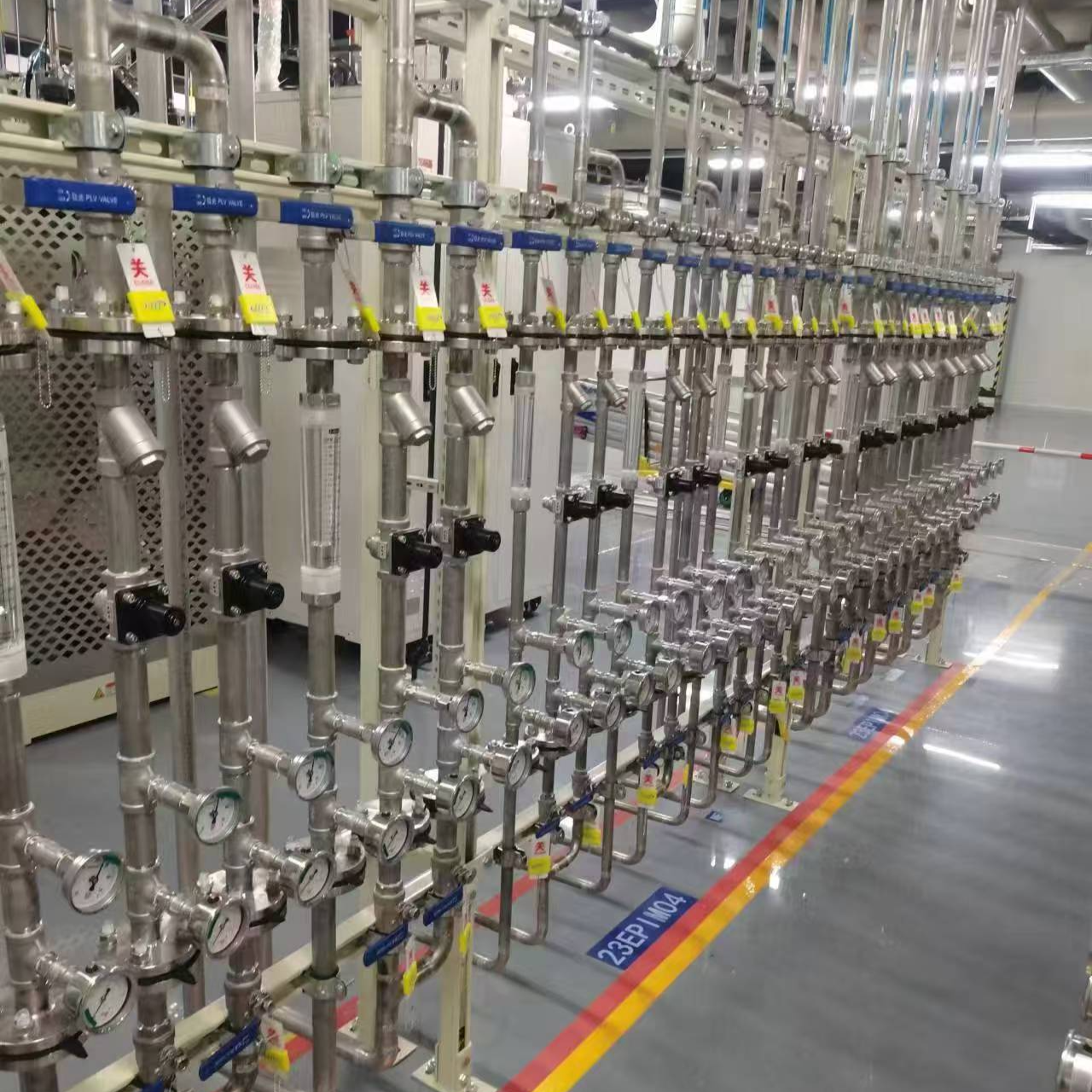
1. Comprehensive pipeline engineering for laboratory centralized gas supply systems, including design, selection, product supply, maintenance, and technical support for the entire system installation and debugging.
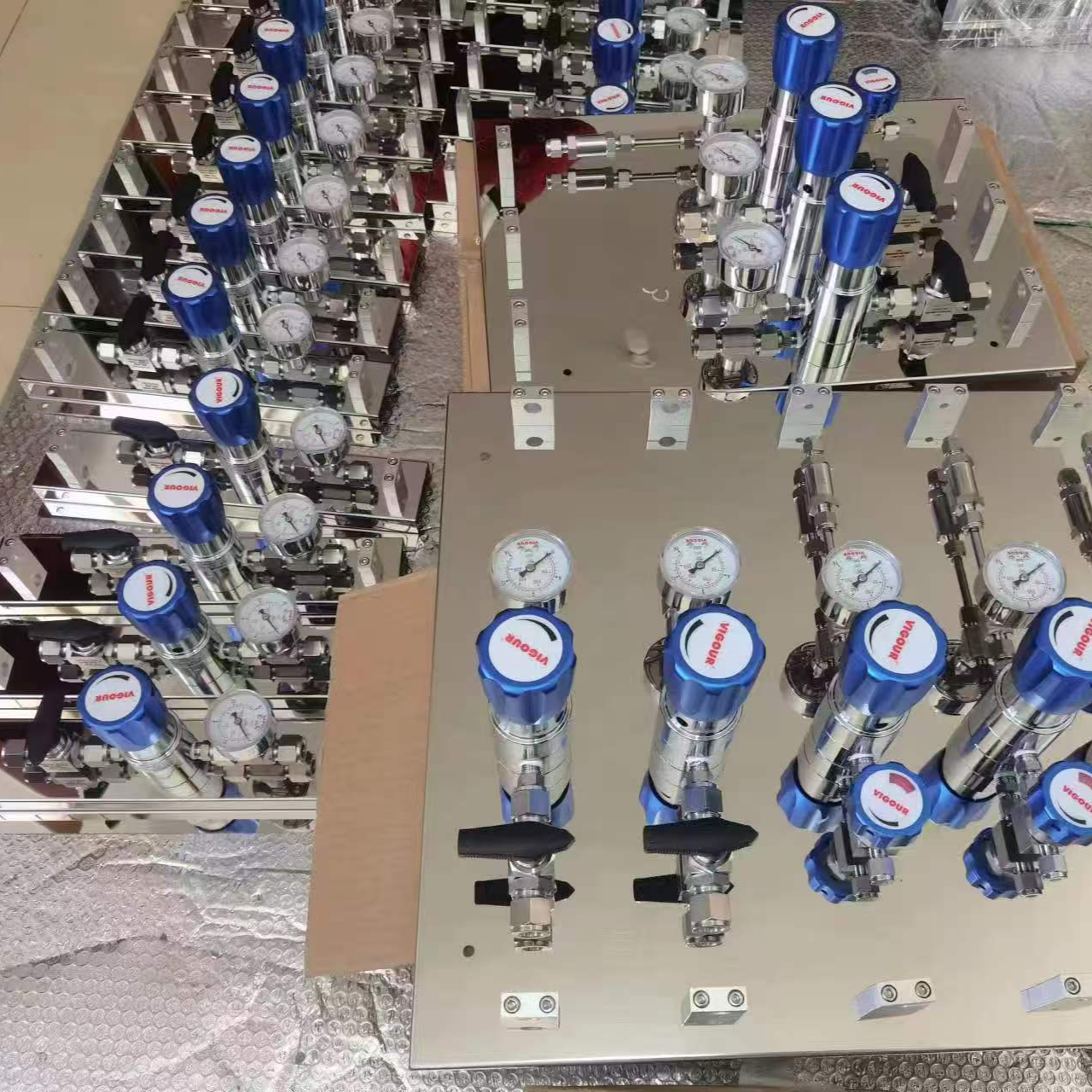
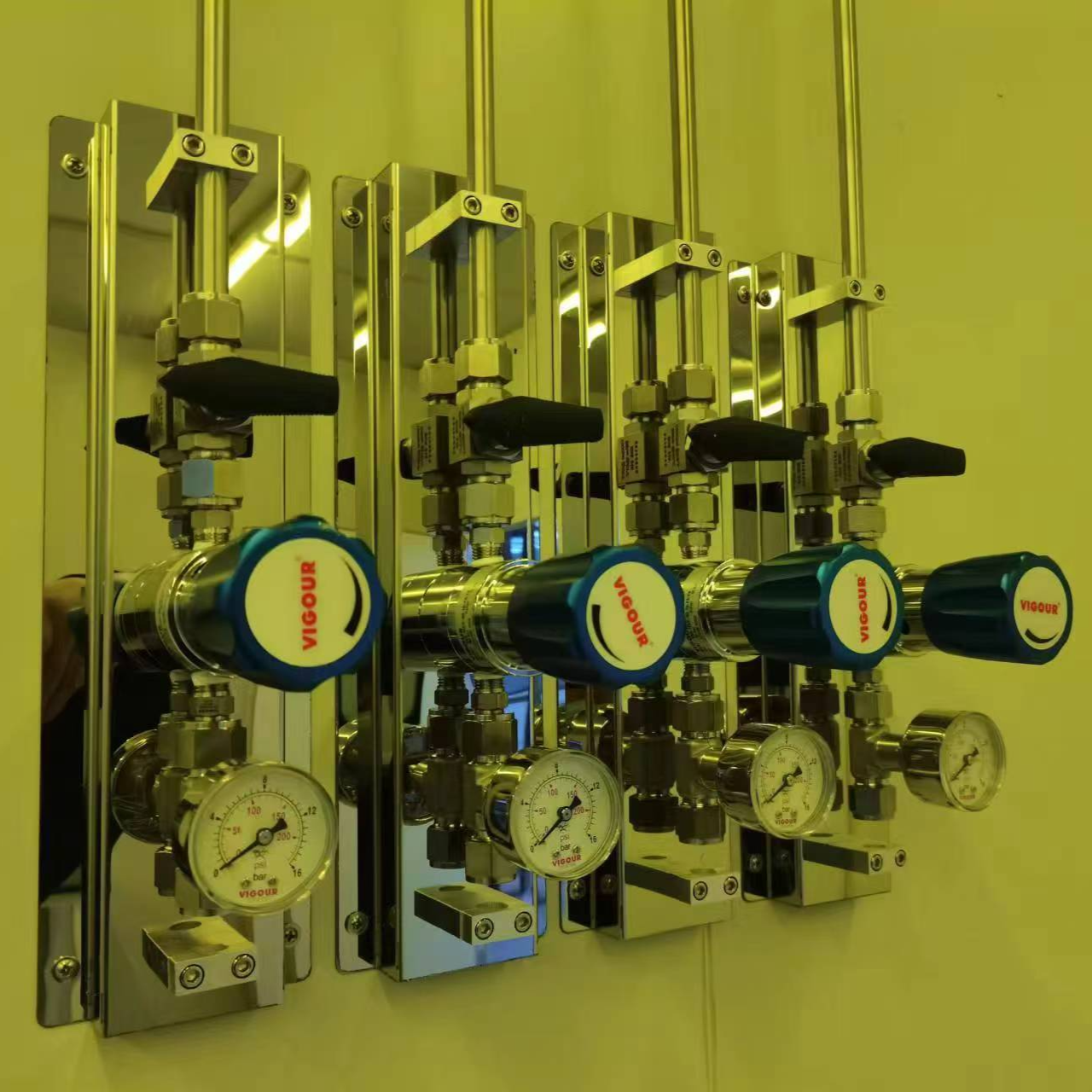
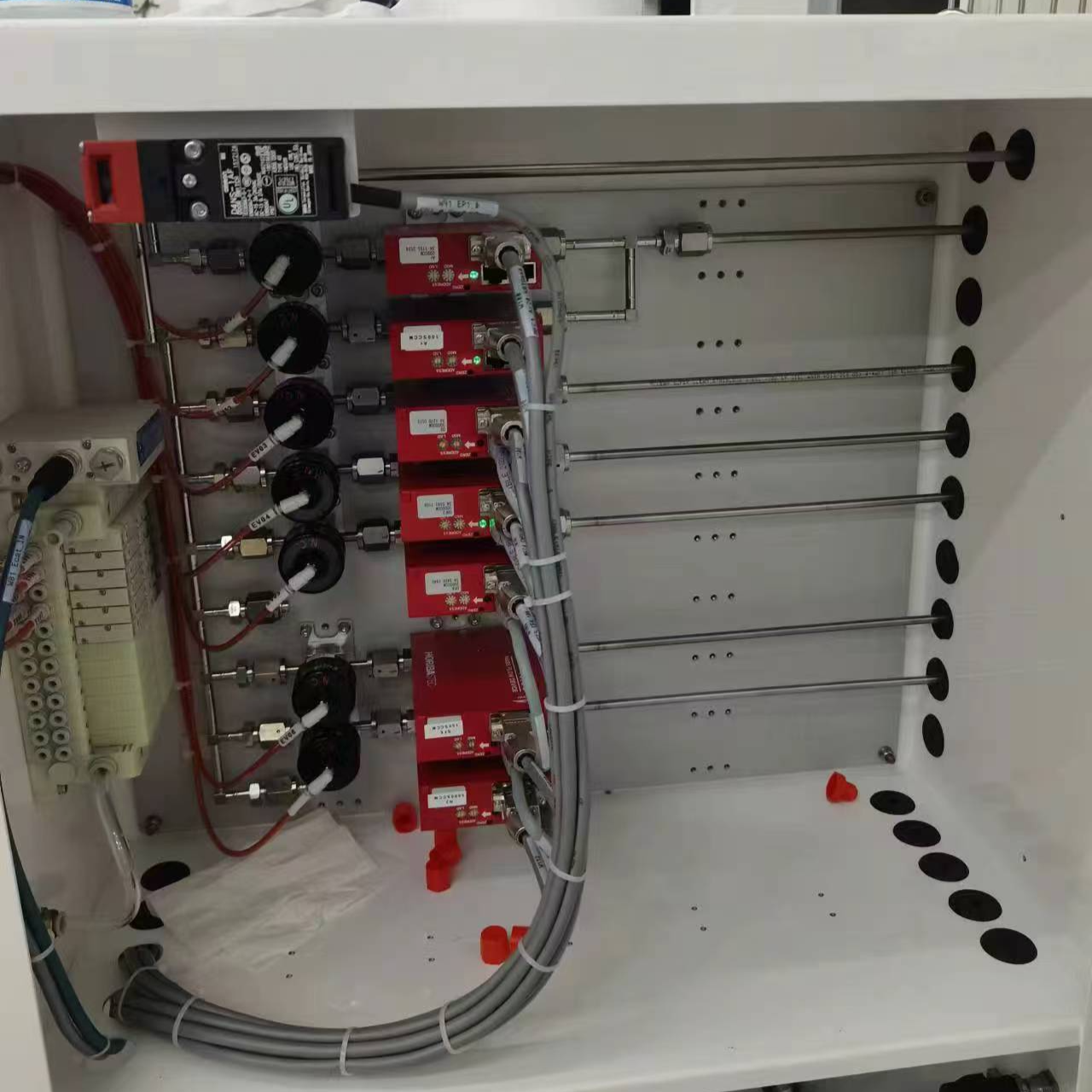
2. Installation of ultra-pure gas conveying systems, specialty gas cabinets (GC, GR), distribution boxes (VMB, VMP), and secondary piping construction services.
3. Gas Pressure Monitoring & Alarm System, Installation and Commissioning of Gas Concentration Monitoring & Alarm Control System.
4. Lab Pure Water Pipeline Supply System Installation, Lab Waste Water Treatment System Design and Installation.
5. Valve Components: Automatic regulation and control equipment for various gas supply systems, gas regulators, valves of various grades of stainless steel pipes (EP grade, BA grade), including diaphragm valves, ball valves, needle valves, safety valves, check valves, flame arrestor valves, sleeve joints, precision filters, and various pressure gauges.
Design Specifications for Gas Source Cylinder Room
• Utilizes a semi-automatic switching system to ensure continuous gas supply. Guarantees the continuity of the experiment.
• Multi-bottle gas supply ensures adequate gas consumption.
• Cylinders are arranged centrally for easy refilling and other operations.
• No bottles in the lab, saving space and eliminating a hazard source.
• Equipped with a safety valve for safe operation.
• Features nitrogen blow-off and venting functions to ensure gas purity.
• Features low-pressure alarm function, alerting users to replace the cylinder when it falls below the operating pressure.
• The design of the combustible gas system includes a PLC control system, which enables联动 between the combustible gas alarm, emergency shutdown, and the fan. Ensures safe gas usage.
• Different gases are used with different materials to ensure purity.
• Different connection methods (VCR, couplings, welding) are used based on the type of gas.
• The high-pressure section uses a high-pressure valve 1 to ensure gas safety.
Monitor System Design Description
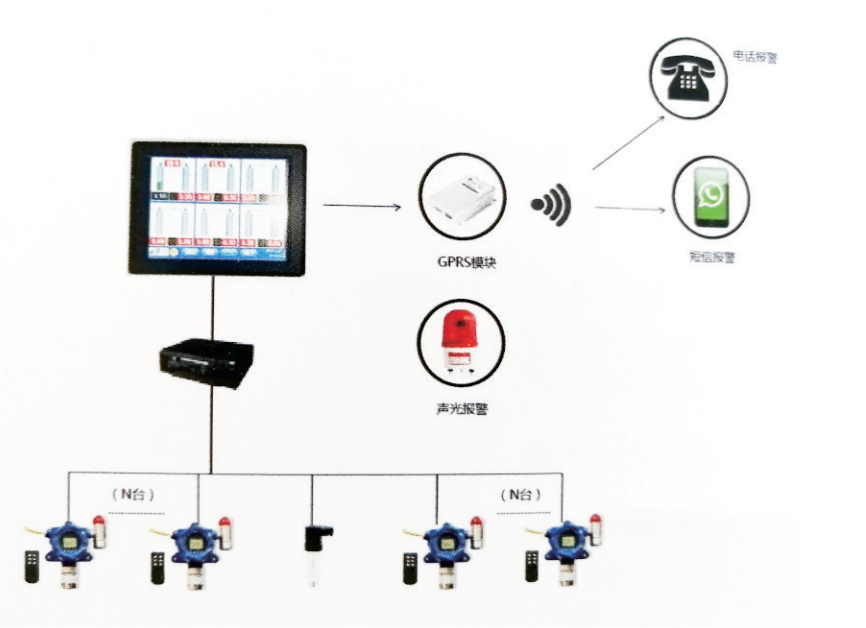
• The gas cylinder room is equipped with gas concentration leakage alarms and emergency shutdown. In case of harmful gas leakage, the concentration detection alarm will trigger an audible and visual alert, simultaneously signaling the exhaust valve to activate the fan for air exchange, ensuring safe gas supply.
• Gas alarms use a 4~20mA signal and are EX-1ICT6 explosion-proof rated, enhancing safety levels.
• All signal lines are made with 4-core shielded cables to prevent signal interference.
•PLC internal signal input terminals are all reserved, ensuring expandability and enabling real-time display of concentration/pressure values.
• The box is equipped with a touch screen and dual display with a host computer. It operates on Windows XP for easy handling.
Design based on technical specifications:
GB 50235-2010 "Code for Construction of Industrial Metal Pipeline Engineering"
GB50184-2011 "Code for Acceptance of Construction Quality of Industrial Metal Pipeline Projects"
GB50236-2011 Code for Construction and Acceptance of Welding of Field Equipment and Industrial Pipelines
JGJ 91-93 Code for Design of Architectural Specifications for Scientific Laboratories
GB50031-1991《C₂H₂Website Design Standards
GB50177-2005《H2"Site Design Standards"
GB50030-2007 "Oxygen Station Design Code"
GB50029-2014 "Code for Design of Compressed Air Stations"
SH3063-1999 "Design Specification for Detection and Alarm Systems of Combustible and Toxic Gases in Petroleum and Chemical Enterprises" - Research Laboratory's Existing Conditions Requirements and Other Relevant Standards and Norms.
Functional Column/Pipe Chute Description
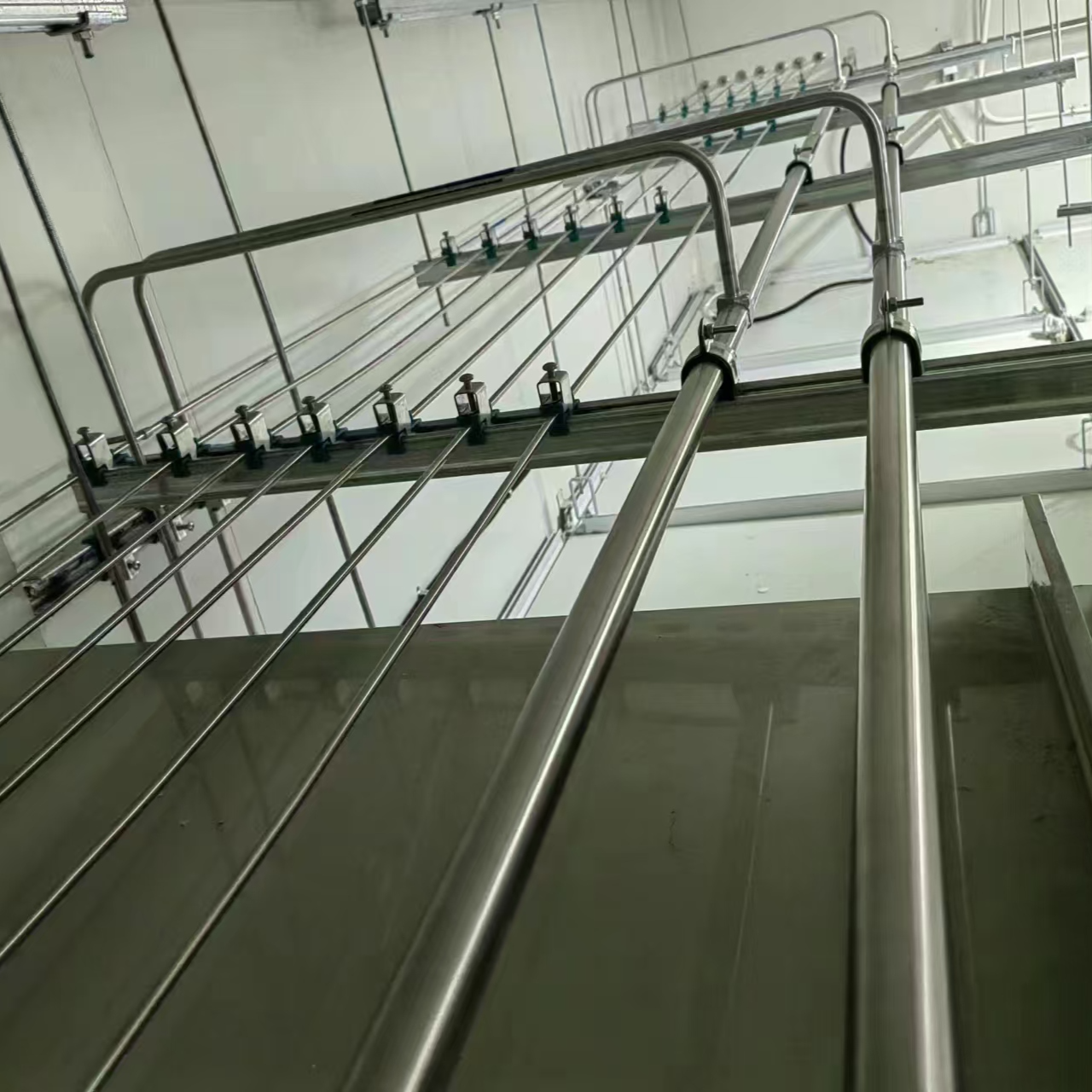
• All connecting pipelines are welded using digital welding technology, ensuring safe usage. Unused gases in this layer are equipped with reserved outlets in the pipeline shaft for easy future expansion of gas routes.
Flammable gases are equipped with fire arresters in the pipeline shafts, enhancing safety factors.H2、C₂H₂、CH₄Pneumatic control valves ready for design, interconnected with PLC. A main control valve is installed for each gas on each floor.
Select different pipeline sizes based on varying gas consumption.
• Gas pipeline supports should be spaced no more than 1.5 meters apart. Determine the support distance based on the smallest internal diameter gas pipeline.
Design Specifications for Instrument Room Pipe Valves
Each laboratory must have individual valve control.
For instruments requiring separate pressure adjustment, a separate valve must be installed at the gas outlet point on the worktable to control it.
All gas export points are equipped with stainless steel valves and connected to pressure and flow reducers.
• H2 uses a VCR-style connector, while other gases are connected using a sleeve type.
In rooms with combustible gases, install combustible gas detectors linked with a PLC.
• Gas enters the main pipeline in the room, and the installation of a gas purification system can improve the purity of the gas.