










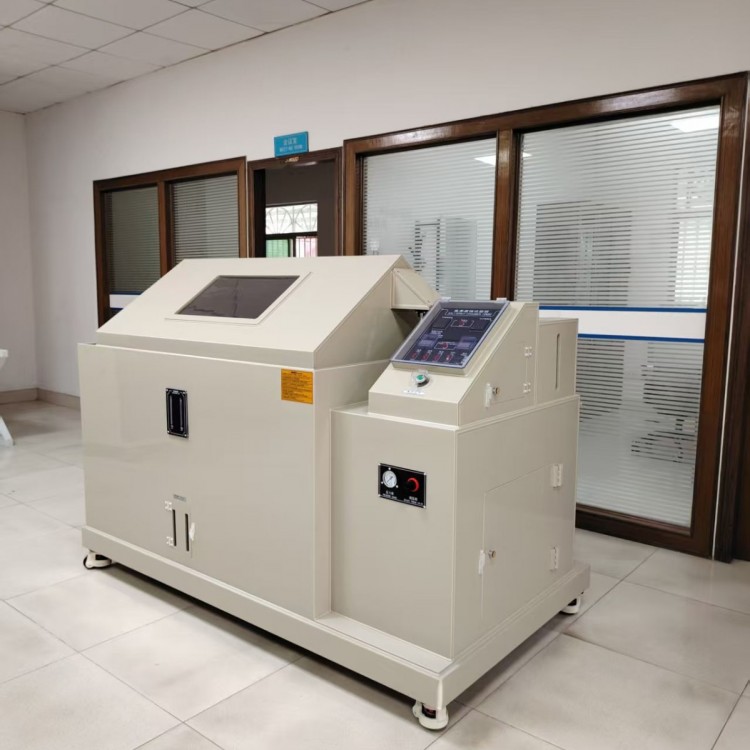
I. Introduction:
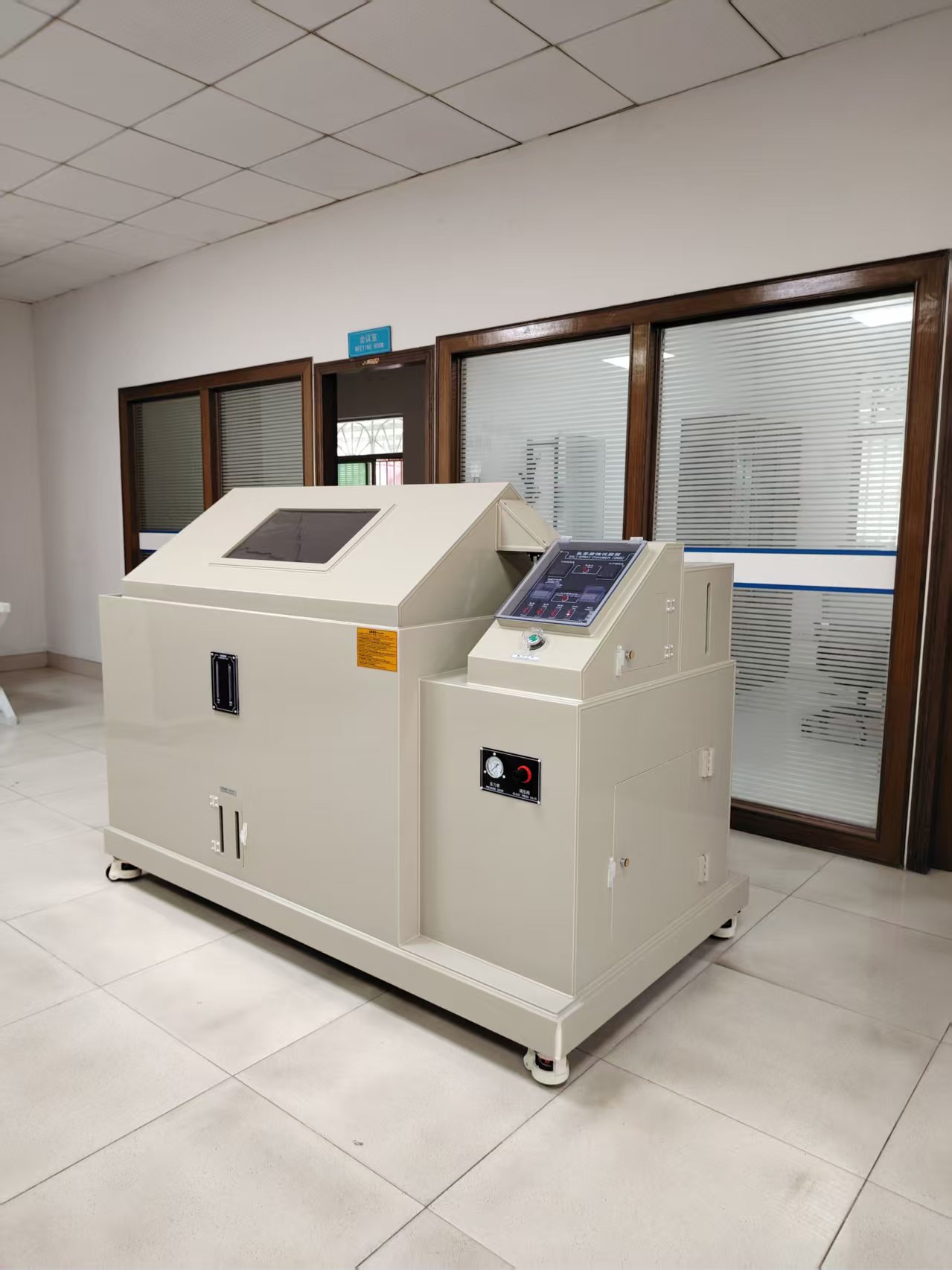
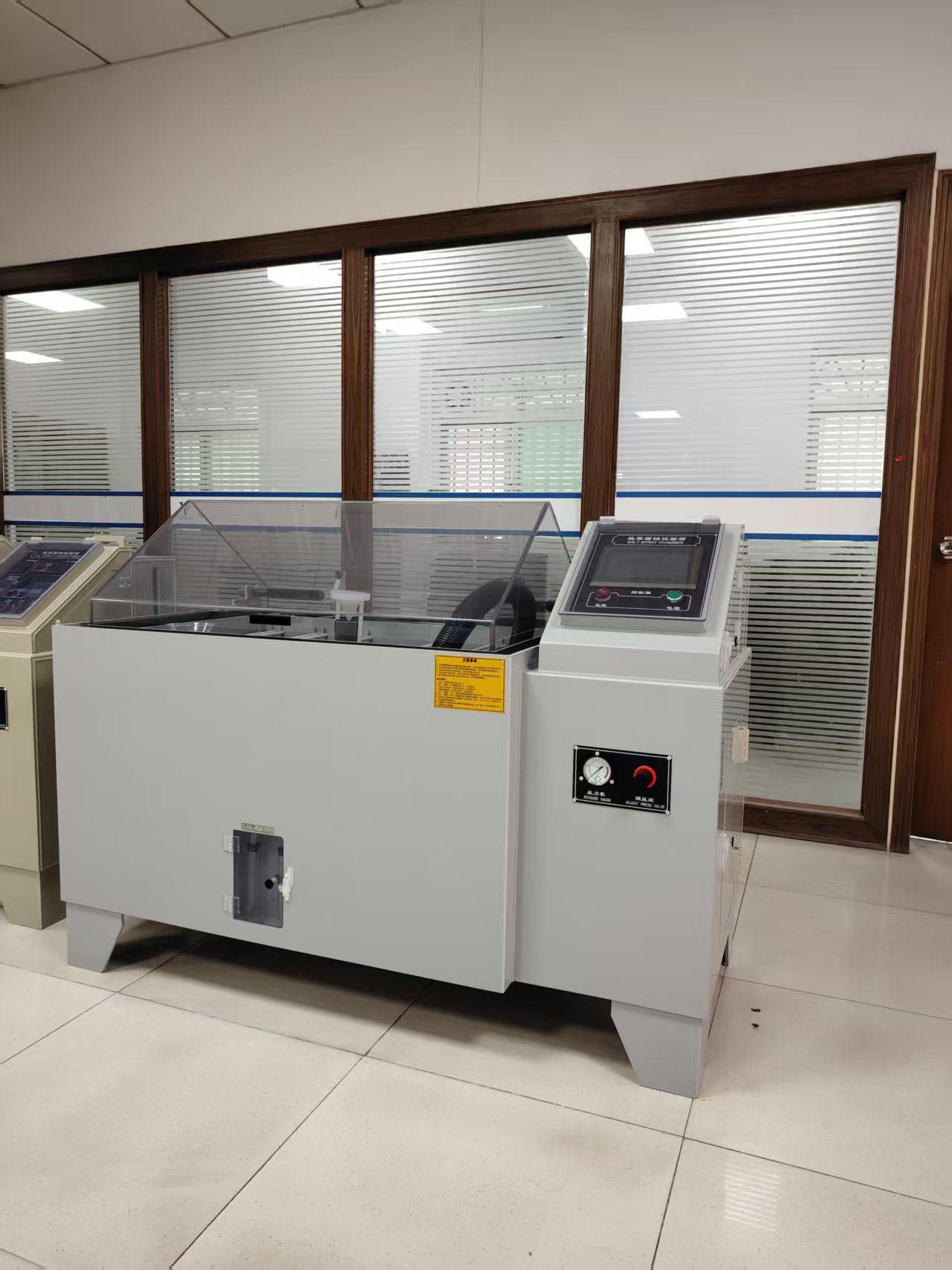
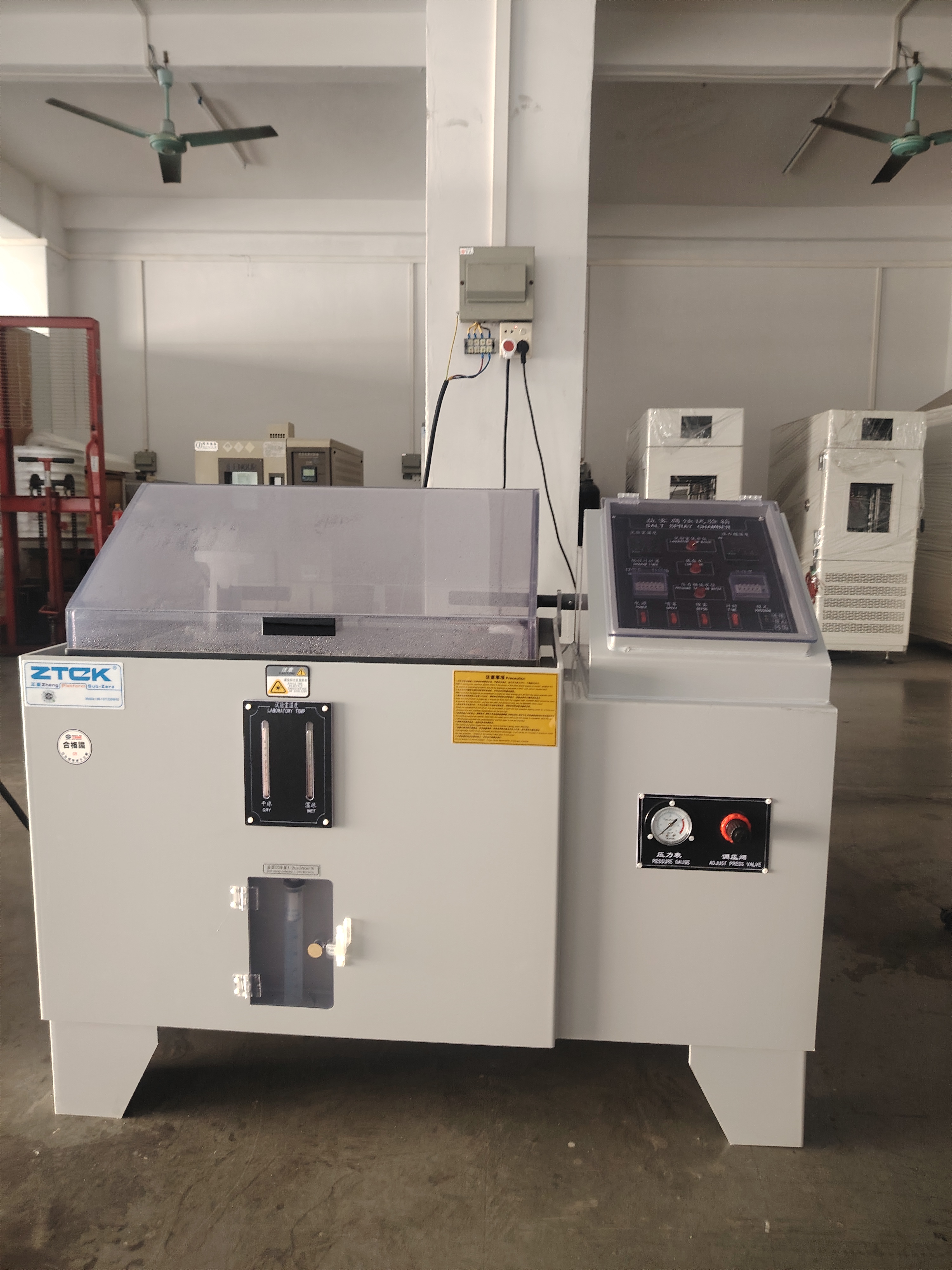
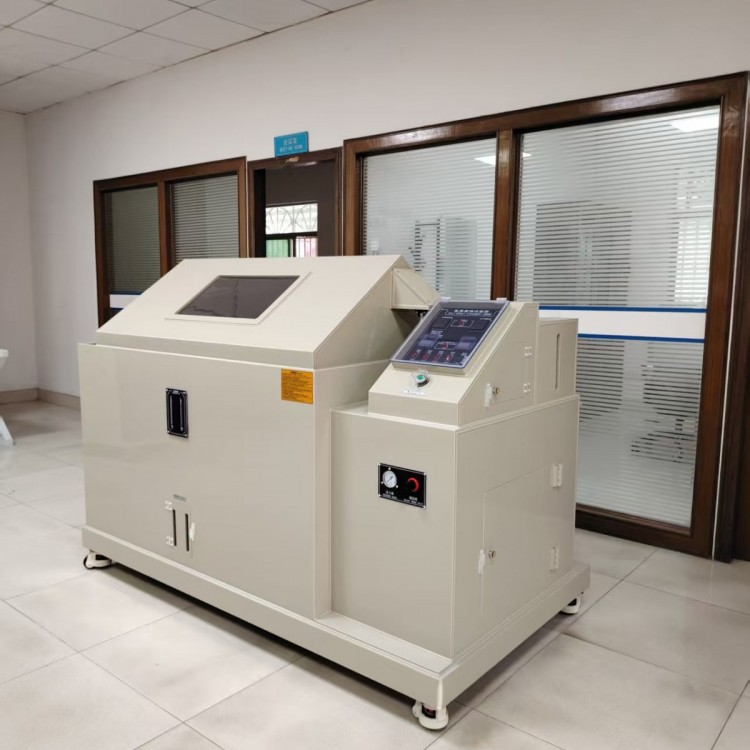
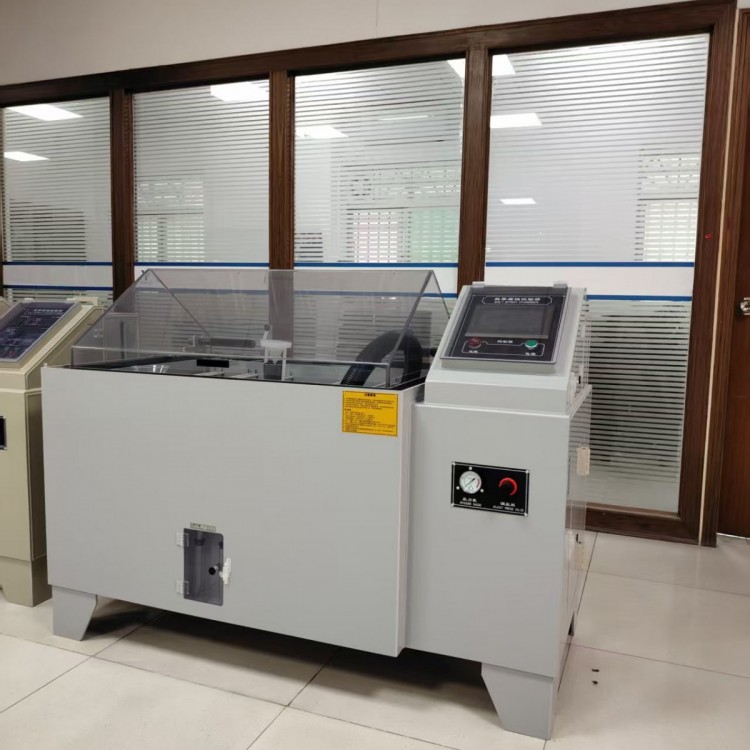
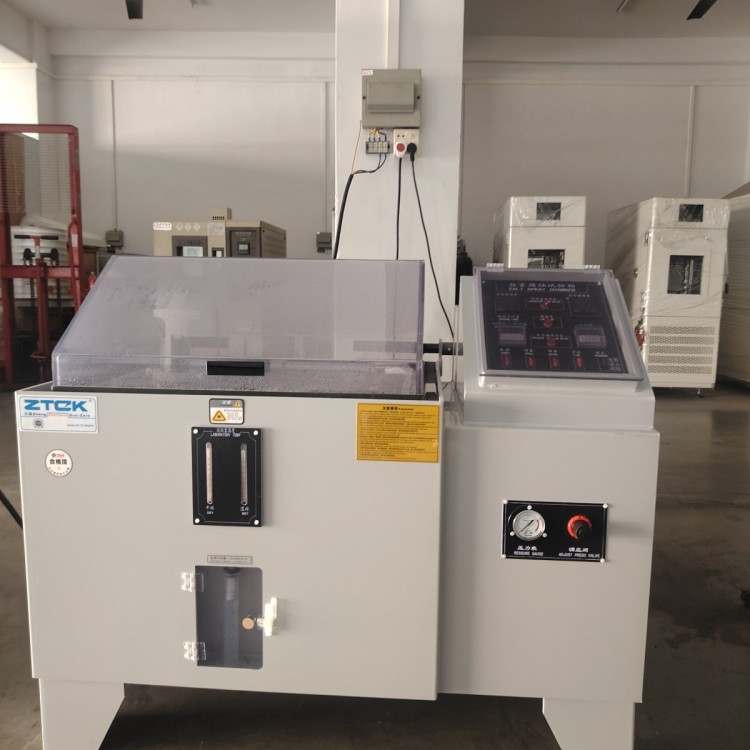
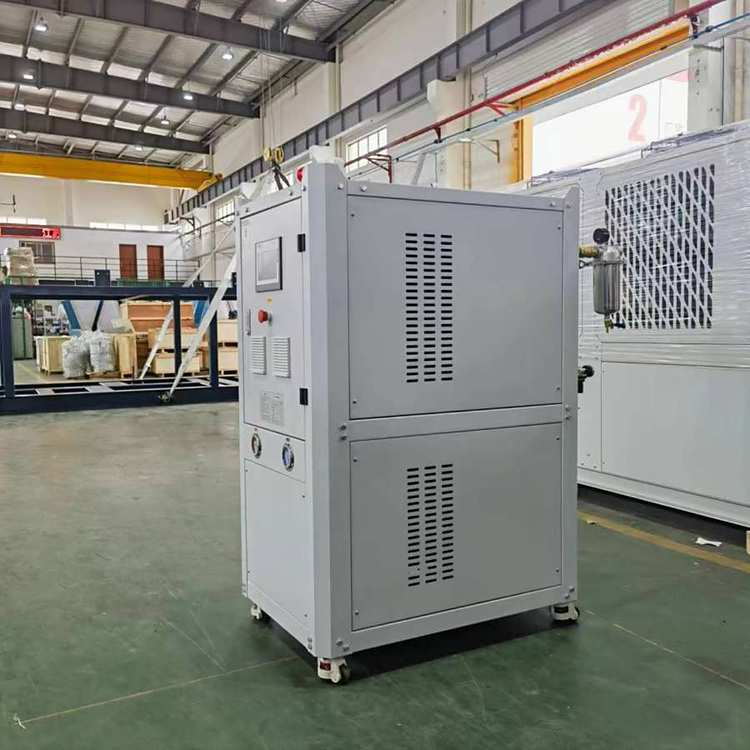
The Sodium Chloride Spray Test Chamber is a device that simulates a diffused system composed of micro-droplets of salt in the atmosphere. It evaluates the corrosion resistance of products that have undergone anti-corrosion treatments such as painting, coating, electroplating, cathodic treatment, and rust-proof oil on various surface materials. It is widely used for salt spray corrosion tests on electronics, electrical appliances, automobiles, motorcycles, hardware, plastics, FPC flexible boards, electroplating products, and more.
II. Specifications:


The following meet the execution standards:
Sodium Chloride SprayTest chamber's own equipment technical standards
Manufacturing, performance, safety, and calibration requirements for sodium chloride spray test chambers, ensuring that equipment produced by different manufacturers operates under uniform and reliable conditions, with the core objective of guaranteeing the repeatability and comparability of test results.
Primary International/National equipment standards include:
1、GB/T 10587-2006Salt Spray Test Chamber Technical Conditions
· This is the Chinese National Standard, an authoritative technical specification for the salt spray test chamber equipment itself. It specifies in detail the structure, materials, temperature uniformity, sedimentation amount, and salt spray particle size of the key technical parameters.
2、IEC 60068-2-11Environmental Testing -2-11Partial: TestKaSalt Spray
· The standards of the International Electrotechnical Commission, although primarily a testing method standard, the requirements for testing equipment (salt spray chamber) are also widely regarded as the design and verification criteria for the equipment.
3、ASTM B117 - Standard Practice for Operating Salt Spray (Fog) Apparatus
· The standard of the American Society for Testing and Materials (ASTM), which is the most widely used salt spray test method globally. It explicitly specifies the requirements for the structure of the salt spray cabinet, the spray system, temperature control, and more in the "Equipment" section, serving as a guideline that equipment manufacturers must adhere to.
4、ISO 9227"Artificial Atmosphere Corrosion Test - Salt Spray Test"
· International Organization for Standardization (ISO) standards, withASTM B117Similarly, it serves as both a method standard and includes detailed equipment specifications. Commonly used in European and many international projects.
█Standard Test Method for Tests Conducted in a Sodium Chloride Spray Test Chamber
These standards specify how to conduct specific corrosion tests, including sample preparation, solution preparation, test cycles, and result assessment. Users select different testing methods based on the industry and purpose of their product.
The most common types of salt spray tests and corresponding standards:
1Neutral Salt Spray Test
· Standard Number:ASTM B117, ISO 9227-NSS, GB/T 10125-2021
· Features: Most basic and commonly used test. Use5%Sodium chloride solutionpHNeutral Value Adjustment6.5~7.2), the test temperature is generally35°C。
· Application: Widely used for rapid corrosion resistance identification of metals and their alloys, metallic coatings, organic coatings, etc.
2Acetate Mist Test
· Standard Number:ISO 9227-AASS, ASTM G85-Annex A1, GB/T 10125-2021
· Features: AtNSSBased on testing, by adding glacial acetic acid, the collected liquidpHValue reduced to approximately3.1~3.3Corrosion rate comparisonNSSTesting is faster.
· Application: Primarily used for copper+Nickel+Chrome or Nickel+Chrome and other decorative coatings are also used in accelerated corrosion tests for aluminum alloys.
3Copper Accelerated Acetic Acid雾试验
· Standard Number:ISO 9227-CASS, ASTM B368, GB/T 10125-2021
· Features: OnAASSOn the basis of the test, copper chloride is then added to further accelerate corrosion. The test temperature is generally50°CThis is the fastest corroding in all salt spray tests.
· Application: Primarily used for copper+Nickel+Chrome-plated or nickel-plated+Chrome plating undergoes rapid, stringent quality inspections.
4Cyclic Corrosion Test
· This is a more advanced testing concept, encompassing not only salt spray, but also stages like drying, moistening, and condensation, more accurately simulating the wet and dry cycles of the natural environment.
· Common Standards:
Automotive Industry:SAE J2333, GM 9540P, VOLVO VCS 1027,1491, Ford CETP 00.00-L-467
· General Standards:ASTM G85, ISO 11997-1, GB/T 20853 / 20854China Standard for Metal Coating Cyclic Corrosion Test
· The correlation between the cyclic test results and actual outdoor corrosion is much better than that of the traditional continuous salt spray test.