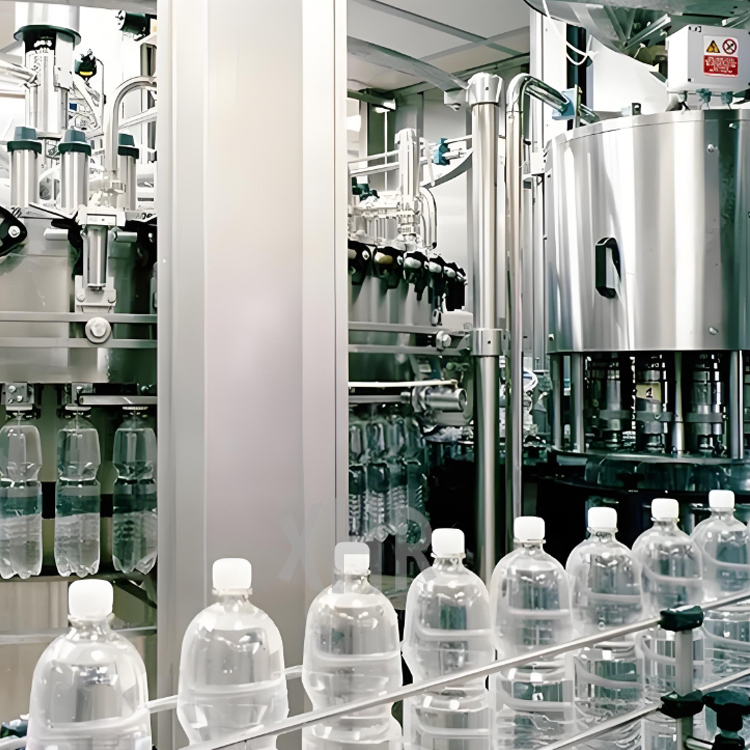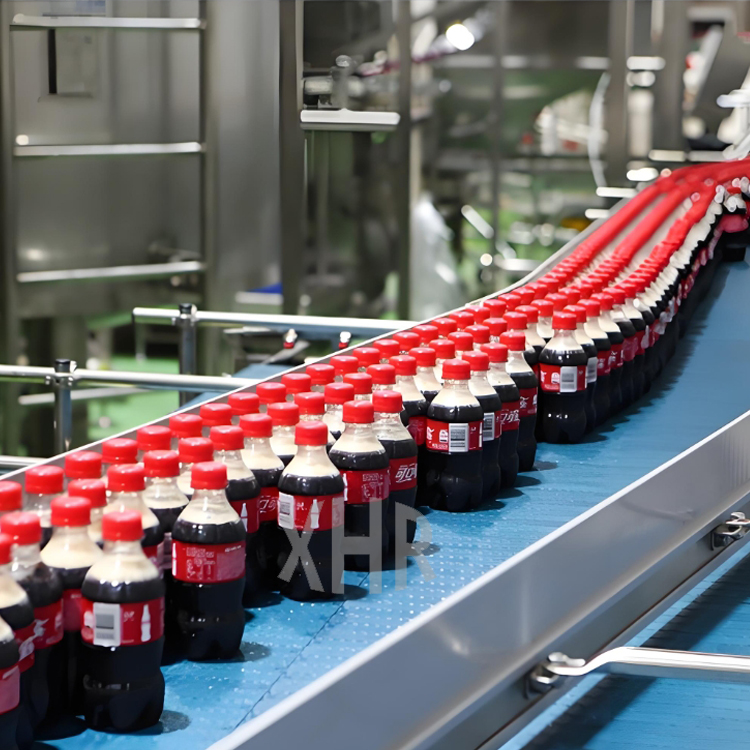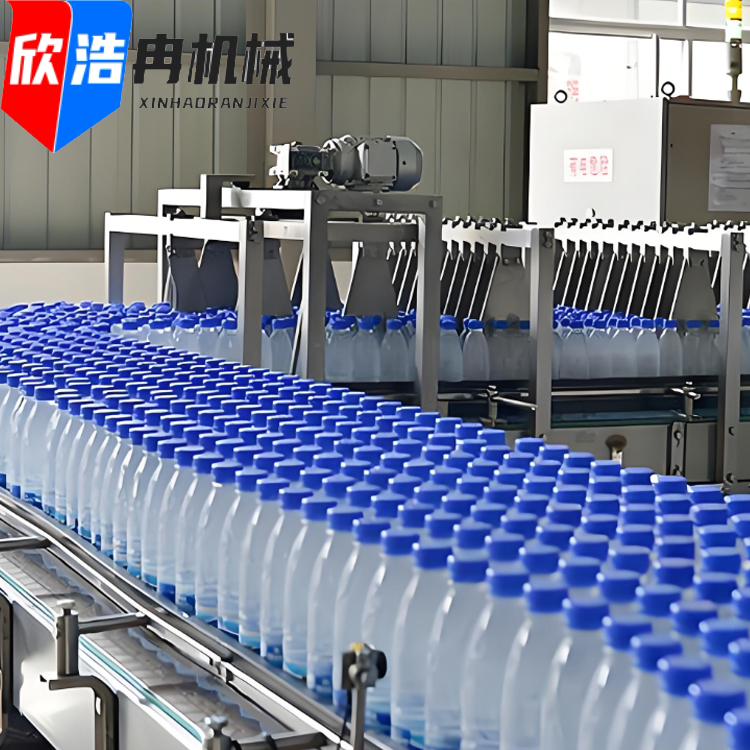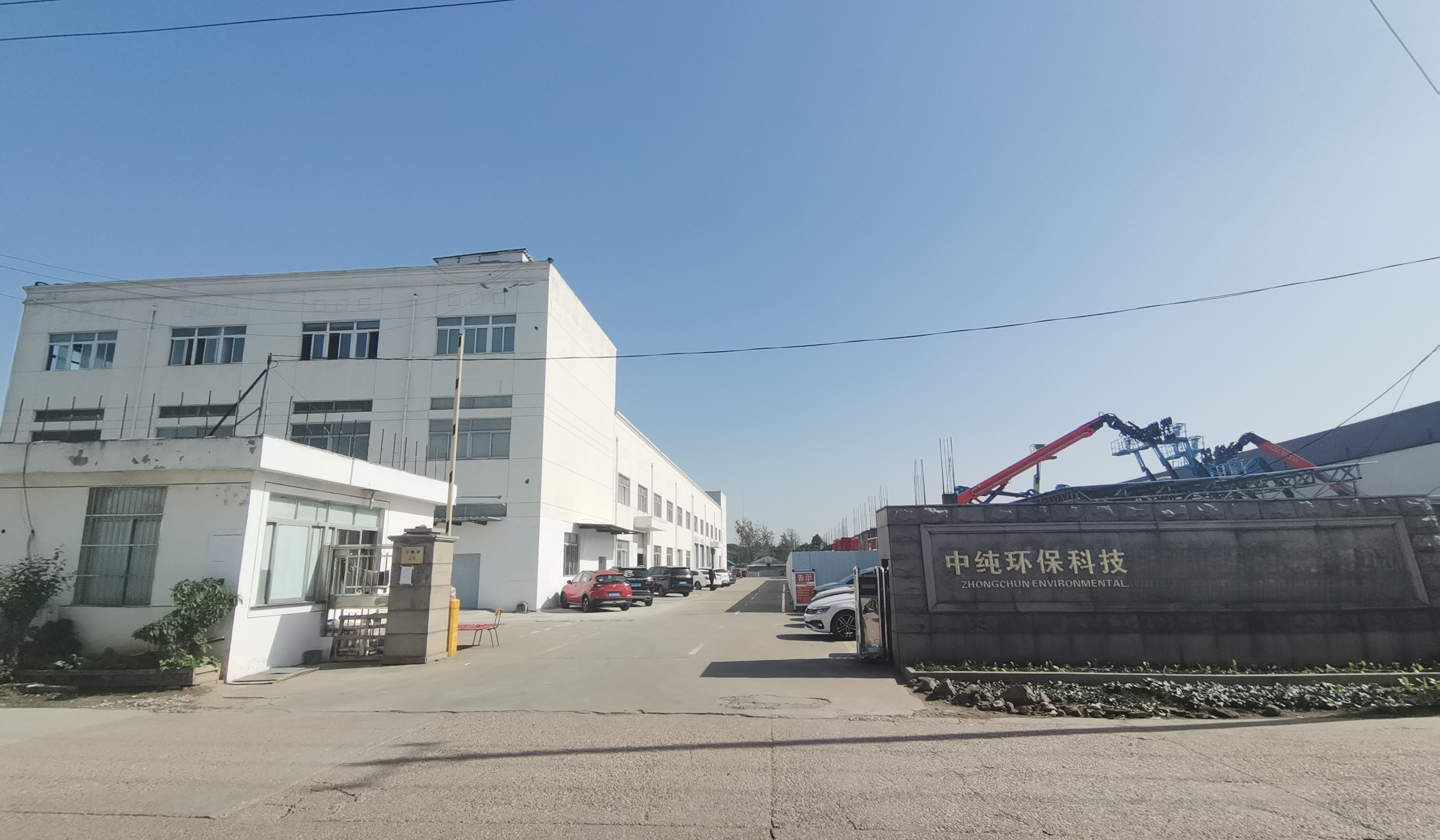


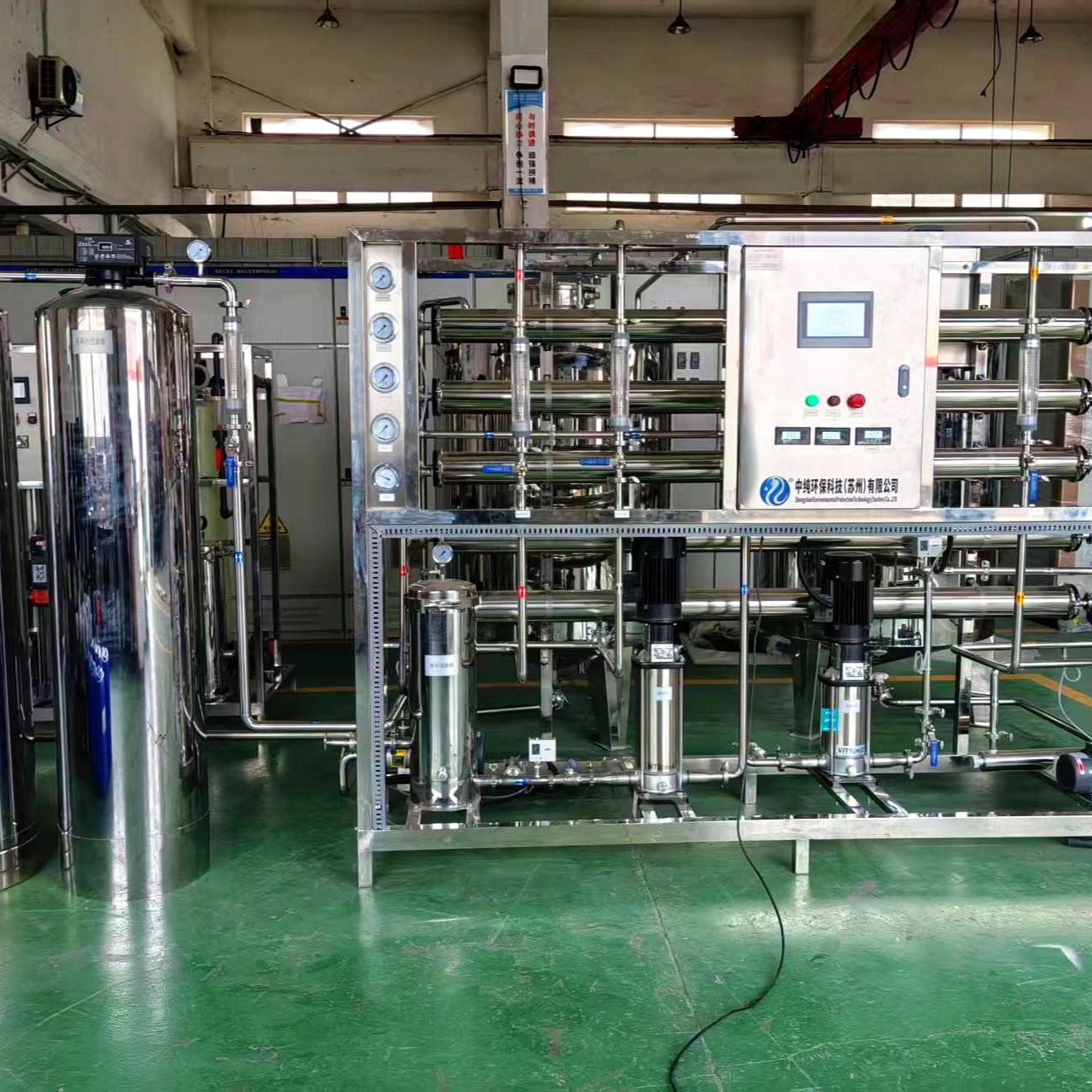
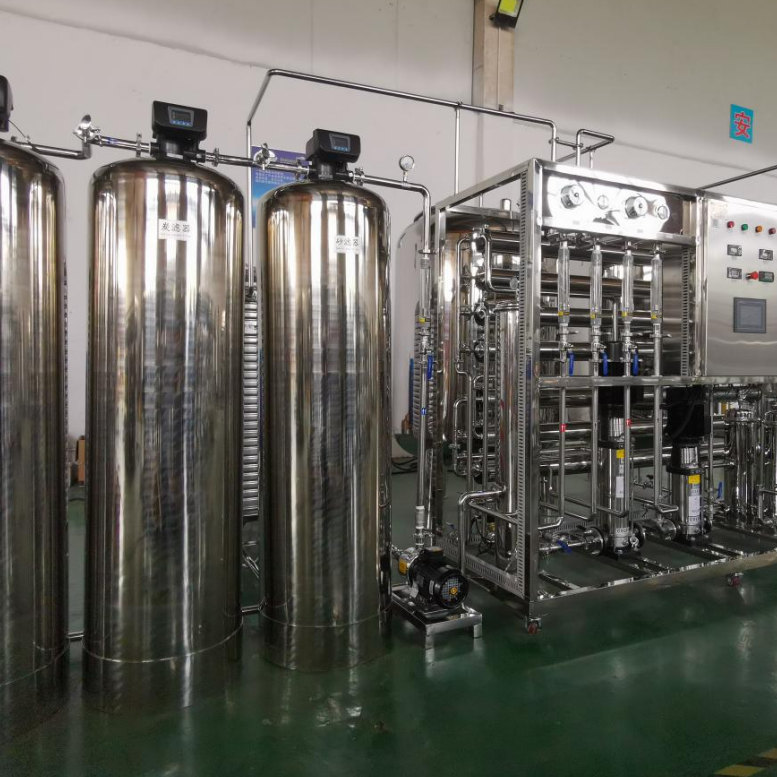


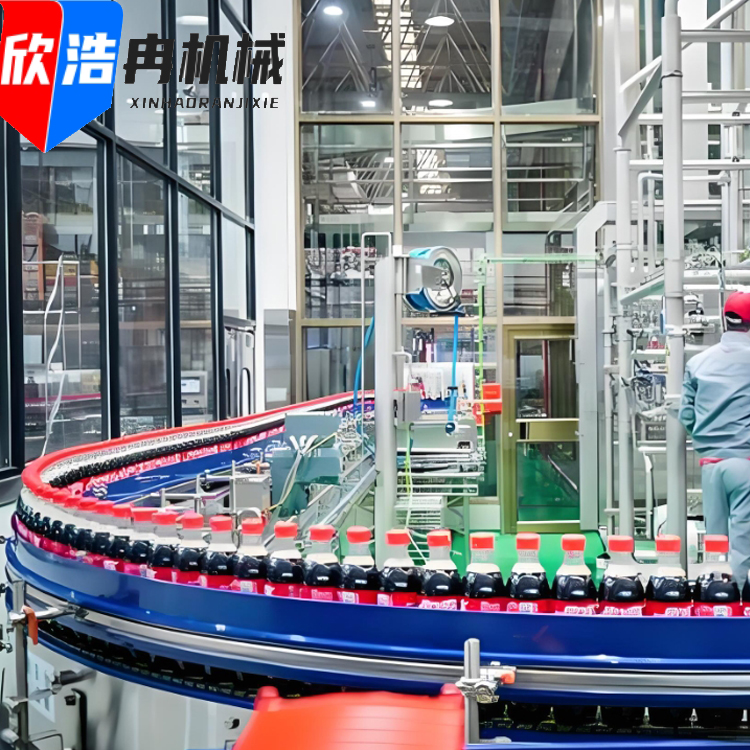
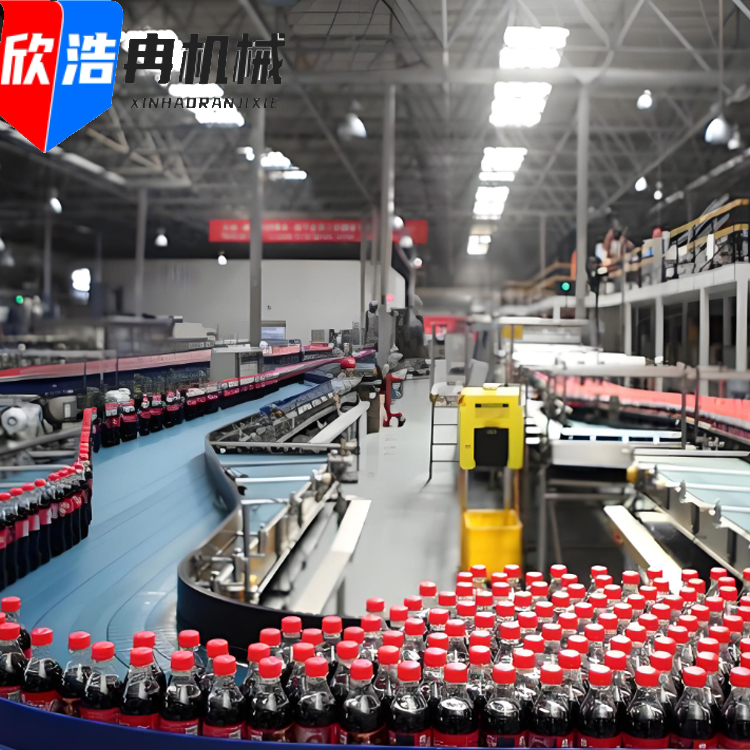
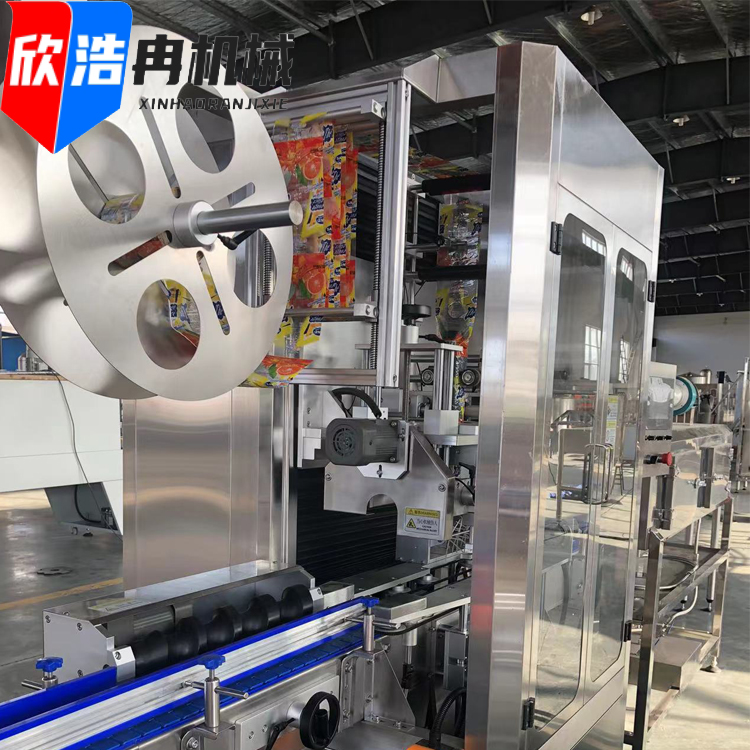
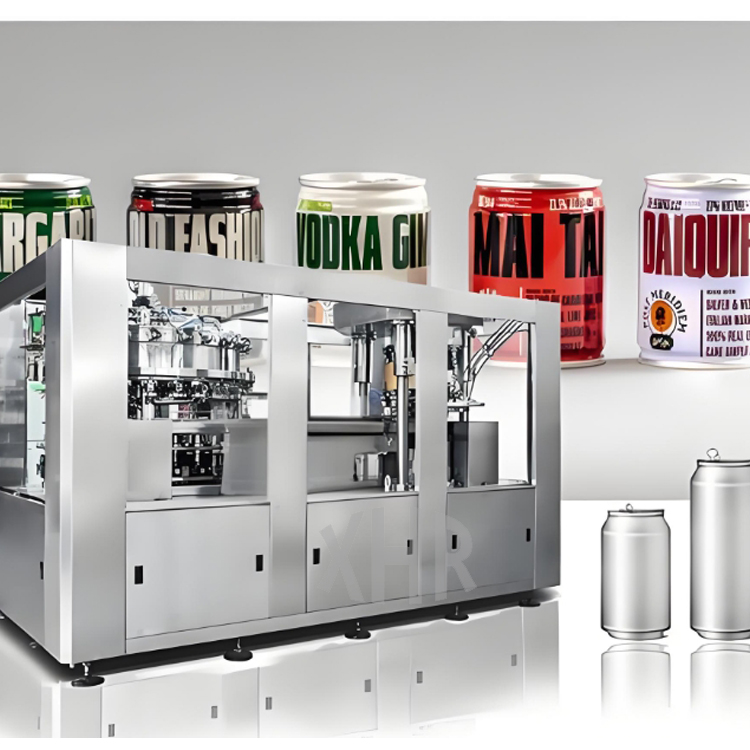
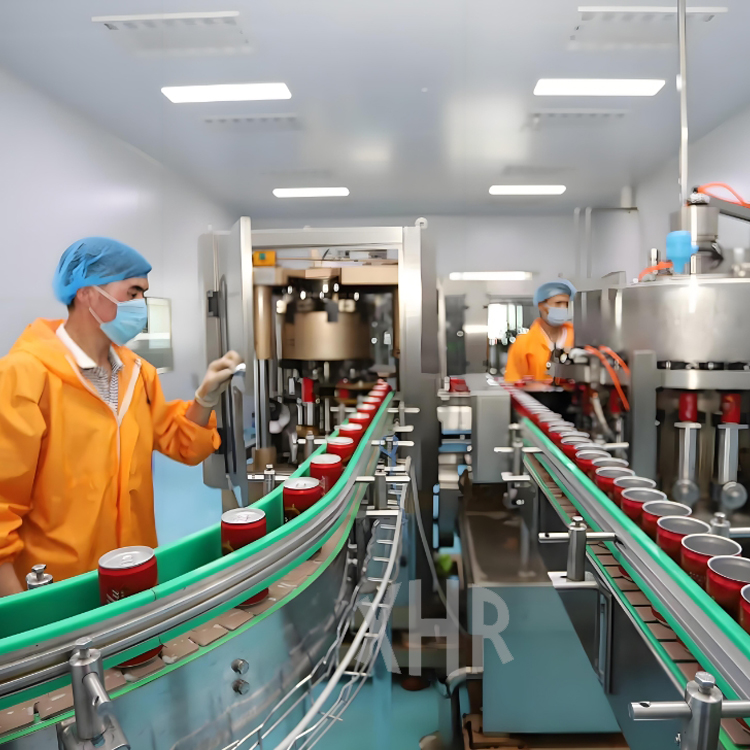





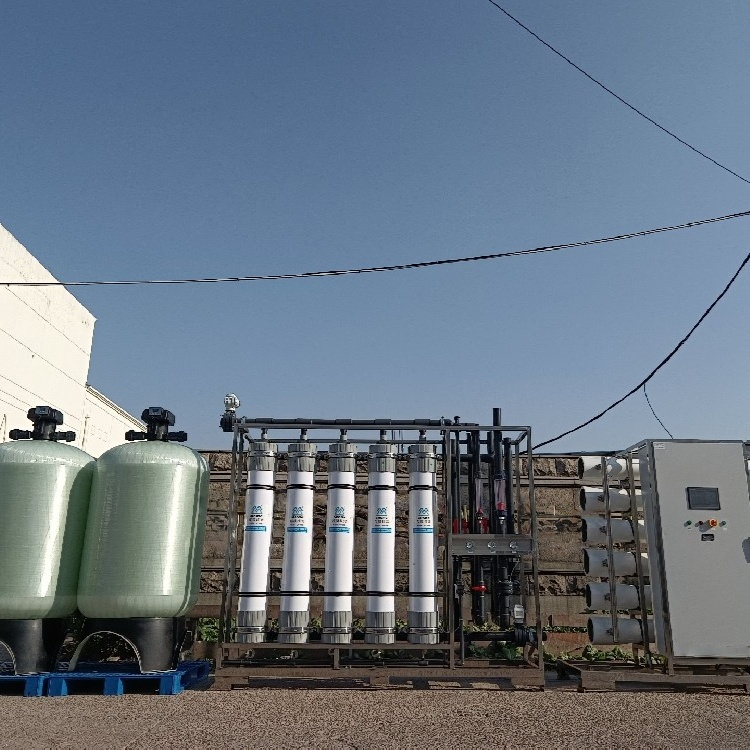
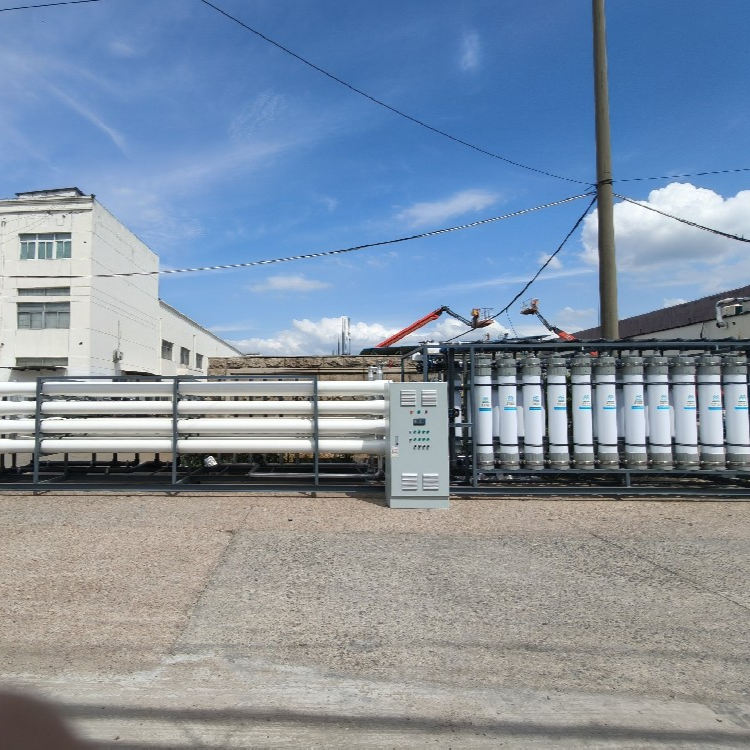
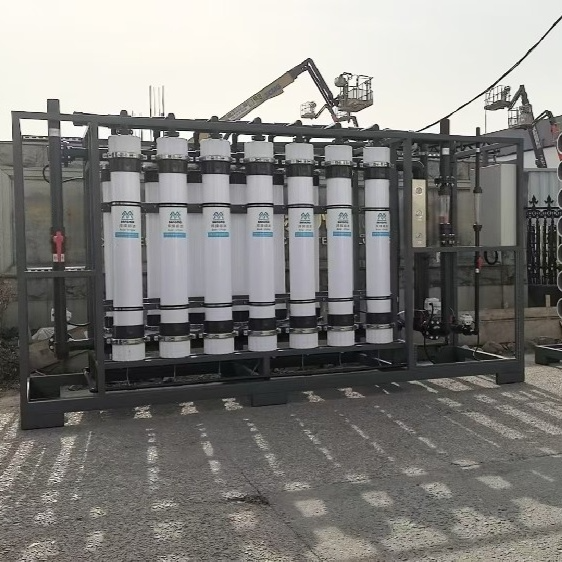
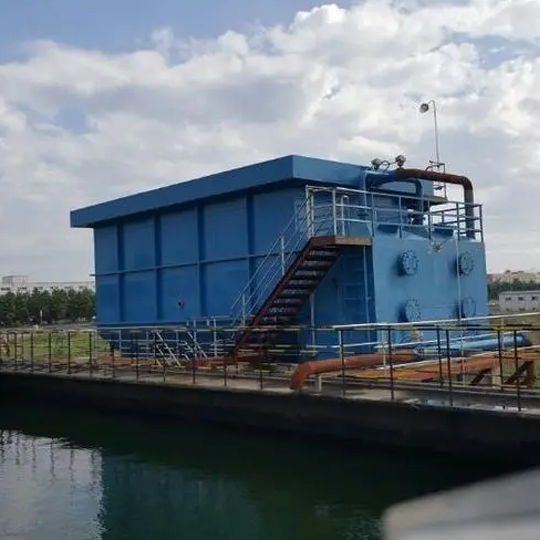
Primary Applications: Biopharmaceuticals, in vitro diagnostic reagents, medical devices, pharmaceutical industry, oral liquids, cosmetics, food, large-volume parenterals, pharmaceutical preparations, genetic engineering, kidney dialysis, etc., water for use, disinfectants, nonwoven industry, medical and health supplies (gauze, masks, wet wipes, protective suits, medical gloves,引流 tubes, etc.)

※ Pure Eco-Friendly Brand ''Design Advantages'':
1. Personalized one-on-one service, complimentary on-site survey, considering placement area and access space, and free original water quality testing.
2. Understand the customer's full-day water demand, peak water usage, quality requirements, and familiarize with the customer's production process and industry characteristics.
3. Professional team collaboration with design, coupled with on-site inspections by dedicated service personnel, and one-stop water treatment solution services.
4. Intelligent design with precise control and high level of automation. Units can achieve automatic forward/backflushing and operation, with interlock protection and alarm indication. Features 4-20mA data openness, allowing remote transmission to the DCS control system, truly achieving unattended operation.
5. Segmentally inspect according to process requirements, capable of measuring conductivity, resistivity, pH, ORP, temperature, flow rate, velocity, and pressure, ensuring that water meets quality standards at every process stage without contaminating the finished product water downstream. Emphasize process control.
6. Design products that balance comprehensive input and operational costs, tailored to meet customer needs.
※Pure Environmental Protection Brand 『Production Advantages』:
1. Core components are all imported, and we have established long-term cooperative relationships with numerous international brands such as American DOW, Hydrosphere, GE, Siemens, Rhone-Poulenc, Danish Grundfos, Rosemount, Japanese Asahi Kasei, and Schneider, ensuring reliable product quality.
2. Suppliers conduct product evaluations, eliminating subpar quality and service providers, and selecting the best to be enrolled in the qualified supplier system.
3. Strictly adhere to the quality management system; quality is paramount. Conduct incoming material appearance and performance inspections, production process inspections, and final product quality checks.
4. Production staff produce according to assigned numbers, schedule in groups, with responsibility division, and establish a performance assessment system with strong traceability.
5. Pre-delivery trial operation inspection and electrical point operation test to ensure delivery of qualified products to the customer.
※ Pure Eco-Friendly Brand 『After-Sales Advantage』:
1. A professional installation and after-sales team provides one-on-one service, enhancing the timeliness of post-installation after-sales support and improving customer satisfaction.
2. Establish a post-installation after-sales service mechanism, conduct performance evaluations, set up a customer service department, a complaint hotline, and promptly address customer needs.
3. Full guidance and training throughout the installation and debugging process, including theoretical training, hands-on machine operation training, and general troubleshooting training.
4. Establish customer electronic profiles, conduct monthly phone follow-ups, and promptly provide methods and suggestions for reducing equipment operation costs.
5. Multiple channels for after-sales feedback, nationwide after-sales maintenance services, quick response, fast handling, 24/7 service.
6. We solemnly promise: two-year free warranty for the entire unit, lifetime free technical support.
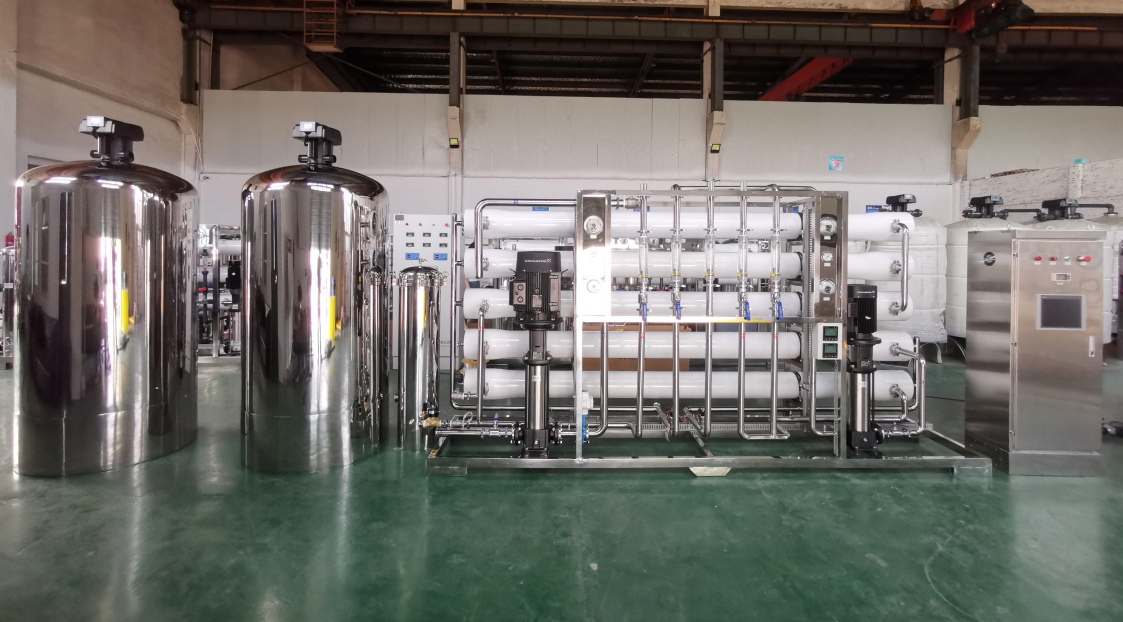
I. GMP Pharmaceutical Purified Water Production Process:
1. Grade II RO: Water conductivity ≤ 2us/cm (at 25℃), all other specifications comply with current pharmacopoeia GMP/FDA purified water standards.
Source Water → Source Water Tank → Booster Pump → Sand Filter → Carbon Filter → Softener → Security Filter → High-pressure Pump → Primary Reverse Osmosis → Primary Water Tank → PH Adjustment → High-pressure Pump → Secondary Reverse Osmosis → Purified Water Tank → UV Sterilizer → Pure Water Transfer Pump → Fine Filter → Water Usage Point → Return to Purified Water Tank
Note: Use point-of-loop sterilization: Ozone sterilization/Batch pasteurization/Hydrogen peroxide sterilization
2. Grade 1 RO+EDI: Water conductivity ≤ 0.2 us/cm (25°C), all other specifications meet the current pharmacopoeia GMP/FDA purified water standards.
Source Water → Source Water Tank → Booster Pump → Sand Filter → Carbon Filter → Softener → Security Filter → High-Pressure Pump → First Stage Reverse Osmosis → First Stage Water Tank → Booster Pump → Fine Filter → EDI Desalination Unit → Purified Water Tank → UV Sterilizer → Pure Water Transfer Pump → Fine Filter → Water Usage Point → Return to Purified Water Tank
Note: 1. Use point-of-loop sterilization: Ozone sterilization/Batch sterilization/Hydrogen peroxide sterilization
2. This process is suitable for areas with good source water.
3. Grade 2 RO+EDI: Product water resistivity ≥15 MΩ·cm (25°C), all other specifications comply with current pharmacopoeia GMP/FDA purified water standards.
Source Water → Source Water Tank → Booster Pump → Sand Filter → Carbon Filter → Softener → Security Filter → High-pressure Pump → First-stage Reverse Osmosis → First-stage Water Tank → PH Adjustment → High-pressure Pump → Second-stage Reverse Osmosis → Second-stage Water Tank → Booster Pump → Fine Filter → EDI Desalination Unit → Purified Water Tank → UV Sterilizer → Pure Water Delivery Pump → Fine Filter → Water Usage Point → Return to Purified Water Tank
Note: 1. Utilize point-of-loop sterilization: Ozone sterilization/Batch pasteurization/Hydrogen peroxide sterilization
2. Suggest using the process
4. Grade 1 RO + Grade 3 Mixed: Water production resistivity ≥ 5 MΩ.CM (25℃), all other specifications comply with current pharmacopoeia GMP/FDA purified water standards.
Raw Water → Activated Carbon Filter Core → 10um Filter Core → 5um Filter Core → High Pressure Pump → Reverse Osmosis (RO) System → Primary Polishing Mixed Bed → Secondary Polishing Mixed Bed → Tertiary Polishing Mixed Bed → Fine Filter → Pure Water Storage Tank → UV Sterilizer → Pure Water Delivery Pump → Fine Filter → Water Usage Point → Return to Pure Water Storage Tank
Note:
1. Sterilization via point-of-loop piping: Ozone sterilization / Pasteurization / Peroxide sterilization
2. Suitable for small purification water units: Flow range: 50L/H - 200L/H
For more product details, please call our 24-hour hotline at 18550863818 or our service hotline at 0512-69390898.
We will provide you with detailed plans, drawings, and competitive quotes for your reference and selection!
※ Phone consultation available with 10% discount, welcome to call!
Section 2: GMP Pharmaceutical Purified Water Automatic Control Instructions:
1. The original pump is controlled in series by the liquid level sensor on the raw water tank. When the liquid level in the raw water tank reaches the mid-limit, the original pump automatically starts according to the system settings. When the raw water tank is at low water level, the pump stops delivering to prevent damage from operating without water. The pump can restart供水 only when the liquid level in the raw water tank returns to the mid-limit.
2. Sand filtration, carbon filtration, and softened water's pretreatment, backwashing, and regeneration are all fully automated. The flushing cycle is determined through actual verification.
3. The primary high-pressure pump is controlled by the system operation program in a连锁 manner; when the system start-up pressure reaches the required value, the PLC sends a signal, and the primary high-pressure pump automatically starts. The pump's inlets and outlets are designed with high and low-pressure protection pressure switches; if the inlet and outlet pressures exceed the limits, the primary high-pressure pump stops automatically according to the operational program settings to prevent damage from working under low pressure or from high pressure damaging the reverse osmosis membrane. When the primary high-pressure pump stops due to overloading of pressure, temperature, or power, the system emits an alarm according to the operational program settings. The primary high-pressure pump can only be restarted by the operator after the fault is resolved.
4. The secondary high-pressure pump is controlled by the intermediate tank's liquid level interlock; when the intermediate tank's liquid level reaches or exceeds the middle limit level, the PLC sends a signal, and the secondary high-pressure pump automatically starts; when the intermediate tank's liquid level falls below the low-low limit level, the PLC sends a signal, and the secondary high-pressure pump automatically stops to prevent damage from operating at low pressure; the outlet of the secondary high-pressure pump is designed with a high-pressure protection device. If the outlet pressure exceeds the limit, the secondary high-pressure pump stops automatically according to the operating program settings to prevent damage to the reverse osmosis membrane under high pressure; when the secondary high-pressure pump stops due to overloading of pressure, temperature, or power, the system emits an alarm according to the operating program settings; the secondary high-pressure pump can only be restarted by the operator after the fault is resolved.
5. The reverse osmosis unit is equipped with sufficient online instruments that can visually reflect the unit's operating status, including a pressure gauge, flow meter, conductivity, pH, etc. An on-site control panel is set up for local operation and control.
6. The first-grade reverse osmosis design features an automatic flushing function. The system automatically enters a low-pressure, high-flow flushing state according to the operational program settings after each startup or 4-6 hours of operation, with a flushing duration of 15-30 seconds.
7. The EDI unit is equipped with sufficient online gauges to visually reflect the unit's operating status, including pressure gauges, flowmeters, and conductivity meters, with local control panels set up for on-site operation and control. The EDI unit is interlocked with the system's operational program for连锁 control:
8. The EDI unit is equipped with a low-water protection device at the inlet, designed to prevent damage to the EDI unit from operating without water.
9. Continuous monitoring of the conductivity online continuity of the EDI unit, interlocking control of the EDI water conductivity detection unit and the EDI outlet qualified and unqualified valves; automatically open the EDI outlet unqualified valve and close the qualified valve when the EDI water conductivity exceeds the limit; automatically close the unqualified valve and open the qualified valve when the EDI water conductivity returns to the set standard, preventing unqualified water from contaminating the finished water.
10、NaOHThe addition unit is controlled fully automatically, equipped with a metering pump that automatically injects diluted NaOH solution into the pipeline. The metering is precise, with a lightweight overall design and accurate speed control, unaffected by heat sources or electromagnetic interference. It can adjust the dosage appropriately based on water volume and flow rate changes through the metering pump, and automatically add chemicals. This metering pump is linked with the primary high-pressure pump to strictly control the pH value of the secondary reverse osmosis feedwater, ensuring the stable quality of the secondary RO product water.
11. During system operation, when the pure water storage tank is full, the secondary RO and EDI systems continue to run continuously. The EDI product water is recycled to the intermediate water tank, achieving an internal small circulation to reduce the risk of dead water in the system and minimize the risk of microbial growth.
12. The purified water storage tank is monitored and controlled by the liquid level gauge within the tank, equipped with a level gauge with a 4-20mA signal output for static pressure level control. The purified water storage tank is set up with 4 liquid level points:
13. The purified water transfer pump is controlled by the liquid level chain of the purified water storage tank; when the liquid level in the storage tank reaches the mid-limit, the pump automatically starts according to the system settings; when the liquid level is low, the pump stops transferring to prevent damage from operating without water; the pump will only automatically restart供水 when the liquid level in the storage tank recovers to the mid-limit or exceeds it.
14. The recirculation monitoring system on the dot loop pipeline is set up for a 4-20mA signal output. The recirculation water flow rate is automatically frequency-controlled by the pure water delivery pump through the feedback signal of the recirculation flow meter to adjust the recirculation water flow, ensuring that the recirculation water flow rate is not less than the set flow rate value (recommended set value: 1.0-2.0 m/s).
15. Continuous monitoring of the return water conductivity in the purified water storage and distribution system. The return water conductivity detection device, the return water qualified valve, and the return water discharge valve are interlocked for control. When the detected return water conductivity exceeds the limit, the return water qualified valve is automatically closed, and the return water discharge valve is simultaneously opened to automatically discharge; when the return water conductivity returns to the set standard, the return water discharge valve is automatically closed, and the return water qualified valve is opened.
Section 3: GMP Pharmaceutical Purified Water Validation Documents
Filter, Pipe, Valve Material Report
2. Certificates of conformity, manuals, for accessories of filters, pipes, valves, pumps, instruments, etc.
3. Certificate of Conformity, Instruction Manual
4. Filter Core Integrity Test Report
5. Filter and Pipeline Pressure Test Record Report
6. Pipe Pickling and Passivation Report
7. Automatic Welding Records
8. Offer internal inspection images: 20% of the automatic welding points, 99.999% of the manual welding points
9. Instrument Calibration Report and Certificate
10. Third-party Water Quality Monitoring Report
11. Provide DQ, FAT, SAT, IQ, PQ, OQ validation documents required for the user's equipment.
IV. Introduction to Core Components of GMP Pharmaceutical Purified Water System
1. Reverse Osmosis (RO) System
Reverse osmosis (RO) membranes, also known as hyper-filtration, are a cutting-edge membrane separation technology invented by Loeb and Sourirtajan of the University of California, Los Angeles in 1960. Their pore size is as small as nanometers (1 nanometer = 10^-9 meters). Under certain pressure, H2O molecules can pass through the RO membrane, while inorganic salts, heavy metal ions, organic matter, colloids, bacteria, viruses, and other impurities in the source water cannot pass through the RO membrane, thereby strictly separating pure water that can pass through from concentrated water that cannot.
Principle: Osmosis is a physical phenomenon. When two bodies of water with different salt concentrations are separated by a semi-permeable membrane, it is observed that the water on the side with lower salt concentration will渗透 through the membrane until the salt concentrations are equalized. However, this process takes a considerable amount of time and is known as natural osmosis. If pressure is applied to the side with higher salt concentration, the osmosis can be halted, and this pressure is referred to as osmotic pressure. By increasing the pressure, water can be made to permeate in the opposite direction, leaving the salt behind. The principle of reverse osmosis desalination is to apply a pressure greater than the natural osmotic pressure to saltwater (such as raw water), causing the osmosis to occur in the opposite direction, forcing water molecules to the other side of the membrane, resulting in clean water. This process effectively removes salt from the water.
Reverse osmosis membranes utilize aromatic polyamide spiral wound composite membranes. The reverse osmosis unit consists of composite membrane elements, high-pressure pumps, fiberglass pressure vessels, chemical cleaning equipment, brackets, and an instrument control cabinet. Equipped with a local control panel, which is fitted with various local instruments and control buttons. The reverse osmosis unit is controlled by a PLC for fully automatic operation. It is also equipped with flow meters, pressure gauges, conductivity meters, and more.
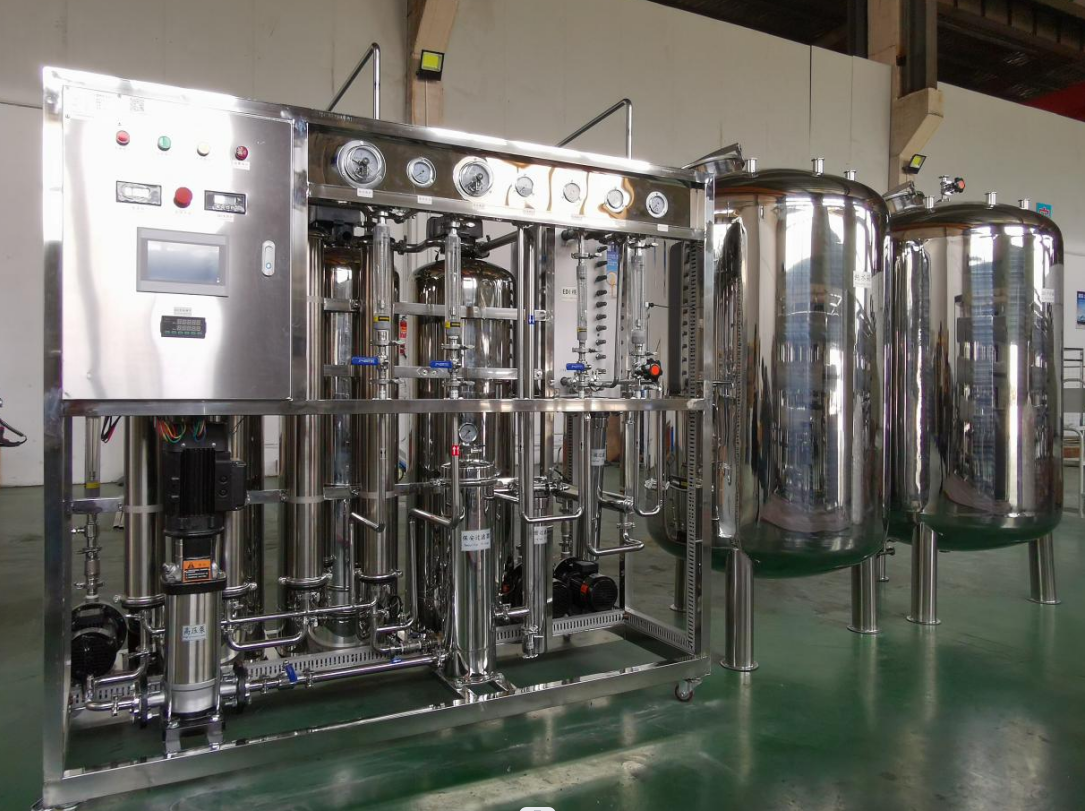
2. EDI Demineralization System
EDI equipment, Continuous Electrical Deionization (EDI), utilizes mixed ion exchange resins to adsorb the positive and negative ions in the feedwater. These adsorbed ions are then removed by passing through anion and cation exchange membranes under the effect of direct current voltage. The ion exchange resins in this process are electrically continuously regenerated, thus eliminating the need for acids and alkalis for regeneration. This new technology can replace traditional ion exchange (DI) units to produce ultra-pure water with resistivity ≥15MΩ.CM.
Ion exchange membranes and ion exchange resins operate on similar principles, selectively allowing ions to pass through. A cation exchange membrane only permits cations to pass, not anions, while an anion exchange membrane only allows anions to pass, not cations. Filling the space between a pair of these membranes with mixed ion exchange resins creates an EDI unit. The space occupied by the mixed ion exchange resin between the anion and cation exchange membranes is called the freshwater chamber. Arranging a certain number of EDI units in a row, with alternating anion and cation exchange membranes, and adding special ion exchange resins between them, forms the concentrate chamber. Under the influence of a given DC voltage, in the freshwater chamber, the anions and cations in the ion exchange resins migrate towards the positive and negative poles, respectively, and pass through the anion and cation exchange membranes into the concentrate chamber, while ions in the feedwater are adsorbed by the ion exchange resins, filling the voids left by the ion electrical migration. In fact, ion migration and adsorption occur simultaneously and continuously. Through this process, ions in the feedwater pass through the ion exchange membranes into the concentrate chamber and are removed, becoming desalinated water. Negatively charged anions (e.g., OH-, Cl-) are attracted to the positive pole (+) and pass through the anion exchange membrane into the adjacent concentrate chamber. Later, these ions encounter the adjacent cation exchange membrane while migrating towards the positive pole, which does not allow anions to pass, so these ions are blocked in the concentrate. Cations in the freshwater flow (e.g., Na+, H+) are blocked in the concentrate chamber in a similar manner. In the concentrate chamber, ions passing through the anion and cation membranes maintain electrical neutrality. The electrical current and ion migration in the EDI component are proportional. The electrical current consists of two parts: one from the migration of the removed ions and the other from the migration of H+ and OH- ions produced by the electrical ionization of water itself. There is a high voltage gradient in the EDI component, under which water undergoes electrolysis, producing a large amount of H+ and OH-. These locally produced H+ and OH- continuously regenerate the ion exchange resins. The ion exchange resins in the EDI component can be divided into two parts: working resin and polishing resin, with the boundary between them being the working front. The working resin is responsible for removing most of the ions, while the polishing resin is responsible for removing weak electrolytes and other difficult-to-remove ions.
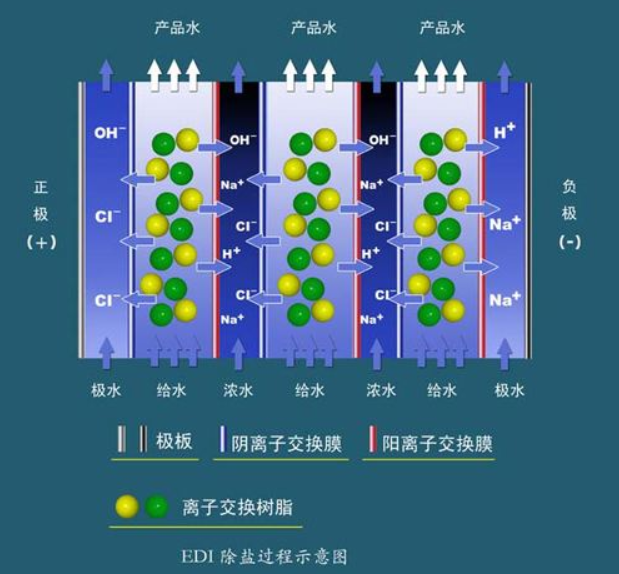
Features of EDI
1. No need for acid/base regeneration, no acid/base storage or dilution transport facilities required; safe and reliable use, avoiding worker exposure to acids and bases
2. Saved on recycled water and wastewater treatment facilities
3. Reduced operational and maintenance costs
4. Compact footprint, easy installation, and high water yield (up to 90-95%)
5. Continuous operation, stable product water quality, no downtime due to regeneration
3. Pharmaceutical Water Supply
1) Purified and pharmaceutical water should be conveyed by stainless steel pumps that are easy to dismantle for cleaning and disinfection. In cases where compressed air or nitrogen is required to convey purified water or water for injection, the compressed air and nitrogen must be purified.
2) Purified water should be conveyed through a recirculating pipeline. The pipeline design should be simple, avoiding dead ends and blind spots, and must meet the 3D standards required by GMP. Threaded connections are not permitted. The pipeline should be made of stainless steel or other materials proven to be non-toxic, corrosion-resistant, and non-leaching of polluting ions. Valves should be of a sanitized, dead-end-free design (sanitary diaphragm valves are recommended), and the direction of flow should be clearly marked when conveying purified water.
3) Pipelines and pumps for conveying purified and injectable water should be regularly cleaned, disinfected, and sterilized. They can only be put into use after verification of compliance.
8. Design of pressure vessels must be undertaken by licensed entities and qualified personnel, and must comply with the relevant provisions of the People's Republic of China's National Standard for Steel Pressure Vessels (GB150-80) and the "Safety Supervision Regulations for Pressure Vessel Technologies."
V. Standard for Pharmaceutical Purified Water / Ex Vivo Diagnostic Reagents Water
(1) Current Edition of China Pharmacopoeia GMP Purified Water Requirements
Appearance: Colorless clear liquid, odorless, tasteless
2. PH:5.0~7.0
Ammonia: ≤0.3 mg/L
Conductivity: ≤1 us/cm@25℃
Total Organic Carbon: ≤0.5 mg/L
6. Non-volatile matter: ≤0.1 mg/L
7. Heavy Metals: ≤0.1 mg/L
Microorganisms: ≤50 CFU/ml (Regulatory Standard: Use R2A agar medium, incubate at 30~35℃ for not less than 5 days, and test in accordance with regulations (General Method 1105). The total aerobic bacteria in 1mL of the test sample shall not exceed 100 CFU.)
(II) Standard for Water Used in In Vitro Diagnostic Reagents YY/T 1244-2014
1. This product should be colorless and transparent liquid.
Conductivity: ≤1 μS/cm @ 25℃
3. Microorganisms: 50 cfu/ml
4. Total Organic Carbon: <500 μg/L
5. Other indicators are executed according to the purified water standard.
Section 6: Selected Classic Customer Cases:
Section 7: National Warranty and Service Network
1. Professional installation and after-sales team, providing one-on-one service, enhancing the timeliness of post-installation after-sales service and improving customer satisfaction.
2. Establish a post-installation after-sales service system, conduct performance evaluations, set up a customer service department, a complaint channel, and promptly address customer concerns.
3. Full guidance and training throughout the installation and debugging process, including theoretical training, hands-on machine operation training, and general troubleshooting training.
4. Establish customer electronic profiles, conduct monthly phone follow-ups, and promptly provide methods and suggestions for reducing equipment operating costs.
5. Multiple channels for after-sales feedback, offering nationwide after-sales maintenance services, quick response, rapid handling, 24/7 service.
6. We solemnly promise: Two-year free warranty for the entire unit, lifetime free technical support.
For more product details, please call our 24-hour hotline at 18550863818 or our service hotline at 0512-69390898.
We will provide you with detailed plans, drawings, and competitive quotes for your reference and selection!
※Phone consultation available, enjoy 10% off! Welcome to call!