








Manganese Sand
Water Treatment Iron Removal/Manganese-Free

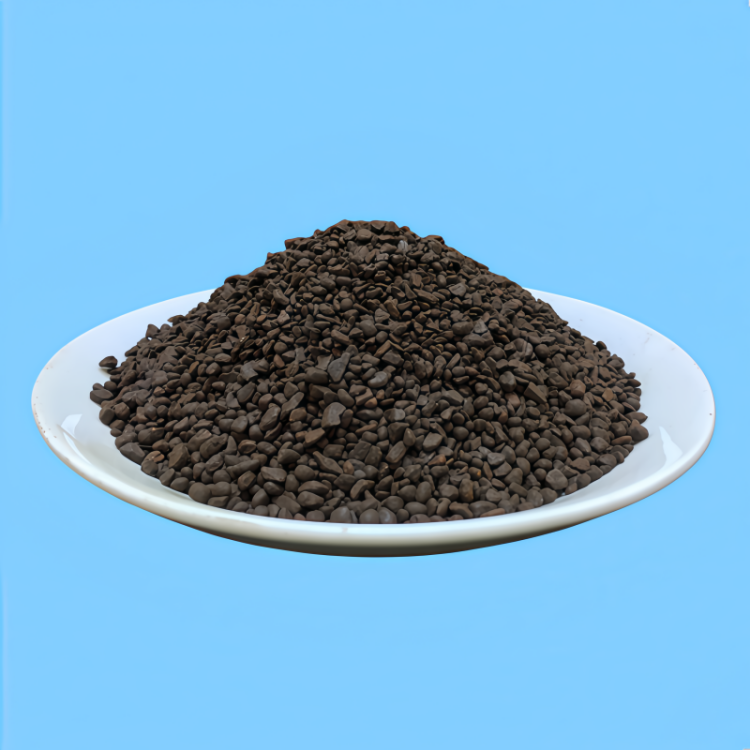
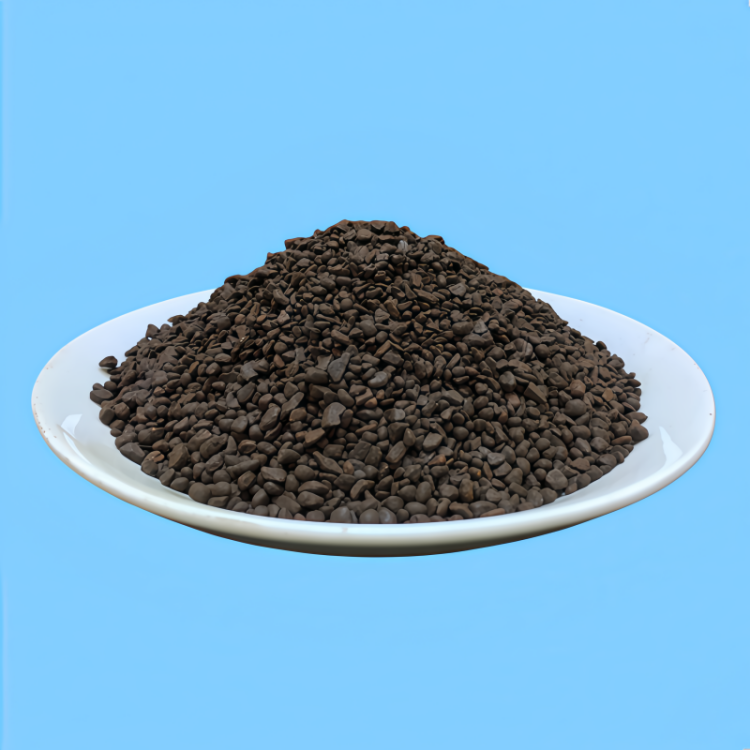
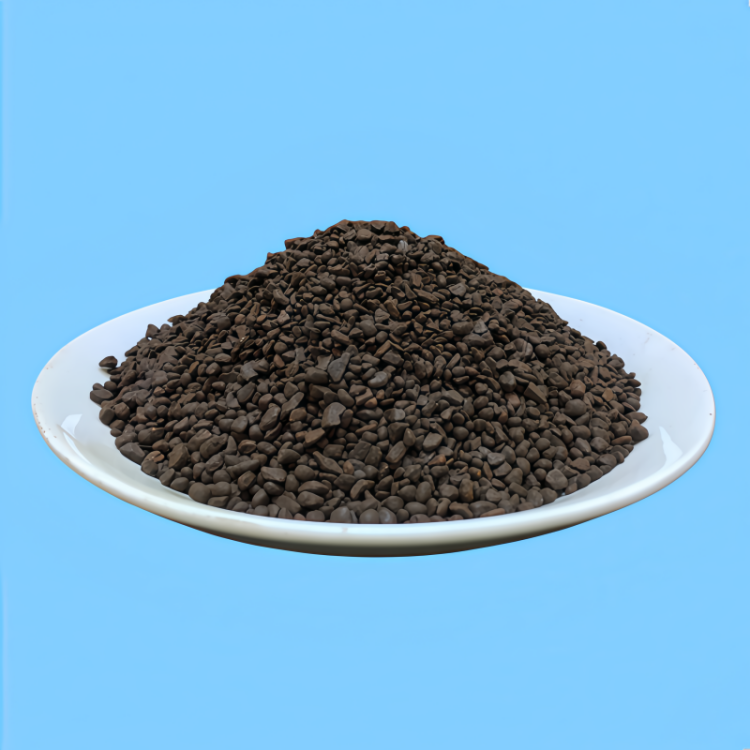
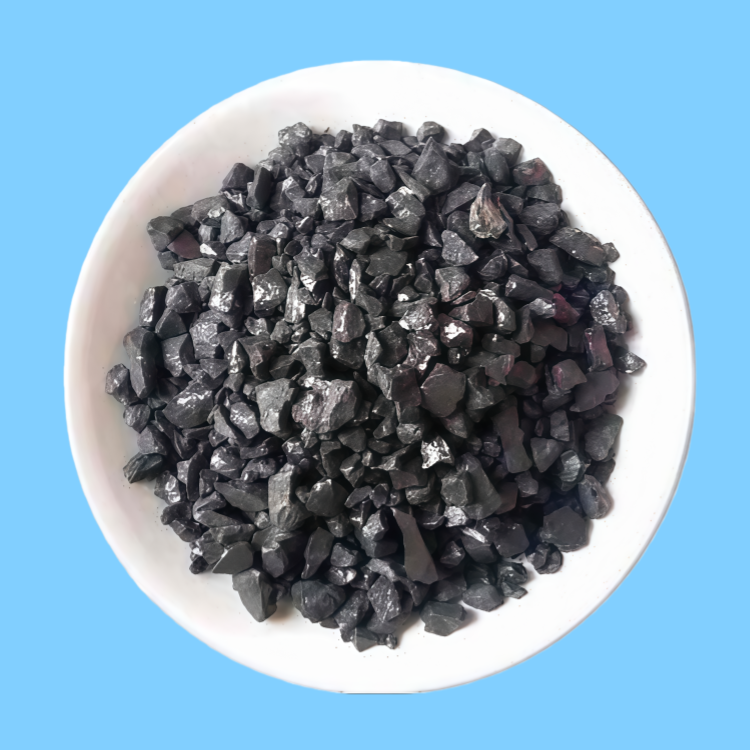
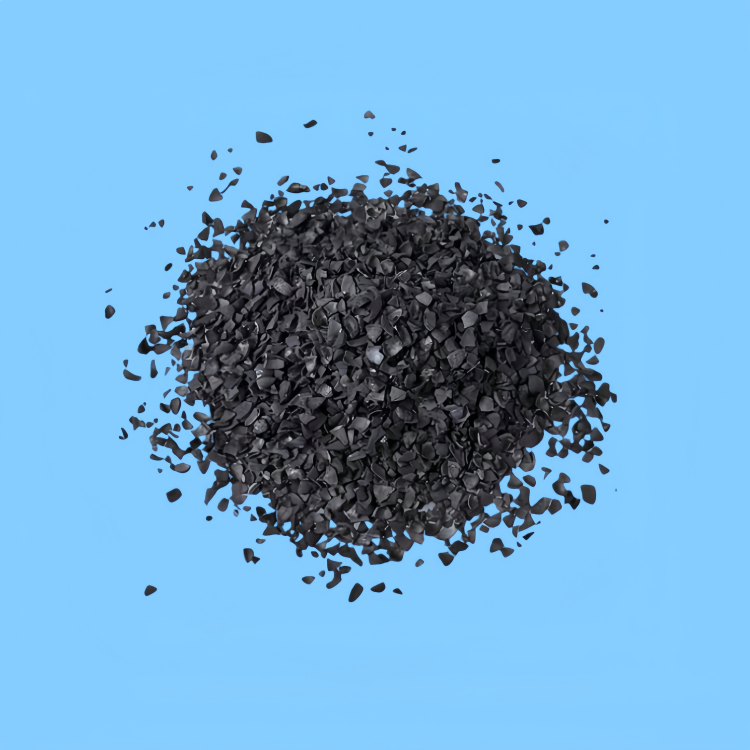
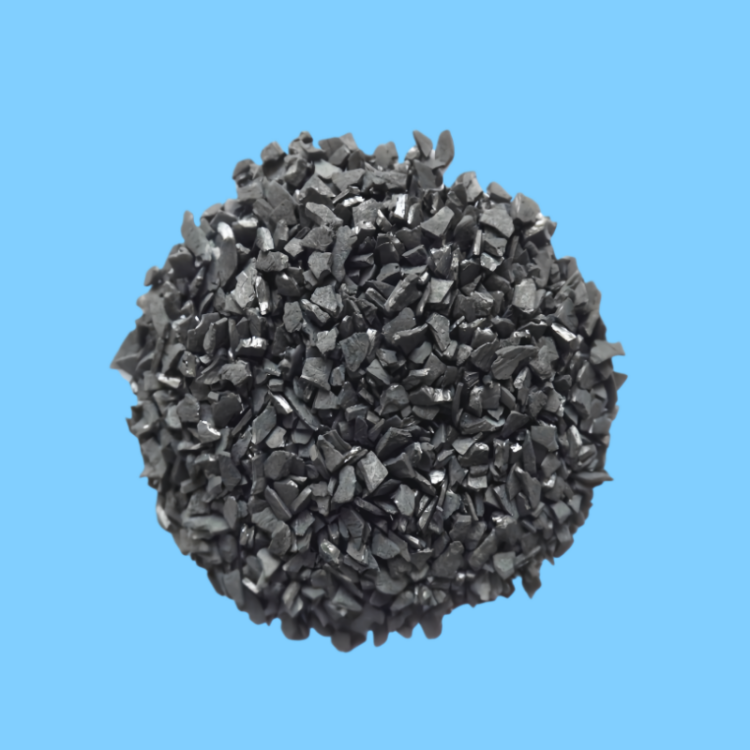
Natural Manganese Sand Filter Media is made from natural manganese ore sand, processed through water washing, magnetic separation, and screening. It has a rough, spherical-elliptical granular appearance in reddish-brown or dark-brown hues. The manganese ore primarily contains manganese oxide and manganese dioxide, which is itself a strong oxidizing agent capable of oxidizing iron ions in water, offering excellent manganese and iron removal properties. It is a filtration product used in the water supply and drainage industry for iron and manganese removal. According to China's drinking water hygiene standards, the iron content should be ≤0.3 mg/L and the manganese content should be ≤0.1 mg/L. Drinking water with excessive iron and manganese content over a long period can severely affect health.
De-ironing/Manganese mechanism;
Mechanism and methods for iron and manganese removal from natural manganese ore sand; one method utilizes the filter membrane effect, taking advantage of the strong oxidative action on the surface layer of manganese sand to directly contact and filter out iron from the water. The other method involves the catalytic action of manganese dioxide in the manganese ore sand when it comes into contact with ferric manganese water, which catalyzes the divalent iron in the water into trivalent iron, then attaching the trivalent iron to the surface of the manganese sand particles to remove iron. Manganese dioxide in the natural manganese sand can oxidize the divalent iron in the water to trivalent iron, causing it to precipitate and be removed. Manganese dioxide is then oxidized by dissolved oxygen in the water into the oxide of heptavalent manganese, which further oxidizes the divalent iron in the water to trivalent iron, purifying the water.
Technical Specifications;
Natural manganese sand filter media for groundwater iron and manganese removal, with manganese primarily in the form of manganese dioxide. The manganese content (calculated as MnO2) should not be less than 35%. Such filter media can be used for both groundwater iron and manganese removal; for those with manganese content between 20% and 30%, they are only suitable for groundwater iron removal; and manganese sand with less than 20% manganese content is not recommended. It is advisable to prioritize natural manganese sand varieties that have been scientifically tested or proven effective in iron and manganese removal through production use, to avoid economic losses by盲目 selection.
(1) Average density is generally between 3.2 g/cm3 and 3.6 g/cm3. Exceptions apply if special density requirements are specified during use.
Solubility should not exceed 3.5% (percentage by weight, as applicable).
(3) The sum of the breakage rate and wear rate should not exceed 3%.
(4) Should not contain visible soil, shale, or foreign debris; the soil content should not exceed 2.5%.
(5) The aqueous extract should not contain any toxic or harmful substances harmful to human health.
Filling Method
After the water distribution system is installed, first clear all debris from the filter pond, and then clear the water distribution holes and gaps. Subsequently, use the backwashing method to check if the water distribution system meets the design requirements.
(2) Draw horizontal lines at the top heights of each layer of supporting material and manganese sand filter media on the interior wall of the filter tank, serving as markers for the laying height.
(3) Carefully inspect the supporting materials of different particle size ranges, wash them in descending order of particle size, and prepare them for paving.
(3) When installing the bottom supporting material, care should be taken to avoid damaging the filter pool's water distribution system. The material to be installed should be hoisted into the pool and then spread; or fill the pool with water up to the level of the drain slots, sprinkle the material evenly in the water, then drain the water to lower the water level to the height of the top of the layer, and spread it evenly with a shovel. The installer should not stand or walk directly on the supporting material but should operate on a wooden plank; minimize the number of personnel inside the pool to prevent shifting of the supporting material. The next layer of supporting material should only be installed after the lower layer is completed.
(4) The thickness of each layer of supporting material should be accurate and even. Use a shovel or scraper to level the surface, making it nearly horizontal, and the height should align with the horizontal line of the paving height marking.
After laying 2-4mm of supporting material, apply the filter bed's maximum flushing intensity to flush out the silt from the supporting material.
(6) After all supporting materials are fully layered and in place, uniformly scatter the estimated amount of manganese sand filter media (including light substances to be scraped off and fine particles smaller than the specified lower particle size) from the top of the pool into the water. Then, proceed with rinsing. After rinsing, scrape off the light substances and particles smaller than the specified lower particle size. If the filter media thickness does not reach the required value after following the above method, repeat the process until the requirement is met.