
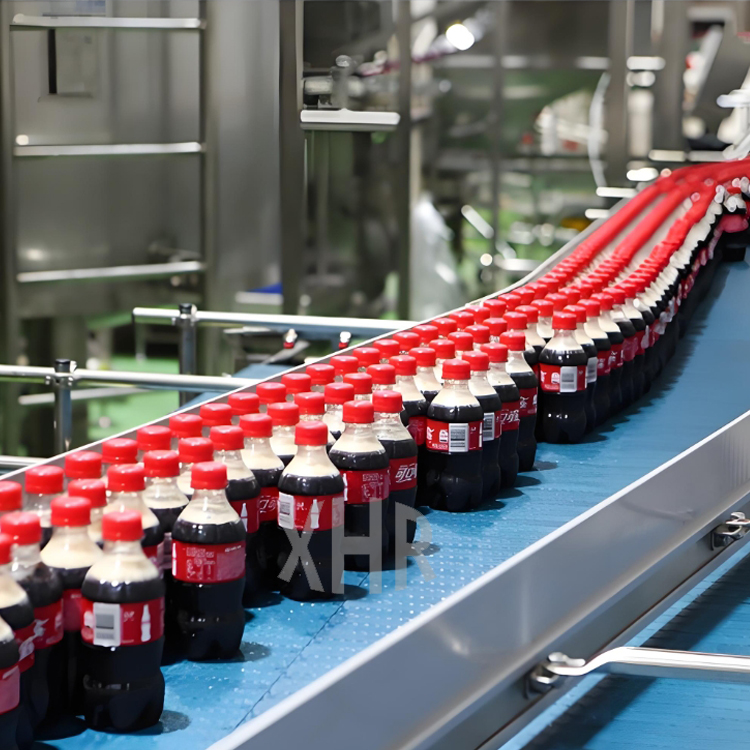


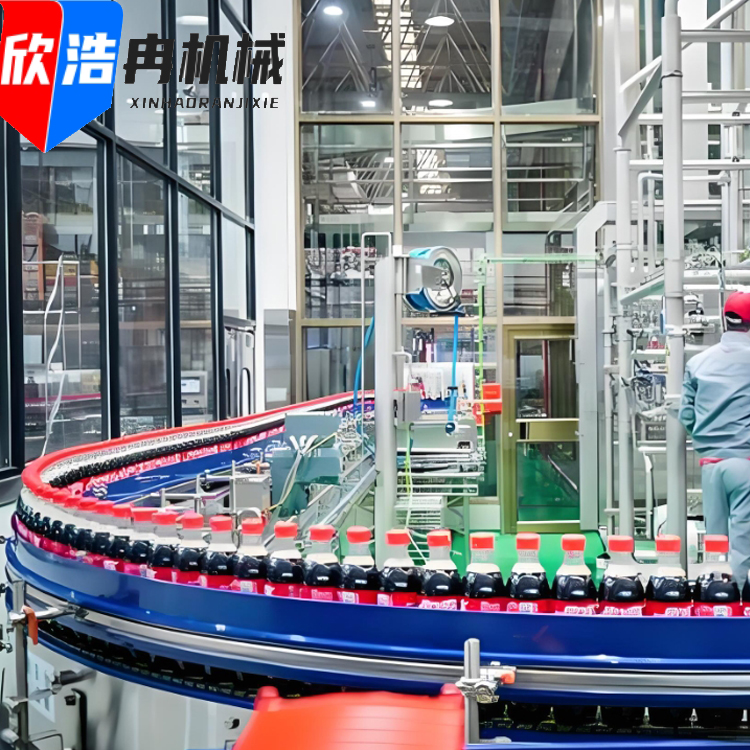
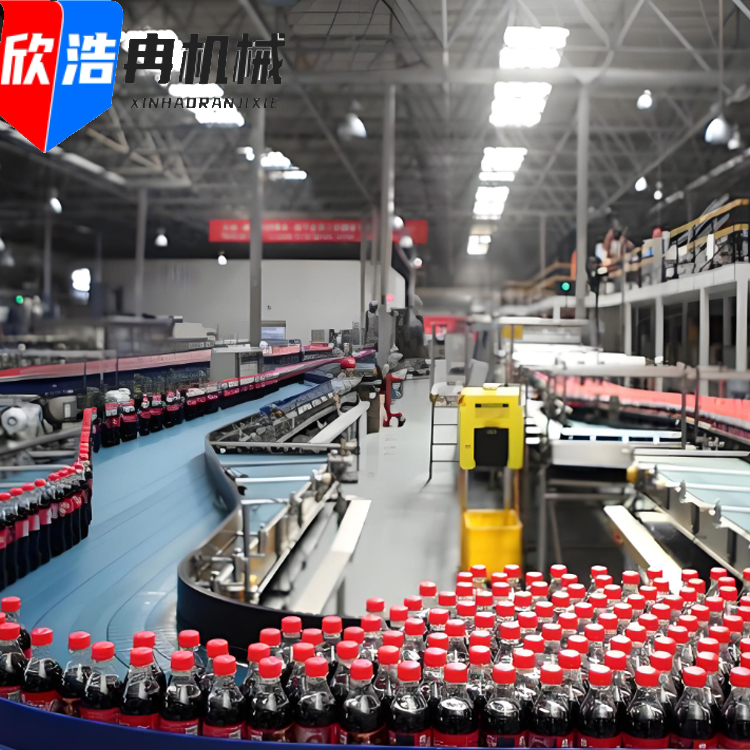
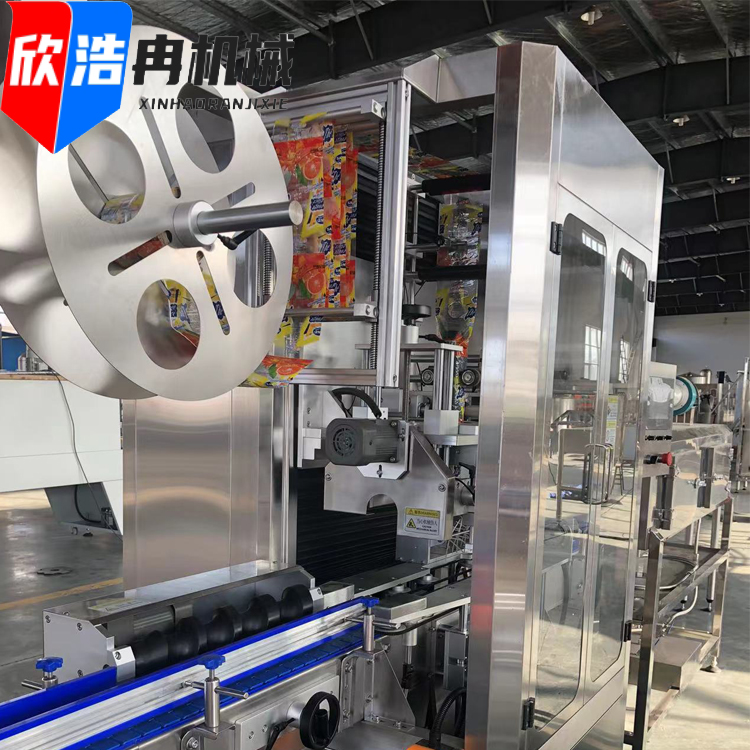
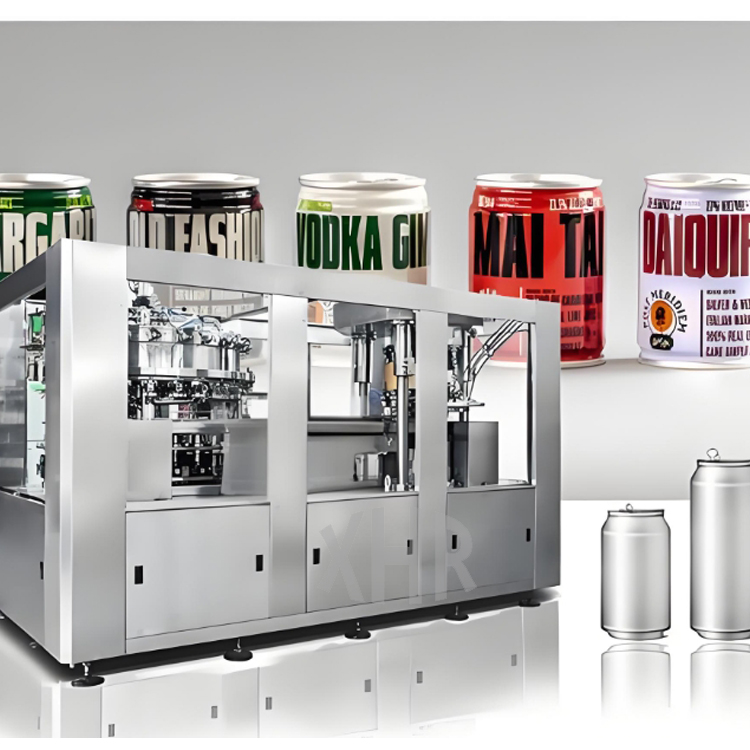
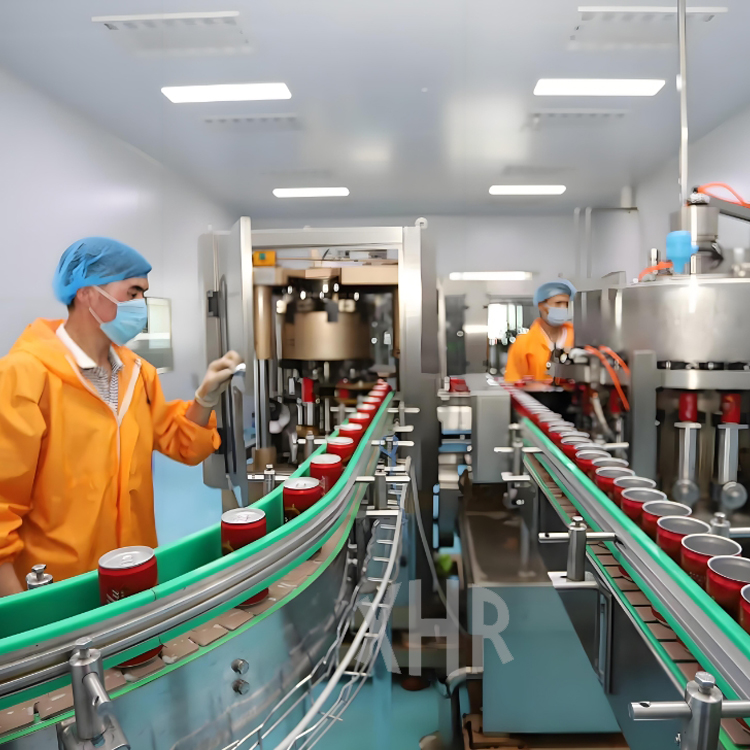





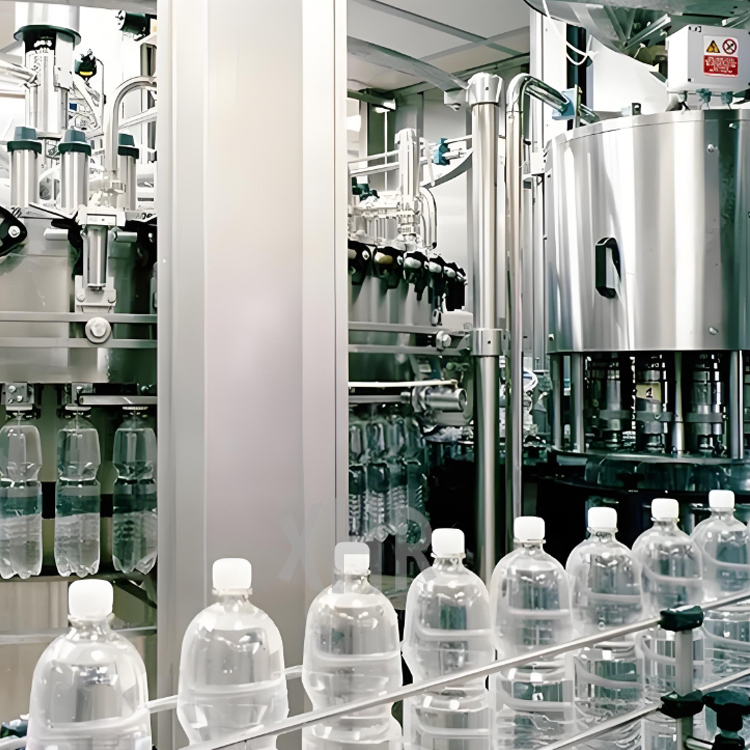
In today's rapidly evolving beverage industry, the efficiency and stability of production lines are at the core of a company's competitiveness.
For many businesses planning to invest in beverage production in Lanzhou and surrounding areas, selecting a filling line that matches their bottle type and production needs is a crucial step towards project success.

This not only concerns the efficiency of the initial investment, but also impacts the smoothness of long-term operations and the agility of market responsiveness.
Understanding the intrinsic connection between bottle shape and production volume
Bottle shape and yield are two core parameters that are interdependent and complementary in the selection of production lines.
The bottle shape determines the compatibility of filling equipment—different materials, shapes, and volumes of bottles require different gripping, positioning, cleaning, and filling mechanisms.
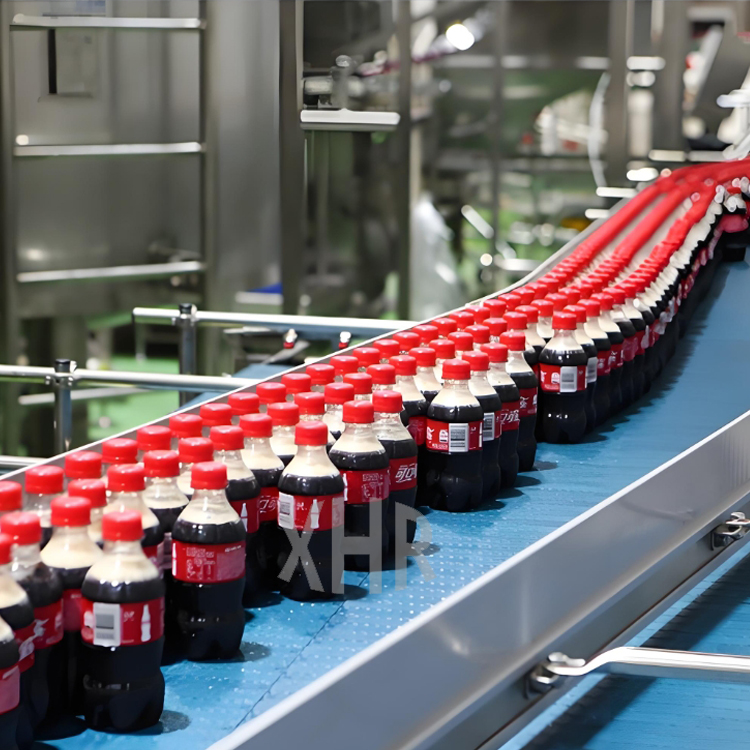
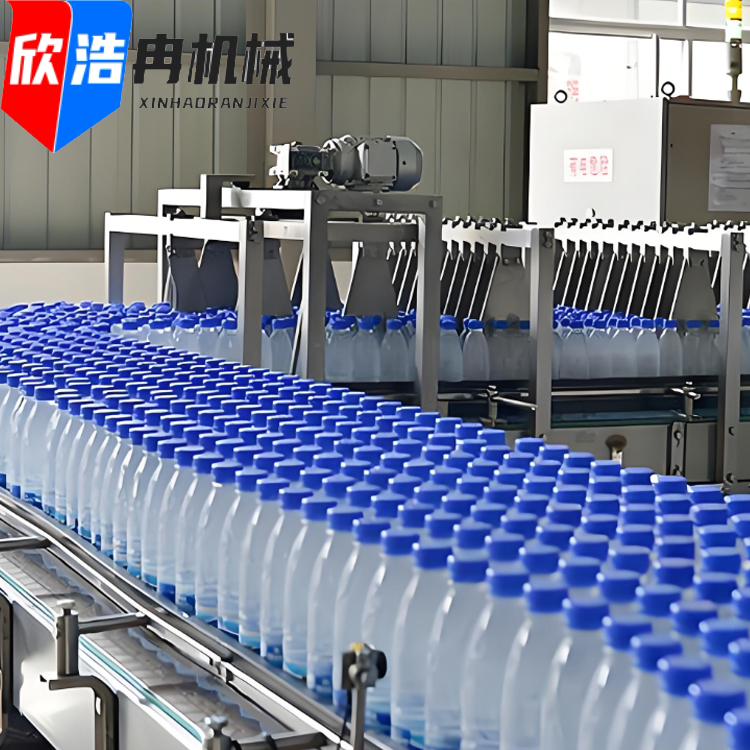
For instance, common items like PET bottles, glass bottles, and five-gallon drums have notably different production line designs.
Production demand directly determines the scale, level of automation, and operating speed of the production line.
A clear market positioning and sales forecast are the fundamental basis for determining whether the production capacity should be 2,000 bottles per hour or 25,000 bottles per hour.
For startups or companies with a single product line, a production line focused on a specific bottle shape and moderate output may be more economical and practical.
For large enterprises with a rich product matrix and broad market coverage, considerations must be given to the flexibility and scalability of production lines, and even intelligent production lines capable of handling various bottle types and featuring rapid changeover functions are required.
Comprehensive Considerations for Production Line Selection
When selecting a specific production line, companies must go beyond simple parameter comparisons and conduct a multi-dimensional, systematic evaluation.
Firstly, it's the maturity and completeness of the process.
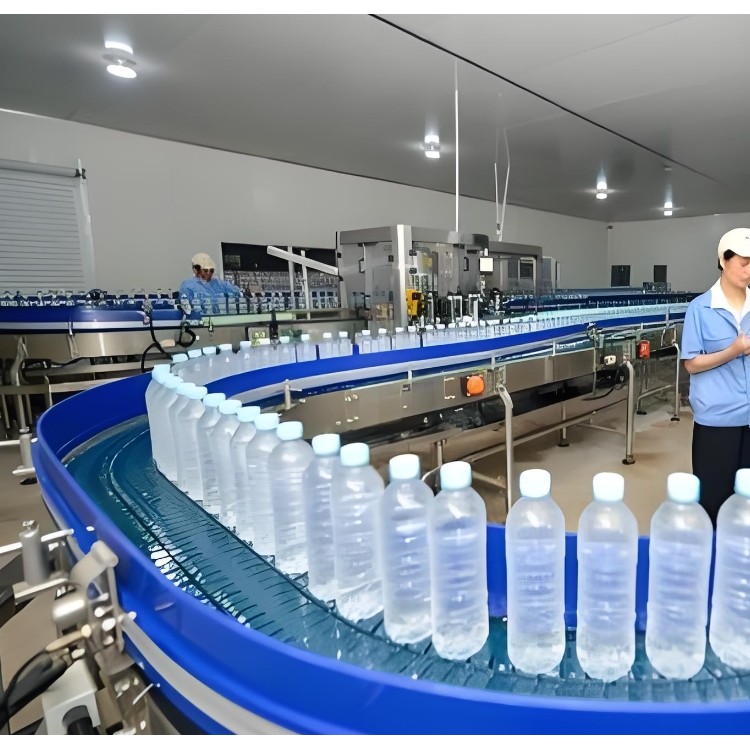
An outstanding production line is not just a filling machine; it should be a comprehensive solution that encompasses everything from front-end water treatment and ingredient mixing, through middle-stage bottle handling, precise filling, and sealing, to the back-end labeling, coding, shrink wrapping, or boxing.
Seamless integration and stable collaboration between all stages are the foundation for ensuring the quality of the final product and the efficiency of the production line.
For mineral water and pure water production, the purity of the preliminary 0.5-50T/H water treatment system is crucial; for juices or carbonated beverages, there is a high requirement for the blending process and pressure control during filling.
Next, it's the core quality and reliability of the equipment.
The stable operation time of the production line directly correlates with delivery capabilities and operational costs.
This depends on the quality of key components, the precision of mechanical processing, and the overall assembly technique.
Some equipment manufacturers that prioritize long-term development establish data tracking systems for core components and choose durable high-quality components to ensure stable performance under long-term high-load operation and minimize failure rates.
Again, it's the adaptability and foresight of the technology.
Market tastes and packaging trends are constantly evolving; it's worth contemplating whether the production line has enough flexibility to adapt to potential bottle shape changes or capacity upgrades in the future.
Moreover, the integration of modern industrial concepts such as intelligent control, energy consumption management, and data collection can not only enhance production efficiency but also facilitate precise management.

Finally, but by no means the least important, is the manufacturer's comprehensive service capability.
This encompasses project planning with extensive experience, meticulous installation and debugging support, systematic operational training, and timely after-sales service.
A partner committed to the philosophy of "customer needs and satisfaction are our relentless pursuit in design," can maximize the value of the equipment, helping customers smoothly launch and operate stably.
Originating from demand, tailor your solution.
In the face of a diverse selection ranging from 2,000 bottles per hour to 25,000 bottles, and from 500ml standard bottles to 5-gallon drums, corporate decision-makers should return to their own reality:
1. Clarify Core Products and Positioning: Are your main products pure water, mineral water, carbonated drinks, juices, tea drinks, or liquid seasonings like vinegar and soy sauce? Different liquid characteristics determine the focus of production line processes.
2. Evaluate Market and Production Capacity Planning: Based on practical market research, plan initial production capacity and expected growth over the next 3-5 years to avoid undercapacity or overinvestment.
3. Inspect factory and infrastructure: The footprint of the production line and its requirements for water, electricity, and gas must align with existing or planned factory conditions.
4. Balance Investment Budget and Value Return: Seek the best cost-performance ratio and long-term investment return within the budget, incorporating equipment reliability, energy consumption, and maintenance costs into the overall consideration.
In the vibrant market of Lanzhou, the success of beverage companies is inseparable from solid internal skills.
Choosing the right production line is the first step in honing your internal skills.

It's not just about purchasing a range of equipment; it's about selecting a long-term partner who understands your needs, grows with you, and adheres to the credo of "honesty, sincerity, earnestness, and integrity."
When you combine clear requirements with professional manufacturing expertise, we can jointly create a production line that truly adds value for you. This ensures every beverage reaches consumers with the highest quality and efficiency, laying a solid foundation for the sustainable development of your enterprise.
On this path to success, careful planning and wise choices are always the first and most crucial steps.