







I. Overview of Wastewater Treatment:
1. Wastewater treatment is generally categorized by source, with two main types: industrial wastewater treatment and domestic wastewater treatment. Industrial wastewater includes industrial, agricultural, and medical wastewater, while domestic wastewater refers to the wastewater produced from daily life, which is a complex mixture of inorganic and organic substances, including: ① floating and suspended solid particles of varying sizes; ② colloidal and gel-like diffusers; ③ pure solutions.
Modern wastewater treatment technology, categorized by treatment levels, includes primary, secondary, and tertiary treatment.
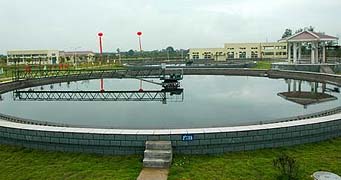
Primary Processing
Primarily removes suspended solid pollutants in wastewater, with most physical treatment methods only meeting the requirements of primary treatment. Wastewater treated at the primary level typically achieves a BOD removal of around 30%, which does not meet discharge standards. Primary treatment is a pre-treatment step for secondary treatment.
Secondary Processing
Primarily removes colloidal and dissolved organic pollutants (BOD, COD substances) from wastewater, achieving a removal rate of over 90%, ensuring organic pollutants meet discharge standards.
Grade 3 processing
Further treatment of non-biodegradable organic matter, dissolved inorganic substances such as nitrogen and phosphorus, which can lead to eutrophication of water bodies. The main methods include biological nitrogen and phosphorus removal, coagulation and sedimentation, sand filtration, activated carbon adsorption, ion exchange, and electro dialysis.
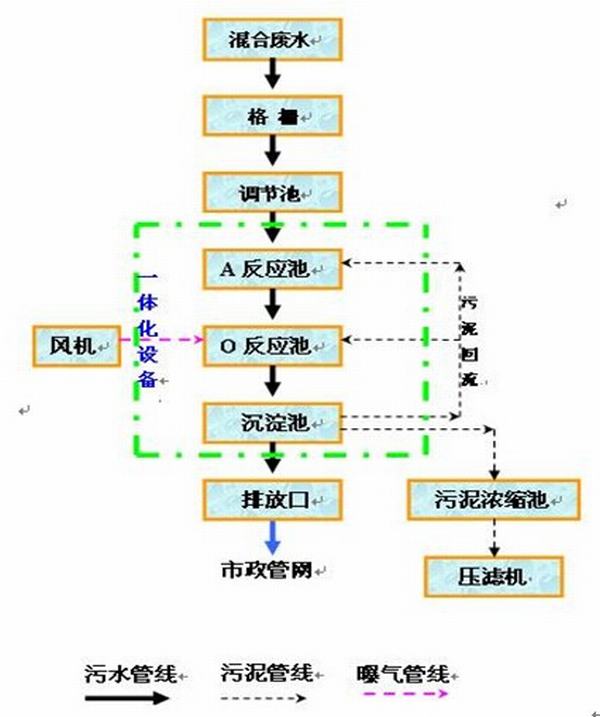
The entire process involves raw wastewater passing through coarse gratings, then being lifted by a sewage pump. It is then filtered through格栅 or a sieve, followed by a sand settling tank. The wastewater separated from the sand is directed to the primary sedimentation tank, marking the end of the primary treatment (i.e., physical treatment). The effluent from the primary sedimentation tank enters the biological treatment equipment, which includes activated sludge methods and biofilm methods (with activated sludge reactors such as aeration tanks and oxidation ditches, and biofilm methods including biofilter, biological rotating disk, bio-contact oxidation, and biofluidized bed). The effluent from the biological treatment equipment goes to the secondary sedimentation tank. The effluent from the secondary sedimentation tank is disinfected and discharged or proceeds to the tertiary treatment. The primary treatment concludes with the secondary treatment. The tertiary treatment includes biological nitrogen and phosphorus removal, coagulation sedimentation, sand filtration, activated carbon adsorption, ion exchange, and electro dialysis methods. Part of the sludge from the secondary sedimentation tank is recycled to the primary sedimentation tank or the biological treatment equipment, while the rest enters a sludge concentration tank before being processed in a sludge digestion tank. After dehydration and drying, the sludge is finally utilized.
Section 2: General Wastewater Treatment Process Introduction:
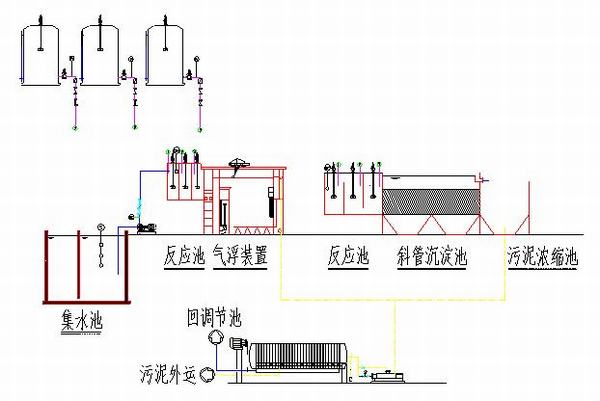
Electroplating wastewater
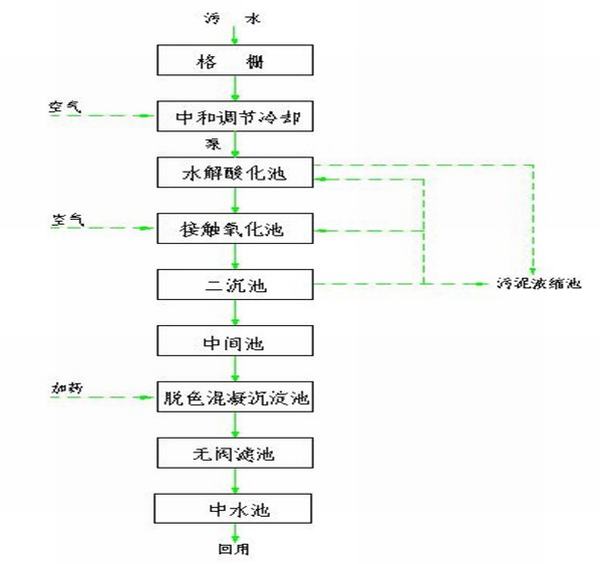
2. Dyeing and finishing wastewater
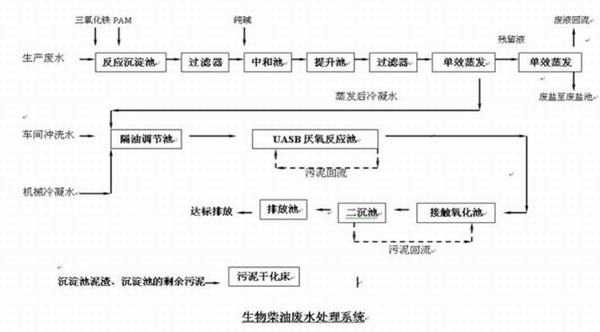
3. Chemical Wastewater
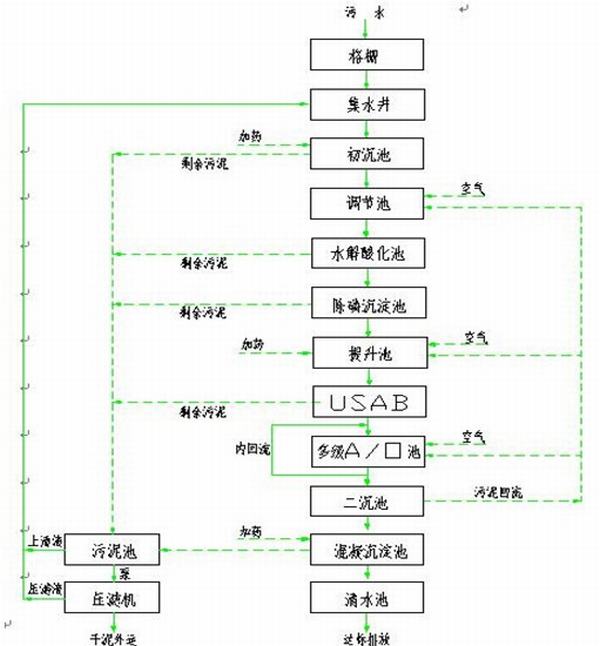
4. Starch wastewater
5. Synthetic Leather Wastewater
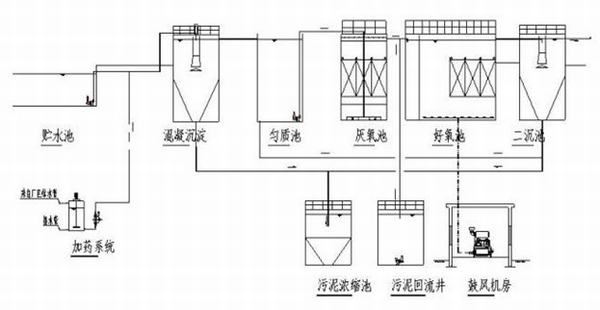
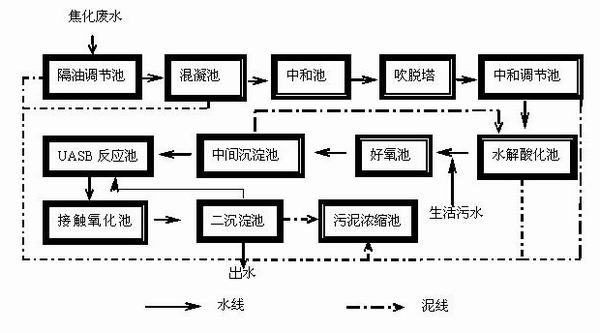
6. Coking wastewater
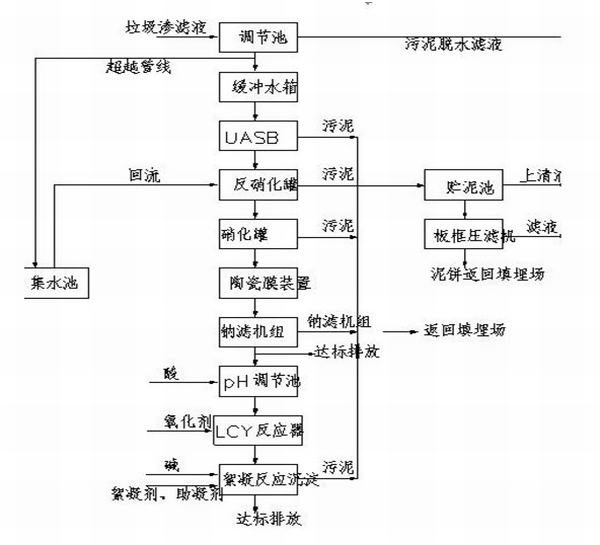
7. Waste leachate
8. Domestic Sewage