








After coming into contact with dishwashing water, it mainly enters the body through the respiratory tract and can also be absorbed through the digestive tract and skin. Short term exposure to high concentrations of trichloroethylene can cause dizziness, fatigue, facial flushing, eye and upper respiratory tract problems. Mild poisoning patients may experience palpitations, chest tightness, nausea, decreased appetite, as well as mild consciousness disorders, trigeminal damage, and mild liver or kidney damage. Severe poisoning can lead to severe consciousness disorders, severe liver or kidney damage, etc. Some cleaning workers who mainly absorb through the skin often have a subacute onset. In addition to dizziness, fatigue, nausea, etc., skin erythema, blisters, etc. may appear after 3-4 weeks of contact. The rash usually first appears in the upper limbs and spreads to the trunk and lower limbs after a few days. A few may develop into systemic bullous epidermal necrolysis, often accompanied by severe liver and kidney damage, which may be related to the specific constitution of the contact person.
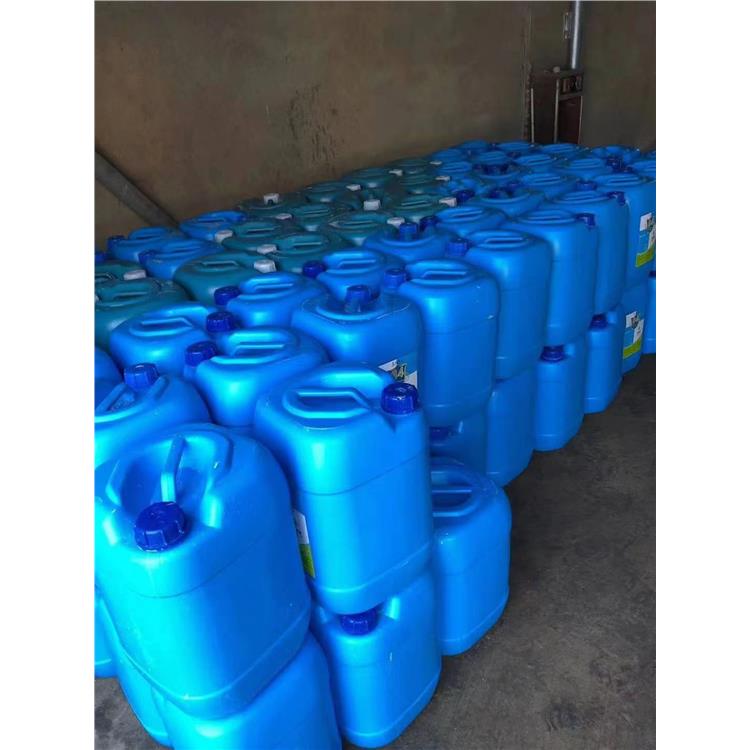
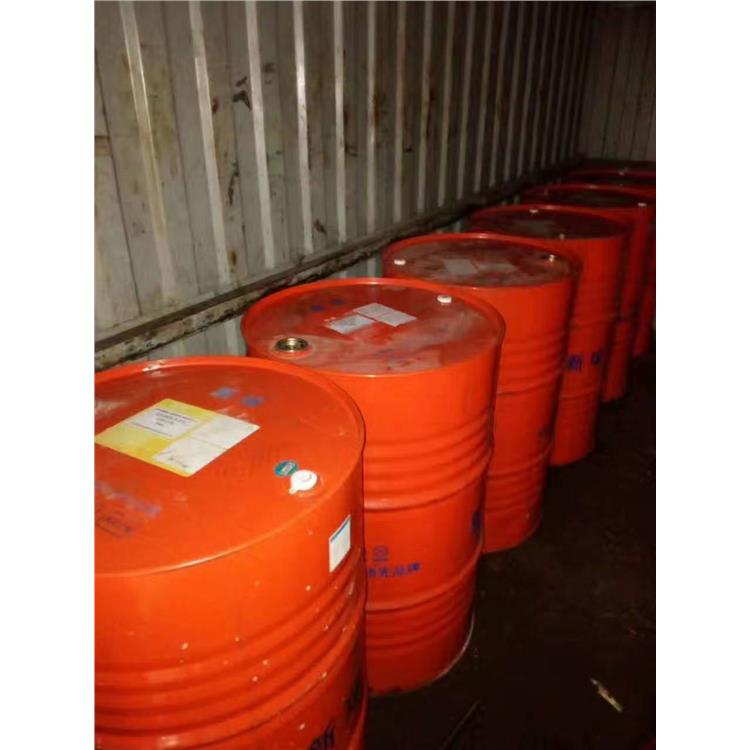
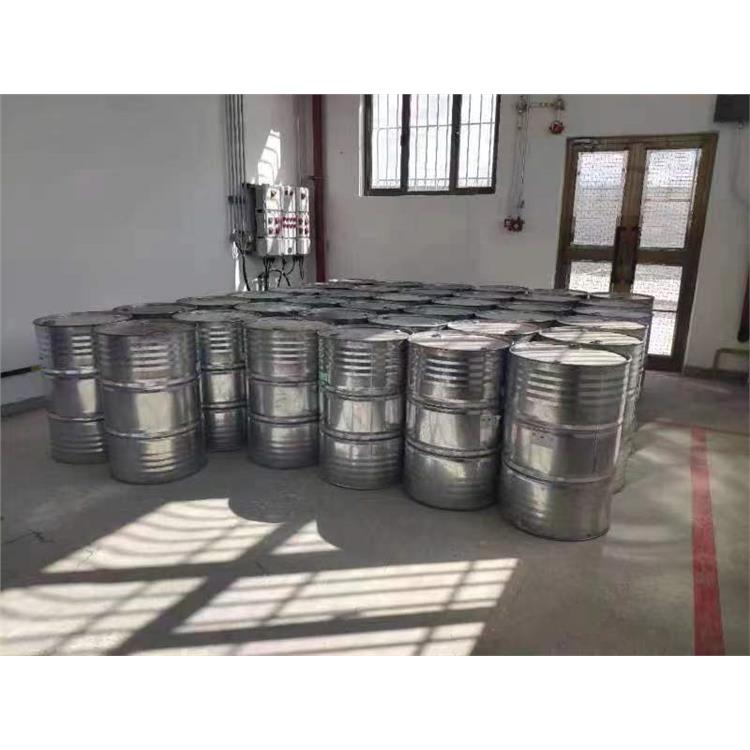
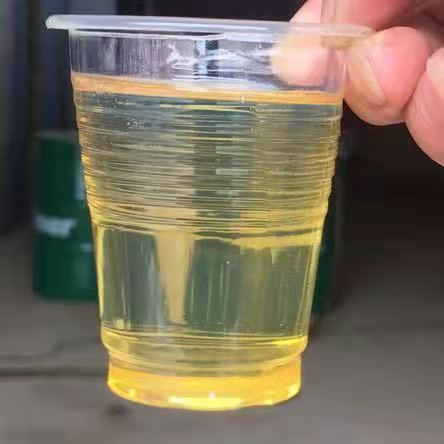
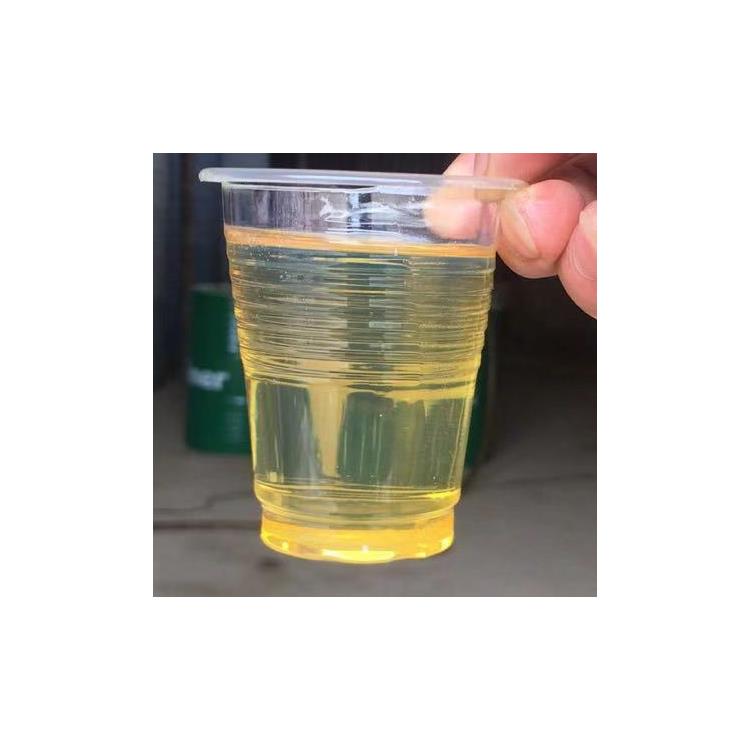
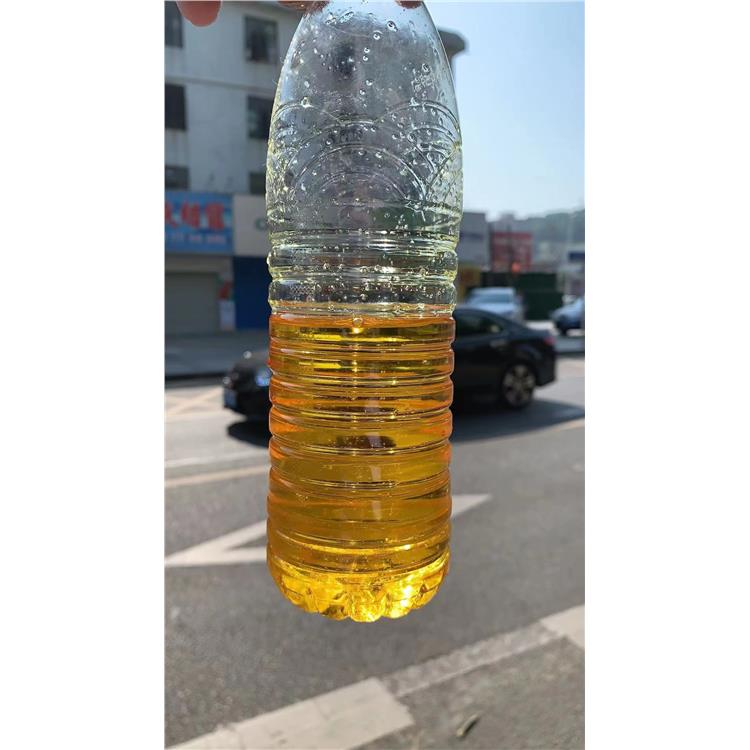
Board washing water is a colorless, odorless, transparent volatile liquid that is produced according to standard requirements and can be used with confidence. And it does not decompose, so it does not corrode metals or the vast majority of plastics, making it suitable for most materials. If manual brushing is used for cleaning, the circuit board in need should be dipped in some solvent and then brushed with a brush to accelerate the dissolution of rosin and the detachment of flux.
Types of board washing water:
1. Chlorinated solvent washing water: It is a mixture of chlorinated solvent and other solvents; It has the characteristics of fast dissolution of rosin and removal of flux, no residue after cleaning, easy volatilization, and no need for drying. Like Yuman Industrial Environmental Protection Plate Washing Water FRB-1.1.
2. Carbon hydrogen solvent plate washing water; It should be noted that with the widespread use of hydrocarbon cleaning agents, hydrocarbon solvents are also used for cleaning PCB circuit boards; There are fast drying and slow drying types of hydrocarbon solvent washing water for plates; The quick drying cleaning effect is generally good. Carbon hydrogen solvent cleaning water is environmentally friendly, has a low odor, and can be distilled and recycled. It is mostly used for cleaning precision PCB circuit boards, such as carbon hydrogen solvent cleaning water FRB-143.
3. Water based board washing water; Due to the environmentally friendly nature of water-based cleaning agents, water-based board cleaning water should be used with caution when it does not have rust prevention function, as water-based cleaning agents can accelerate the corrosion and rusting of pins.
Types of board washing water
1. Chlorinated solvent plate washing water; It is made by mixing chlorinated solvents with other solvents; It has the characteristics of fast dissolution of rosin and removal of flux, no residue after cleaning, easy volatilization, and no need for drying.
2. Carbon hydrogen solvent plate washing water; With the widespread use of hydrocarbon cleaning agents, hydrocarbon solvents are also used for cleaning PCB circuit boards; There are fast drying and slow drying types of hydrocarbon solvent washing water for plates; The quick drying cleaning effect is generally better. Carbon hydrogen solvent cleaning water is environmentally friendly, has a low odor, and can be distilled and recycled. It is mostly used for cleaning precision PCB circuit boards.
3. Water based board washing water; Due to the environmentally friendly nature of water-based cleaning agents, water-based board cleaning water should be used with caution when it does not have rust prevention function, as water-based cleaning agents can accelerate the corrosion and rusting of pins.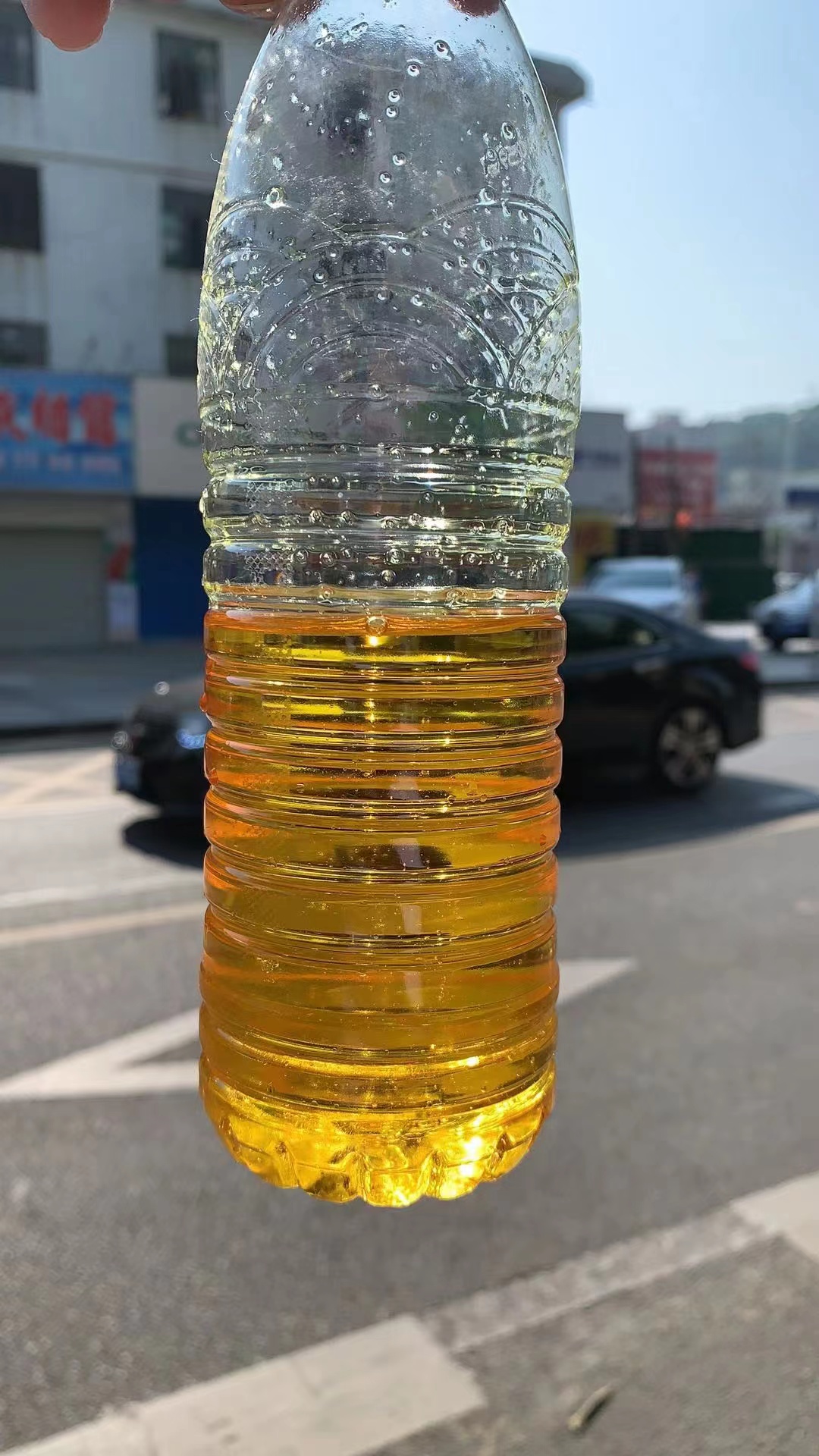
Plate washing water is composed of raw materials such as chlorinated solvents, buffering agents, corrosion inhibitors, antioxidants, and surfactants. Its main function is to remove solder flux, rosin, solder slag, ink, hand marks and other stains from PCB and printed steel mesh. Cleaning the circuit board is a necessary step in PCBA processing.
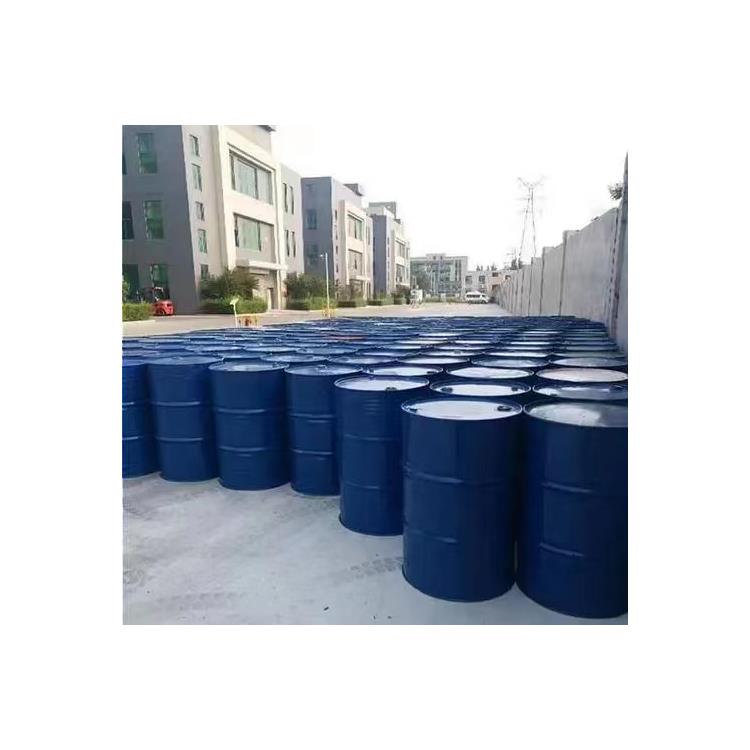
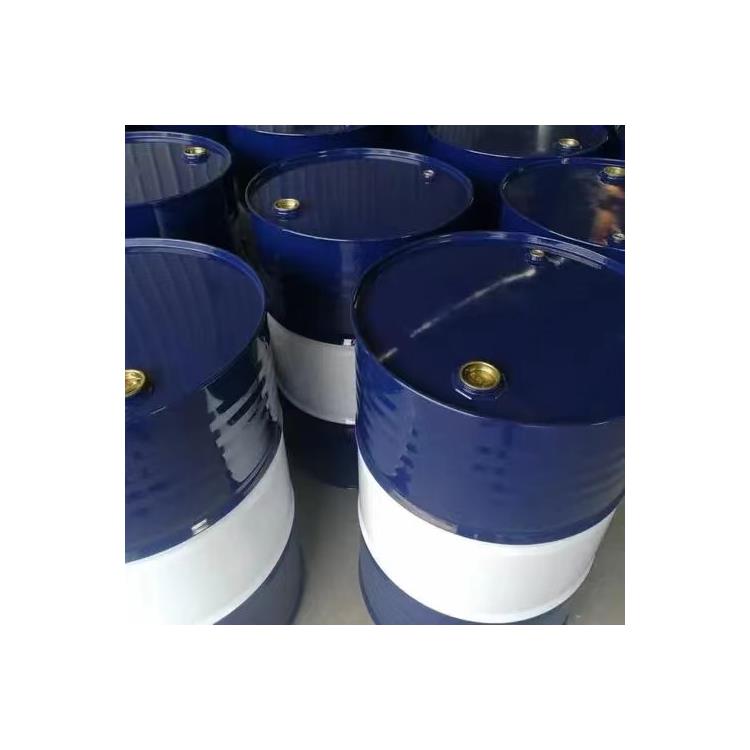
When washing the board horizontally, it is necessary to seal the storage container in a cool and dry place, and the shelf life is generally about 2 years. Ultrasonic cleaning or immersion cleaning can be used during use. The actual cleaning time should be determined based on the amount and degree of dirt on the surface of the workpiece being cleaned. The waste liquid after cleaning should be collected in a dedicated bucket and then handed over to the recycler for recycling.
Our company adheres to the principle of quality first and customer first. With the advantages of domestic resources, manpower, and profitability, as well as high-quality products and enthusiastic services, we have won customer satisfaction. We are willing to work together with new and old customers to achieve mutual benefit and create a better future together!
WeChat Official Account

Scan to follow Official Account