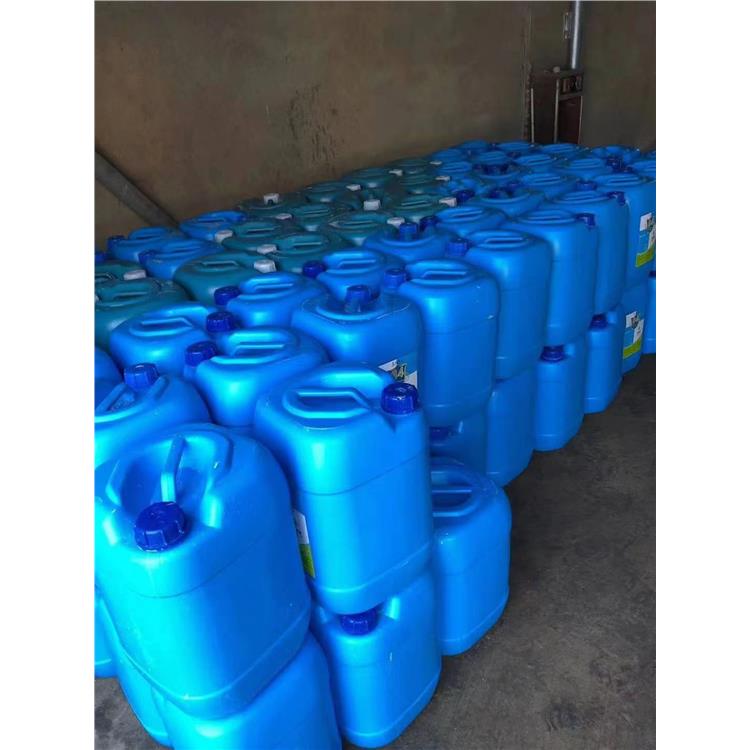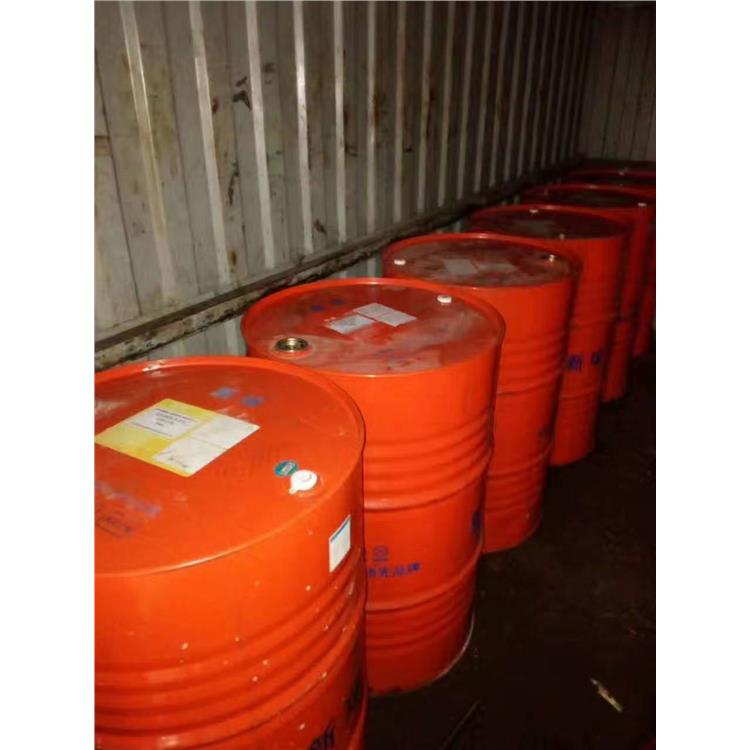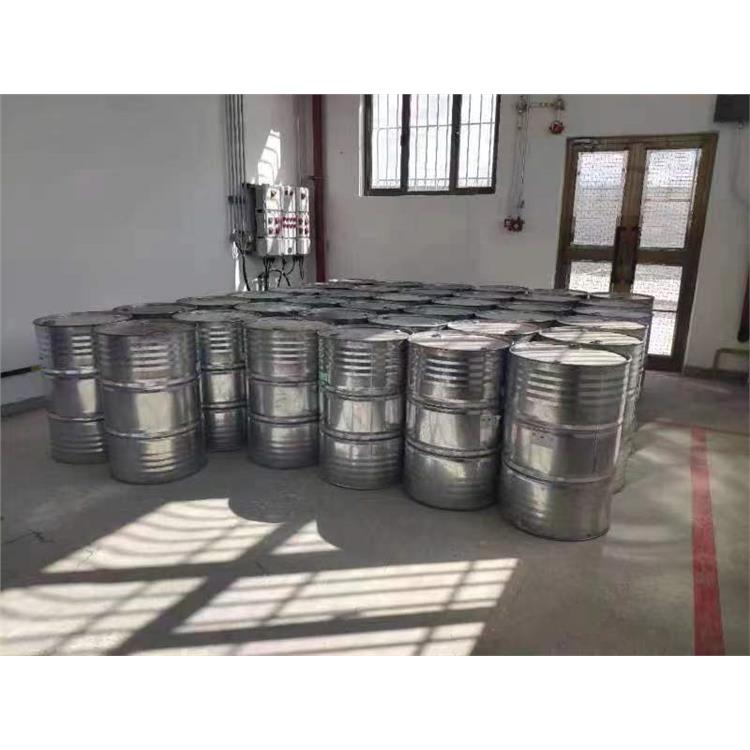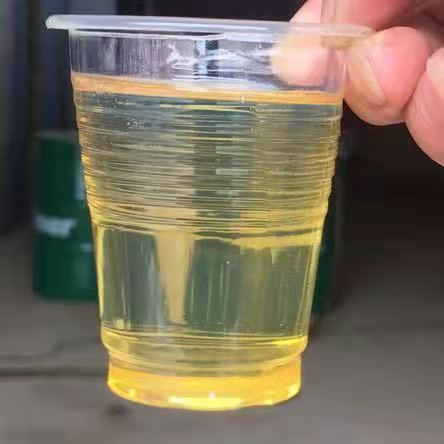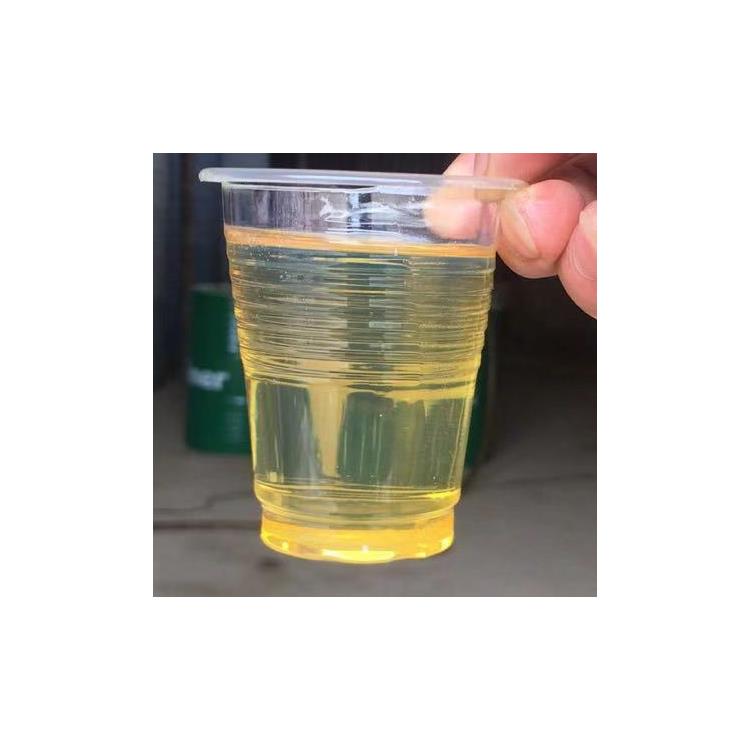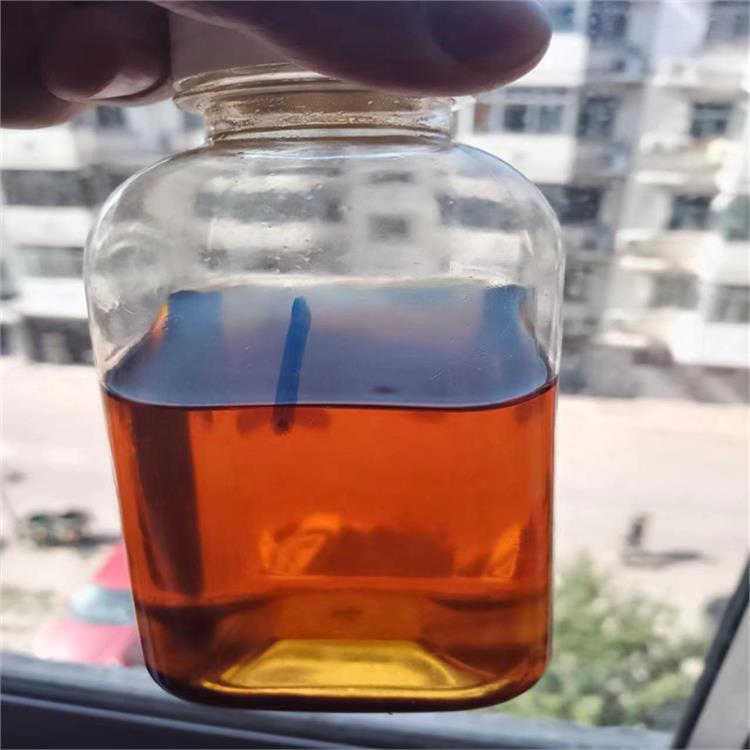


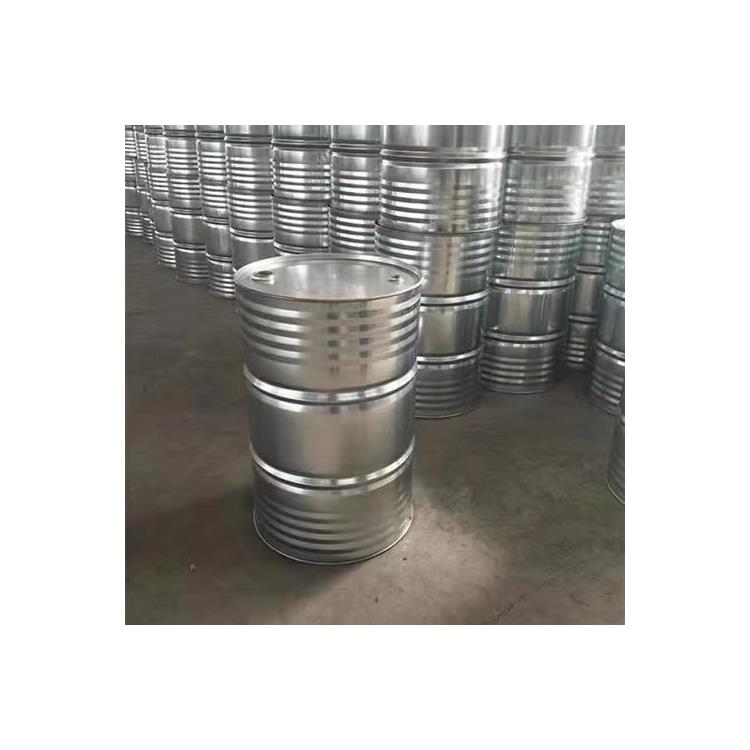
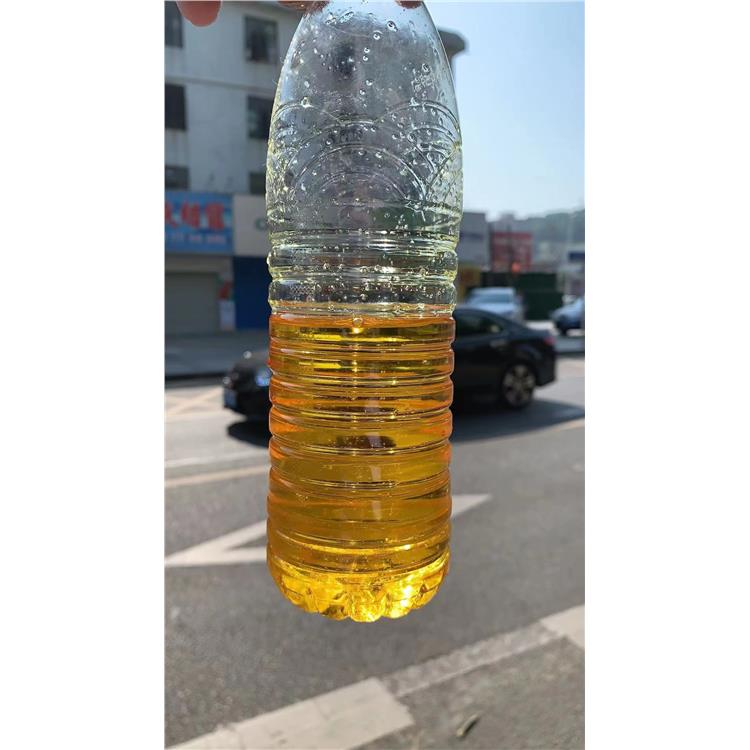





Waste guide rail oil recycling refers to the process of recovering and reusing used guide rail oil. Guide rail oil is a lubricating oil used to lubricate tracks and guides, commonly used in equipment such as railways, elevators, etc. that require track operation.
The process of recycling waste guide rail oil includes the following steps:
1. Collection: Collect used guide rail oil by setting up collection containers or pipelines to collect waste guide rail oil.
2. Separation: Separate the collected waste guide oil from impurities, common methods include centrifugal separation, filtration, etc.
3. Purification: Purify the separated waste rail oil to remove impurities, moisture, and pollutants. Common purification methods include precipitation, filtration, distillation, etc.
4. Reuse: The purified guide rail oil can be reused to lubricate the track and guide rail, reducing resource waste and environmental pollution.
The benefits of recycling waste guide rail oil include saving resources, reducing, and minimizing environmental pollution. At the same time, the recycling of waste guide rail oil also needs to pay attention to safety and environmental protection issues during the processing, in order to avoid damage to the environment and human health.
Recycling waste white electric oil is an environmentally friendly behavior that can reduce the pollution of waste to the environment. Waste white electric oil refers to discarded mechanical oil, lubricating oil, etc., which contain harmful substances that can cause pollution to soil and water sources if disposed of indiscriminately.
There are several methods for recycling waste white electric oil, including:
1. Find a recycling agency: You can contact local waste recycling companies or environmental protection agencies, who have specialized equipment and technology to process waste white electric oil. They will process the waste, separate harmful substances, and reuse recyclable materials.
2. Participate in recycling activities: Some cities or communities regularly hold waste recycling activities, including the recycling of waste white electric oil. You can follow the notices from local environmental organizations or government departments to bring waste to designated locations for recycling.
3. Self disposal: If suitable recycling institutions or activities cannot be found, waste can be disposed of by oneself. Waste can be stored in sealed containers and then sent to local waste disposal centers or landfills. During the processing, attention should be paid to preventing waste leakage and avoiding secondary pollution to the environment.
Regardless of which method is chosen, it is important to ensure that waste is properly disposed of to avoid harm to the environment and health. At the same time, it is necessary to strengthen the classification and reduction of waste, and minimize the generation of waste as much as possible.

Recycling waste hydraulic oil is an environmentally friendly practice that can effectively utilize resources and reduce pollution to the environment. Here are some common methods for recycling waste hydraulic oil:
1. Oil water separation: Use an oil-water separator to separate the water from the waste hydraulic oil, and then treat the water, while the oil can continue to be used.
2. Filtration and purification: Remove impurities and pollutants from waste hydraulic oil through a filter to restore it to a reusable state.
3. Thermal decomposition recovery: By heating waste hydraulic oil, it is decomposed into reusable oil and other substances, and then the oil is purified.
4. Regeneration treatment: Send the waste hydraulic oil to a specialized regeneration treatment plant for processing, and through a series of physical and chemical treatment processes, convert it into reusable lubricating oil.
Regardless of the method used, the recycling of waste hydraulic oil requires specialized equipment and processes to ensure that the quality of the recovered oil meets the requirements for use. In addition, recycling waste hydraulic oil also requires compliance with relevant environmental regulations and standards to ensure that the treatment process causes secondary pollution to the environment.

Waste white mineral oil refers to used or contaminated white mineral oil, usually generated as waste in industrial production processes. Waste white mineral oil generally contains harmful substances, which pose certain hazards to the environment and human health. Therefore, recycling waste white mineral oil is an important environmental protection task.
The main methods for recycling waste white mineral oil are as follows:
1. Refining and recycling: The waste white mineral oil is processed by refining equipment to remove impurities and harmful substances, making it usable white mineral oil again. This method is suitable for situations where the pollution level of waste white mineral oil is relatively low.
2. Pyrolysis recycling: Using high-temperature pyrolysis technology to decompose waste white mineral oil into smaller molecules, and then converting them into reusable fuels or chemical raw materials through condensation and purification steps. This method is suitable for situations where the pollution level of waste white mineral oil is relatively high.
3. Biodegradation: Using microorganisms to degrade waste white mineral oil and break it down into substances. This method is suitable for situations where the pollution level of waste white mineral oil is relatively low, but it requires a certain amount of time and conditions.
The benefits of recycling waste white mineral oil are that it can reduce environmental pollution, save energy resources, and lower production costs. Therefore, governments and enterprises around the world are actively promoting the recycling and utilization of waste white mineral oil.

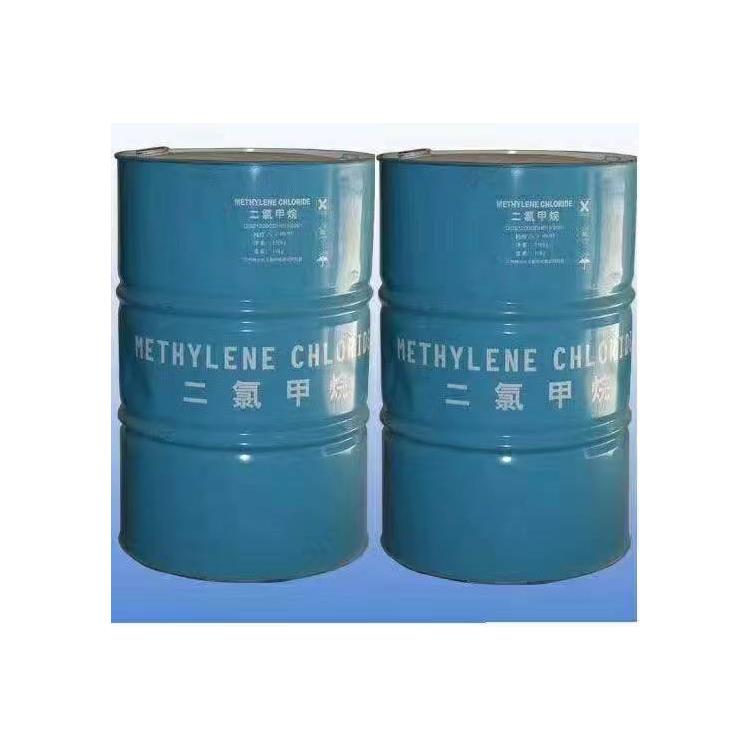
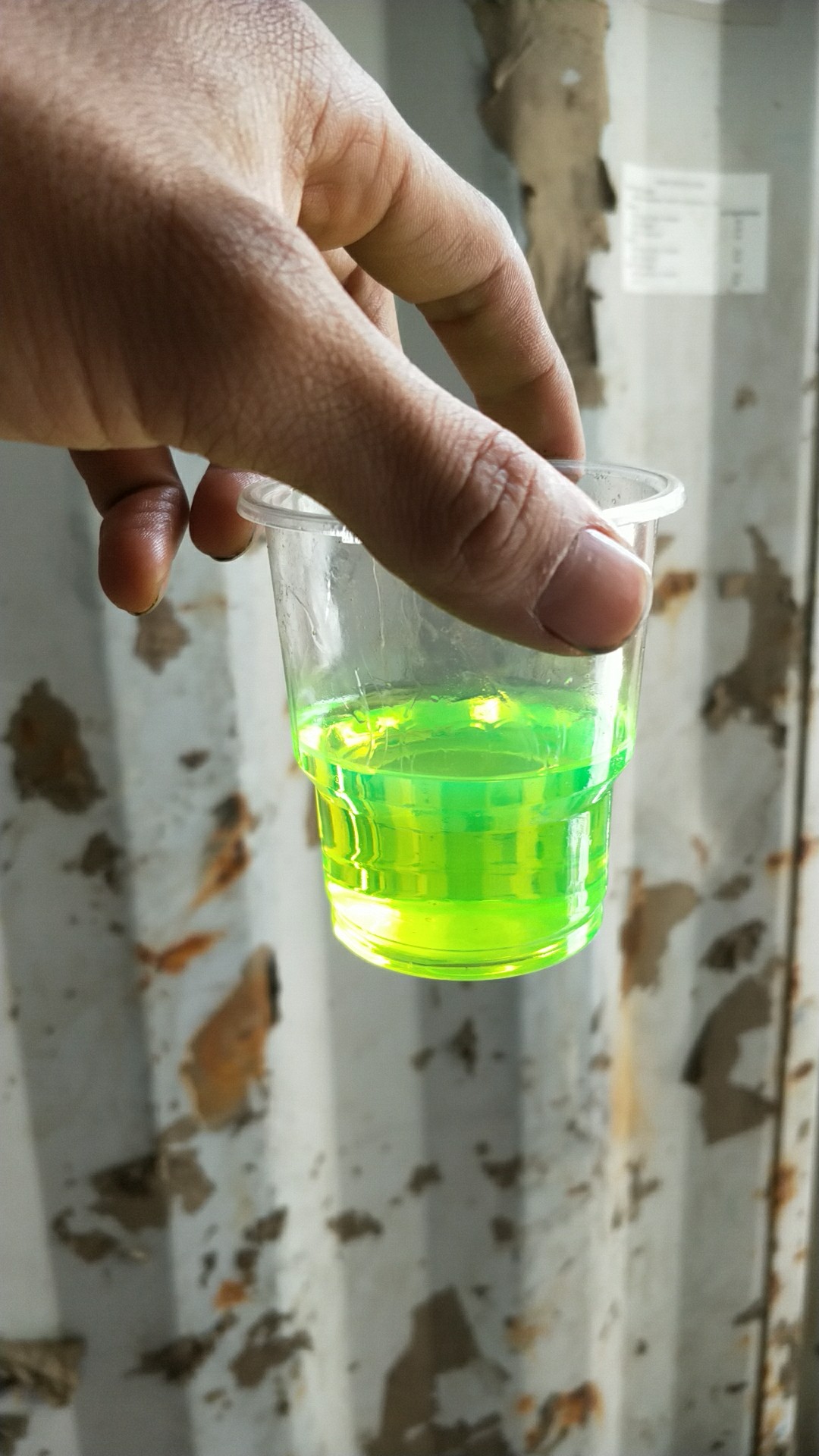
Recycling industrial cleaning agents refers to the act of recycling and reusing cleaning agents used in industrial production processes. Industrial cleaning agents are chemical substances used to clean equipment, machinery, parts, etc., usually containing organic solvents, surfactants, acids and bases, and other components. Due to frequent contact with oil stains, dirt, etc., industrial cleaning agents can become dirty and may contain harmful substances after a period of use.
The purpose of recycling industrial cleaning agents is to reduce environmental pollution and resource waste. By recycling industrial cleaning agents, useful components can be extracted and reused, reducing the demand for fresh raw materials and lowering production costs. Meanwhile, recycling industrial cleaning agents can also reduce environmental pollution and prevent harmful substances from entering water sources, soil, and atmosphere.
The methods for recycling industrial cleaning agents mainly include physical treatment and chemical treatment. Physical processing includes steps such as filtration and distillation to recover cleaning agents by separating impurities and useful components. Chemical treatment is the use of chemical reactions to convert harmful substances in cleaning agents into substances, in order to achieve the purpose of recycling.
It should be noted that the recycling of industrial cleaning agents requires processing to ensure that the recycled cleaning agents meet safety and environmental standards. At the same time, it is necessary to pay attention to the protection of workers during the recycling process and avoid contact with harmful substances that may cause harm to health.