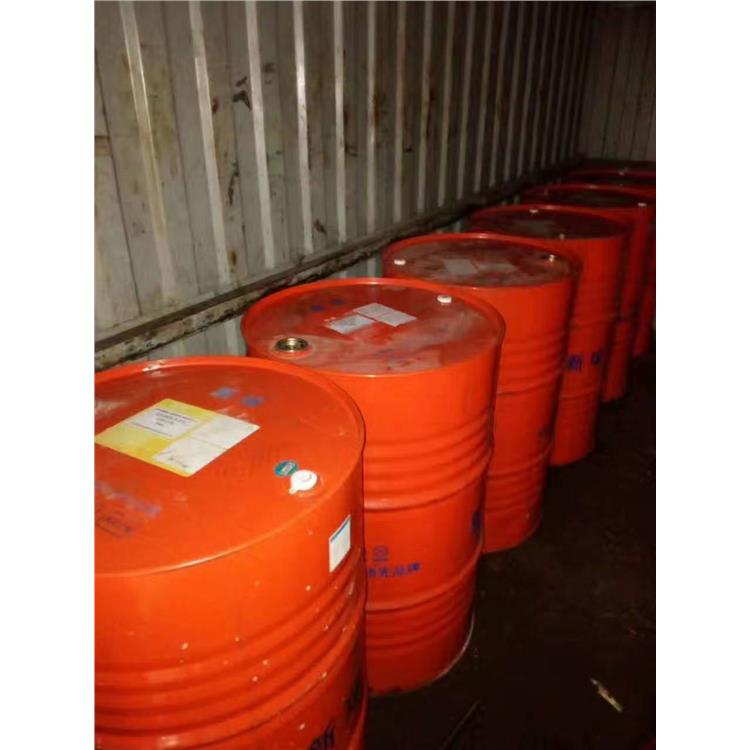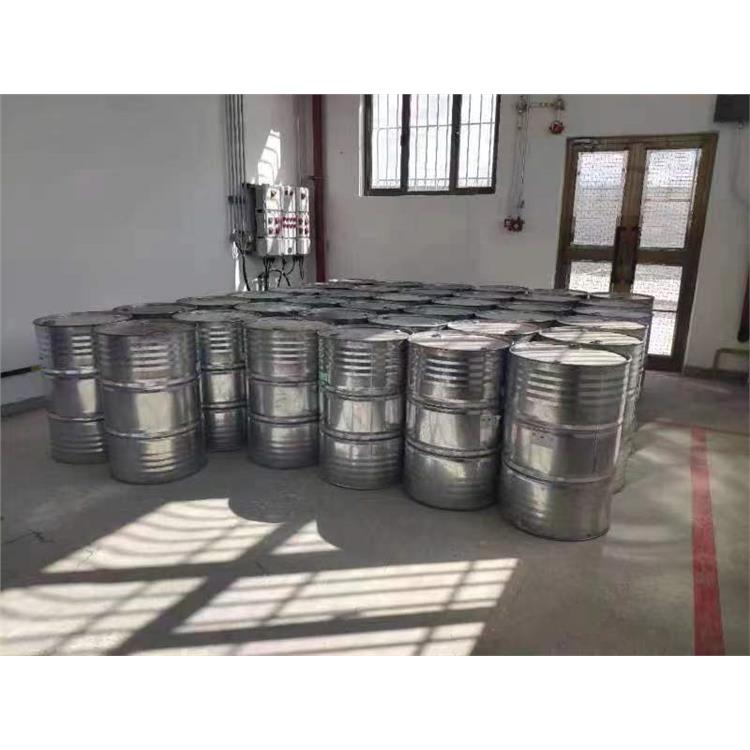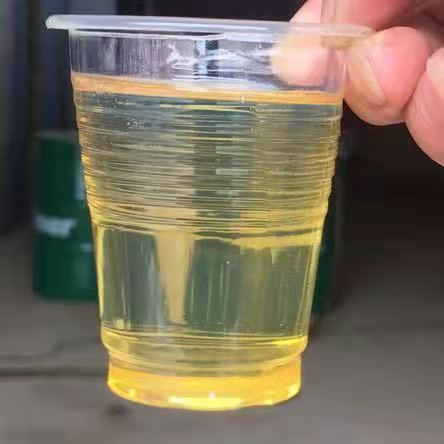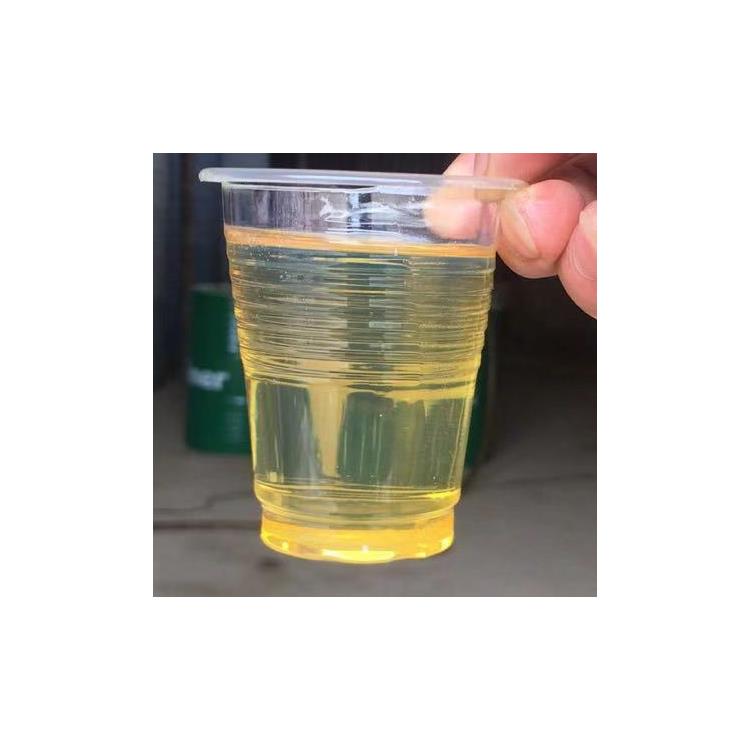



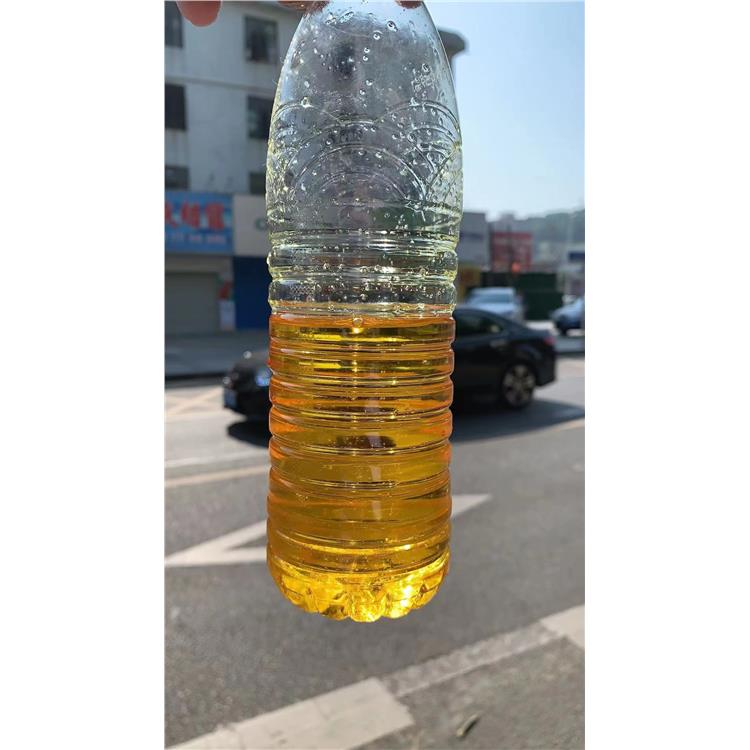

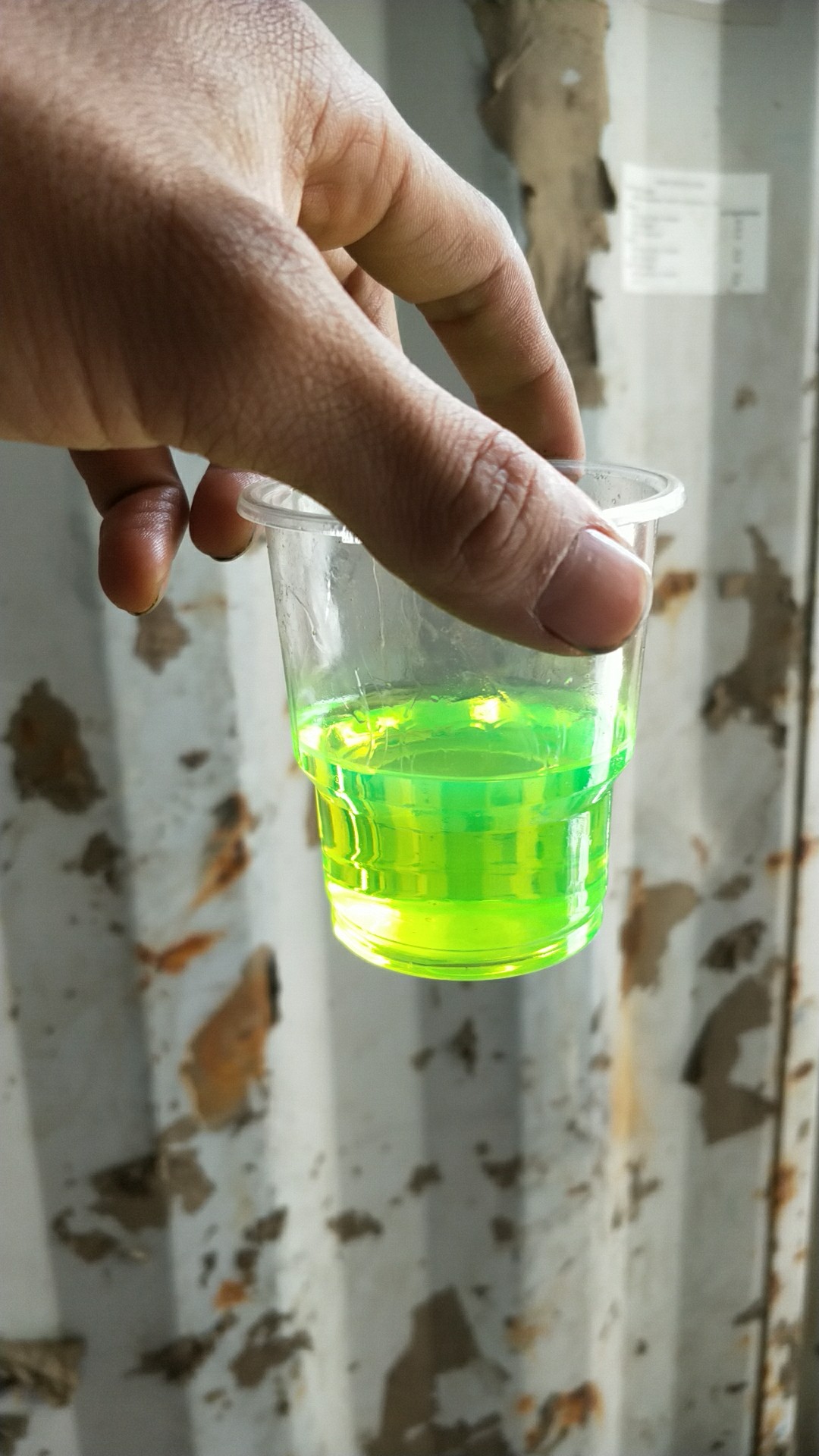





Biodegradable hydraulic oil is developed to meet environmental requirements and control environmental pollution. There are mainly plant base oils and synthetic vinegar. Plant oils are the main development direction of environmentally friendly lubricants due to their natural biodegradability, lubricity, and viscosity temperature properties, as well as their abundant resources and relatively low prices. There is no official product of this hydraulic oil in China.
Is there any recycling of waste liquid pressure oil
Waste liquid pressure oil is recycled.
Many local enterprises and manufacturers will recycle waste oil, heat transfer oil, waste engine oil, waste diesel, waste hydraulic oil, waste gear oil, waste pressure oil, waste quenching oil, waste heavy oil, waste white electric oil, waste oil depots, and various industrial waste oils, chemical waste oils, and ignition oils that are stored, stockpiled, expired, or deteriorated for a long time. And undertake the business of cleaning thermal conductivity system pipelines. So waste hydraulic oil is recycled.
Extended information: Waste liquid hydraulic oil is a type of lubricating oil, which is made by blending base oil and additives. After use, hydraulic oil undergoes shear oxidation, and some of the additives have been exhausted. In terms of indicators, they are no longer qualified and cannot meet the requirements for use. Secondly, during use, oil sludge, impurities, etc. are generated.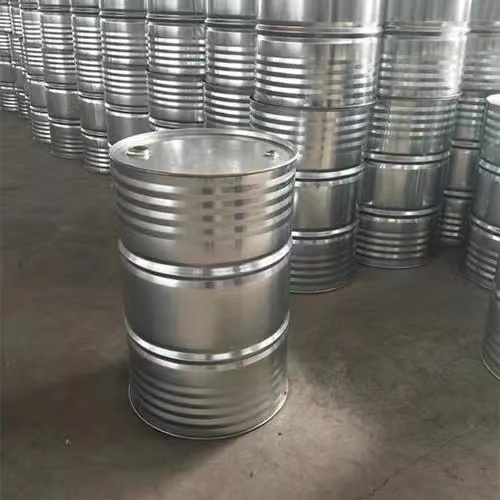
With the rapid development of hydraulic equipment in our country, the production quantity and variety of hydraulic oil are also constantly increasing, but they still cannot meet the demand. Therefore, while striving to accelerate the production of hydraulic oil, it is also necessary to pay close attention to the regeneration of waste hydraulic oil, because the waste oil regeneration process is simple, requires less investment, and has fast results, which is an important link in saving and fully utilizing petroleum resources.
In addition, the recycling and regeneration of waste oil is not only for saving, but also to prevent environmental pollution. Even if waste oil is burned as fuel, the smoke generated is also harmful to air pollution.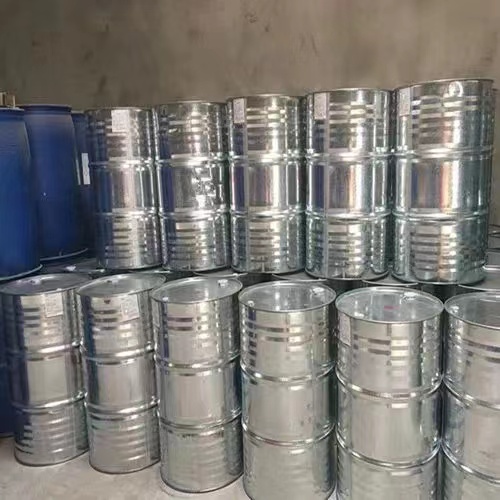
Quality requirements for hydraulic oil
The hydraulic systems of automobiles and construction machinery use hydraulic oil as the working medium. The flow rate of the oil in these hydraulic systems is not high but the pressure is high, so it is called static pressure transmission. The quality of hydraulic oil will greatly affect the reliability and service life of hydraulic systems. The quality requirements for hydraulic oil are usually as follows:
1. Suitable viscosity and good viscosity temperature performance are required to ensure accurate and sensitive power transmission under changing working temperature conditions, and to ensure normal lubrication of hydraulic components.
2. Has good rust and oxidation resistance, is not easily oxidized or deteriorated under high temperature and pressure conditions, and has a long service life.
3. It has good foam resistance, so that under the working condition of continuous mechanical mixing, the foam generated is easy to disappear to stabilize power transmission and avoid accelerated oxidation of hydraulic oil.
Hydraulic oil maintenance work (provided that the equipment is running normally and there are no abnormal conditions).
1. Ensure that hydraulic oil is not used at high temperatures; Oil products will quickly oxidize and deteriorate at high temperatures.
2. The air filter on the hydraulic station should use a filter that can filter both particles and moisture.
3. Using precision filter cartridges to filter hydraulic oil, the pollution level of the oil is maintained at NAS<8 level for a long time. The precision of the filter cartridges provided by the equipment is generally too poor to ensure the cleanliness of the hydraulic oil. Because the dirt tolerance of hydraulic stations is only 5um, and the accuracy of built-in filter elements is often greater than this size, scientific regulations generally require that the pollution level of hydraulic stations be controlled at NAS level less than 8; For equipment with servo mechanisms, higher requirements are required, which should be less than level 7. If you have disassembled the servo valve, then you understand everything, why the pollution level of hydraulic oil needs to be controlled so high. Buy a precision oil filter for online filtration, some filter cartridges have an accuracy of up to 0.1um.
4. Centrifugal dehydration/vacuum dehydration (for oil stations with moisture).
5. Regularly conduct oil testing
Hydraulic oil has a wide range of applications and is a commonly used product in industrial oil. Currently, hydraulic components are developing towards smaller size and higher power, and system pressure is increasing, with some exceeding 50MPa. Low temperature performance is also an important characteristic of hydraulic oil, which requires easy equipment start-up in low-temperature environments, sensitive power transmission, and a long oil change cycle for hydraulic oil. For example, outdoor equipment usually changes oil once a year, and hydraulic oil inevitably undergoes seasonal changes during use. Therefore, using low pour point products for outdoor equipment has better results. Cleanliness has also become a performance requirement for hydraulic oil. Generally, NAS particle size grade should not exceed level 9 for general products, level 7 for clean products, and level 5 for high definition clean products. However, blindly pursuing NAS grade not only has no effect, but also reduces quality and increases costs. For example, some mechanical manufacturers or construction machinery users do not have clean rooms for adding hydraulic oil. Even if they spend a lot of money to purchase NAS 5 grade products, when they open the product, the high-definition and clean NAS 5 hydraulic oil becomes NAS8 grade. Moreover, high NAS grade hydraulic oil means more filtration times, and expensive additive components will be filtered out during the filtration process. Therefore, from a perspective, NAS grade is not to be pursued.
6. Prevent air from entering the oil
The oil pump suction port should be sealed reliably, and the suction pipe in the oil tank should not be too close to the oil level. The system should be equipped with exhaust valves to release free air from the oil.
7. Reasonable design of fuel tank
The oil suction pipe should be kept away from the oil return pipe, and materials such as lead, zinc, copper that catalyze oil oxidation should be avoided. The oil tank should be coated with oil resistant anti rust paint, and the cooler in the tank should not leak water.
Our slogan is: Together with ordinary people, we strive to make extraordinary environmental protection achievements. This not only helps improve environmental quality, but also provides convenience for enterprises and institutions to dispose of waste, making better contributions to improving environmental protection. We adhere to the business principle of "reduction, resource utilization and harmless".
WeChat Official Account

Scan to follow Official Account