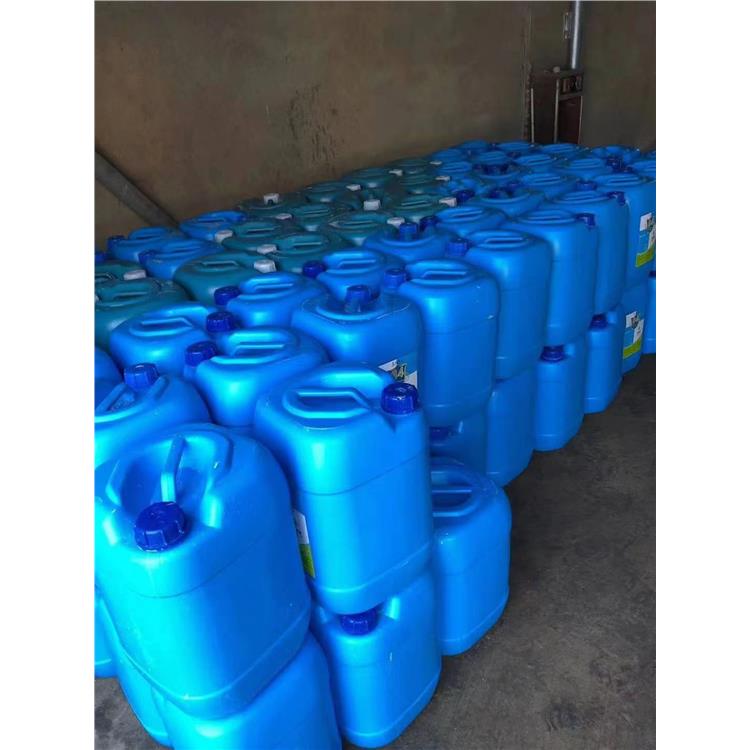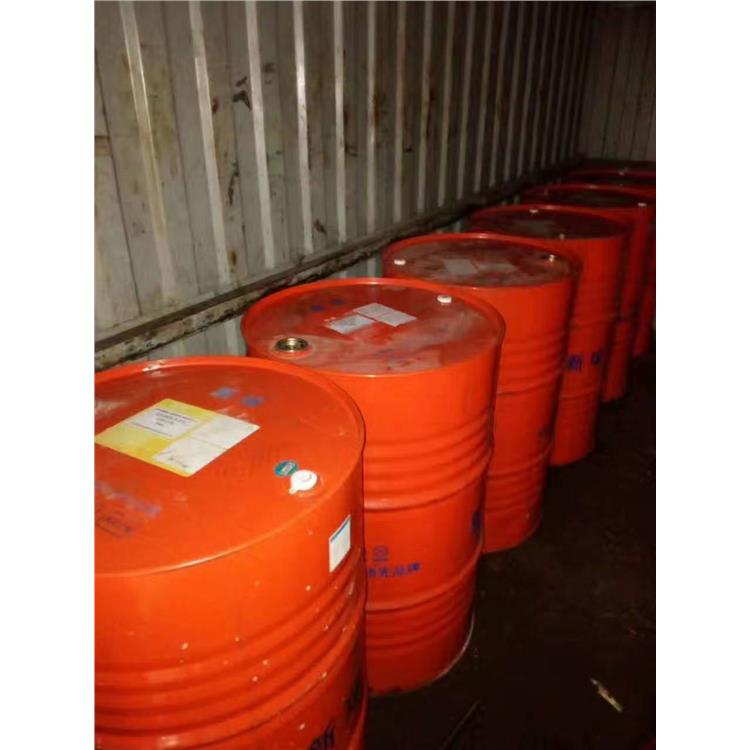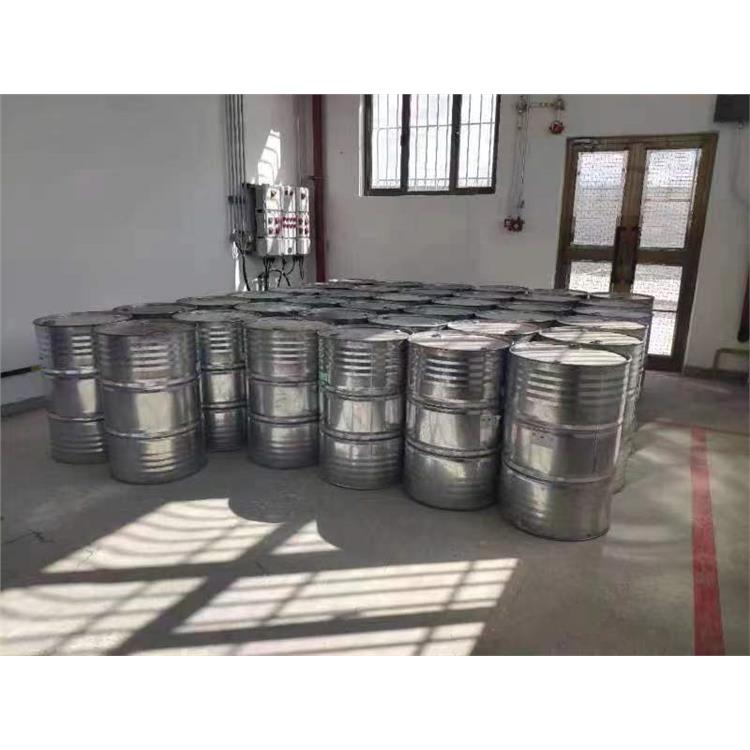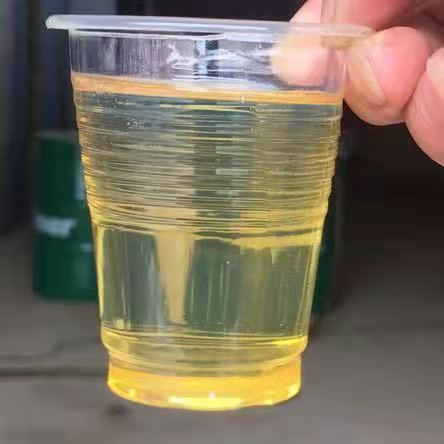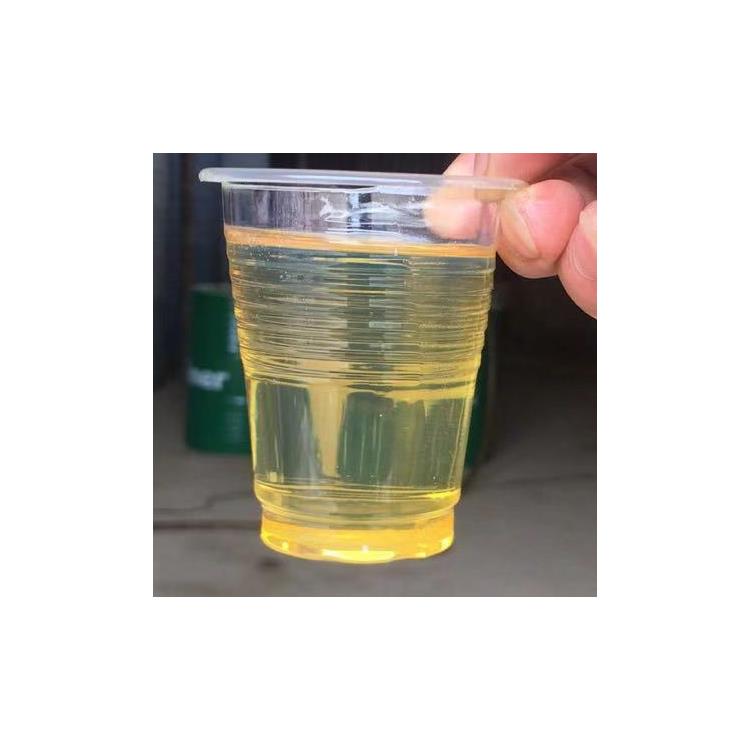

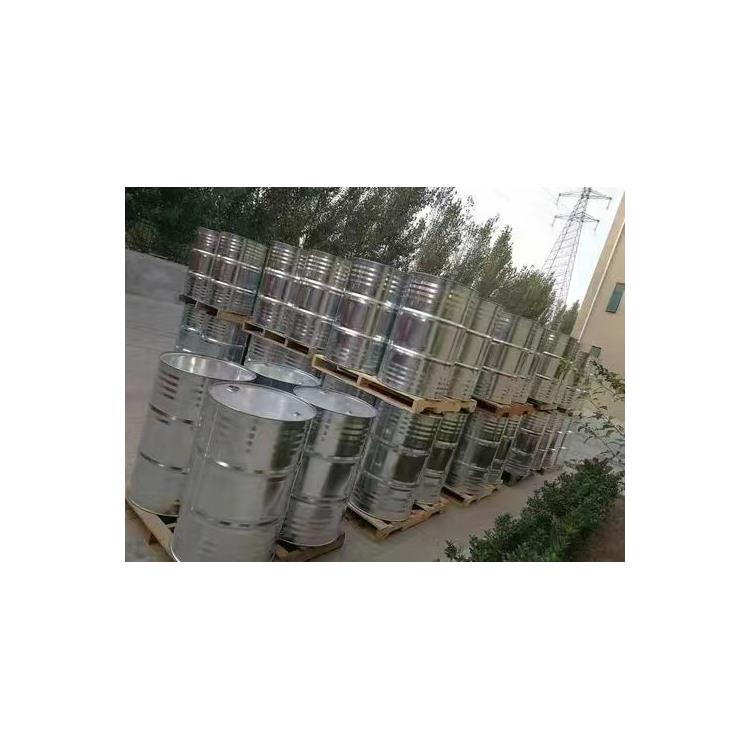
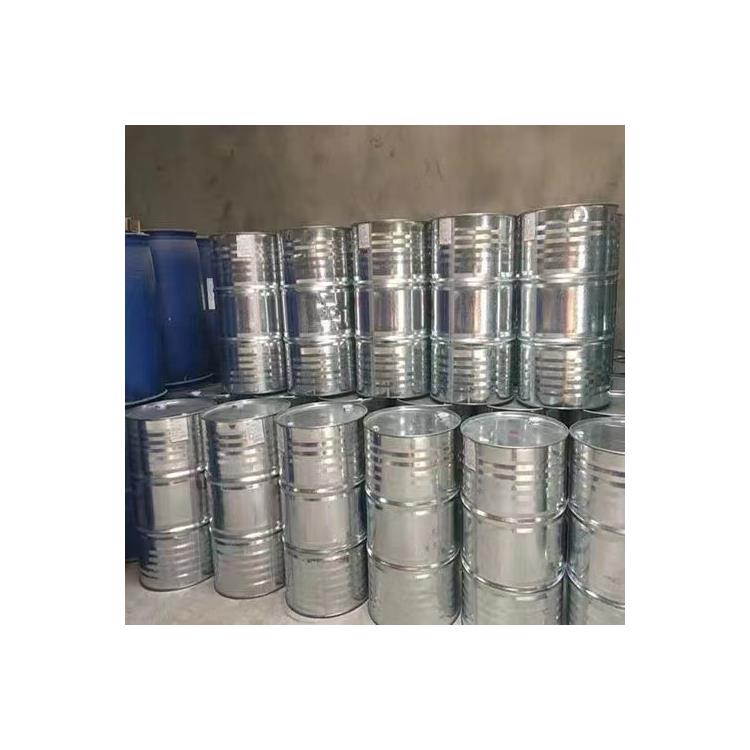


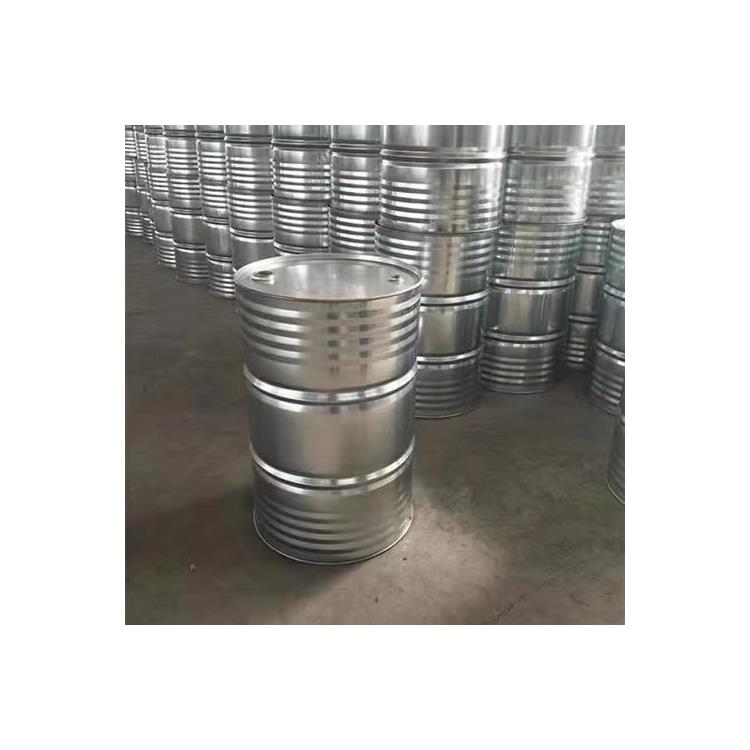






Advantages of hydrocarbon cleaning agents:
1. Strong cleaning ability
Carbon hydrogen cleaning agents can achieve the same effect as traditional non flammable solvents. According to the principle of similar compatibility, they can clean dirt on metal surfaces, such as chips, metalworking oil, rust proof oil, quenching oil, etc.
2. Provide a good working environment
Carbon hydrogen cleaning agents do not contain aromatic hydrocarbons, have low odor, low skin irritation, are safe for human health, and can provide a good working environment for cleaning workers.
3. Non corrosive to metals
Carbon hydrogen cleaning agent is a neutral cleaning agent, which will not cause acidification during recycling and has no corrosion to metals. It does not contain water and has high electrical insulation, which will not cause expansion or deformation of most coatings and plastics.
4. Easy to use
Carbon hydrogen cleaning agents can be used for vacuum ultrasonic and ultrasonic cleaning, as well as manual soaking and scrubbing. The device is widely sold in the market. Equipment can be customized according to demand, with a wide range of uses. Waste liquid can usually be treated by combustion or regeneration without paying any processing fees.
The characteristics of laser cleaning: The laser beam has high density, high coherence, high directionality, and monochromaticity. In the process of laser cleaning, the following characteristics of laser are mainly used: 1. Laser beams can achieve high concentration of light energy in time and space, and focused laser beams can generate high energy around the spot, causing dirt to quickly evaporate, evaporate, or peel off. 2. The scattering characteristics of laser beams are small and the directionality is stable. Through the focusing system, the laser beam can form light spots of different diameters as needed.
By controlling the laser beam spot with different diameters, the energy density of the laser can be adjusted to cause changes in the dirt during heating. When the expansion force of dirt is greater than the adsorption force of dirt on the substrate, the attachment will separate and fall off. 3. Laser cleaning beams can generate high-frequency ultrasonic waves on solid surfaces, resulting in mechanical resonance and rapid breaking and detachment of dirt. Metal cleaning agents are widely used in industrial production.
They are commonly used for surface degreasing and descaling before and after metal processing, as well as for cleaning processes before assembly or packaging of finished products. In the electronics industry, it is also necessary to use cleaning agents to remove harmful residues after PCB soldering. In addition, metal cleaning agents are commonly used for the maintenance of mechanical equipment. In the field of metal surface treatment, cold-rolled steel plates or metal workpieces require anti-corrosion treatment during storage, that is, the surface is coated with grease. Therefore, degreasing and surface cleaning are required before use.
The purpose of metal degreasing cleaning is to remove grease from the metal surface and provide a clean metal surface for electroplating, coating, or other metal protection treatments. Therefore, the selection and cleaning effect of cleaning agents are not only related to the performance and quality, corrosion resistance, and service life of metal workpieces, but also to energy consumption and environmental protection, directly affecting the smooth progress of various processes in the production process. Solvent based metal cleaning agents are gradually being replaced by semi solvent and water-based metal cleaning agents.
Water based metal cleaning agents are used to clean oil, grease, and wax on metal surfaces with the help of surfactants, alkaline detergents, complexing agents, solvents, corrosion inhibitors, defoamers, and solubilizers through functions such as wetting, emulsification, permeation, dispersion, and dissolution. Water based metal cleaning agents are detergents composed of water as the solvent, composite surfactants as the main cleaning agent, and various additives.
Two or more surfactants are usually used in combination to achieve a synergistic effect. It is of great practical significance to develop metal cleaning agents with excellent low-temperature cleaning performance, low cost, stable performance, and biodegradability through the synergistic effect of various functional components according to the cleaning purpose. 2. Chemical cleaning is a method of removing surface dirt from objects using chemicals or other solvents based on the action of chemical reactions.
If various inorganic or organic acids are used to remove rust and scale on the surface of objects, and oxidants are used to remove the surface of objects. Surface pollution or coatings (such as oxide skin) are removed by chemical reactions with them, such as acid and alkali washing of the oxide skin. In order to prevent corrosion of the substrate during chemical cleaning or to control the corrosion rate within an allowable range, appropriate amounts of corrosion inhibitors and activation, permeation, and wetting additives are usually added to the chemical cleaning solution.
Method: Immersion method, circulation method, and cleaning method during operation are also known as uninterrupted chemical cleaning method. 3. The anti scaling and descaling principle of electronic cleaning method is to use high-frequency electric field to change the molecular structure of water to prevent scaling and descaling. When water passes through a high-frequency electric field, its molecular physical structure changes. The original binding chain macromolecule decomposes into individual water molecules. The positive and negative ions of salt in water are surrounded by a single water molecule, resulting in a decrease in movement speed, a reduction in effective collision frequency, and a decrease in electrostatic attraction.
It is impossible to construct structures on heated walls in order to achieve the purpose of scale prevention. At the same time, due to the increase in the even moment of water molecules, it increases the ability to attract positive and negative ions (scale molecules) of salt, making the scale on the heating surface or pipe wall soft and easy to fall off, thus producing a descaling effect. 4. Electrostatic descaling, like electronic descaling, also achieves the purpose of descaling by changing the state of water molecules. But the latter uses the action of an electrostatic field rather than the action of electrons.
WeChat Official Account

Scan to follow Official Account