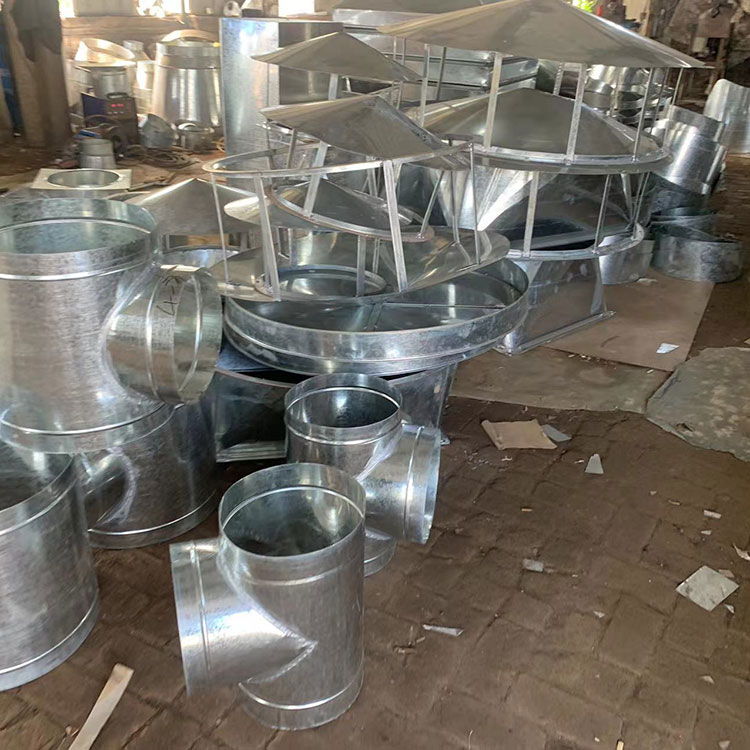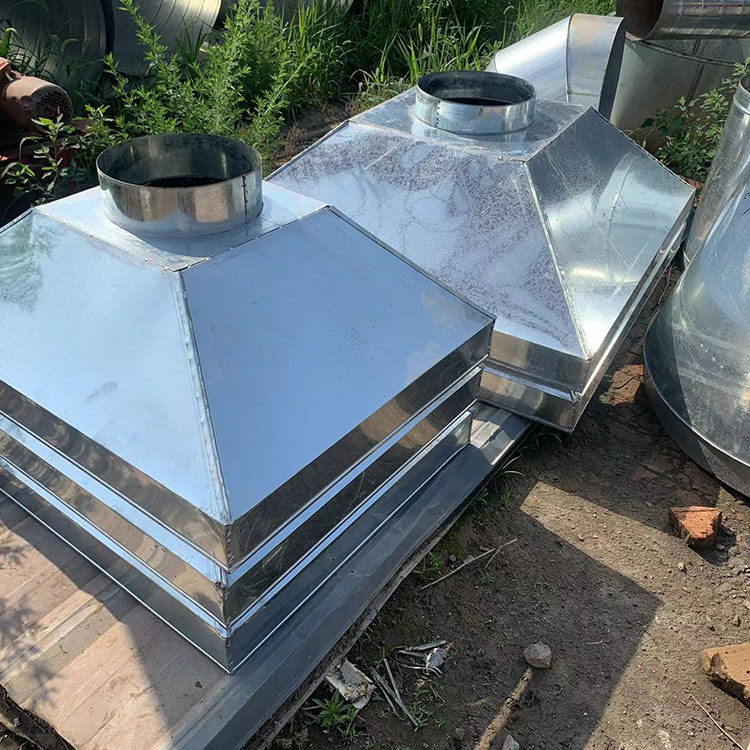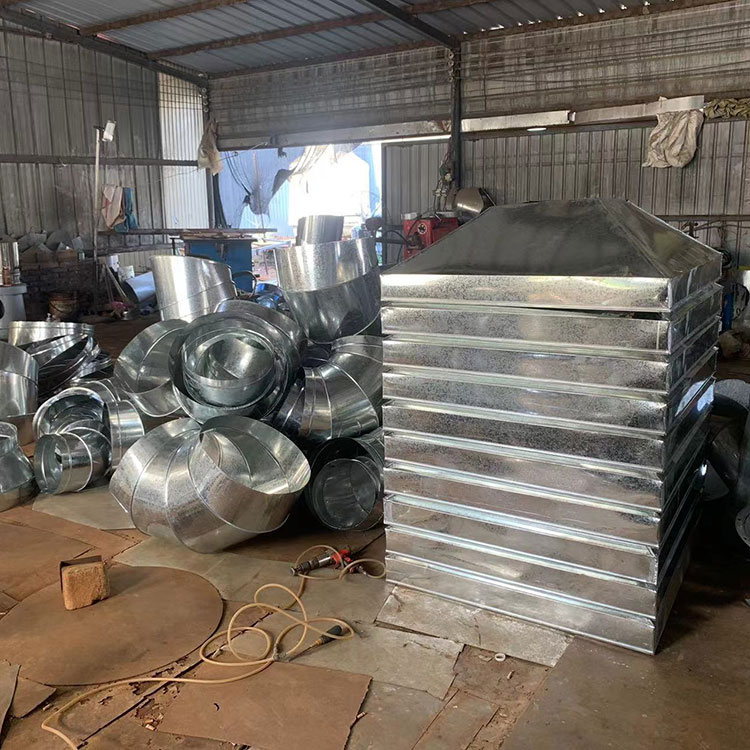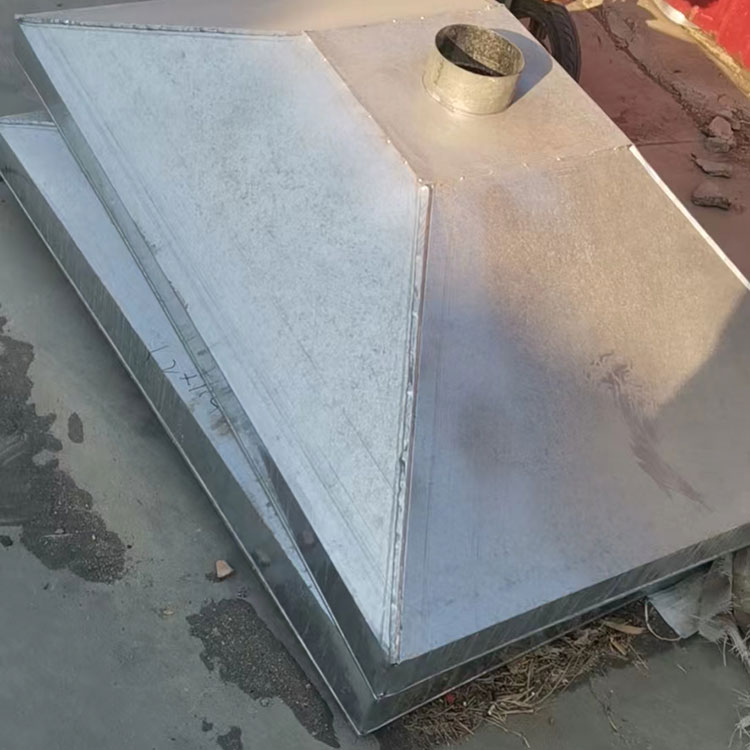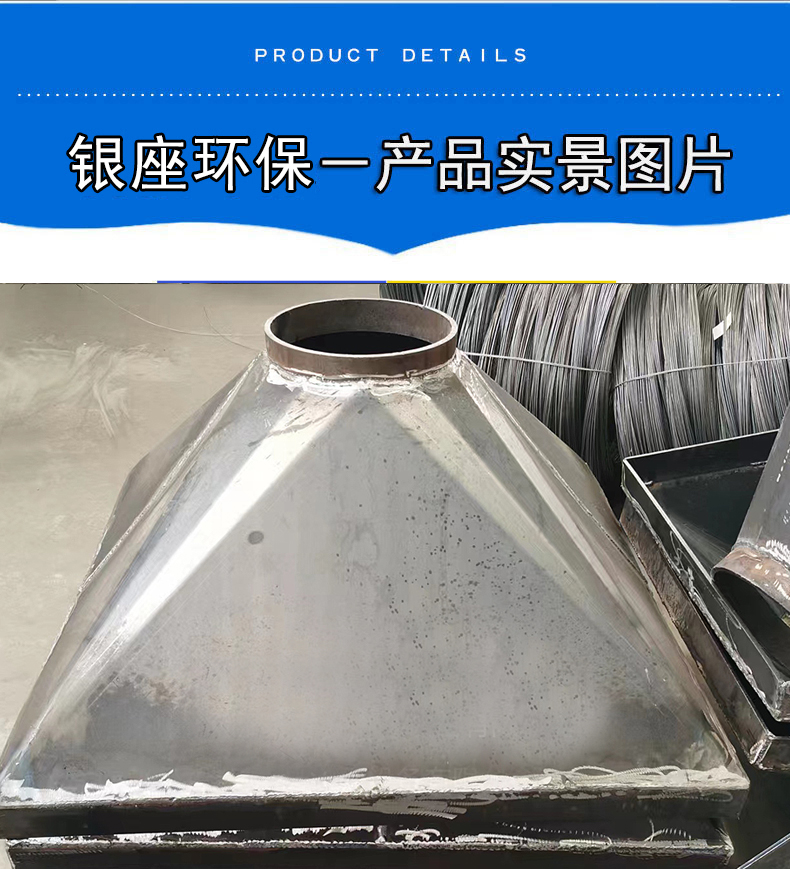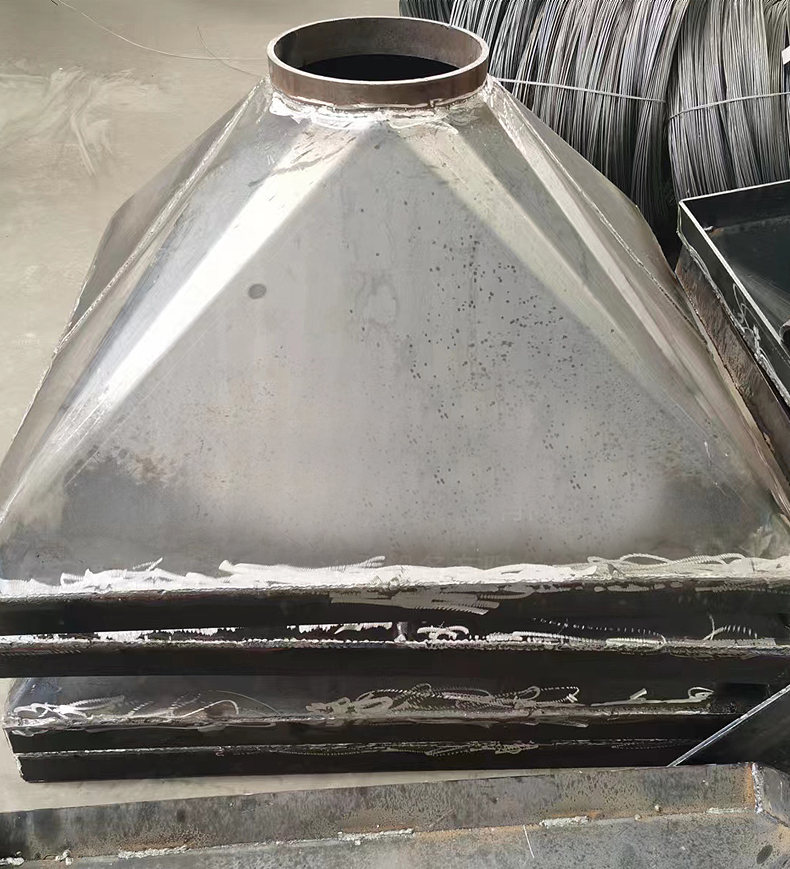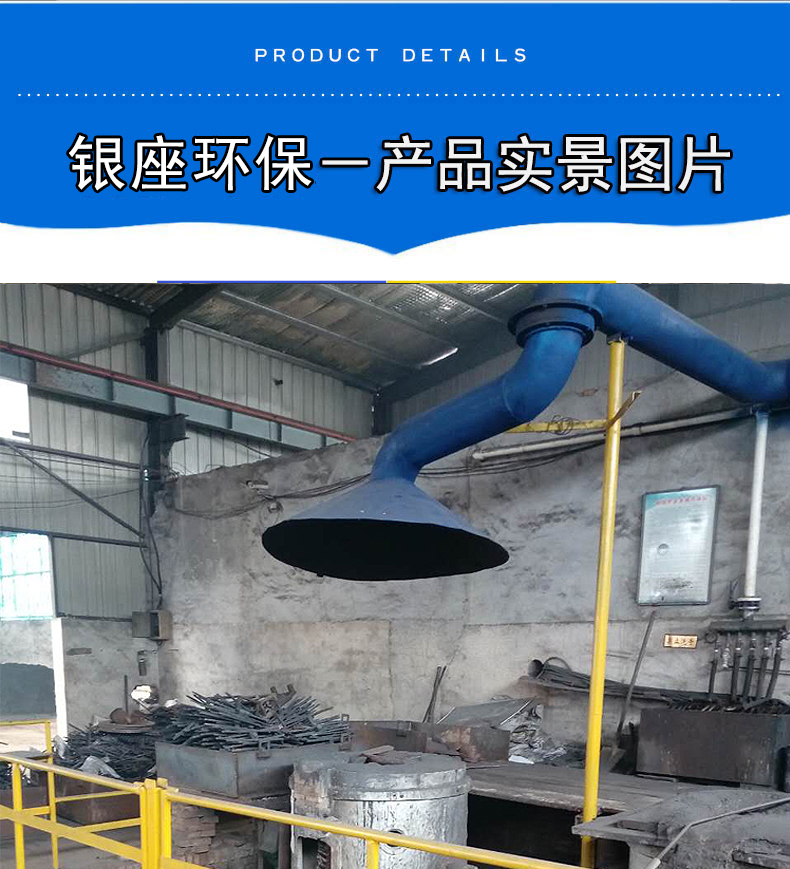

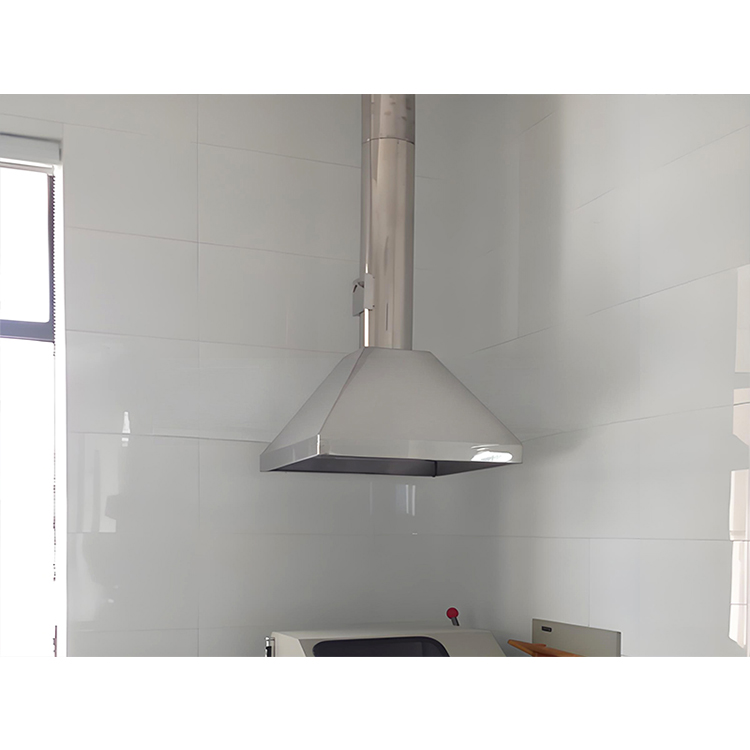


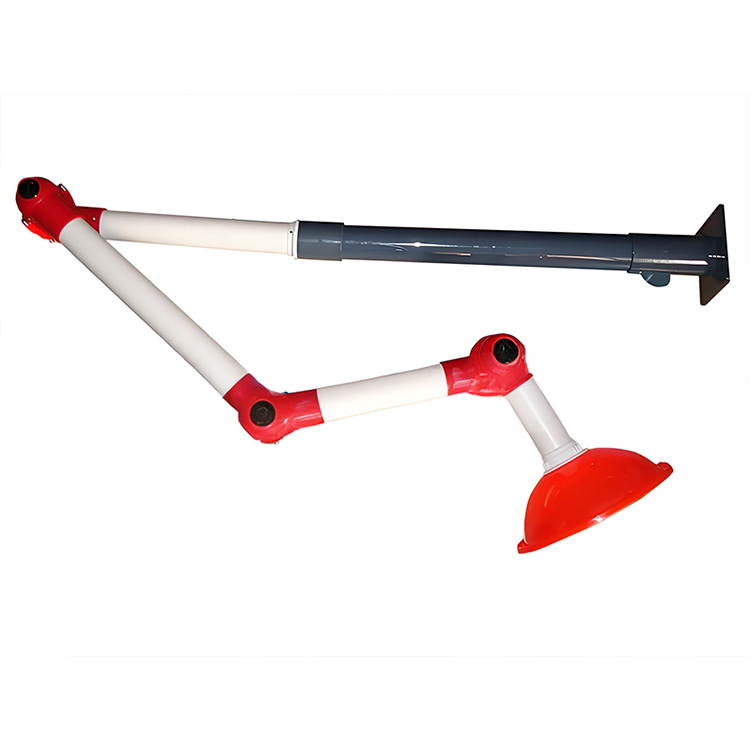
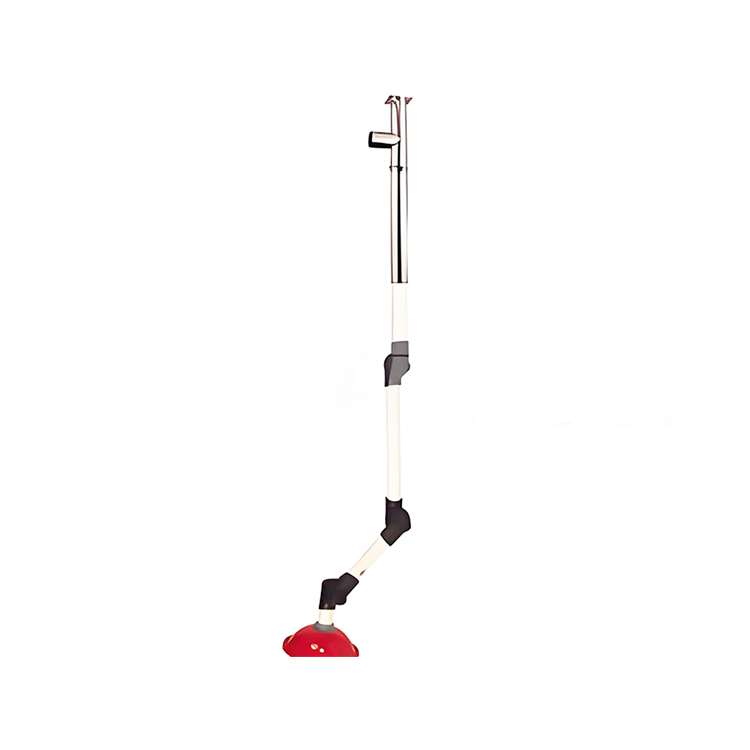
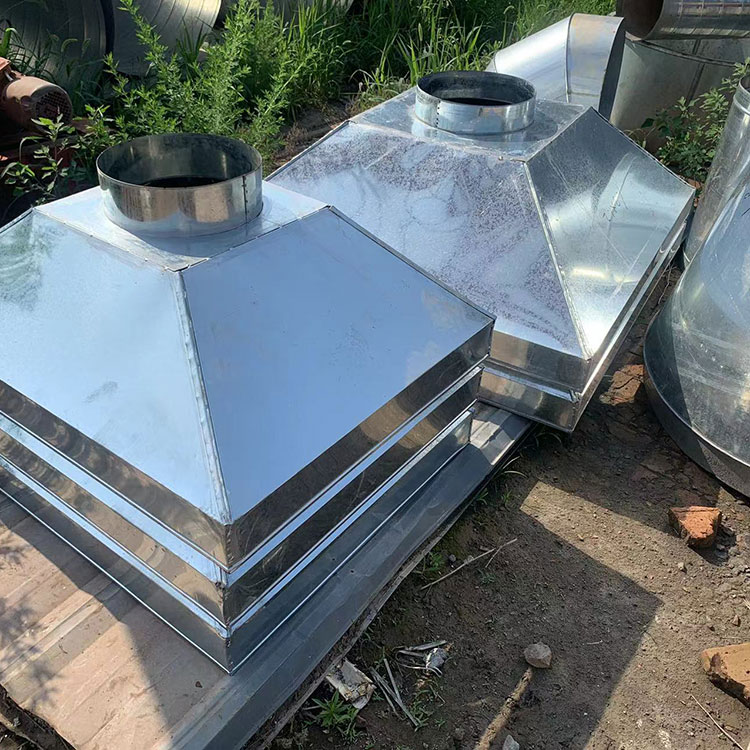





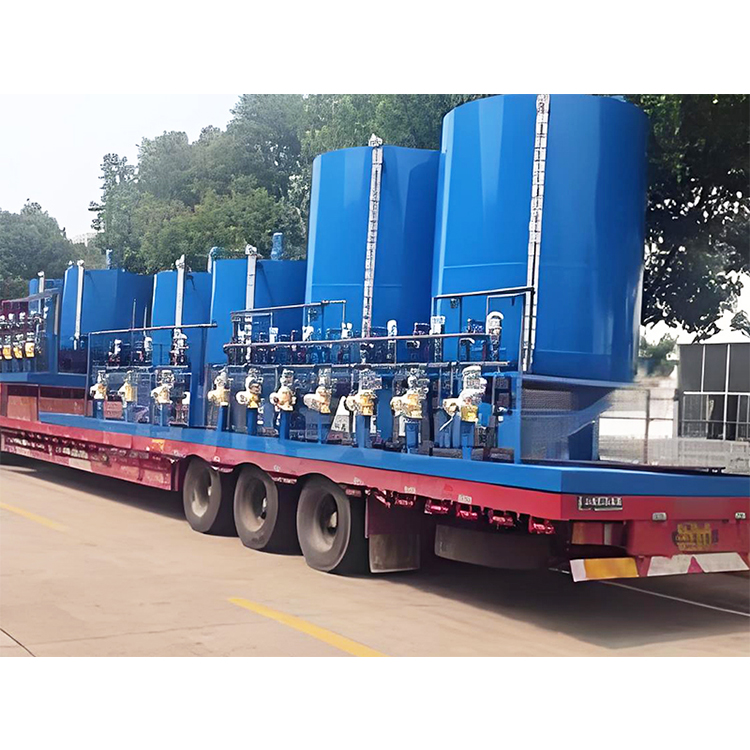
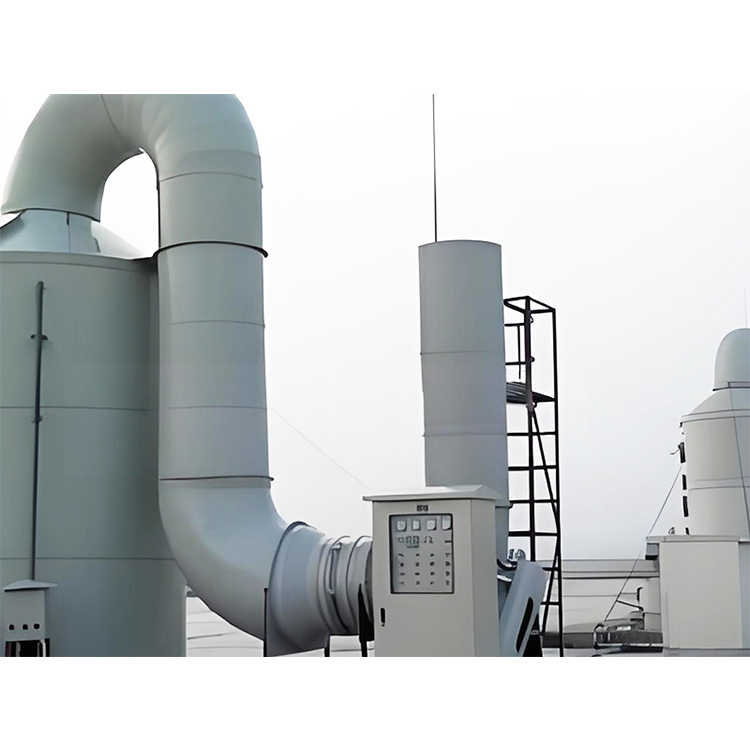
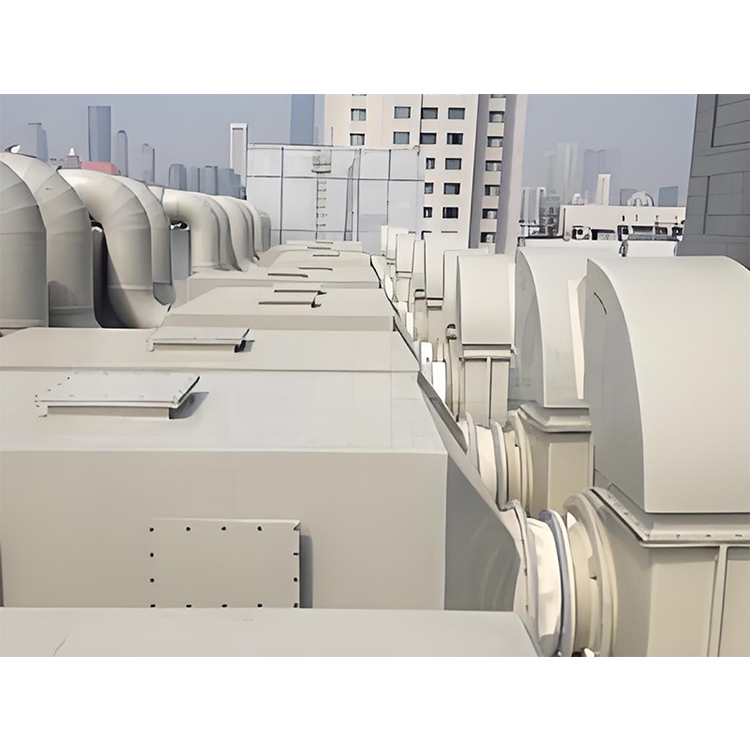
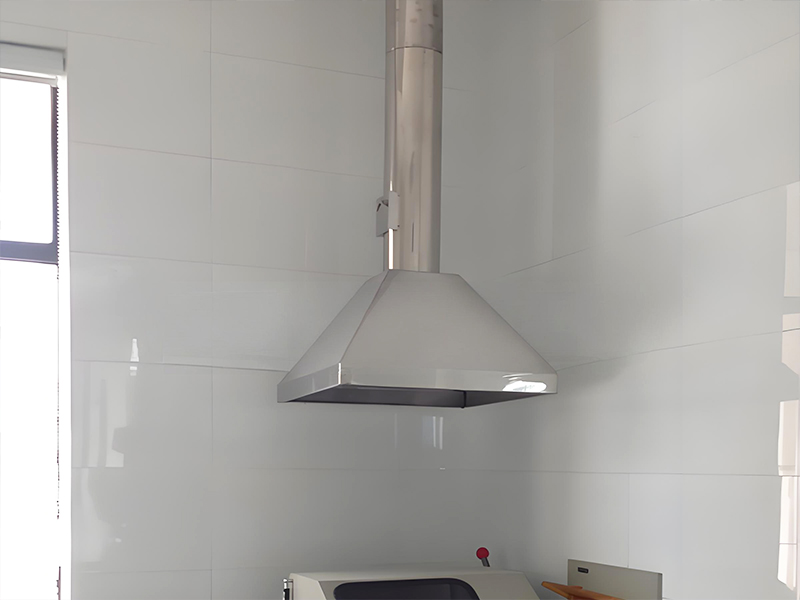
The Atomic Extraction Hood, also known as the Atomic Absorption Hood or the Omni-directional Extraction Hood, is a flexible exhaust device designed for local, pinpoint, and small-scale pollution sources in laboratories. It is primarily used to capture trace amounts of harmful gases (such as combustion exhausts, reagent volatiles) generated during the operation of instruments like atomic absorption spectrometers and spectrophotometers, or temporary微量dust/fog produced during experimental procedures. It features flexible adjustment and accurate exhaust, serving as an important supplement to the laboratory's local ventilation system.
Key Product Features
Flexible and adaptable
Flexible connecting tubes can bend and set in 360°, with the collar accurately aligning to the instrument exhaust ports (such as the combustion head of an atomic absorption spectrometer or the opening of a reagent bottle), solving the issue of "vent hoods not covering the local exhaust of small instruments"; moreover, the stand can be adjusted for height, accommodating different needs from desktop small instruments to floor-standing equipment.
Precise ventilation, high efficiency
The hood is positioned close to the pollution source (usually within 100-300mm of the exhaust point), "close-range capture" reduces the spread of harmful gases; compared to fume hoods (which need to cover the entire operating chamber), the atomic suction hood has a lower air volume (standard exhaust volume of 50-150m³/h), effectively removing pollutants while also reducing the overall energy consumption of the laboratory's exhaust system.
Compact size, space-saving
Freestanding, simply secured to the ceiling or wall with brackets, it does not occupy space on the lab table or the floor. Particularly suitable for "instrument-intensive, space-constrained" laboratories (such as chemical and physical analysis rooms, small testing labs), it can be flexibly paired with lab tables and instruments.
Easy installation and maintenance, low cost
Installation requires no complex engineering (just connect to the lab's main exhaust duct and secure the bracket), with a short construction period; daily maintenance involves wiping the cover and connecting pipes with clean water or a neutral detergent (no complex components); and the price is significantly lower than that of a fume hood (cost per unit typically ranges from a few hundred to a few thousand yuan), offering high value for money.
Applicable Scenarios & Usage Taboos
1. Core Application Scenarios (Micro, Targeted, Low Concentration Pollution)
Instrumentation Sets: Atomic Absorption Spectrophotometer, Atomic Fluorescence Spectrophotometer (for capturing exhaust gases from combustion and acid mist during sample dissolution); Spectrophotometer, Chromatograph (to exclude volatile gases from organic solvents in reagent bottles).
Experimental Operation: Opening of small reagent bottles for sampling (e.g., volatile acids, organic solvents); dissolution of trace samples on the laboratory bench (e.g., auxiliary exhaust for microwave digestion instruments).
Other Scenarios: Temporary and scattered small-scale pollution points in laboratories (e.g., slight gas leaks from a single reagent bottle, exhaust from small equipment).
2. Prohibited Use Scenarios (To Avoid Safety Risks)
Prohibition of Capture: Large quantities and high concentrations of harmful gases (such as gases produced by large-scale chemical mixtures and the evaporation of large amounts of organic solvents), due to limited exhaust air volume, cannot be eliminated promptly, leading to easy gas dispersion.
Do not use in high-temperature pollution sources (such as open flame heating, equipment exhaust over 200℃), to avoid high temperature damage to flexible connection pipes (such as PVC pipe softening and deformation) or enclosures.
Prohibited: Capturing large amounts of dust (such as grinding of solid samples, powder repackaging). Dust tends to adhere to the inner wall of connecting tubes, and long-term accumulation may block the pipes, affecting exhaust performance.
Use and Maintenance Precautions
Inspect before use
Confirm that the hood is aligned with the pollution source (recommend distance from exhaust point ≤ 300mm to ensure capture efficiency).
Inspect for any damage or aging (such as cracks or deformations) in the connecting pipes. Replace promptly if necessary to prevent gas leaks.
After turning on the exhaust system, confirm that the airflow control valve is set to an appropriate opening (determine proper exhaust function by "paper placed near the vent can be sucked in").
Daily Operation Guidelines
Avoid excessive pulling or tugging on the flexible conduit (to prevent wire mesh frame breakage or pipe damage).
If any reagents drop onto the hood or connecting tubes during the experiment, they should be wiped with clean water promptly (to prevent corrosion of the materials).
When not in use, the cover can be folded up to minimize space usage and prevent accidental collisions.
Routine maintenance
Every 3-6 months: Check if the bracket is securely fastened (to prevent loosening causing the cover to fall off), and clean the slight dust accumulation inside the connecting pipe (use compressed air for sweeping).
Annually: Inspect check valves for proper closure and replace aged connection pipes or regulating valves (especially in strong acid experimental environments, where material aging occurs faster).