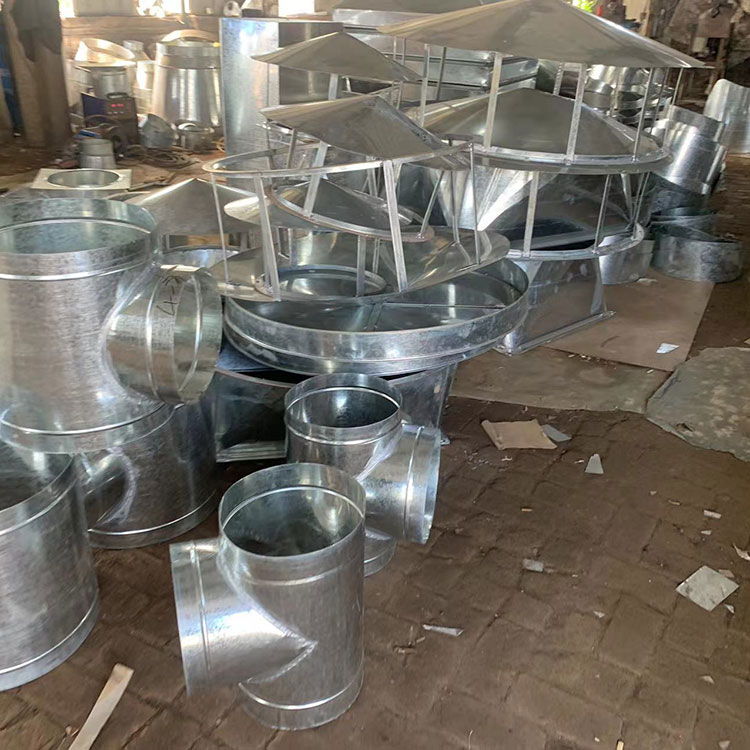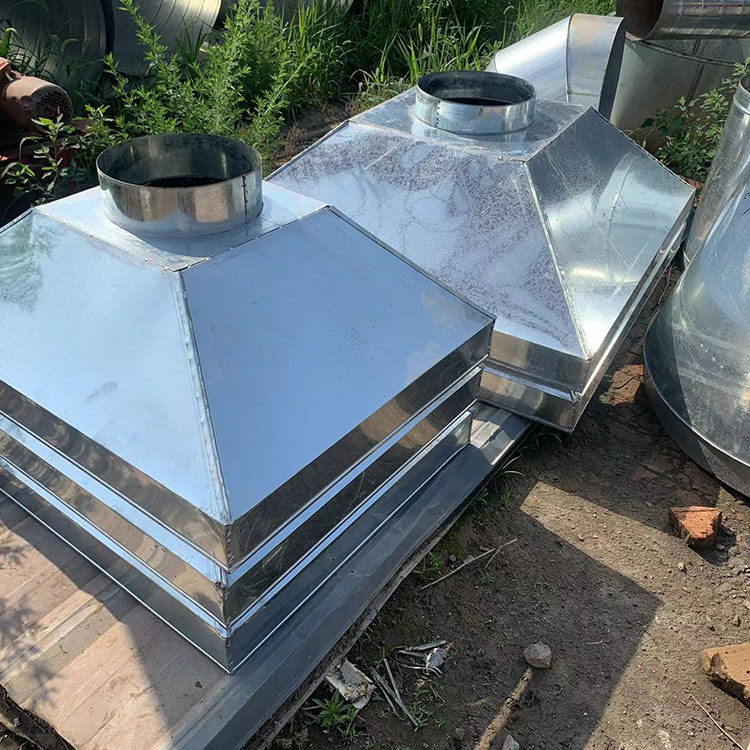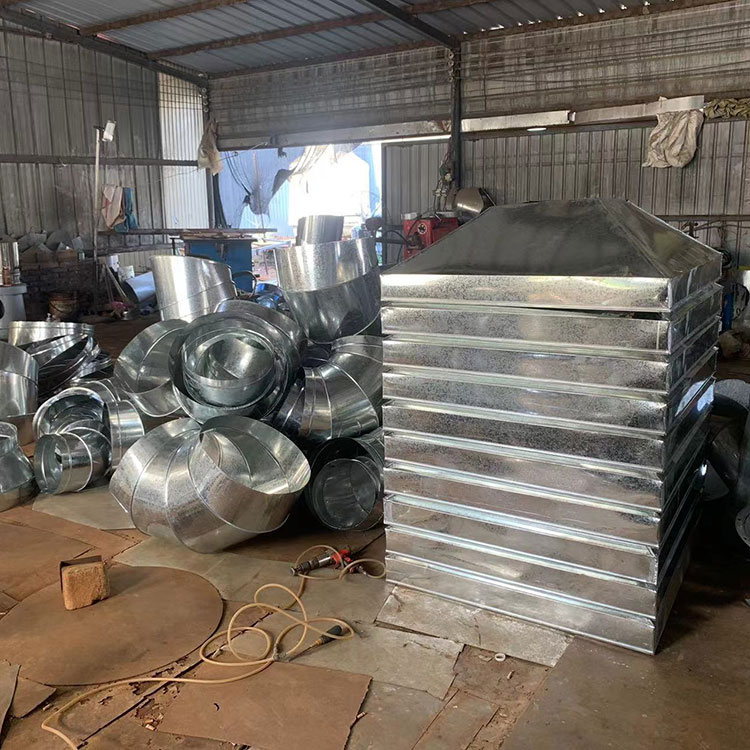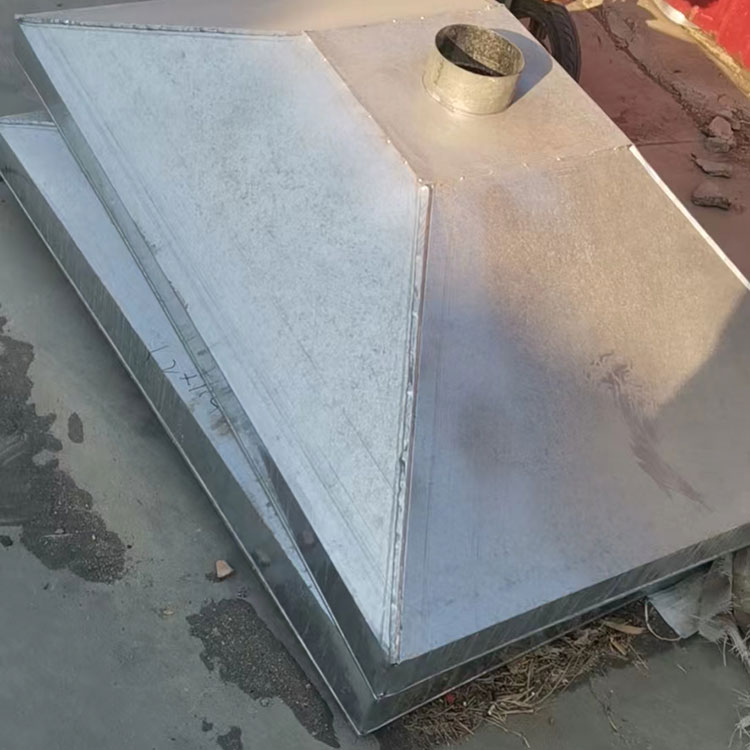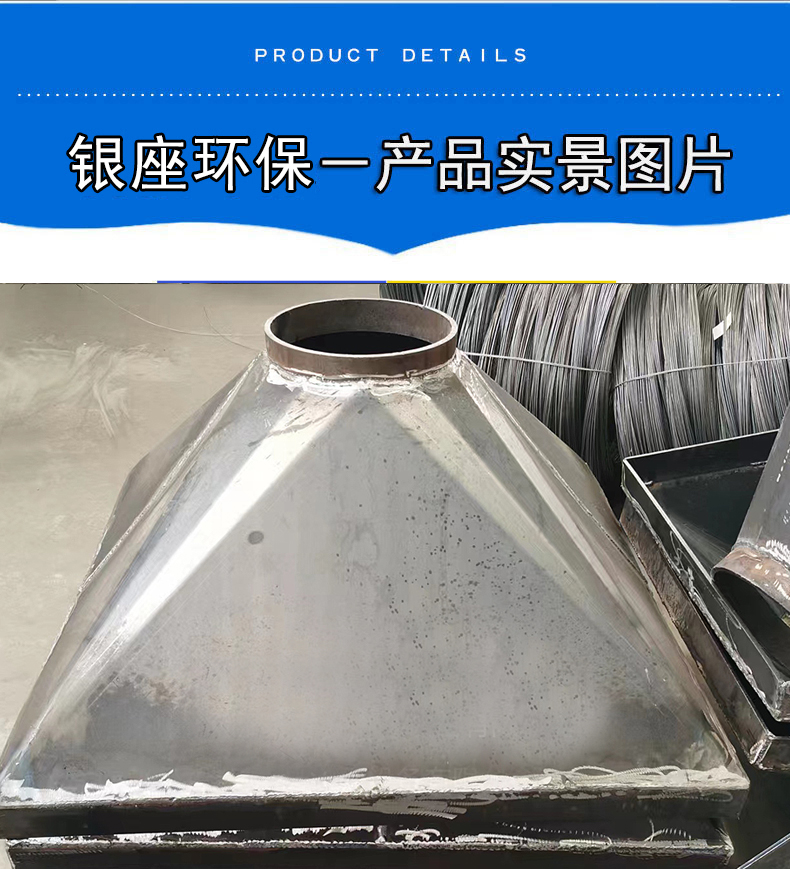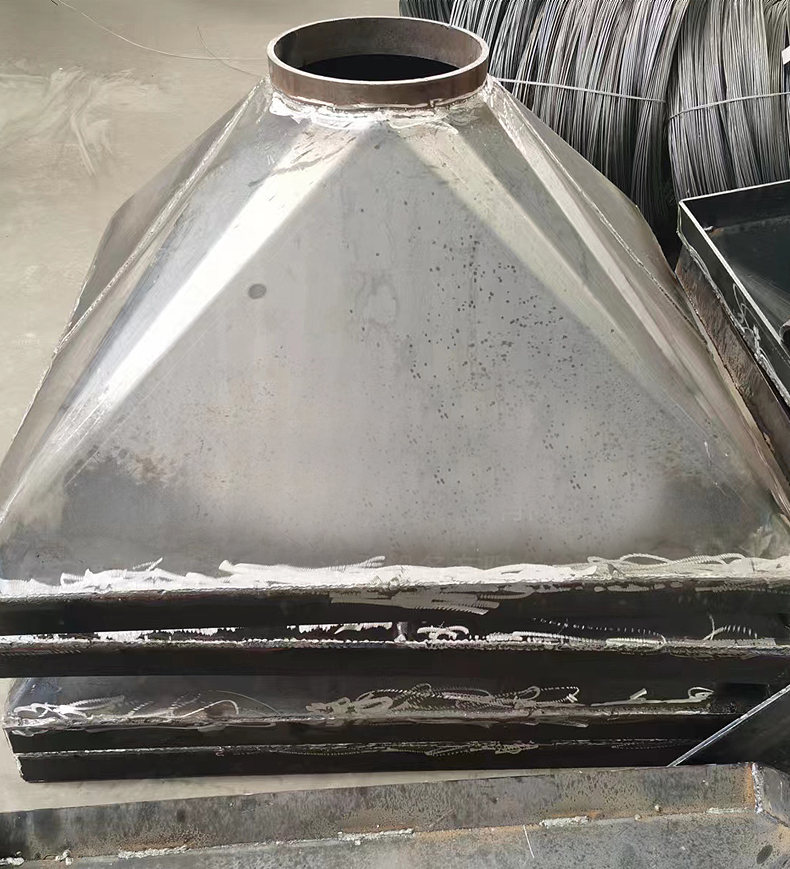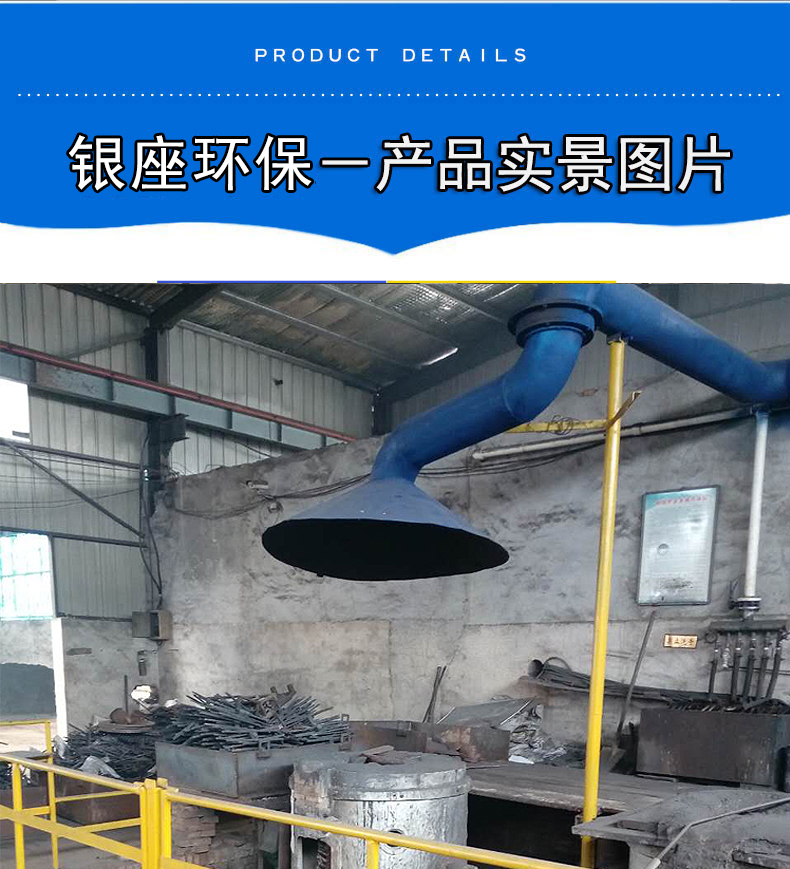

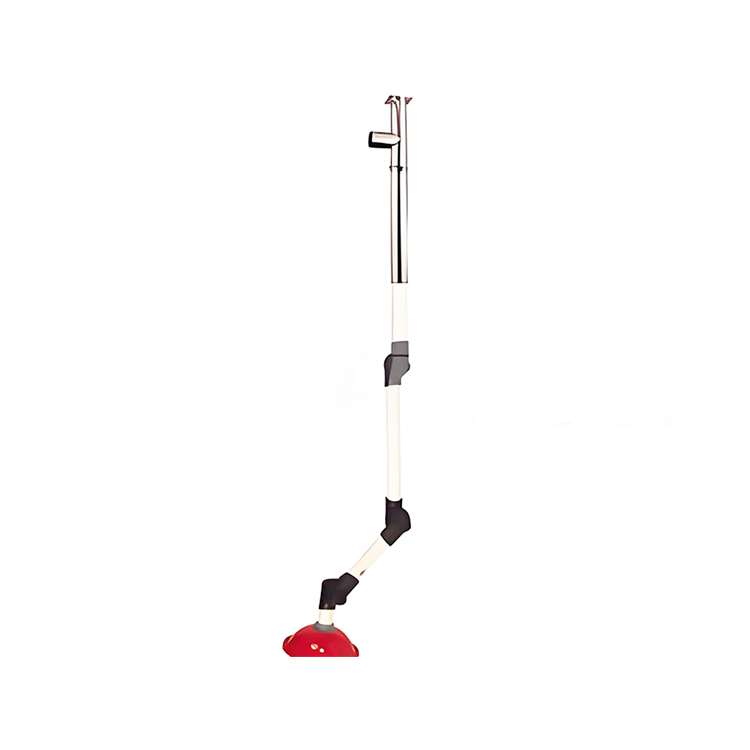


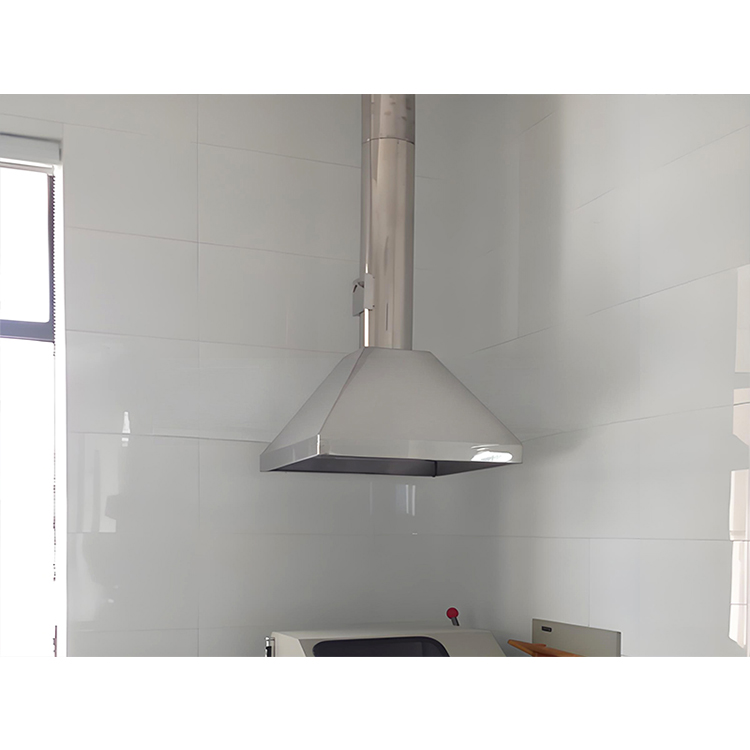
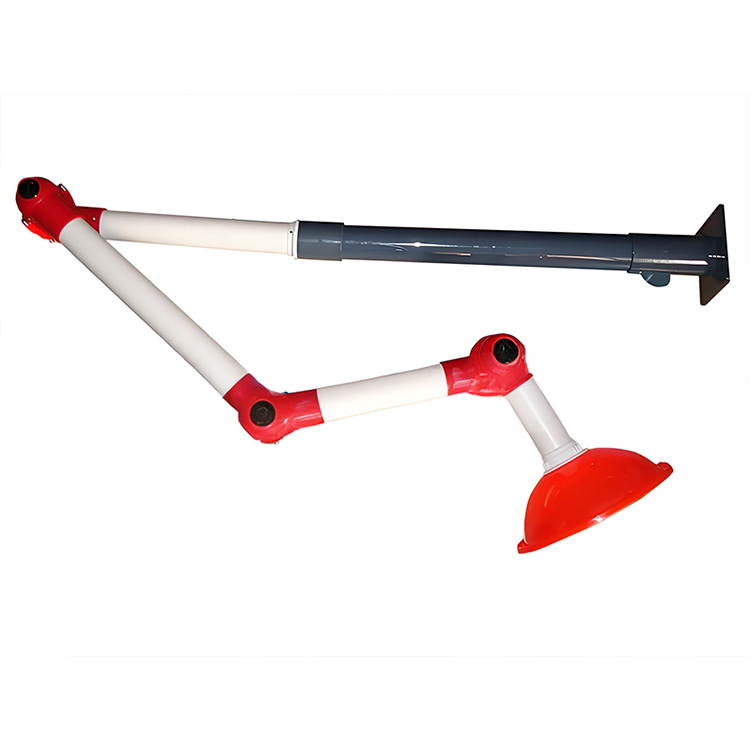
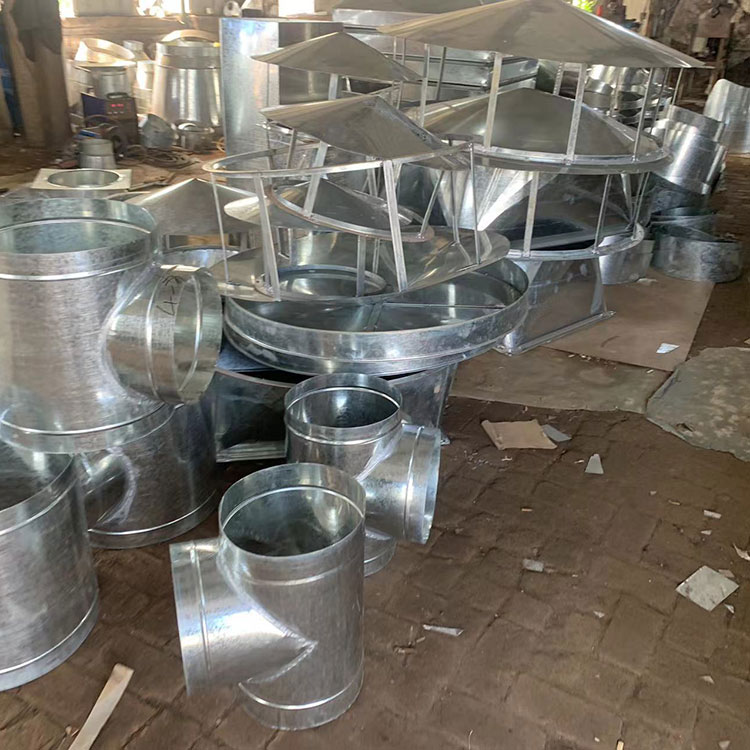
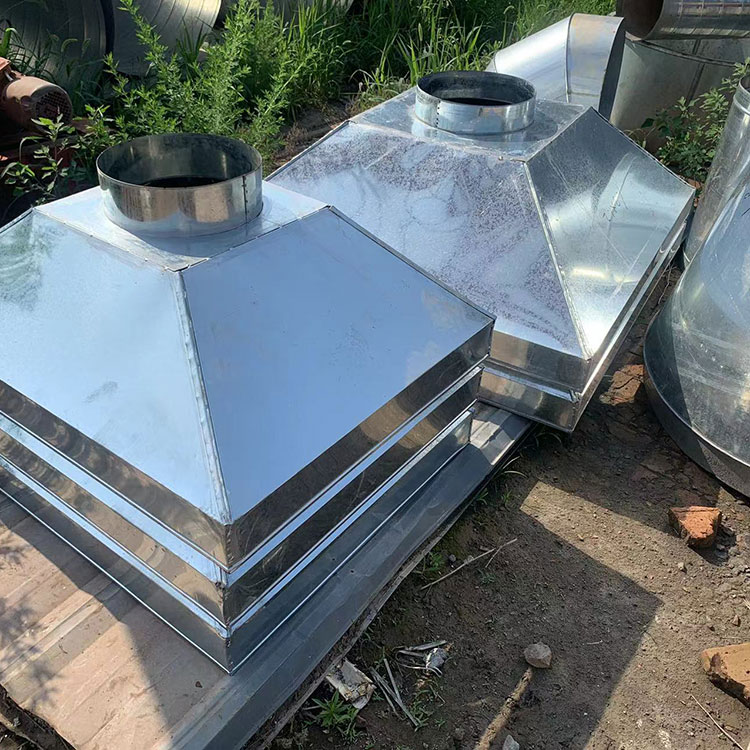





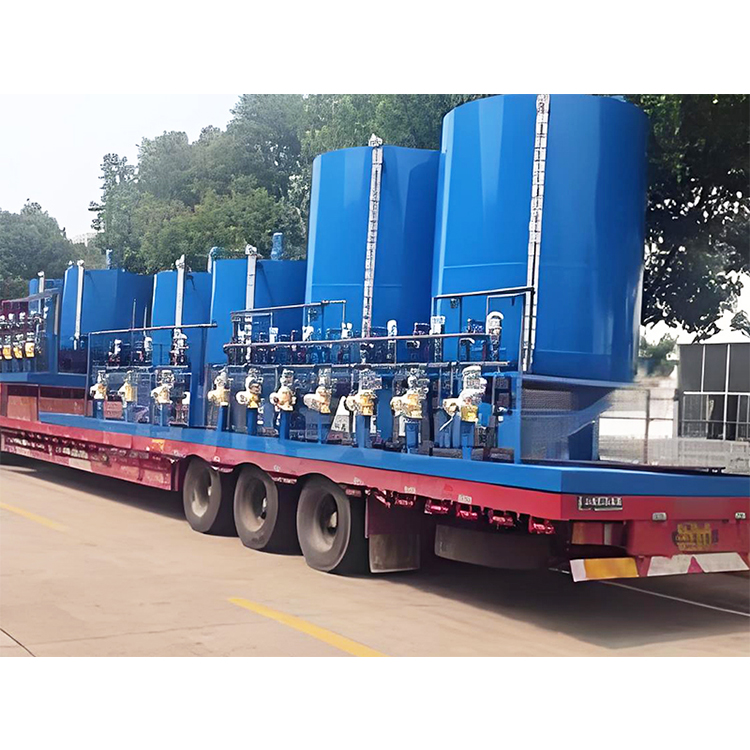
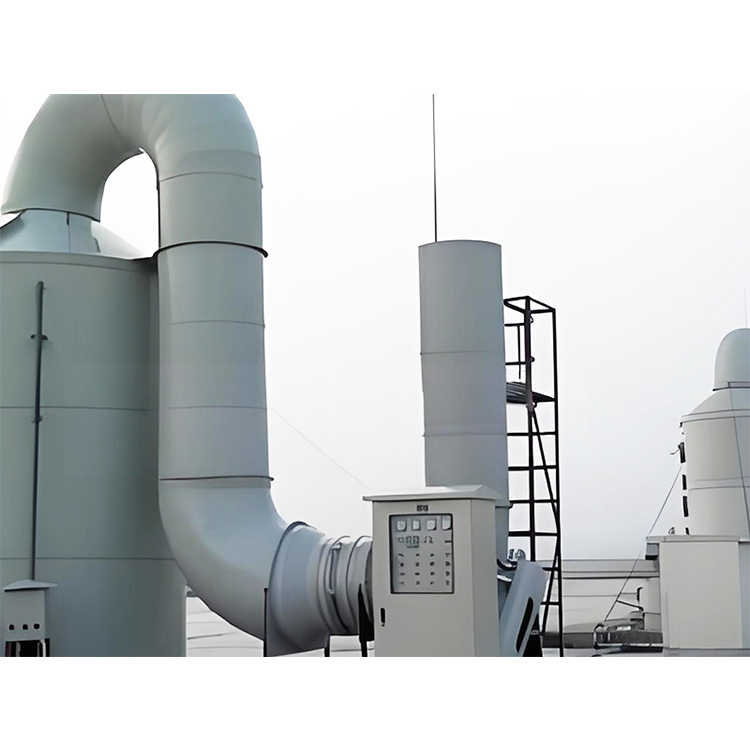
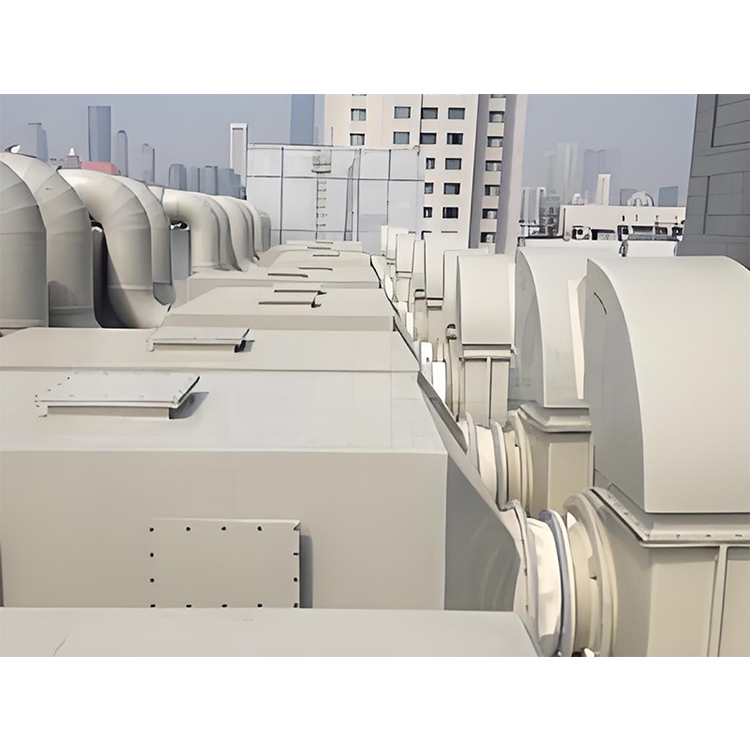
Cabinet-type exhaust hoods, also known as suspended exhaust hoods or cabinet-style intake hoods, are professional ventilation equipment used in laboratories to concentrate and capture medium to large-sized, fixed-position pollution sources. They combine the features of "local exhaust ventilation" and "operation space integration." Commonly found in chemical analysis, sample pretreatment, and small instrument integration scenarios, they are particularly suitable for long-term and repetitive experimental operations in fixed areas.
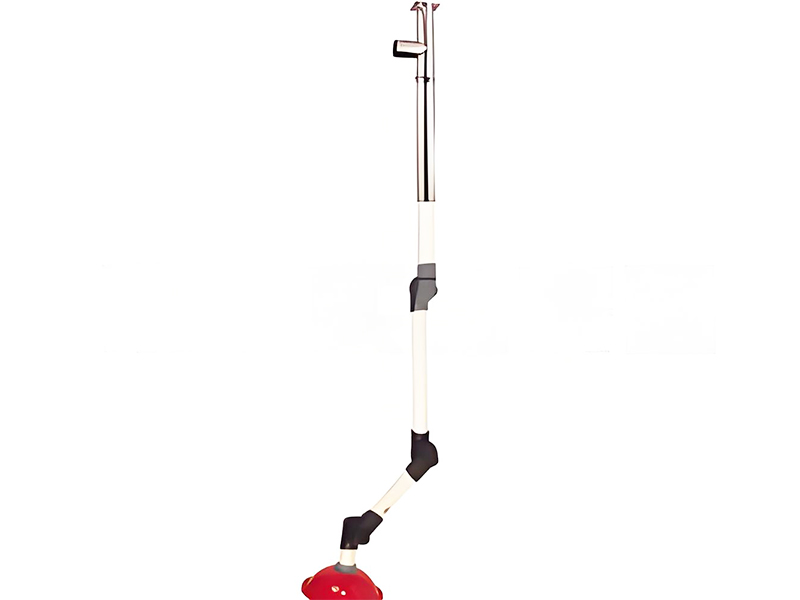
I. Core Features and Applicable Scenarios
The core value of the canopy-style exhaust hood is "localized air collection + integrated work surface," addressing the shortcomings of the omnidirectional exhaust hood such as "low air volume and lack of fixed workspace" and the large ventilation cabinet's "occupation of floor space." Specific application scenarios include:
Volatile Organic Compounds (VOCs) and acid mist generated from medium to large-scale chemical reactions (such as batch reactions in beakers and flasks, and distillation operations) on the laboratory bench.
Continuous harmful gases emitted during the operation of fixed-installed analytical instruments (such as spectrophotometers, ion chromatographs).
Large amounts of steam or dust generated during the pretreatment process of samples (such as sample digestion, extraction).
Experiments requiring multiple-person collaboration or extended duration operations in a fixed area (can be paired with a fixed experimental table below the housing to enhance operational convenience).
Note: Wall-hung exhaust hoods are not suitable for explosive gases, high concentrations of toxic gases, or experiments requiring isolation protection (in such cases, a ventilation cabinet should be prioritized), nor are they ideal for mobile operations (less flexible than swivel exhaust hoods).