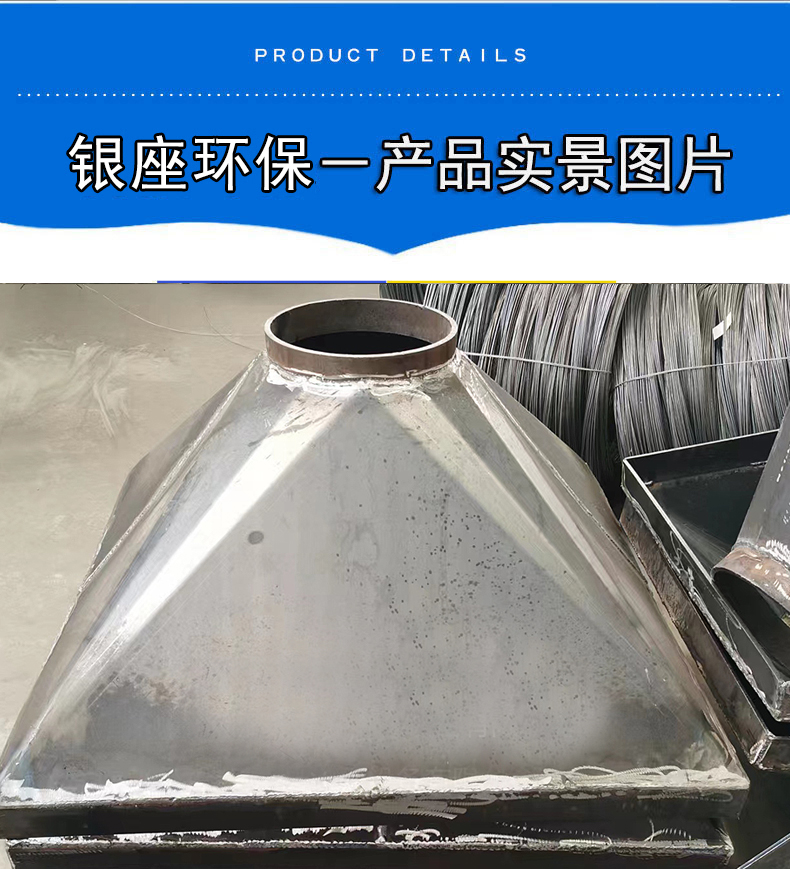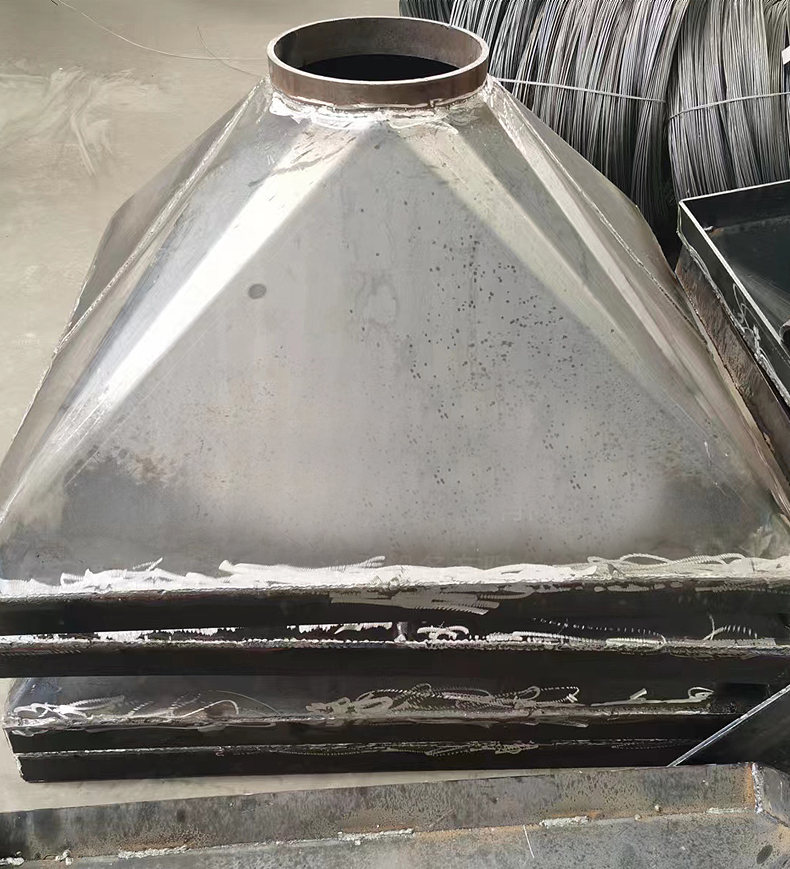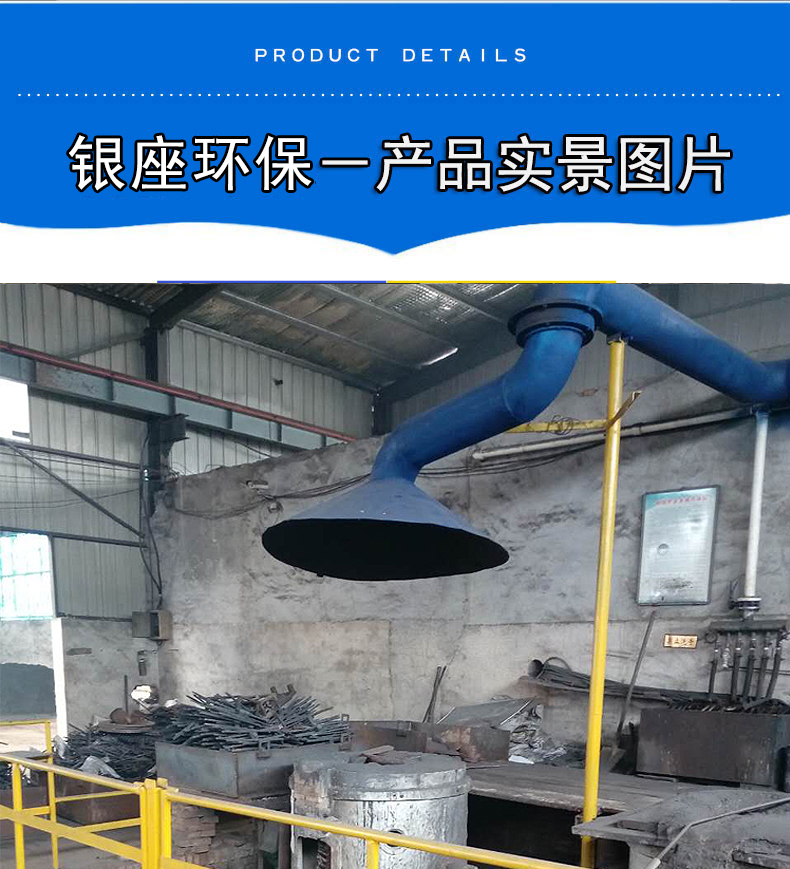

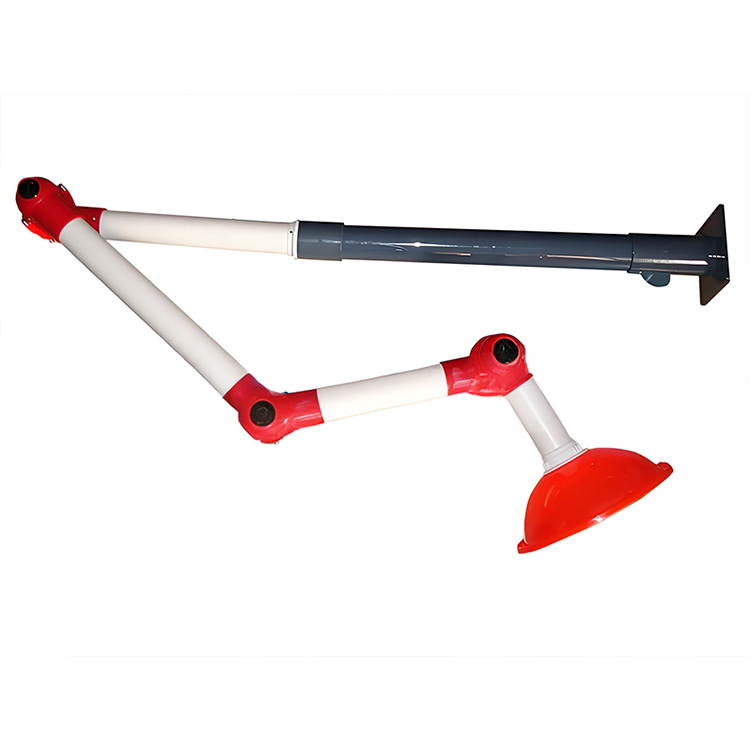


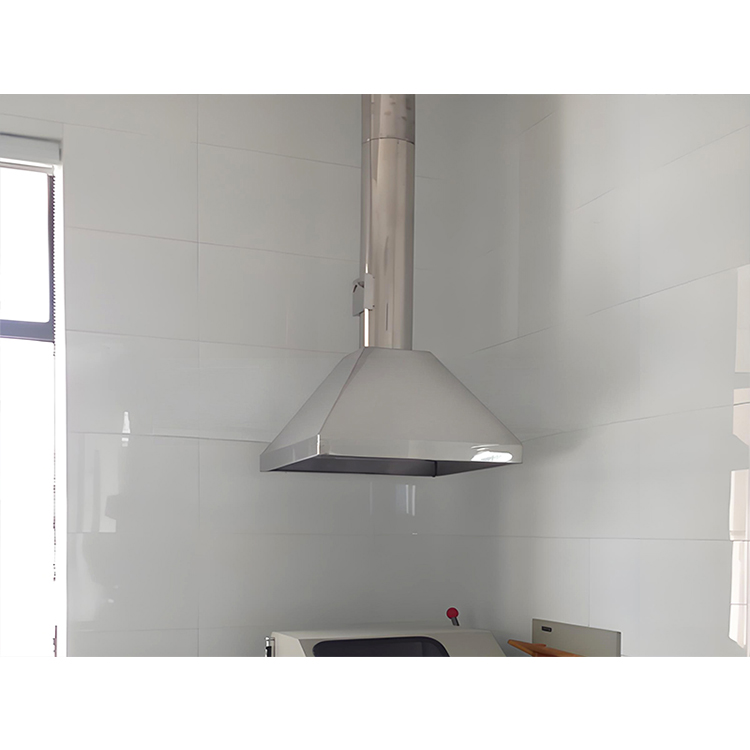
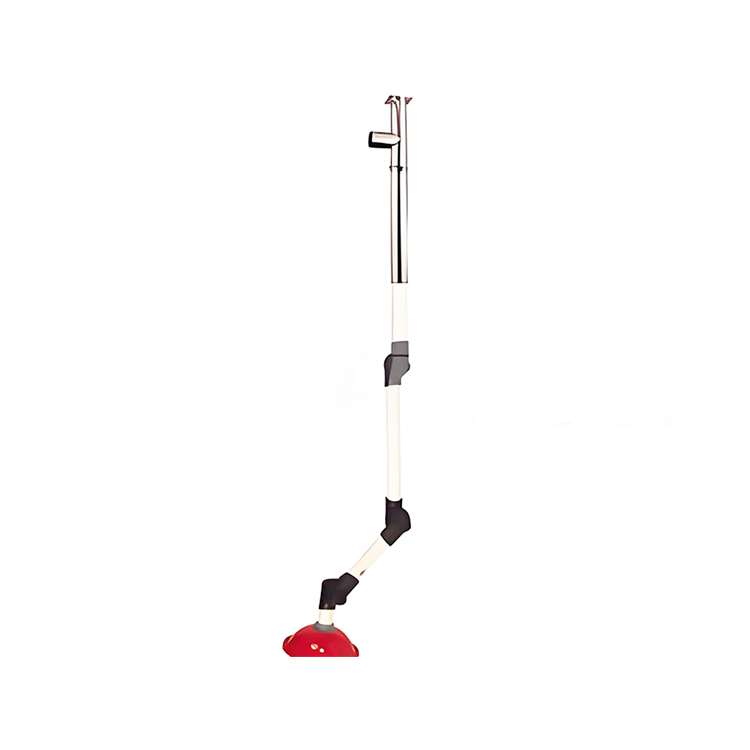





Swivel Exhaust Hoods, also known as Swivel Suction Hoods or Swivel Exhaust Ducts, are essential ventilation equipment for laboratories used to locally capture and exhaust small, scattered sources of pollution. They are particularly suitable for experimental scenarios where operations cannot be centralized in fume hoods, offering flexibility, convenience, and strong specificity. They are widely used in fields such as chemistry, biology, medicine, and food testing.
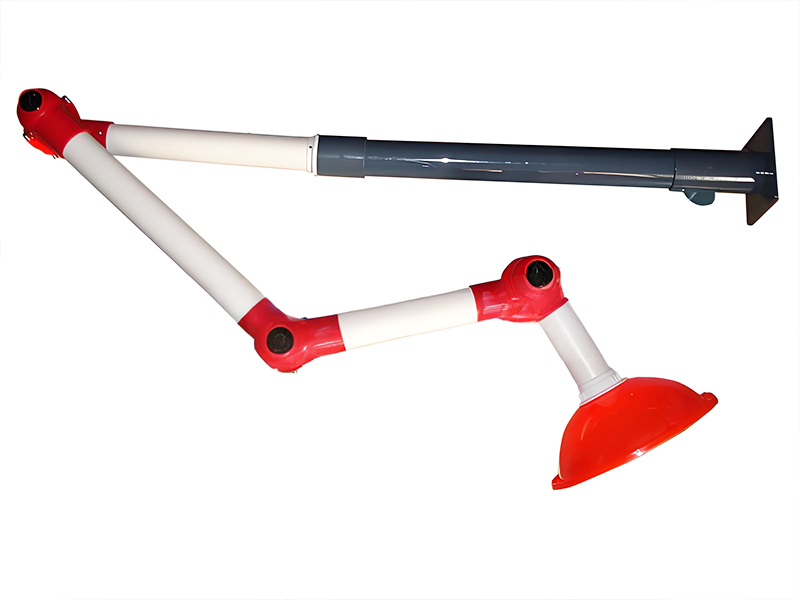
I. Core Features and Applicable Scenarios
The core value of the directional exhaust hood is "accurately capturing local harmful gases/dust," which compensates for the shortcomings of large ventilation equipment (such as fume hoods) in "dispersed operation" scenarios. Specific applicable scenarios include:
Small-scale chemical reactions on the laboratory bench (such as heating test tubes, adding reagents) produce volatile organic compounds (VOCs), acid mist (such as sulfuric acid vapor).
Sample weighing, grinding dust generation (such as pharmaceutical powder, solid particles);
Trace harmful gases emitted during the operation of instruments and equipment (such as small chromatographs, digestion instruments).
Temporary and portable experimental operations (no need to be fixed next to a fume hood, can be adjusted with the operation location).
Note: The directional exhaust hood is only suitable for low concentration, low airflow pollution sources. For high concentration, highly corrosive, explosive gases, or large amounts of dust, it requires the use of more professional equipment such as fume hoods, atomic exhaust hoods, etc.