







Full spectrumSparkDirect-reading spectrometer
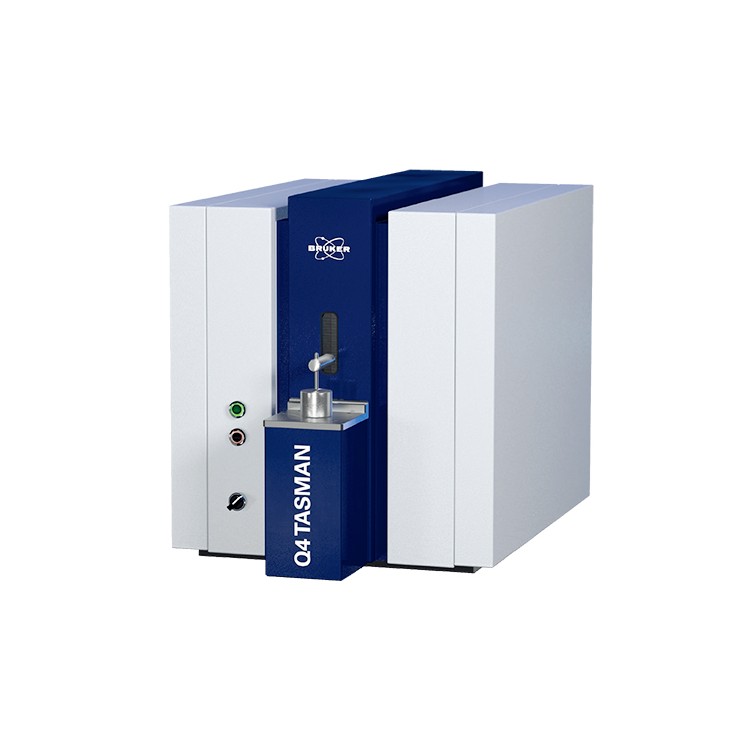
Q4 TASMAN
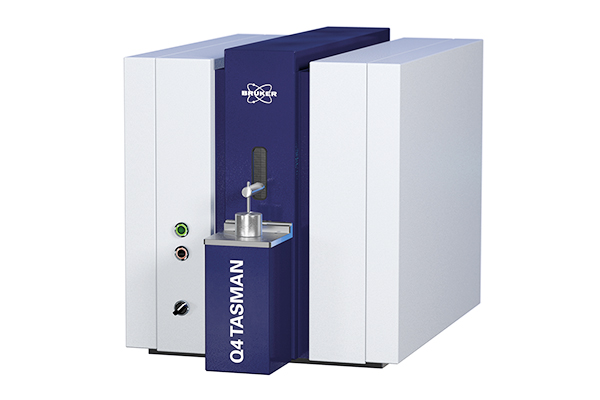
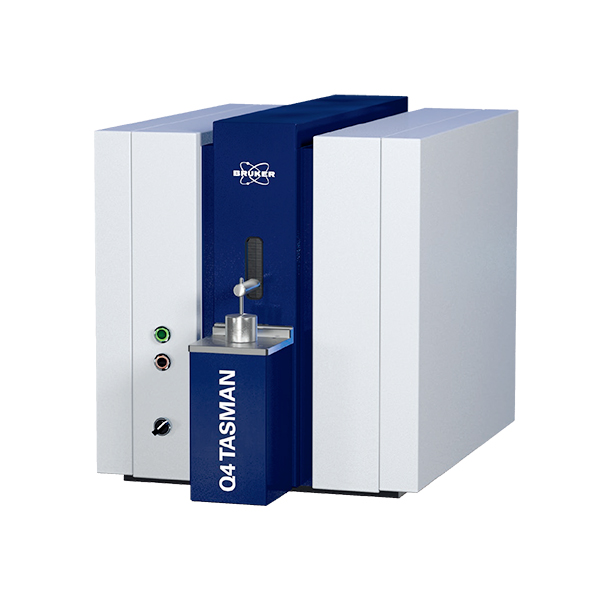
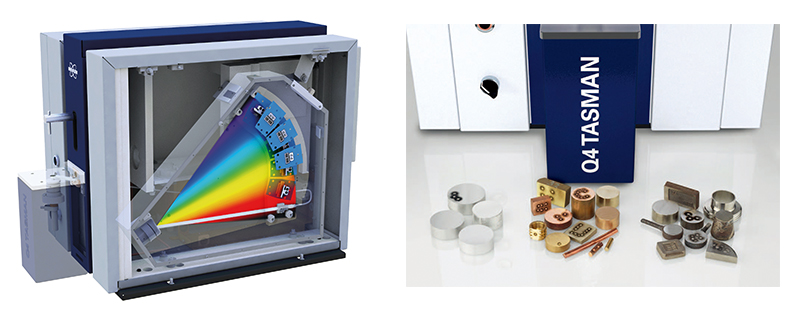
The Brook Q4 TASMAN Multi-Matrix Spark-Discharge Optical Emission Spectrometer (OES) is a multi-functional, high-performance spark emission spectrometer designed for the metal industry. It employs the innovative dual-optical concept MultiVision™, offering superior choices among three variants to meet personalized analytical requirements. This effectively enhances test reliability and reduces argon consumption.
The optimized SmartSpark™ digital spark source and the improved coaxial argon gas flow design enhance analysis accuracy, long-term stability, and reduce the time to obtain results. The pneumatic sample holder on the spark stand ensures easy sample handling and accommodates various types of samples, resulting in a more streamlined operation.
The analysis scope of Q4 TASMAN has been expanded to include many new elements and element groups for analyzing new alloy types. The Analysis Method Component (ASP) specifically designed for analytical tasks is suitable for various matrices, including ten common metal matrices, and covers elements, calibration, alloys, etc., assisting users in obtaining reliable and comprehensive analysis results quickly.
The latest version of the software ELEMENTAL.SUITE combines high functionality with ease of use. All Bruker direct-reading spectrometer systems are operated by ELEMENTAL.SUITE, covering the entire application range. Its plugin-based architecture offers greater flexibility to meet users' current and future analytical needs.
· Product Features:
Comprehensive enhanced analytical performance
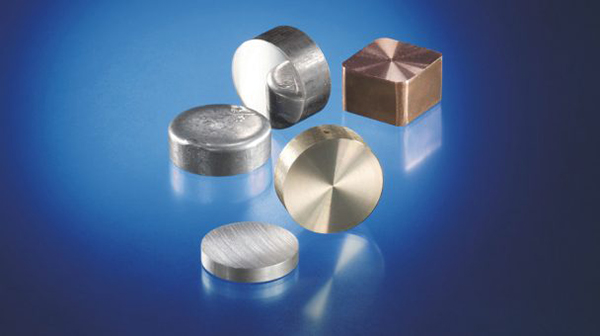
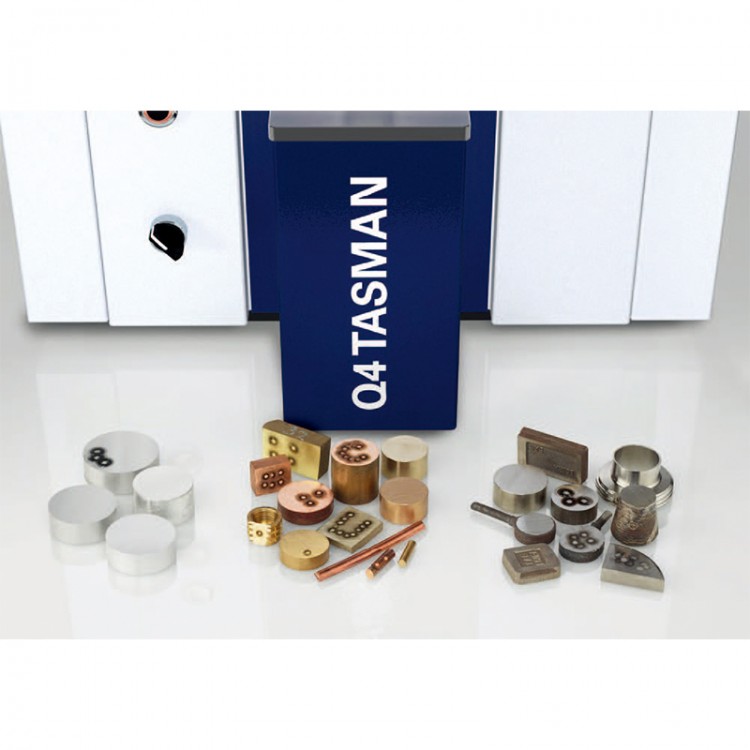
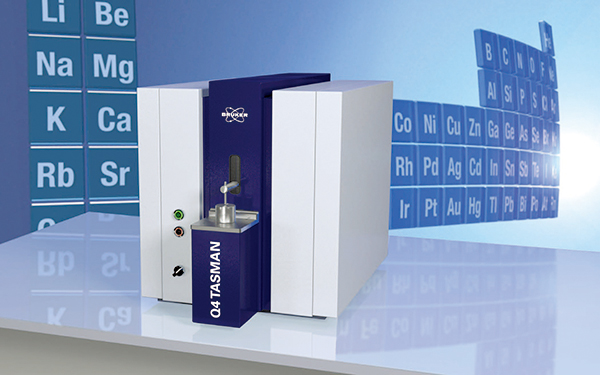
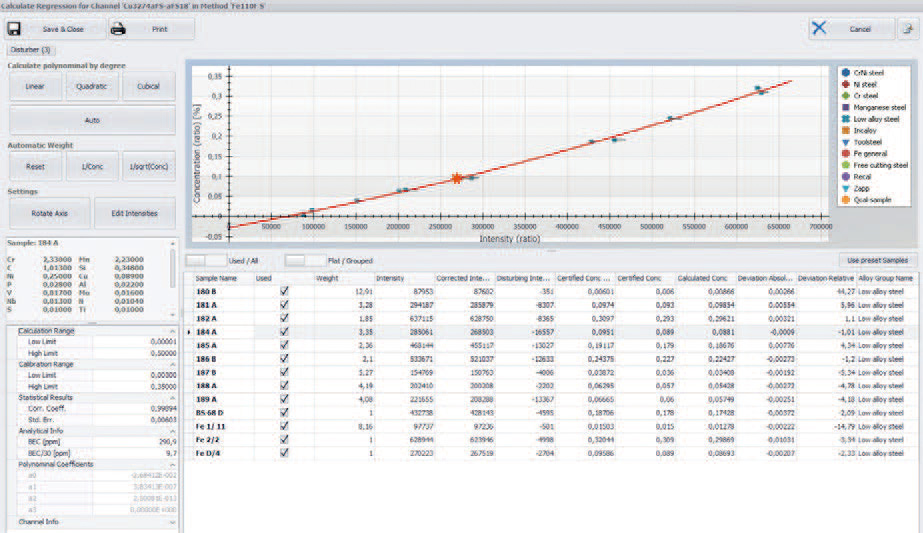
ASP Analytical Components, specifically designed for the metal industry, are applicable to all ten common metal matrices: iron (Fe), aluminum (Al), copper (Cu), nickel (Ni), cobalt (Co), lead (Pb), tin (Sn), zinc (Zn), magnesium (Mg), and titanium (Ti). The ASP analytical components are suitable for all relevant alloy elements, alloy group calibrations, alloy groups, standardized samples, etc., precisely meeting the analysis needs of the metal industry today and in the future.
Superior optical system
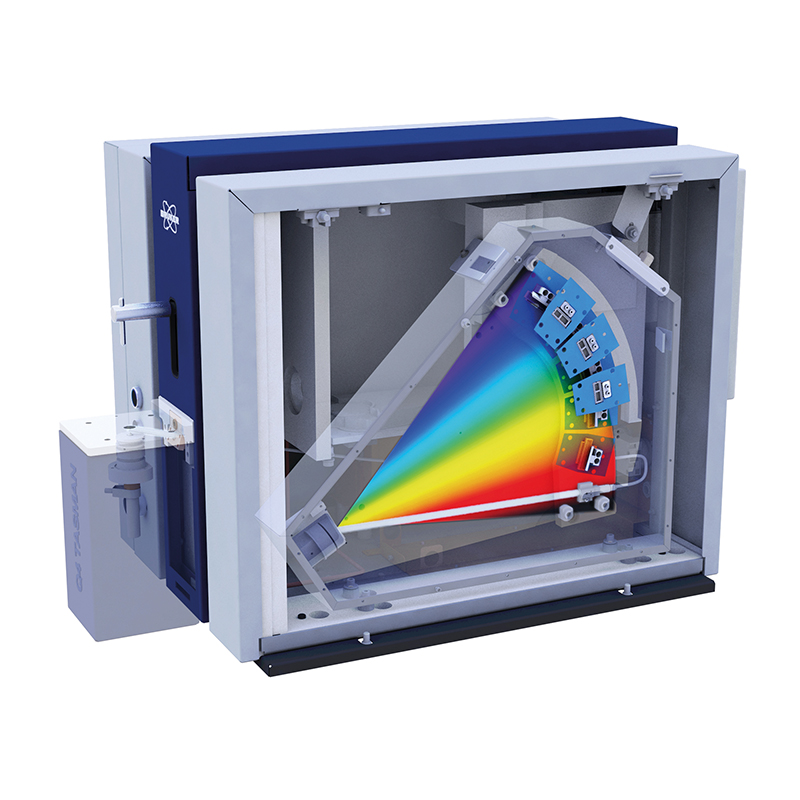
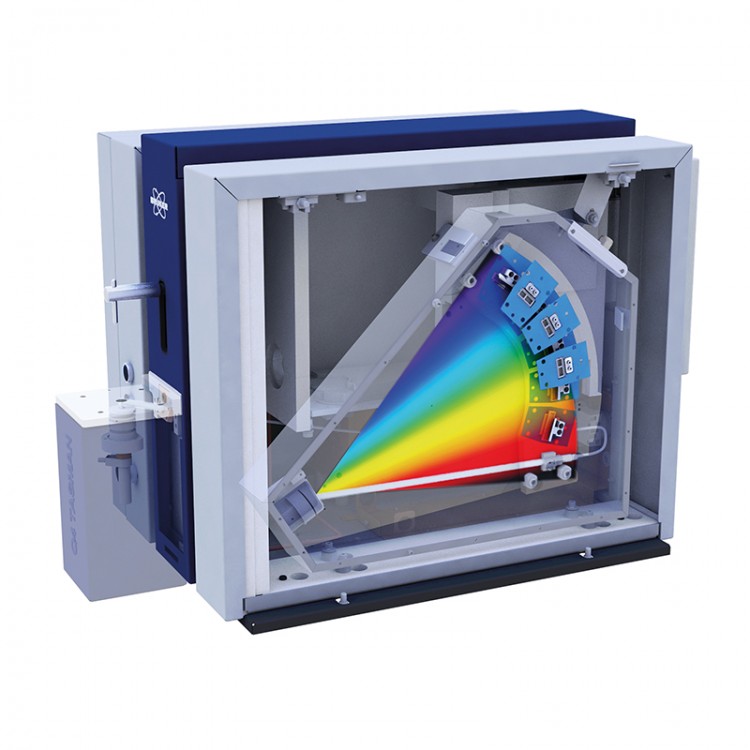
A multi-chip system with a robust Paschen Runge structure and ClearSpectrum technology, featuring separate UV optical elements, offering higher performance at a lower cost, resulting in superior spectral sensitivity.
SmartSpark™Advanced Digital Spark Source
Q4 TASMAN Generation 2 optimized digital spark source generates ultra-stable sparks up to 1,000 Hz frequency, with variable discharge time ranging from 10 microseconds to 2 milliseconds. This aids in enhancing analysis accuracy and shortening the time to obtain results. Additionally, SmartSpark™ allows for fine-tuning or customization of spark and discharge parameters for specific applications, more effectively preparing sample surfaces, sample ablation, and light emission.
Low-maintenance flexible built-in spark stand
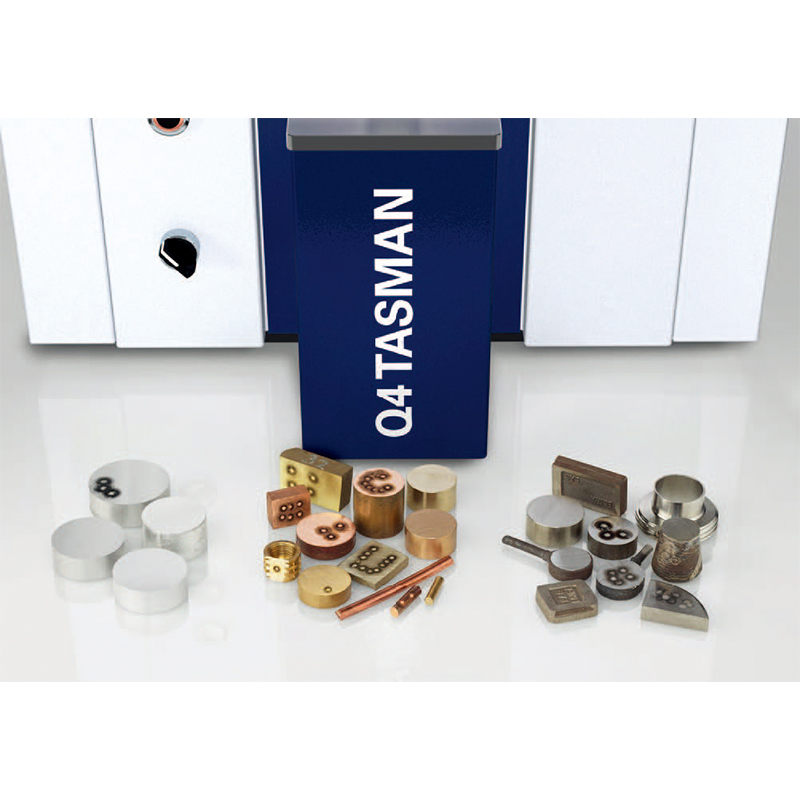
The equipment features a spark arrester that can freely approach from three sides, and comes with a large and sturdy sample platform, facilitating the precise positioning of large samples. The coaxial argon gas flow design effectively guides the gas towards the combustion point, eliminates the need for a backup gas flow, and efficiently directs the condensate of the sample away from the spark arrester.
Pneumatic Sample Rack
Unique pneumatic sample holders facilitate sample handling while also enhancing operational safety.
· Robust Next-Gen ELEMENTAL.SUITE Software
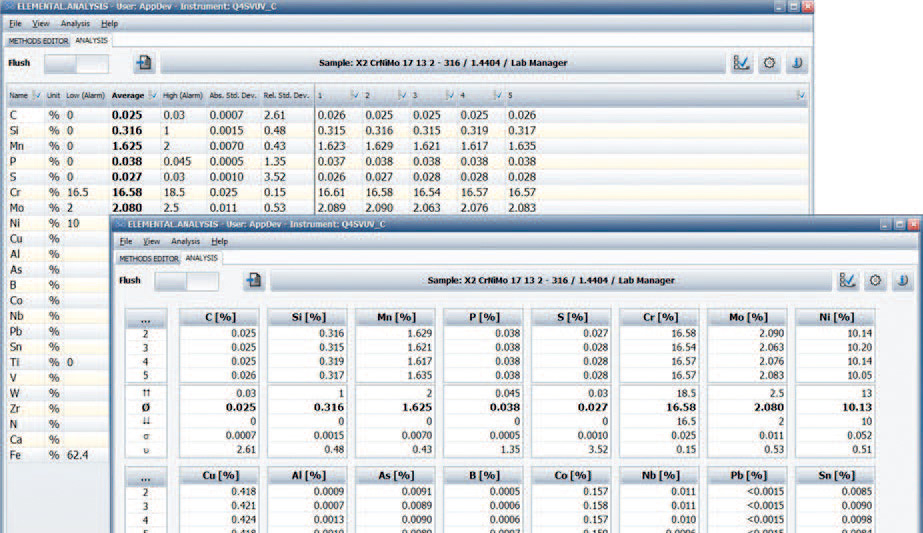
ELEMENTAL.SUITE is a comprehensive software suite for Windows® featuring a powerful analytical database with qualitative and quantitative analysis capabilities. It is intuitive and user-friendly, supports multiple languages, and offers functionalities such as data mining, report generation, and data publishing.
Direct production capacity
ELEMENTAL.SUITE assists users in their daily tasks, with features like automatic mean and range checks ensuring the safe operation of equipment. The software guides users through complex tasks like standardization and type standardization without disrupting daily operations. With just one click, users can save, print, report, and export results.
Analyzer: Information at Your Fingertips
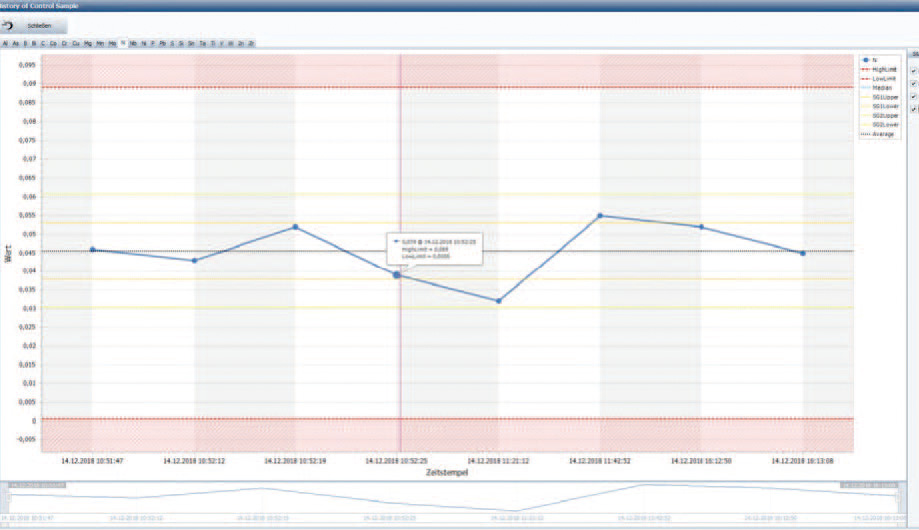
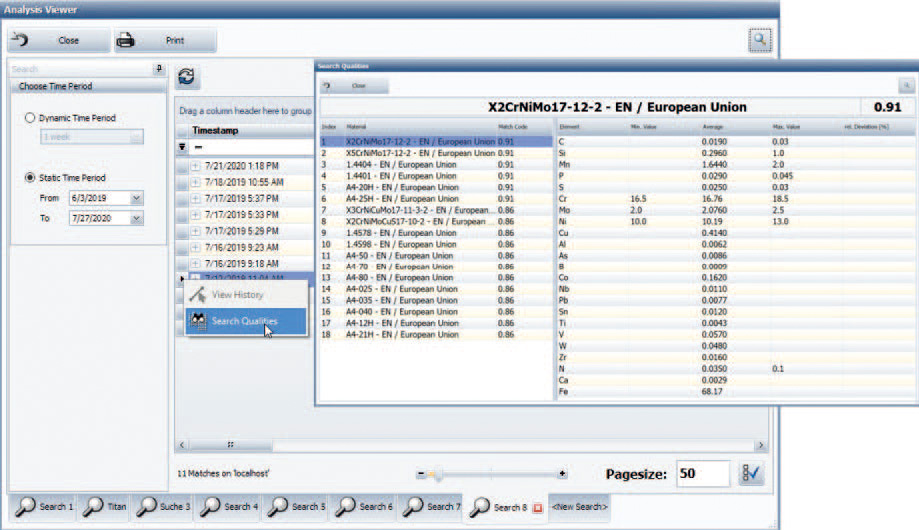
The new Analysis Viewer makes data mining easier, allowing users to effortlessly create, customize, and save their queries on the database. With powerful and user-friendly grouping and filtering options, users can make flexible data chart selections. The Total Materia database enables functions such as querying, statistics, process control, chart generation, exporting selected results, and report printing, all while browsing data through different views, saving filtered and grouped settings, and providing features on par with expensive LIMS systems.
Highly compatible communication interface
ELEMENTAL.SUITE is equipped with an advanced data publishing system. In addition to creating reports or file-based data exchanges, the new universal SOL publishing module also offers flexible interfaces to L2 or LIMS systems. Users can automatically or manually replicate data in real-time and securely to various SQL databases as needed.
Total Materia – Comprehensive material database
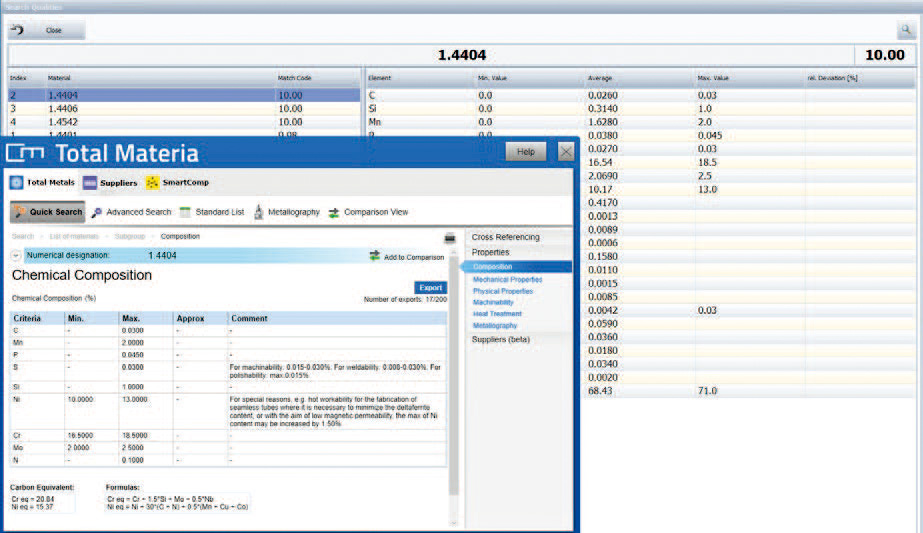
In addition to the built-in material quality database, ELEMENTAL.SUITE can integrate the comprehensive Total Materia material database. Users can access over 350,000 alloy data from more than 75 countries/standards using the patented search algorithm. The database holds a Total Materia OEM license, requires no internet connection, and allows for easy import of up to 200 items with a simple mouse click into the internal database.
Total Materia encompasses not only chemical compositions but also over 15 million properties such as physical, chemical, mechanical, and metallurgical data, including supplier and proprietary data sheets. Users can easily search and mine this data. The functionality of Total Materia is essentially beyond that of conventional material database systems, providing users with expert knowledge on complex issues: such as inclusion analysis (simultaneous comparison with similar inclusions), rapid querying of global material databases based on material chemical composition or mechanical properties, interpreting material specifications, and finding the correct material grade for specific applications.
Application Case:
• Steel
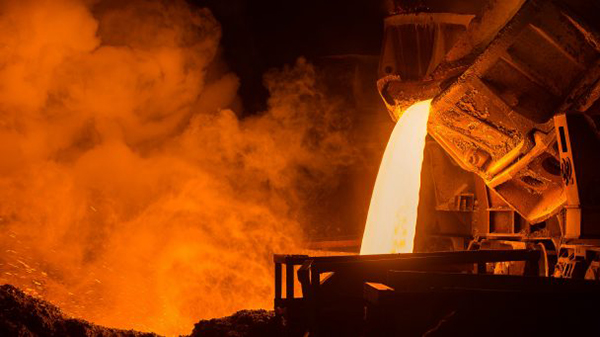
During steel processing, precise measurements of incoming and outgoing materials of various alloys (including trace levels of N) are required. The use of a direct-reading spectrometer effectively ensures precise control over various elements in the alloys.
• Aluminum
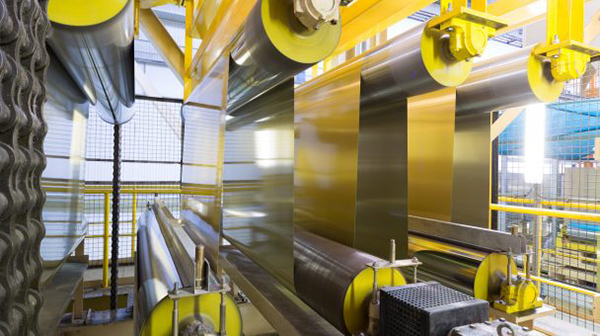
The Q4 TASMAN spark spectrometer allows for quick determination and understanding of the phosphorus and alkali content in aluminum.
• Copper
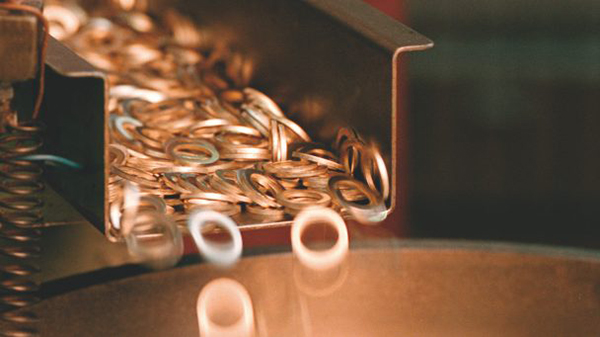
Copper serves as the base for various alloys, all of which are within the scope of Q4 TASMAN, including the determination of trace oxygen levels in pure copper.
• Titanium
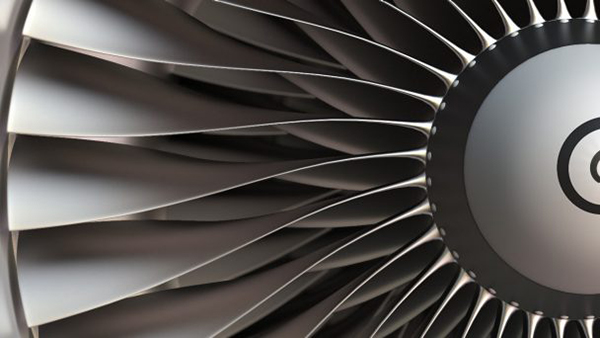
Titanium and its alloys are high-performance materials, primarily used in highly demanding applications with stringent quality requirements, such as aerospace, chemical, and biological industries. Utilizing a direct-reading spectrometer can quickly determine if high-performance titanium alloy materials meet production and usage standards, preventing unnecessary losses.
• Non-ferrous metals and alloys
Using spark-atomic emission spectrometers allows for precise and rapid analysis of non-ferrous metals such as lead, zinc, tin, cobalt, nickel, and magnesium, both in their pure forms and in alloys.