










The coatings are categorized into plasma-sprayed ceramic wear-resistant coatings and hypersonic flame-sprayed carbide ceramic coatings.
Plasma spraying primarily utilizes ceramic materials such as aluminum oxide-titanium/chromium oxide series oxides. These materials boast exceptional properties, including high hardness, excellent corrosion and heat resistance, and low friction coefficients. As a result, the coatings produced from these materials exhibit superior and stable wear and friction reduction capabilities. The coating structure is dense, and the surface can be polished to a mirror finish (Ra 0.03~0.10 μm). For instance, applying a 0.3~0.5 mm thick ceramic coating to the surface of a high-pressure pump plunger can extend its service life by a factor of 6 compared to the conventional hard-chromium plated plunger, making it the most widely used ceramic coating.
Supersonic flame-sprayed metal-ceramic coatings consist of a composite of nickel-chromium and cobalt as the metallic phase, combined with hard ceramic materials like tungsten carbide and chromium carbide. These coatings feature high hardness, excellent toughness, and good impact resistance, with a bonding strength ranging from 50 to 80 MPa.
Application Direction:
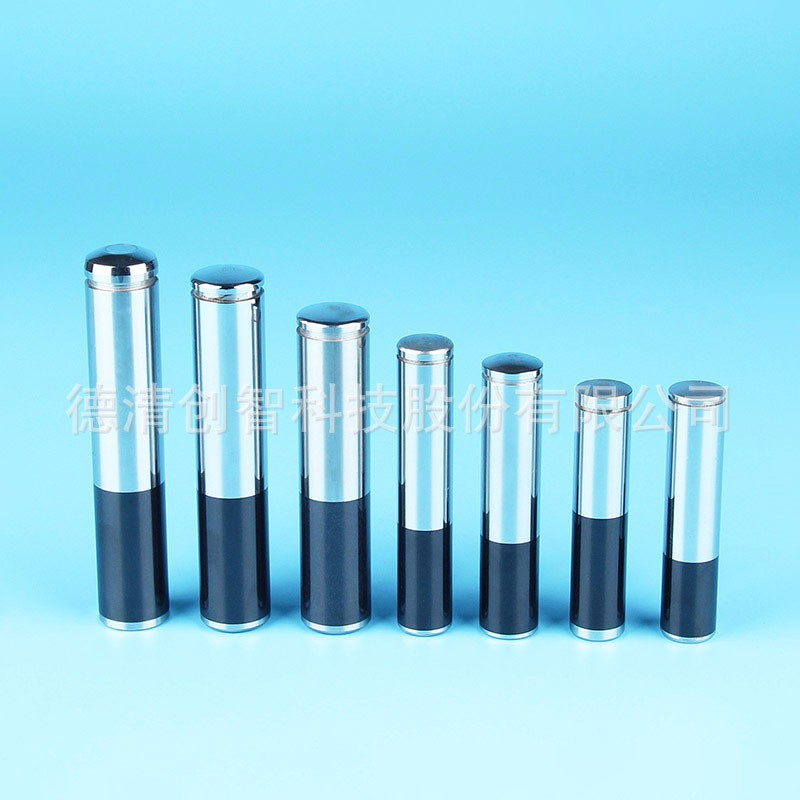
Piston pumps pistons, high-pressure cleaner pistons, agricultural sprayer pistons, various water seals and oil seals, various shaft sealing sections, etc.
Coating Material:
AT13 (Al2O3/TiO2 87/13): High hardness, excellent overall wear resistance.
2. Cr2O3: High hardness, low friction coefficient, excellent corrosion resistance, and wear particle resistance.
3. Co-WC: High-temperature red hardness, abrasion resistance, and erosion resistance.
4. Ni-WC: High hardness, resistant to high-temperature oxidation.













