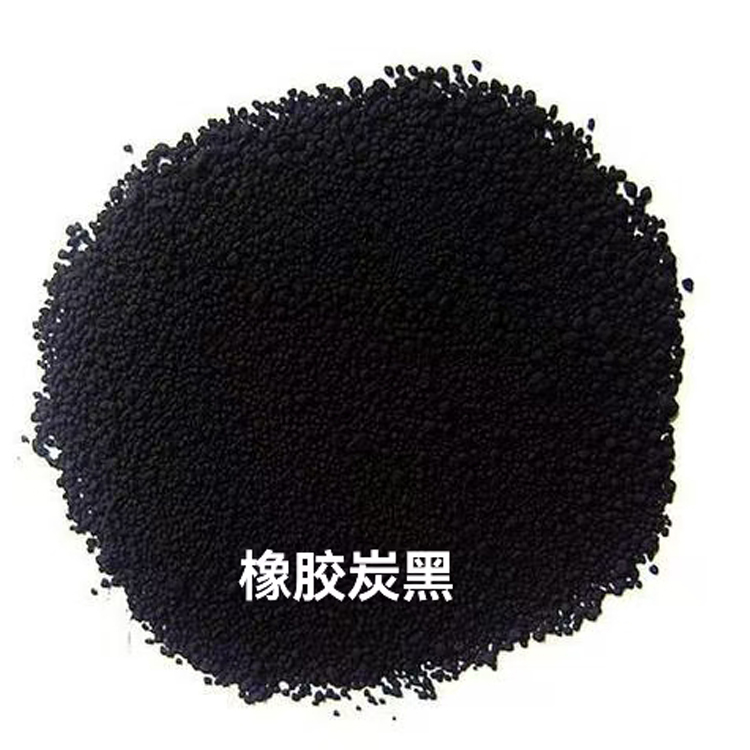








Rubber Carbon Black
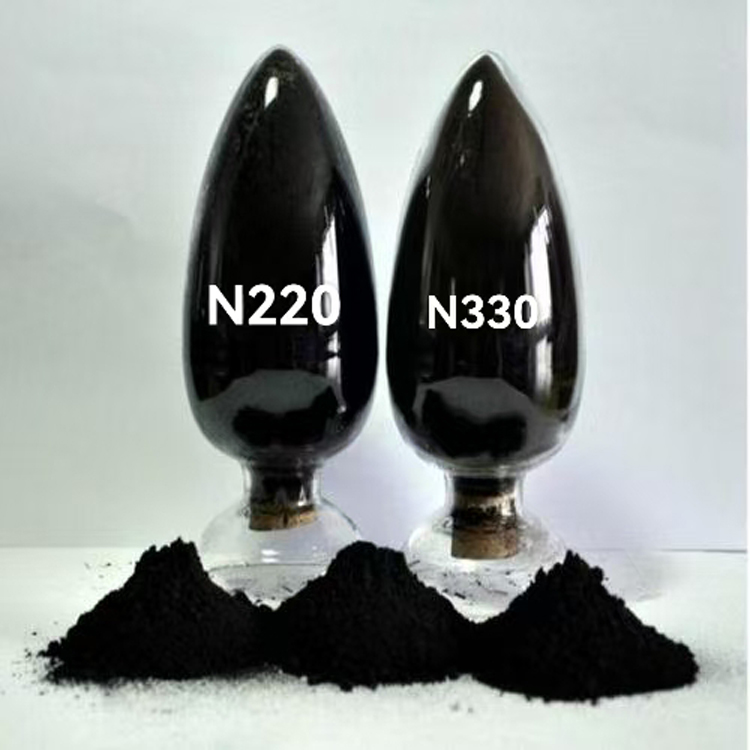
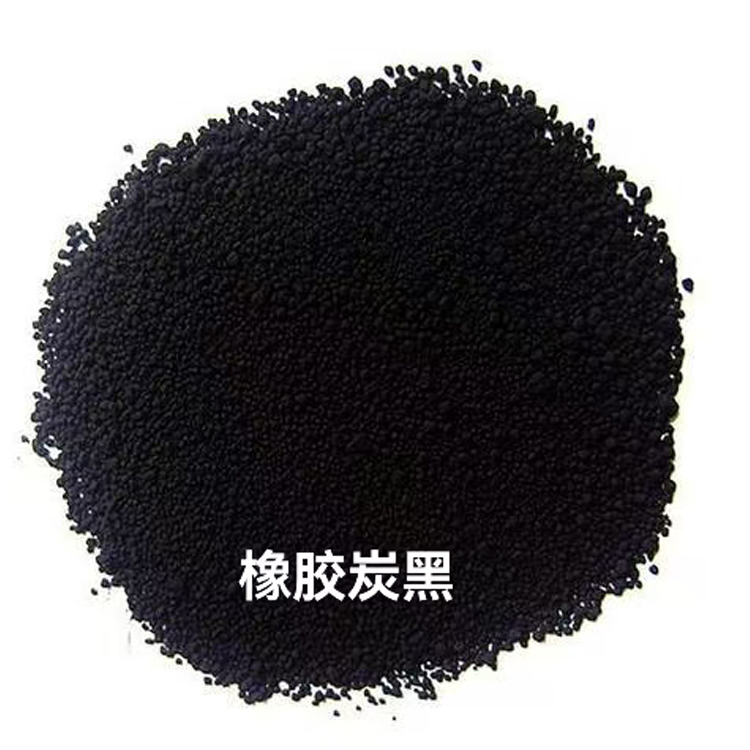
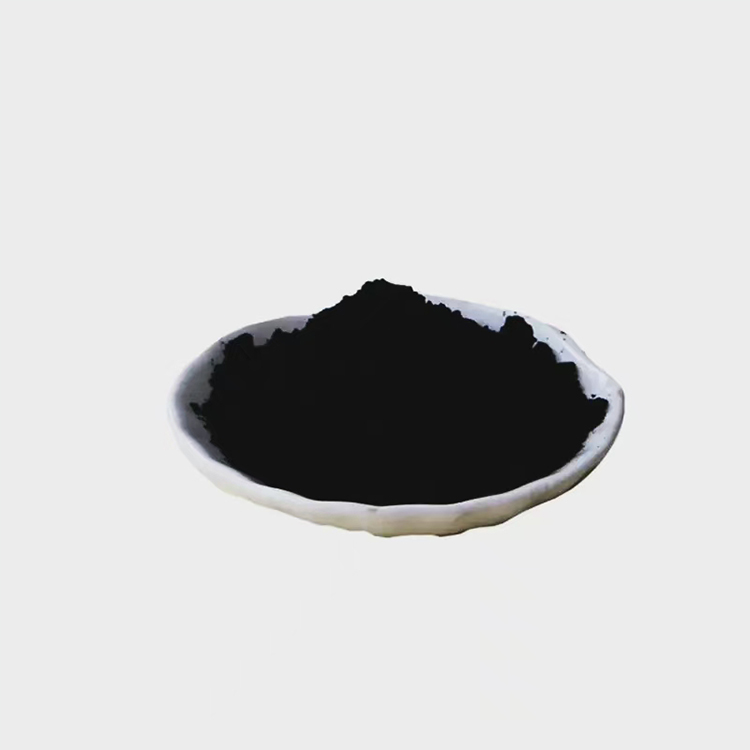
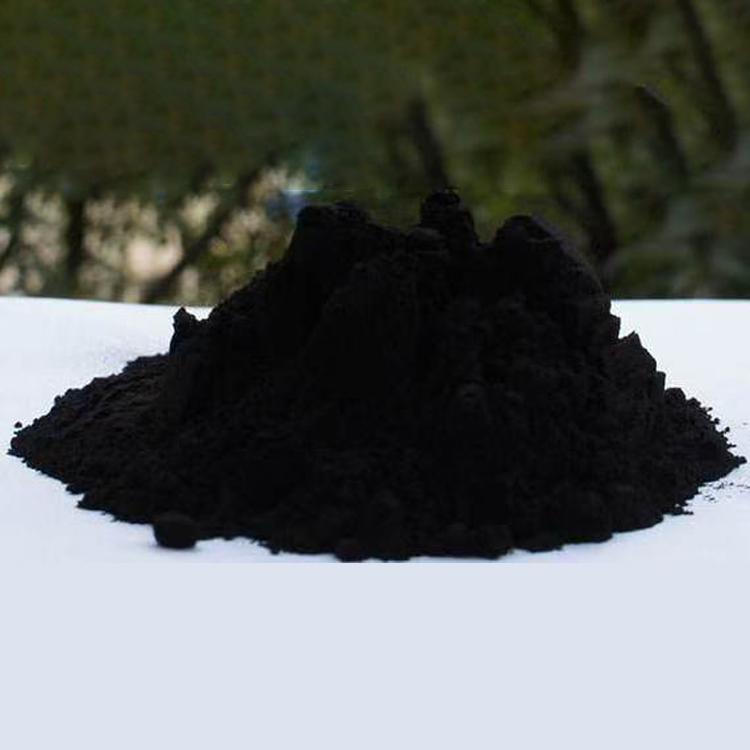
Rubber Carbon BlackIt is an important application type of carbon black, specifically used in the rubber industry as a reinforcing agent, coloring agent, and functional additive. The following sections will introduce its definition, classification, mechanism of action, performance characteristics, and specific applications.
I. Definition and Classification
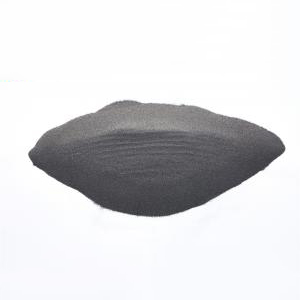
Rubber carbon black is an extremely fine carbon powder prepared through specific processes, primarily composed of carbon. It is usually obtained through incomplete combustion or pyrolysis of organic substances such as petroleum. Based on its particle size, structure, and surface activity, rubber carbon black can be categorized into several types:
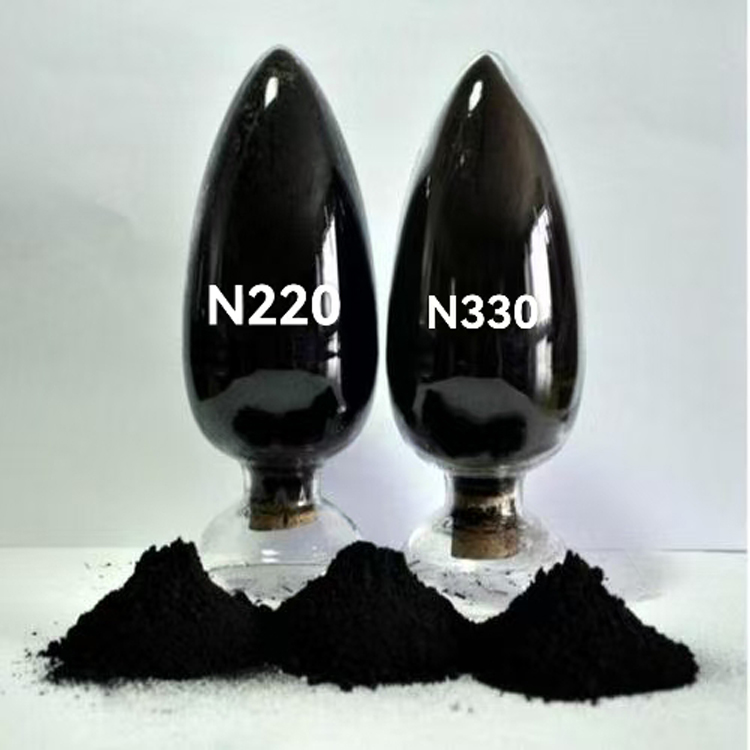
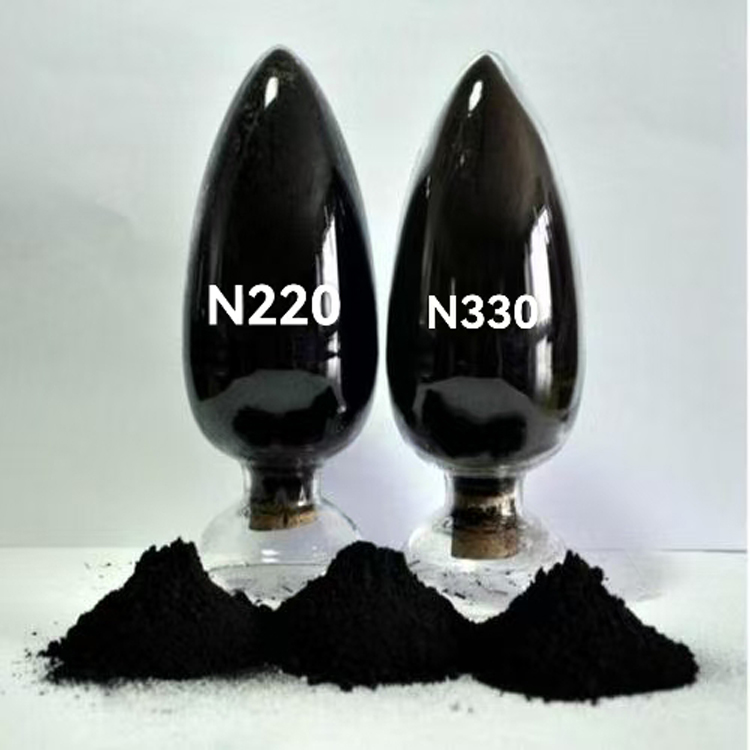
High-wear-resistantAs N110, N220, N330, etc., these products feature high specific surface area and excellent reinforcing properties, suitable for rubber products with high wear resistance, such as tire treads and conveyor belts.
ReinforcingAs with N351, N375, and others, they offer significant reinforcement, suitable for products requiring high strength and elasticity, such as rubber hoses and seals.
Semi-reinforcedAs for N550, N660, and the like, they offer moderate reinforcement properties and good workability, suitable for products such as inner tubes, shock absorber rubber, etc.
II. Mechanism of Action
Enhanced mechanical properties
High specific surface area and aggregate structure of carbon black particles form physical cross-linking points with rubber molecules, significantly enhancing the rubber's strength, hardness, wear resistance, and tear resistance.Enhance processing performance
Carbon black acts as a lubricant, reducing the viscosity of rubber, enhancing its fluidity and workability, and lowering production costs.Antioxidant and weather-resistant
Carbon black absorbs ultraviolet rays, delaying the aging process of rubber and extending the service life of products.Coloring and Aesthetics
Carbon black is a commonly used black pigment in rubber products, providing a uniform, deep black that enhances the market competitiveness of the products.Conductivity
Certain specialized types of carbon black can impart conductivity to rubber, used in the production of antistatic or conductive rubber products.
III. Performance Features
High specific surface areaTypically between 50-2000 m²/g, the higher the specific surface area, the better the reinforcing effect.
High adsorption capacityStrongly adsorbs gases and liquids, enhancing the rubber's weather and wear resistance.
High conductivityCertain carbon blacks exhibit excellent conductive properties, suitable for conductive rubber products.
High strength and wear resistanceThe addition of carbon black significantly enhances the rubber's tensile strength, tear strength, and wear resistance.
Section 4: Specific Applications
Tyre Industry
Carbon black is a key raw material in tire manufacturing, used in tread rubber to enhance wear and tear resistance, thereby extending the tire's lifespan.Rubber Products
In products such as conveyor belts, seals, rubber hoses, and shock absorbers, carbon black enhances the strength and elasticity of rubber, improving processing properties.Conductive rubber
By adding conductive carbon black, we manufacture antistatic or conductive rubber products for use in electronics and electrical fields.Environmental Protection Field
Carbon black is used in wastewater treatment and air purification, adsorbing and catalyzing harmful substances to protect the environment.
V. Preparation and Characterization
Preparation Method
Including carbon black production methods such as combustion, carbonization, and precipitation. The combustion method generates carbon black through high-temperature pyrolysis of hydrocarbon materials, featuring a high specific surface area and excellent reinforcing effects.Characterization Method
Evaluate the performance of carbon black through means such as specific surface area tests (e.g., BET method), particle morphology observation (e.g., SEM, TEM), and chemical composition analysis (e.g., elemental analysis, infrared spectroscopy).
Six. Trending Developments
With the development of the rubber industry, the application prospects of carbon black are vast. In the future, carbon black will trend towards high-performance, functionalization, and environmental protection to meet the higher requirements of rubber products for strength, wear resistance, conductivity, and other properties.