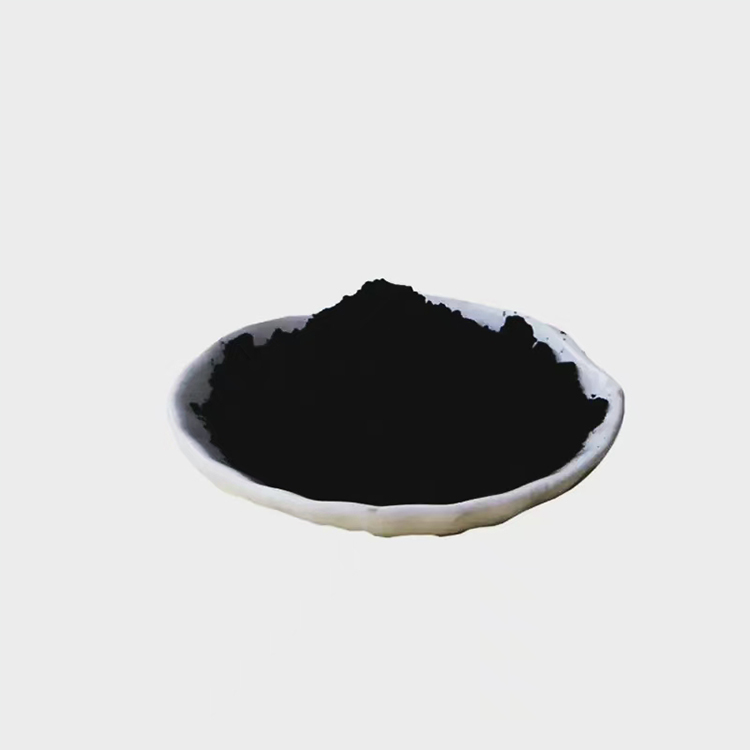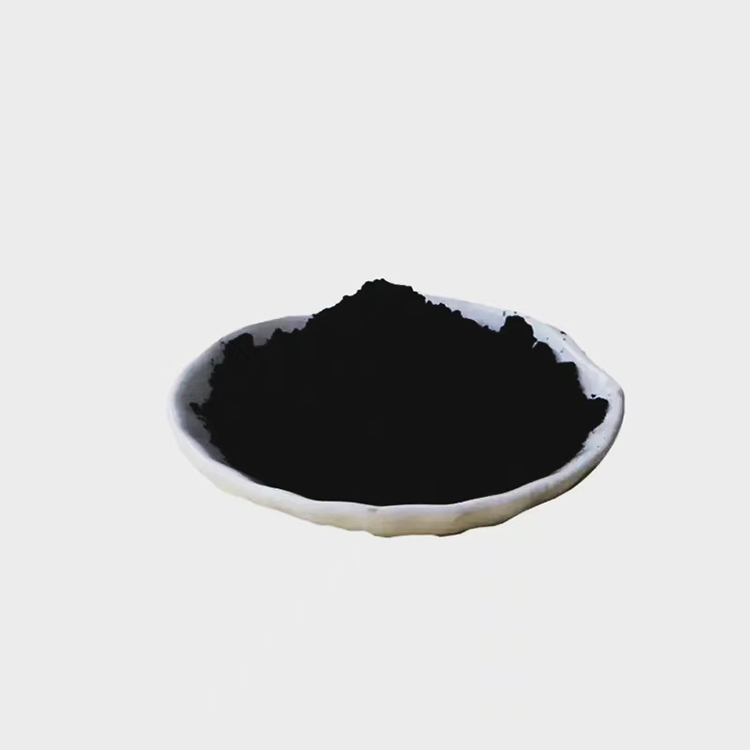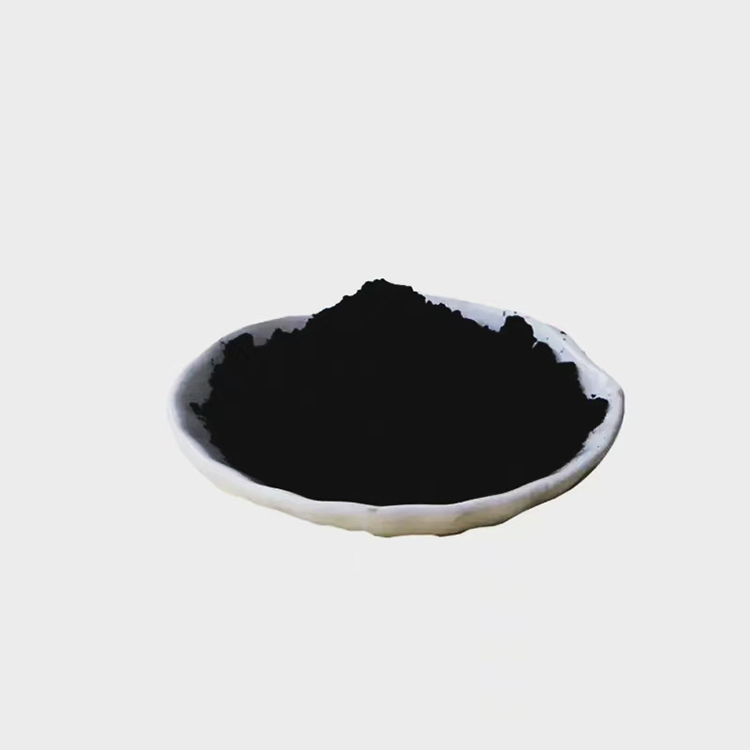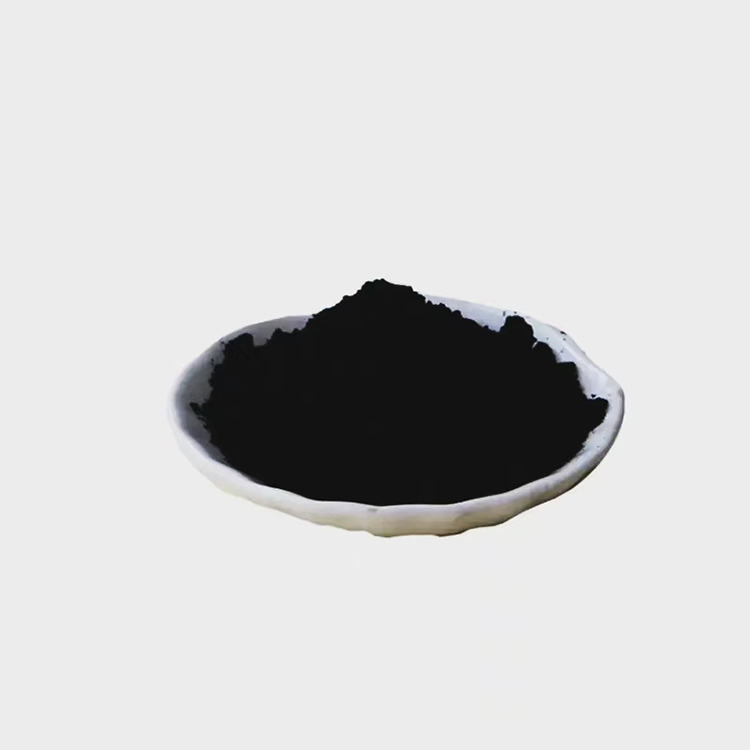

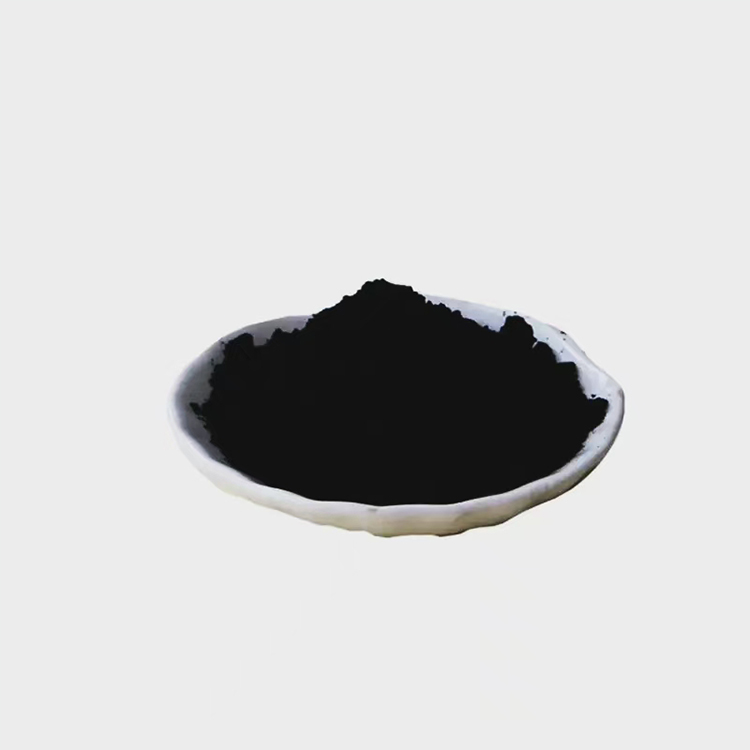
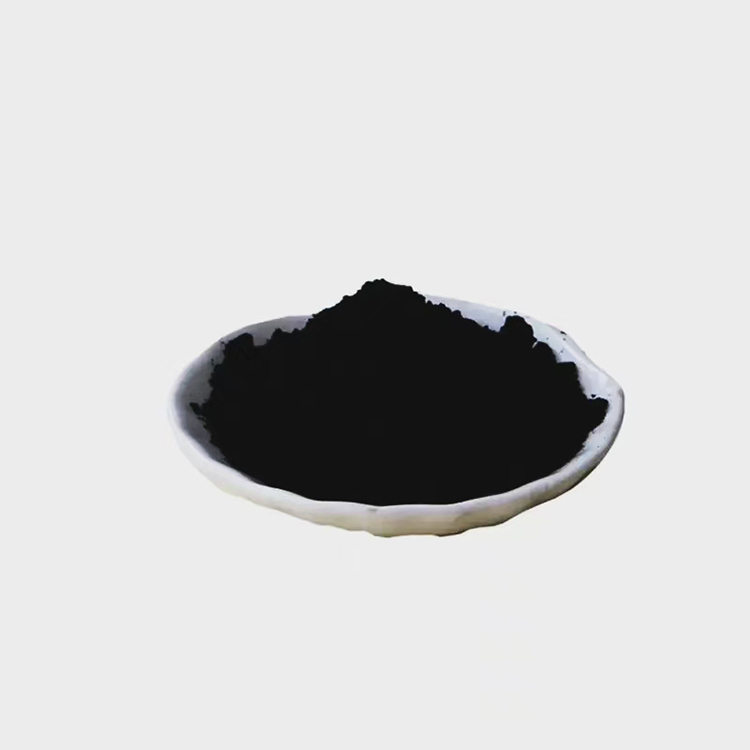
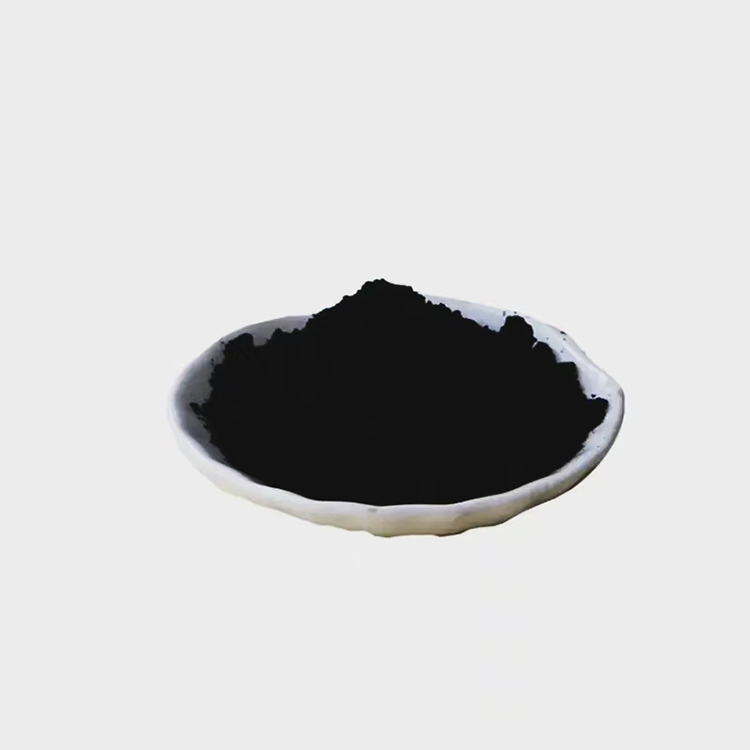







Color Carbon Black
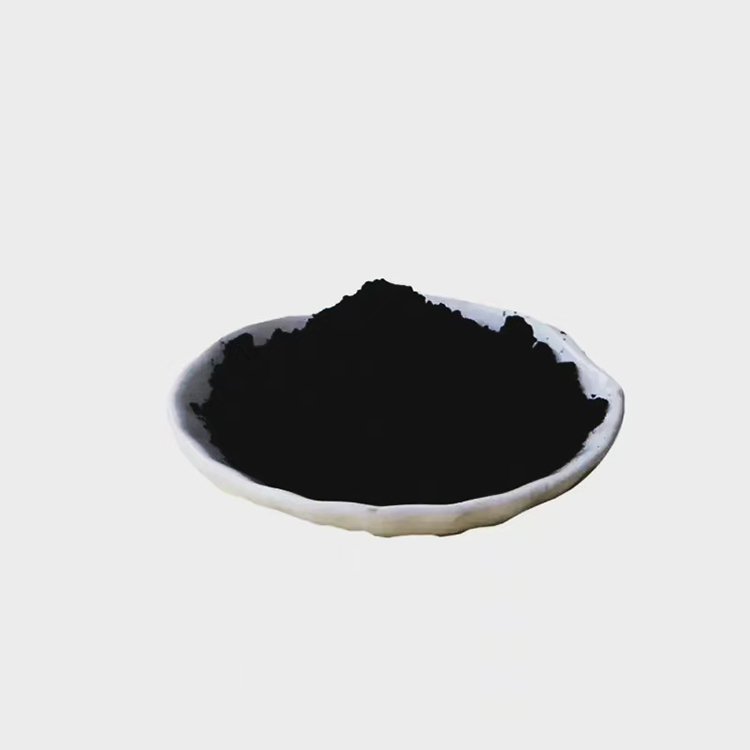
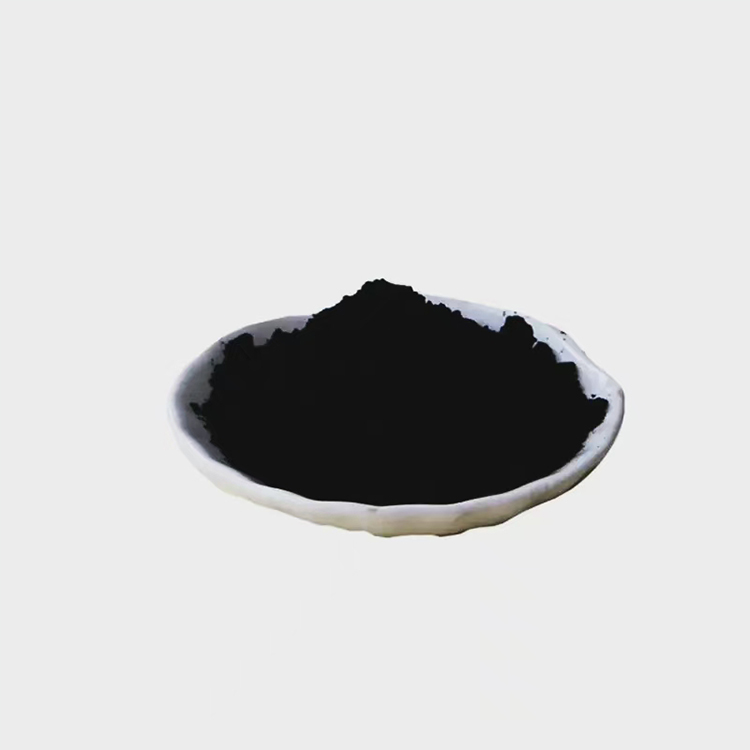
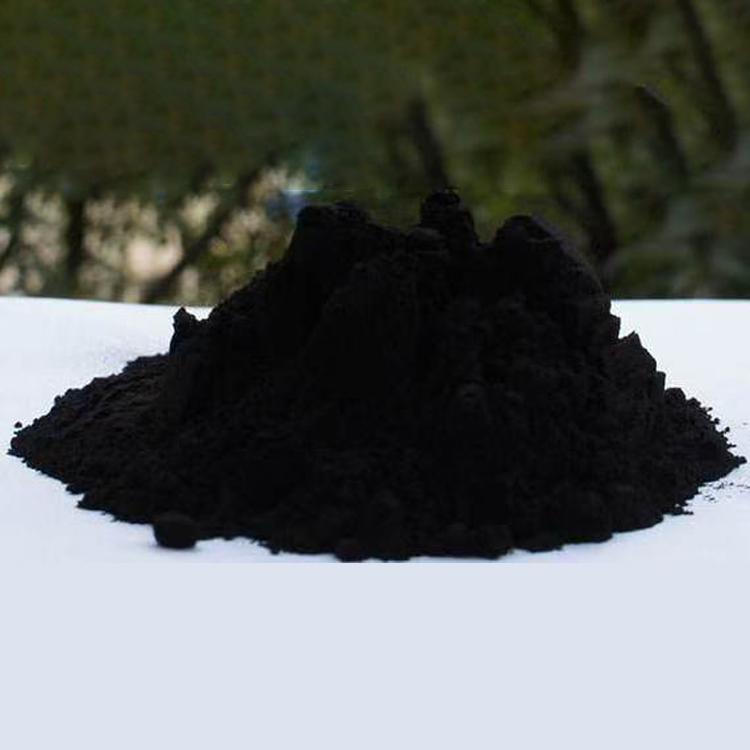
Color Carbon BlackIt is an important industrial raw material, renowned for its excellent coloring properties, covering power, and stability, and is widely used in various fields such as rubber, plastics, inks, paints, cosmetics, and more. Below is a detailed introduction to the pigment carbon black:
I. Basic Characteristics
Composition and Structure
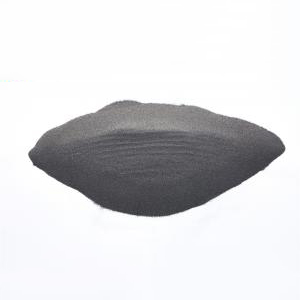
Pigment carbon black is mainly composed of carbon elements, featuring a highly dispersed black powder structure. Its microcrystals exhibit a quasi-graphite structure and are oriented in a concentric manner.Physical Properties
Particle sizeNative particle size typically ranges between 10-80 nanometers, tested via electron microscopy.
Specific Surface AreaHigh specific surface area endows it with excellent adsorption and coloring properties.
DensityLow density provides excellent dispersibility and moisture absorption.
ConductivityHigh resistivity and excellent conductivity, suitable for the electronics industry.
Chemical Properties
StabilityHigh stability to oxygen, acids, and alkalis; no hydrolysis reaction and no volatilization under high temperatures.
Antioxidant propertiesInsoluble in water or organic solvents; resistant to corrosion by acids and alkalis.
Section II: Preparation Method
The production methods for pigment carbon black mainly include:
Oil Kiln Method
Raw MaterialsCoke oven gas or liquid hydrocarbons (such as coal tar, naphthalene oil).
ProcessThe raw material is atomized into a high-temperature combustion flame, then pyrolyzed to produce carbon black, which is further processed through rapid cooling, separation, and drying to obtain the finished product.
Section 3: Application Fields
Rubber Industry
As a filler and coloring agent, enhance the hardness, strength, wear resistance, and weather resistance of rubber products.
Plastic Industry
Coloring and reinforcing for plastic products, enhancing their mechanical and processing properties.
Ink Industry
As a black pigment, it offers even, deep black, enhancing the quality and durability of printed materials.
Painting Industry
Enhance the blackness, coverage, and stability of the paint, while improving its lightfastness and weather resistance.
Cosmetic Industry
For the preparation of eyeliner, mascara, lipsticks, and other products, enhancing darkness and stability.
Food Industry
As a food coloring agent, used for black candies, beverages, soy sauce, etc., to enhance the color and texture of food.
IV. Performance Advantages
Coloring Function
Offer a deep black, enhancing the material's aesthetics and decorative appeal.Enhanced features
Enhance material hardness, strength, wear resistance, and weather resistance, extending service life.Conductive function
Enhanced material conductivity and antistatic properties, suitable for electronic and industrial applications.UV protection feature
Absorbs and scatters ultraviolet rays, preventing material aging and discoloration.
V. Buying Suggestions
Select based on application requirementsDifferent application fields have varying requirements for the particle size, structure, and surface activity of carbon black. For instance, the rubber industry requires carbon black with high reinforcing properties, while the ink industry places more emphasis on the blackness and dispersibility of carbon black.
Focus on product qualitySelect products with high purity, low ash content, and good dispersibility to ensure the performance of the final product.
Consider environmental requirementsWith increasingly stringent environmental regulations, choosing carbon black products that meet environmental standards helps avoid pollution to the environment.