







Carbon Black
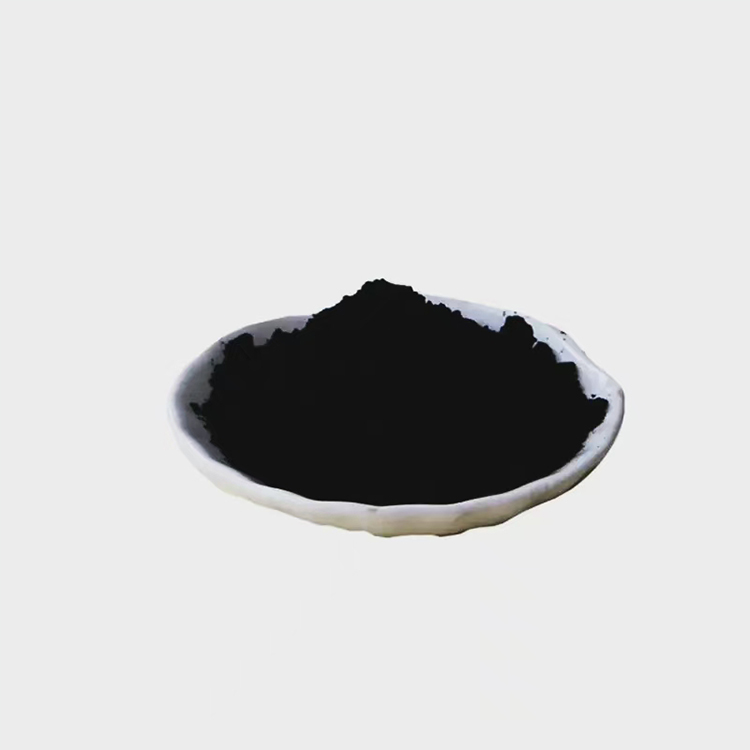
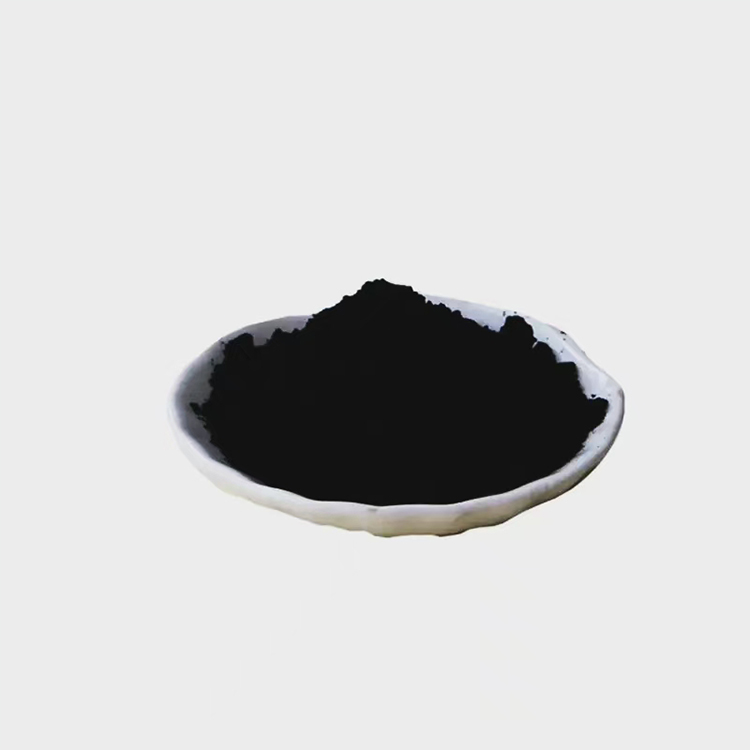
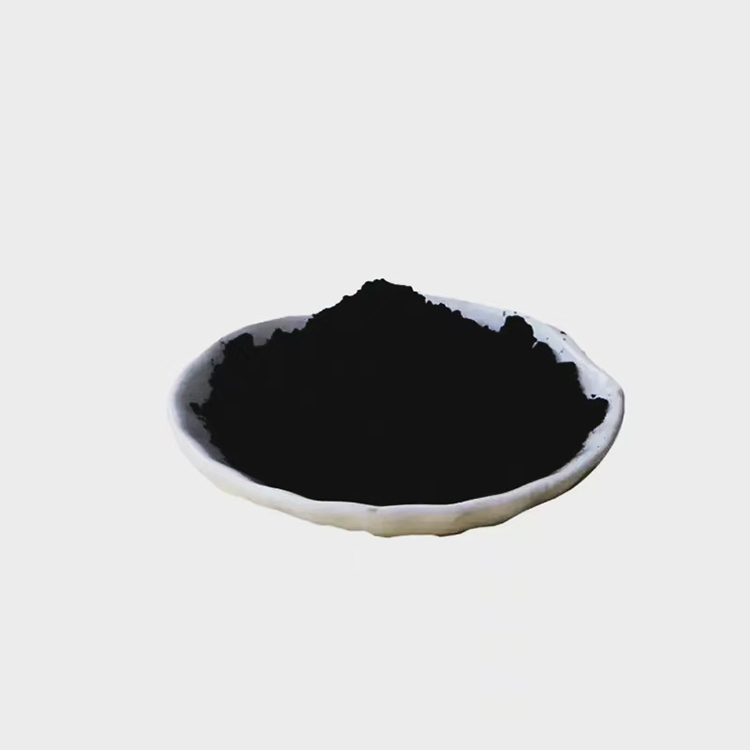
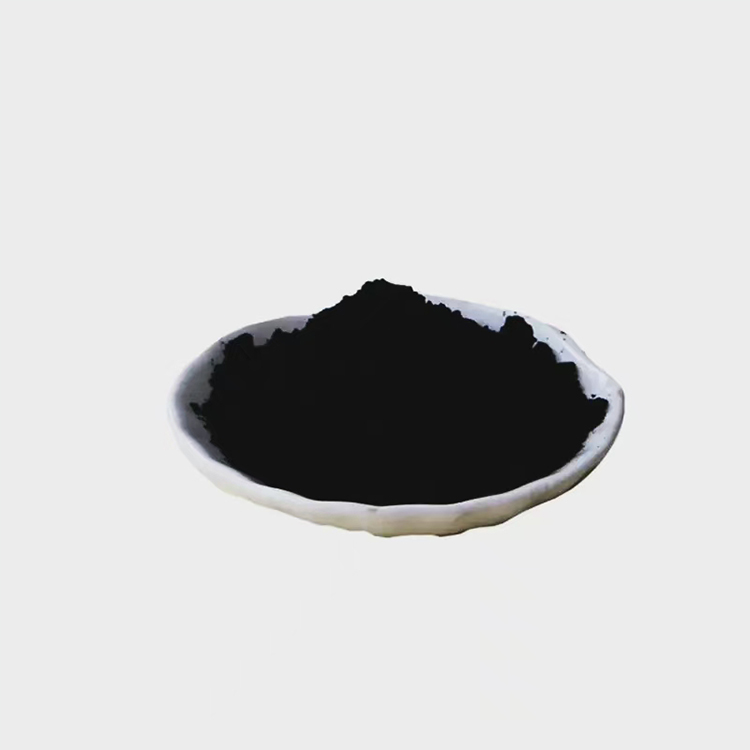
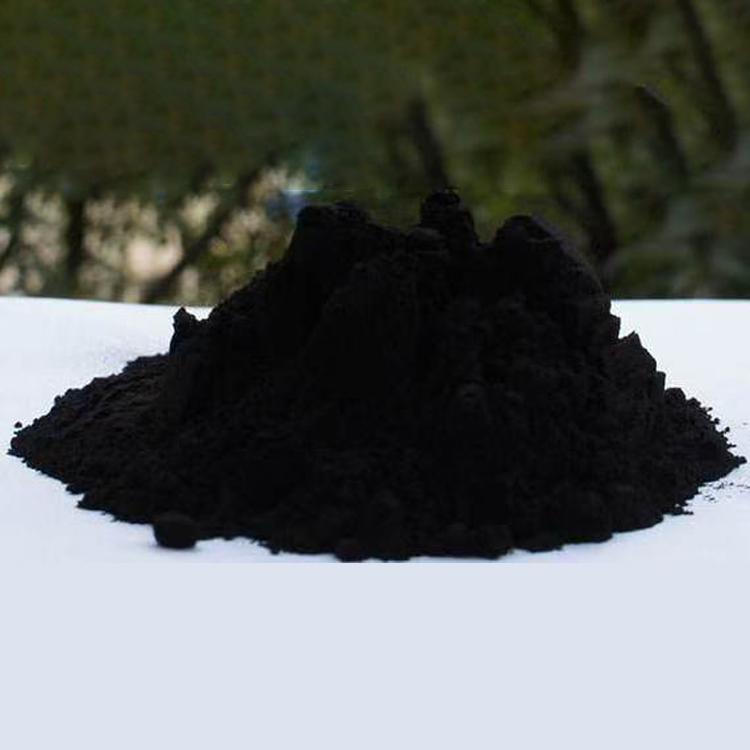
Carbon blackAn amorphous carbon material composed of carbon elements, it possesses unique physical and chemical properties and is widely used in various industrial fields. Below is a detailed introduction to carbon black:
I. Basic Characteristics
Chemical composition:
The main component is carbon (90% to 99%), with a small amount of oxygen (0.1% to 8%) and sulfur (0 to 0.7%).
Stable chemical properties, resistant to acids and alkalis, with excellent coloring properties.
Physical Properties:
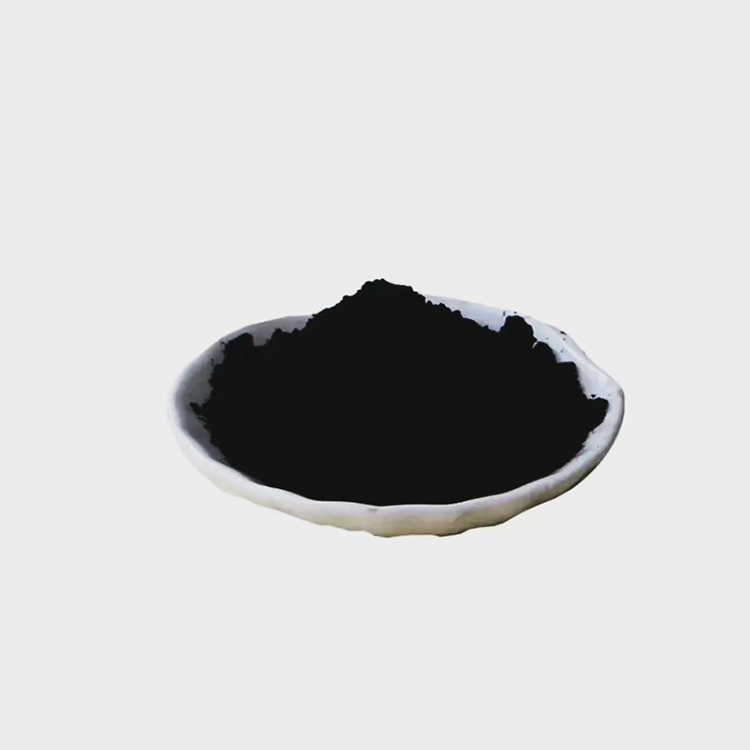
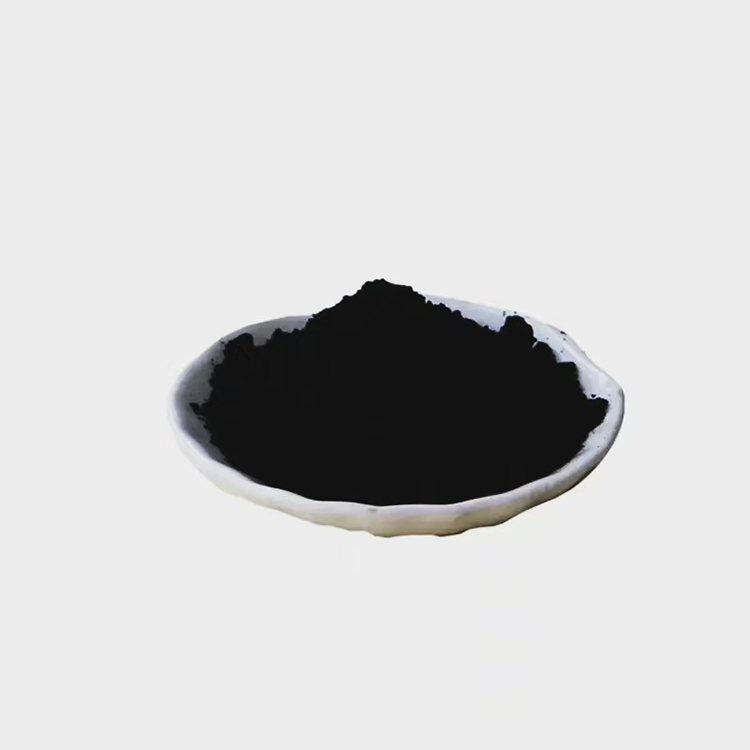
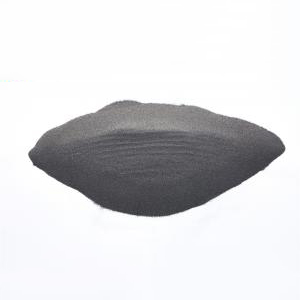
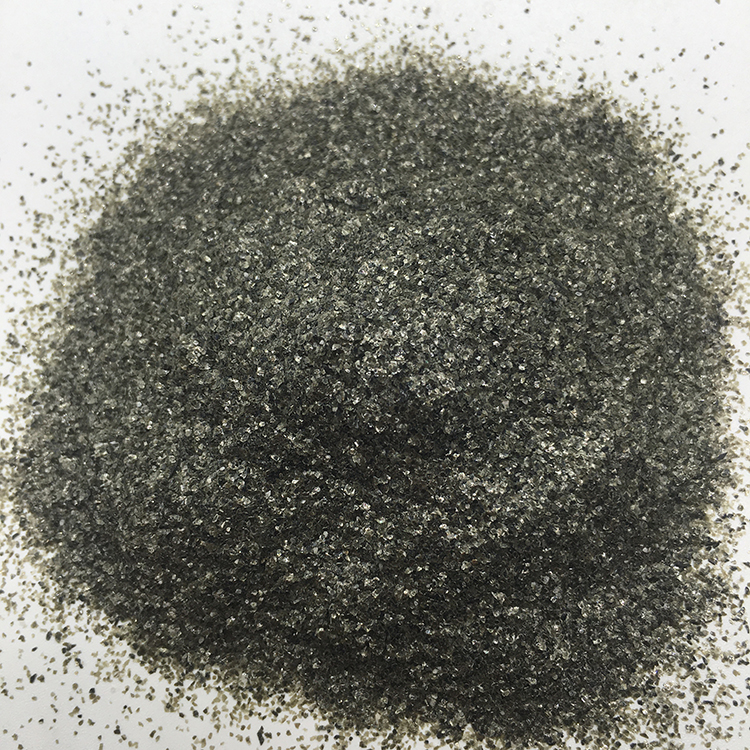
Form FactorBlack, finely powdered, with particles approximately spherical in shape, with a particle size of 8 to 500 nm.
Specific Surface Area10 to 3000 m²/g, high adsorption.
Density:1.8~2.1 g/cm³。
Conductive and thermally conductive propertiesIt possesses certain conductive and thermal properties, with high structural carbon black offering superior conductivity and thermal conductivity.
Optical PropertiesHighly absorbent, capable of absorbing visible light and infrared radiation.
Section II: Preparation Method
Furnace Method:
Introduce gaseous or liquid hydrocarbons and air into a sealed combustion furnace, where a portion of the hydrocarbons burn to produce heat, and the other portion crack to generate carbon black.
AdvantagesHigh production efficiency, stable product quality, and low cost.
ApplicationOver 98% of carbon black is produced through the furnace process.
Contact Method:
By bringing the flame from the combustion of gaseous hydrocarbons into contact with a cooler metallic surface, the flame is extinguished, causing the hot carbon particles formed through internal cracking to cool and adhere to the collection surface, forming carbon black.
Thermal cracking:
Using gaseous hydrocarbons as raw materials, they undergo thermal decomposition at high temperatures to produce carbon black and oxygen.
Section 3: Application Fields
Rubber Industry:
One of the main raw materials for the rubber industry, used in rubber products such as tires, rubber shoes, and rubber boots.
FunctionEnhance rubber hardness, strength, wear resistance, and cold resistance.
Ink manufacturing:
It is the primary raw material for black printing ink, producing clear and vivid ink characters.
Painting industry:
Blended into paint, it features high blackness and strong coloring power.
Used as the topcoat for cars in synthetic resin paints, as well as decorative paints for bicycles, sewing machines, and instruments.
Plastic Industry:
Primarily used as a coloring agent and UV shield.
Plastics with carbon black additives exhibit less deformation when heated, resulting in minimal size changes in the products, while also enhancing rigidity, hardness, and corrosion resistance.
Other fields:
Used for manufacturing dry batteries, electrical and electronic components, hard alloys, dyeing, electrostatic photography, photographic film, explosives, leather, lubricants, etc.
Enhance mechanical strength and hardness, increase resistivity, improve operational performance, and extend service life.
Section 3: Production Method
Furnace method:
Process FlowRaw material processing, combustion and cracking reactions, cooling and exhaust gas treatment, separation and post-treatment.
FeaturesHigh production efficiency, stable product quality, and low costs make this the most widely used production method currently.
Contact Method:
The flame from the combustion of gaseous hydrocarbons comes into contact with cooler metal surfaces before completing the entire process, cutting off the flame. This causes the hot carbon particles formed by the "cracking" inside the flame to cool down and adhere to the collection surface, forming carbon black.
Hot splitting method:
Using gaseous hydrocarbons as raw materials, first mix the raw gas with air in a complete combustion ratio, then introduce them into the furnace for combustion. As the temperature gradually rises to 1300-1400°C, stop supplying air and only introduce raw gas to enable thermal decomposition at high temperatures, producing carbon black and oxygen.
Section 4: Safety & Environmental Protection
ToxicityCarbon black can enter the human body through inhalation or contact, and prolonged exposure may cause pneumoconiosis.
Environmental requirementsDuring the carbon black production process, a large amount of exhaust gas and waste heat are generated. Measures such as exhaust gas recovery, wastewater treatment, and dust control are required to achieve green production and resource recycling.
V. Application Advantages
Rubber Industry:
Carbon black is one of the main raw materials in the rubber industry. The finer the particle size, the better the reinforcing properties; the higher the structure, the higher the tensile stress and modulus.
Ink manufacturing:
Carbon black ink produces clear, vivid printing.
Painting industry:
Carbon black mixed with paint boasts high blackness and strong coloring power, and is also used in synthetic resin paints as automotive topcoats and decorative paints for bicycles, sewing machines, and instruments.
Plastic Industry:
Plastics containing carbon black exhibit minimal deformation when heated, resulting in smaller dimensional changes in the products, while also enhancing rigidity, hardness, and corrosion resistance.
VI. Environmental Protection and Safety
Eco-friendlyDuring the carbon black production process, a large amount of exhaust gas and waste heat are generated. Measures such as exhaust gas recovery and wastewater treatment are required to achieve green production and resource recycling.
SafetyDuring the carbon black production process, efficient dust removal equipment must be installed to prevent dust pollution, and closed transportation should be adopted to ensure production safety.