







Iron Oxide Brown
Iron Oxide BrownIt is an important inorganic pigment with stable chemical properties, widely used. The following provides a detailed introduction from aspects such as basic characteristics, preparation methods, application fields, safety, and environmental protection.
I. Basic Characteristics
Chemical Composition: The main component is iron oxide (a mixture of Fe₂O₃ and FeO), which may contain a small amount of crystalline water. The molecular formula can be expressed as (Fe₂O₃ + FeO)·nH₂O.
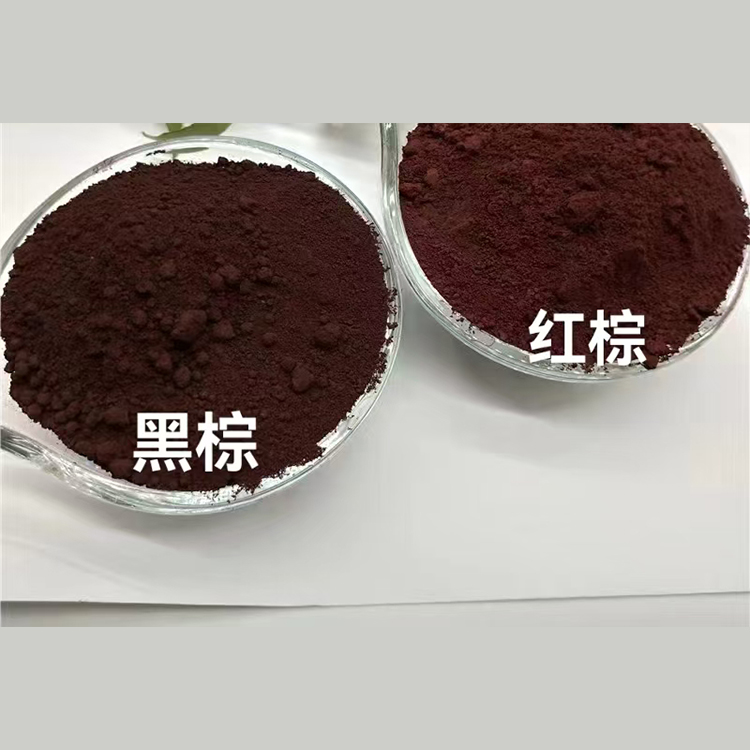
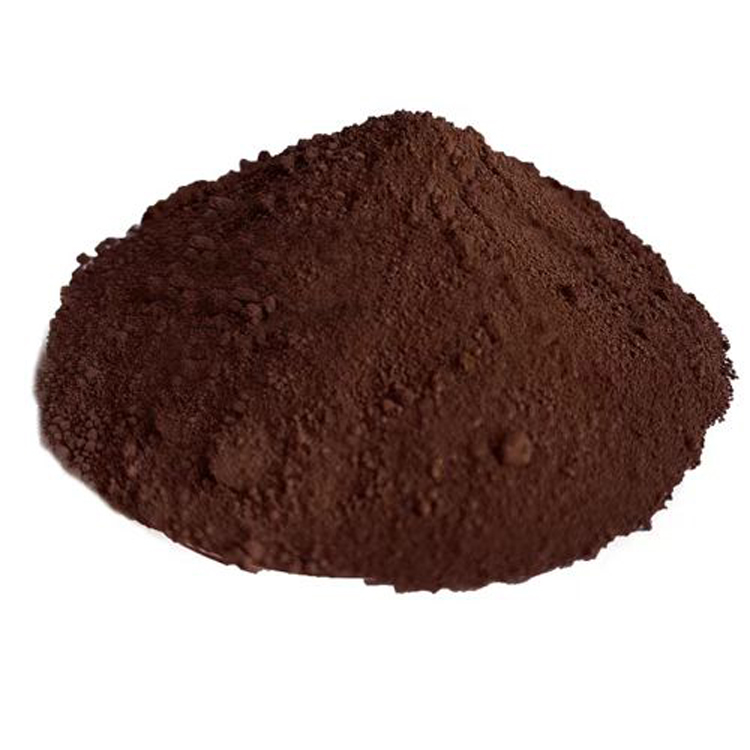
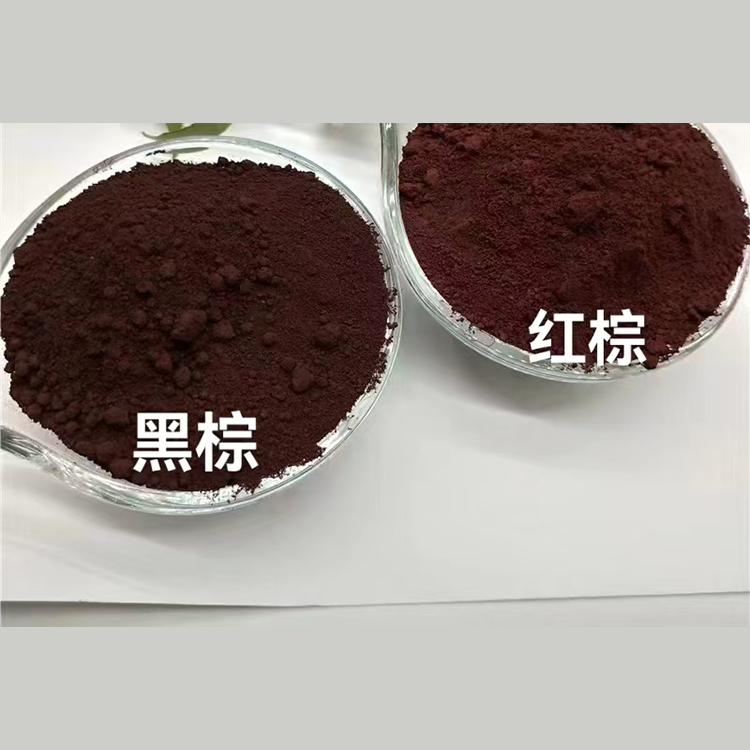
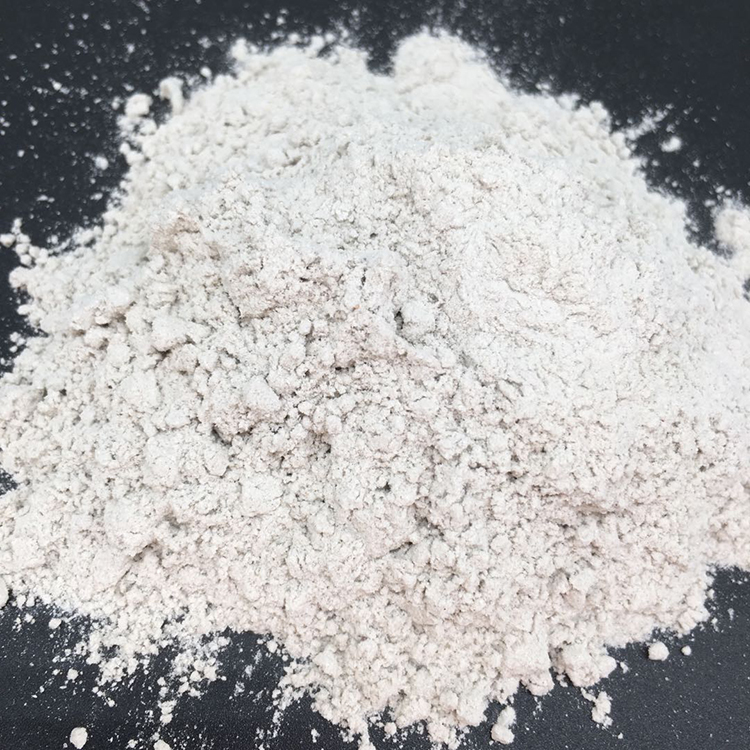
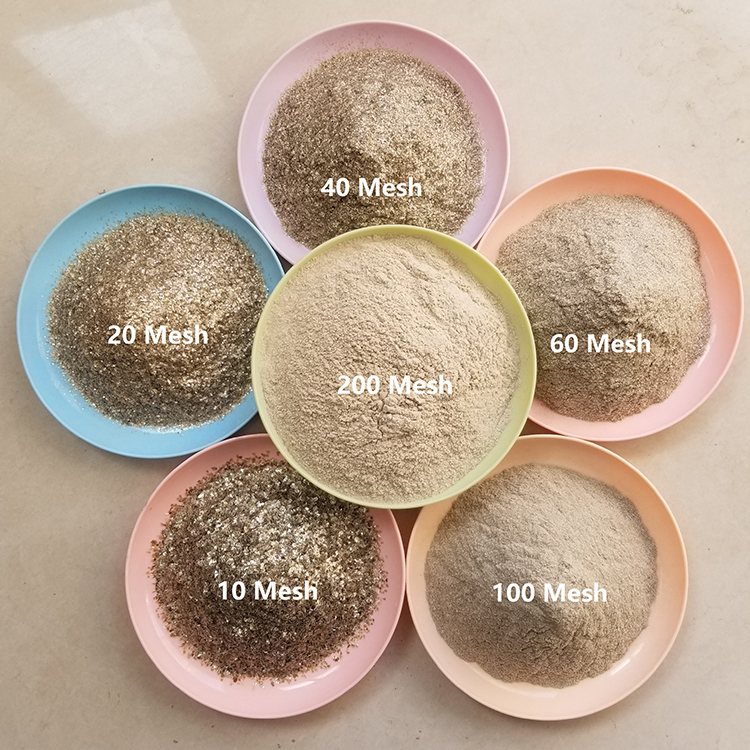
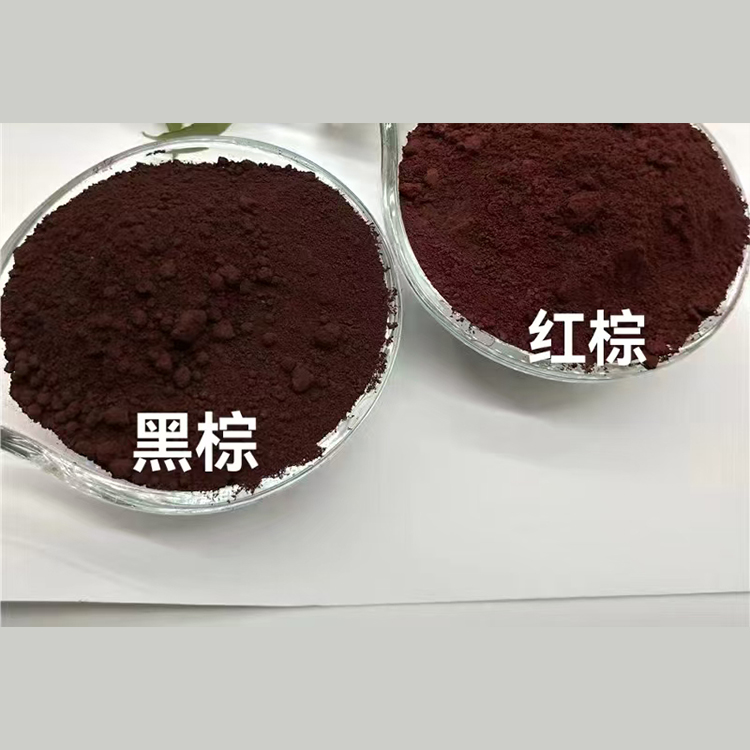
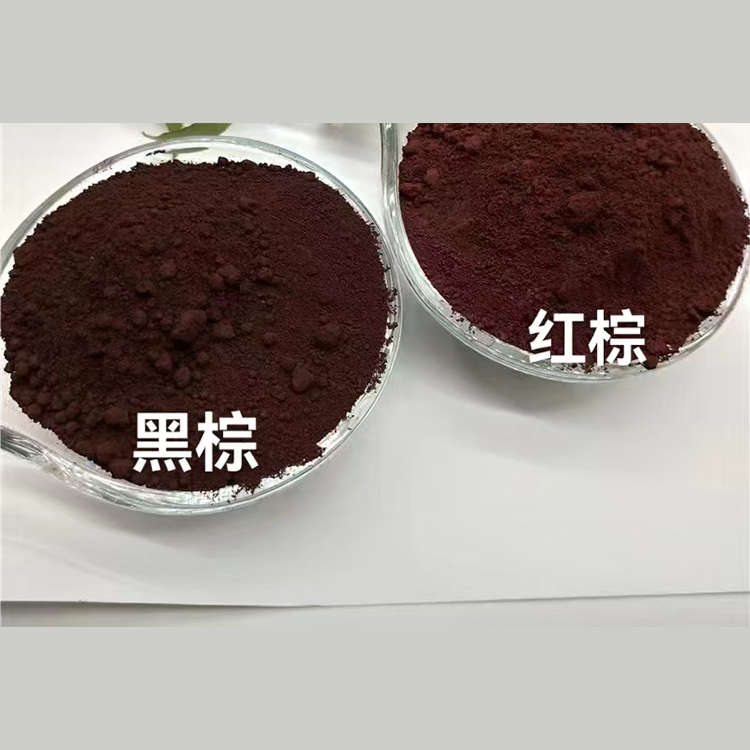
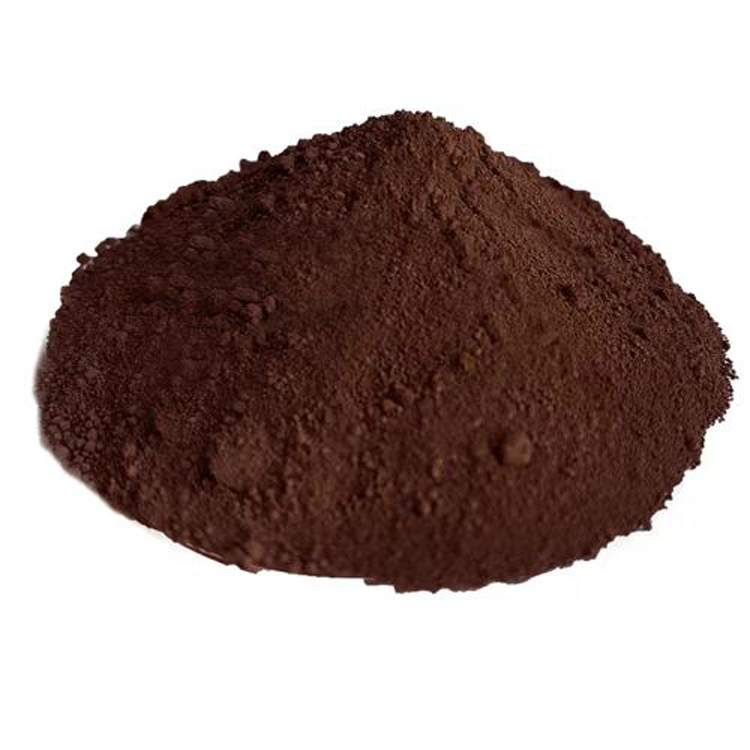
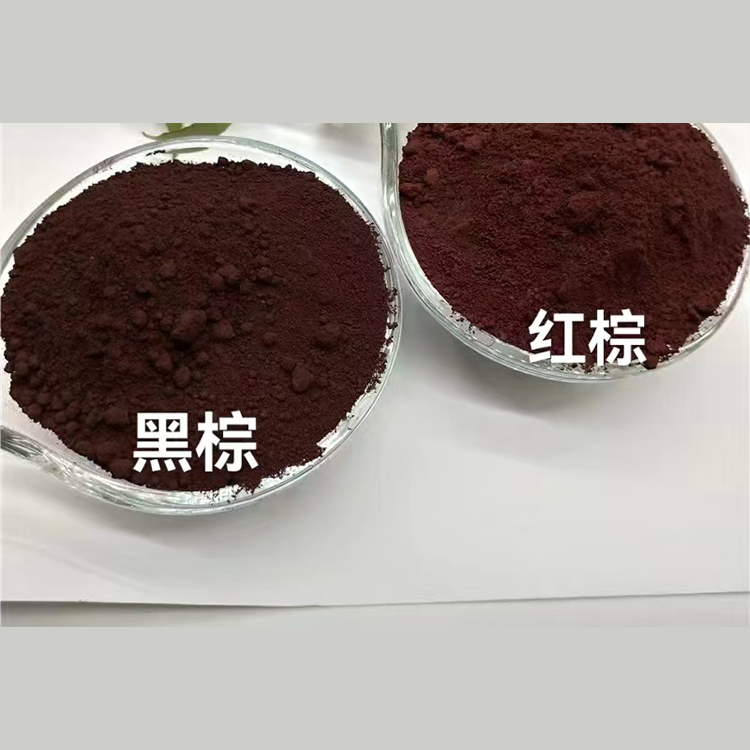
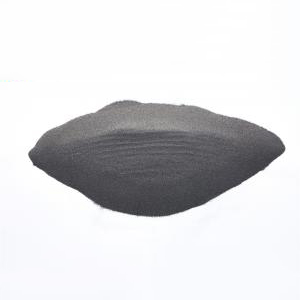
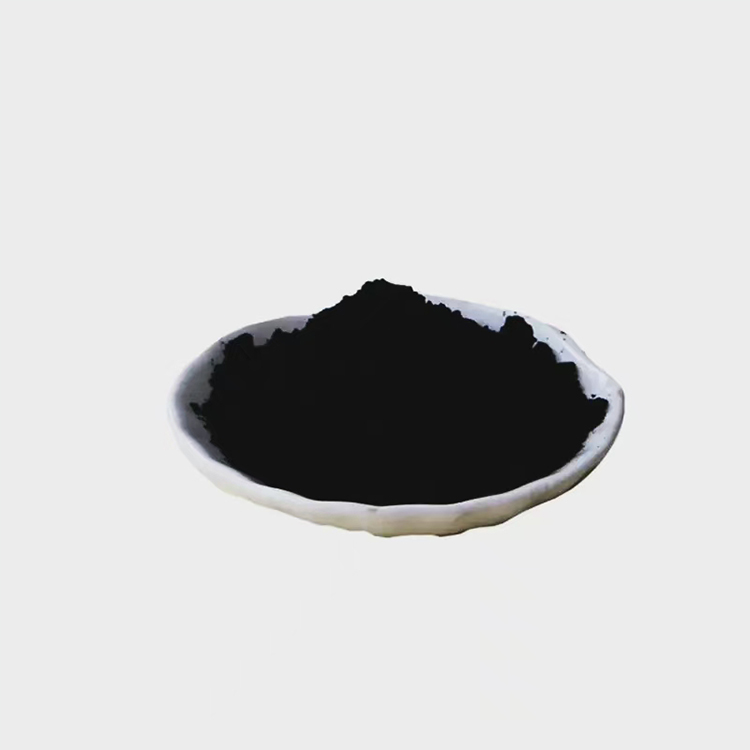
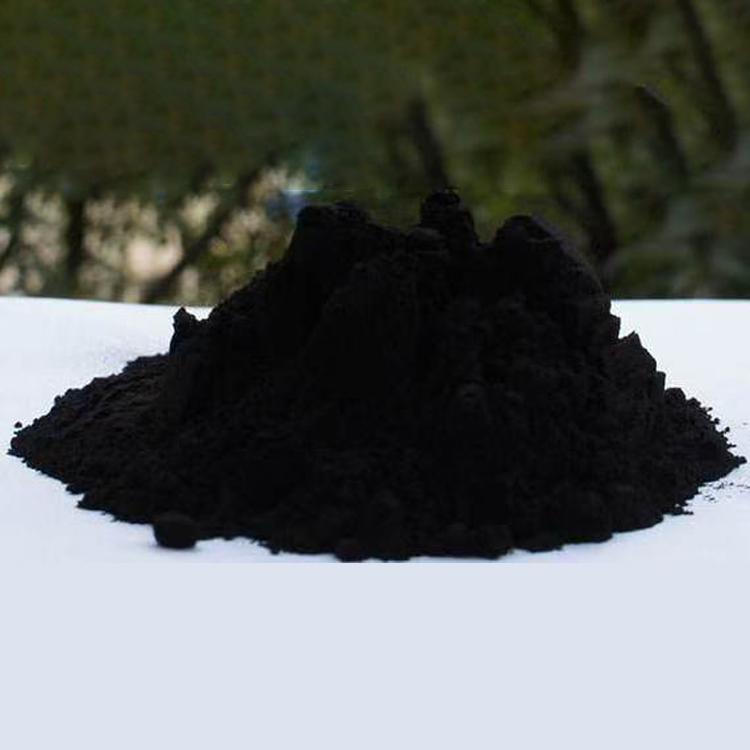
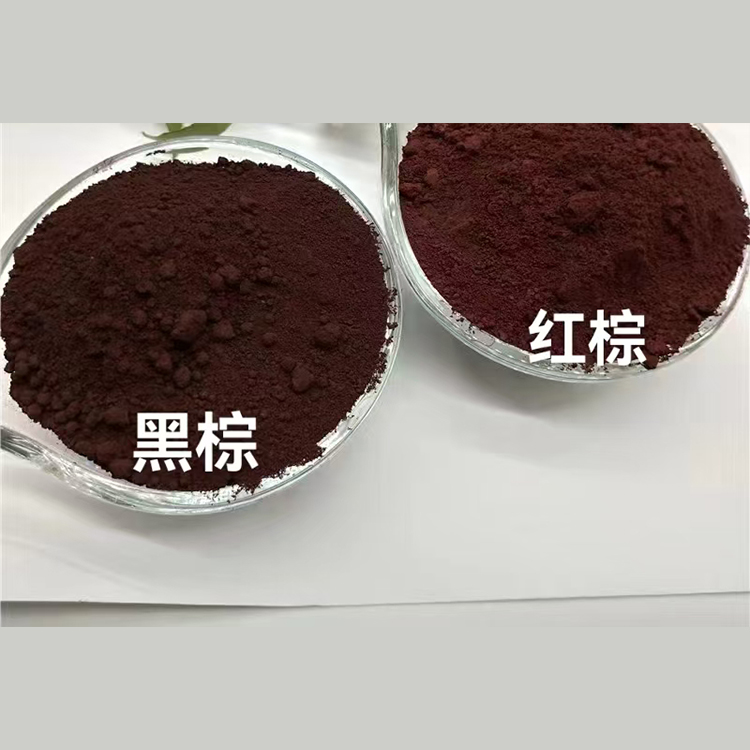
Physical PropertiesBrown powder, fine-grained, with strong covering and coloring power, and good dispersibility.
Chemical PropertiesInsoluble in water, alcohol, and ether; however, soluble in hot concentrated acids. Excellent light and weather resistance; no water or oil penetration. Color can vary with processing, presenting shades of yellow-brown, red-brown, black-brown, etc.
Section II: Preparation Method
Ferrous sulfate oxidation methodFerrous sulfate reacts with pure soda, then it is washed, filtered, dried, crushed, and mixed to obtain the product.
Mechanical blending methodComposed of iron oxide red, iron oxide yellow, and iron oxide black, mechanically blended.
Other methodsSynthesis of ferric oxide brown via methods such as low heavy metal liquid-phase oxidation and energy-saving, environmentally friendly preparation methods, achieved by controlling reaction conditions.
Section 3: Application Fields
Paints and ConstructionFor colored cement, tiles, tiles, imitation tiles, concrete tiles, mortar, asphalt, terrazzo, mosaic tiles, artificial marble, and wall painting, to enhance decorative effects.
Rubber and PlasticAs a coloring agent, offers stable color and weather resistance.
Paints and inksUsed for printing inks, paper, cardboard, and packaging materials, to produce color effects.
CosmeticsSuitable for manufacturing foundation cream and other cosmetics, offering lubricity and breathability.
Section 4: Safety & Environmental Protection
Toxic protective measuresExposure to dust can cause pneumoconiosis. The maximum permissible concentration of iron oxide aerosol (dust) is 5mg/m³. Dust protection measures must be taken.
Environmental RequirementsWith stricter environmental regulations, certain production processes require optimization to reduce pollution, such as using energy-saving and environmentally friendly preparation methods, and reducing wastewater generation.
V. Storage, Transportation, and Packaging
Storage and Transportation ConditionsStore in a dry place, avoid high temperatures and moisture, and keep away from acidic and alkaline substances. The shelf life of unpackaged products is three years.
Packaging SpecificationsTypically packed in 25 kg/bag, with outer woven and inner plastic, ensuring product stability.