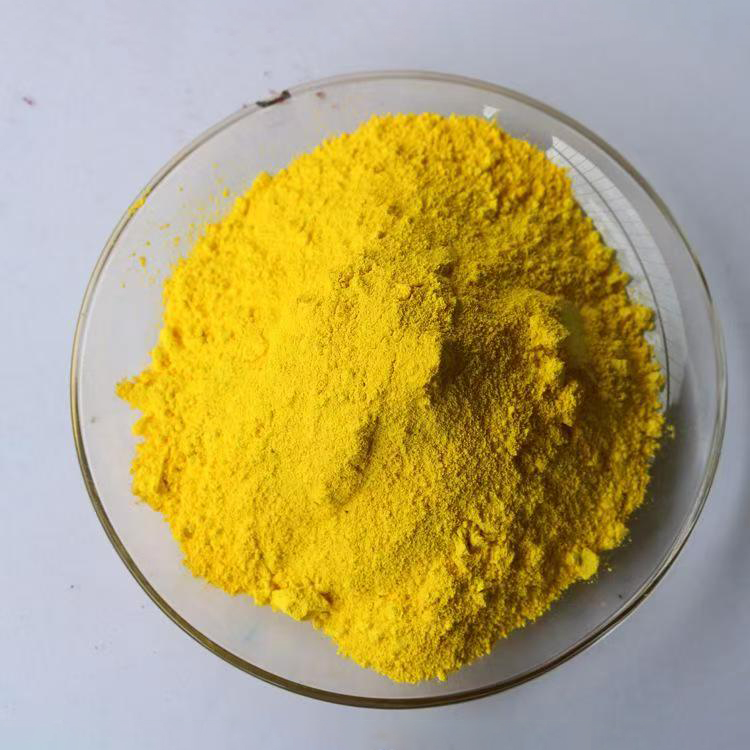

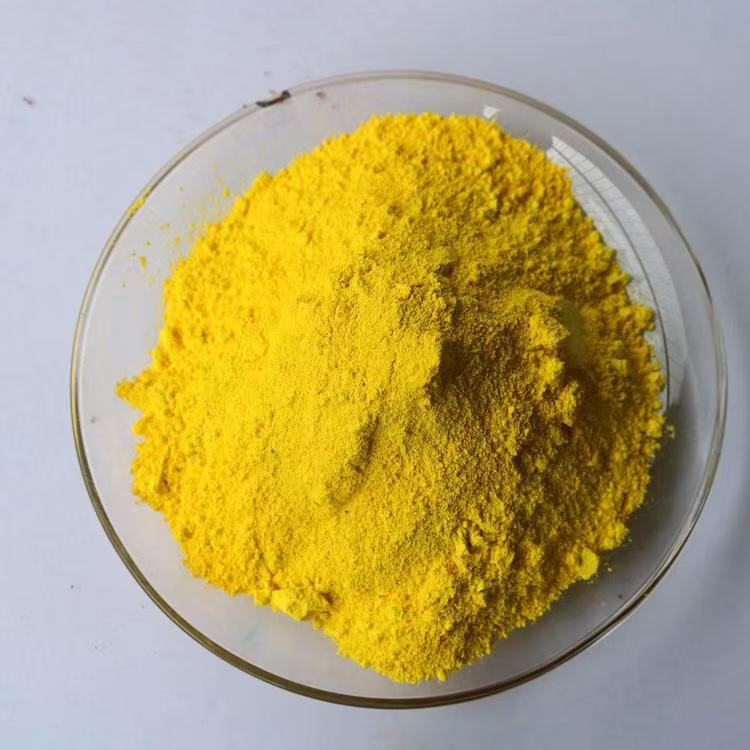
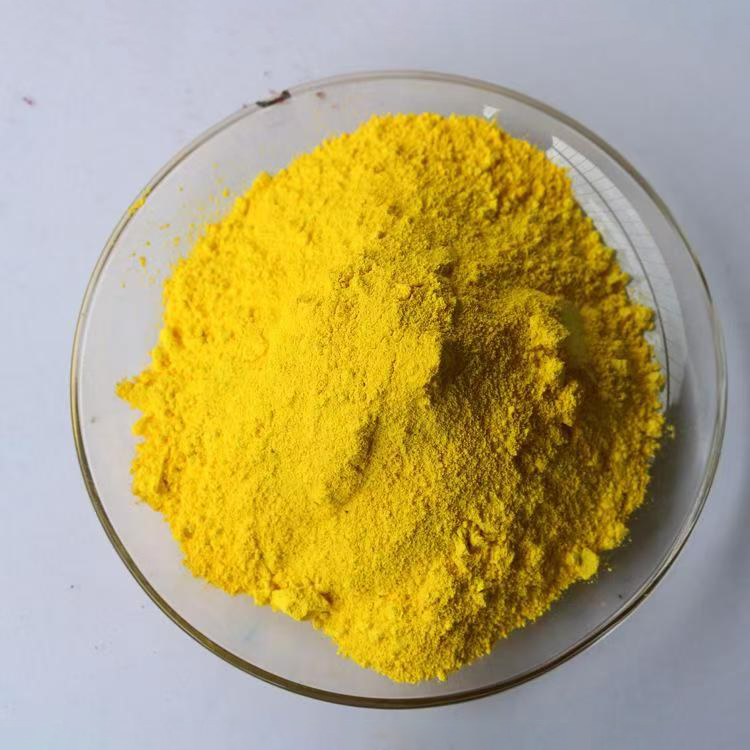
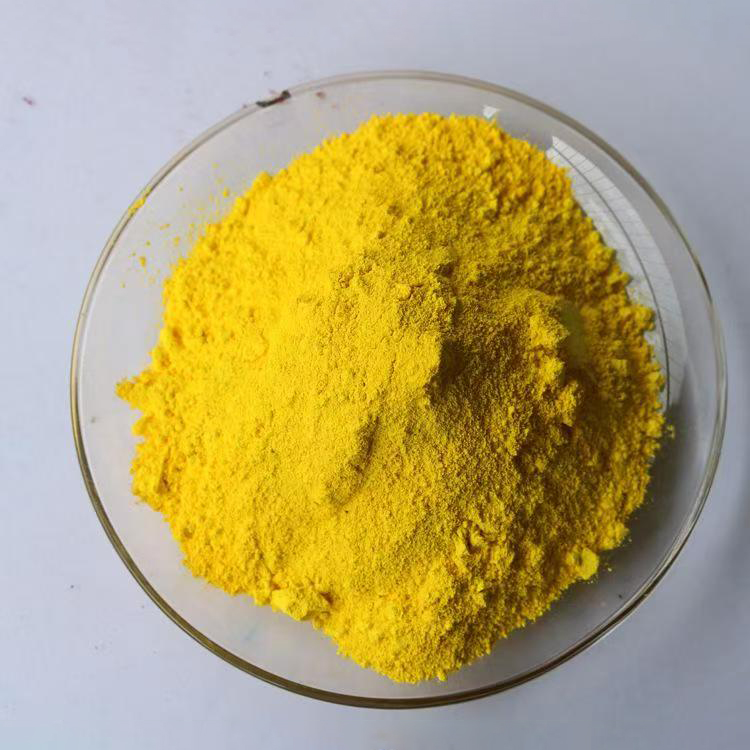







Lemon yellow
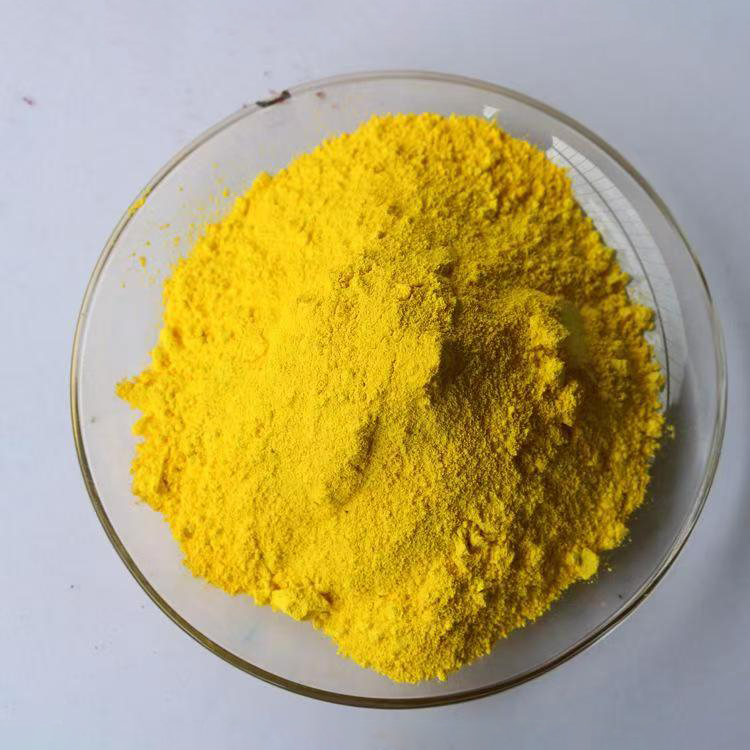
Lemon Yellow
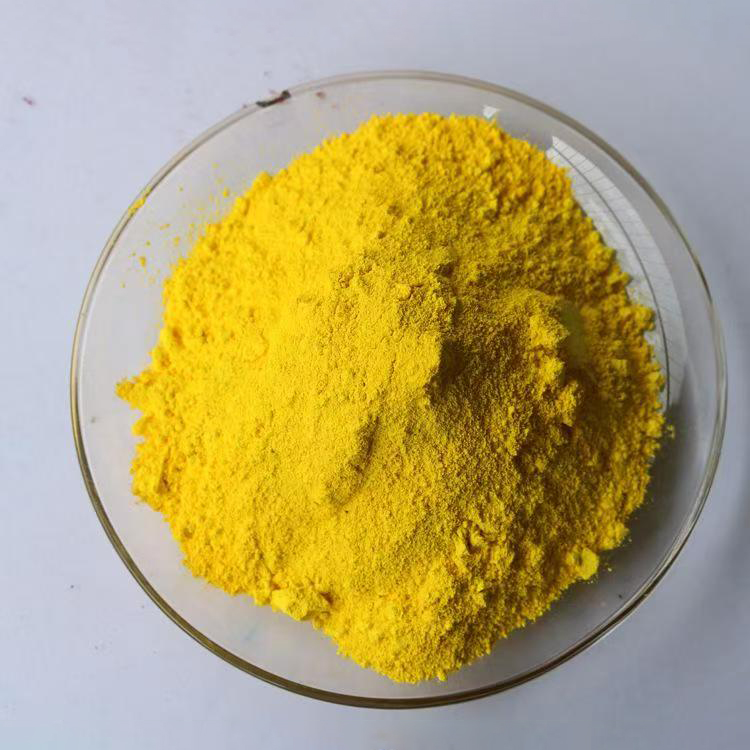
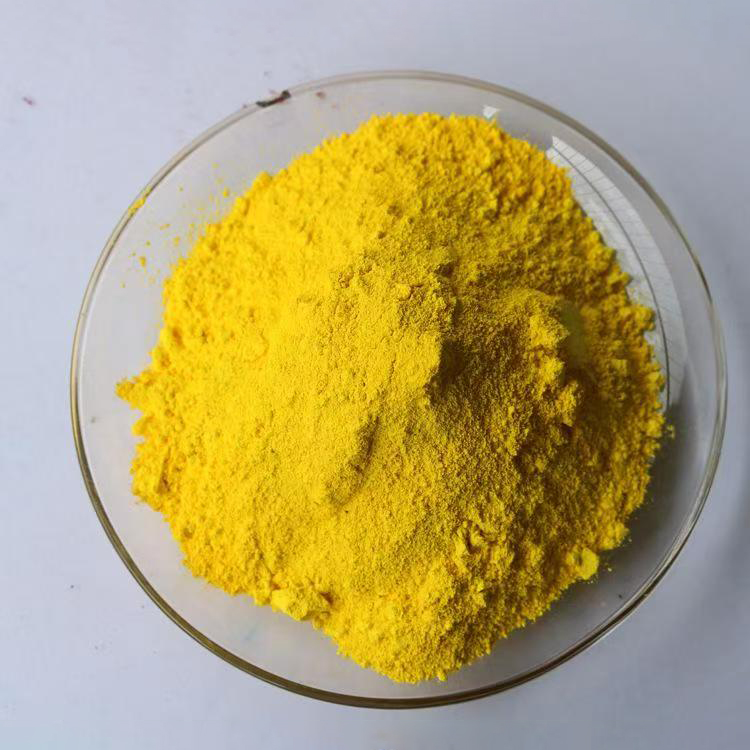
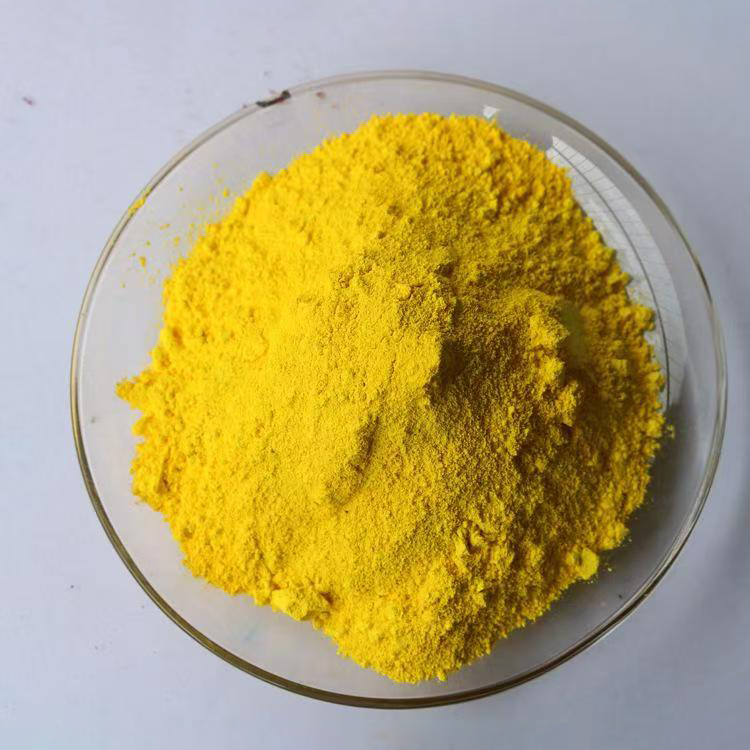
Lemon yellow is aVivid yellow pigment or dyeThe color is similar to the peel of a lemon, belonging to a high saturation warm yellow tone. Depending on the chemical composition, it can be categorized into...Inorganic Lemon YellowAndOrganic Lemon YellowTwo main categories, widely used in industries such as food, coatings, plastics, and textiles.
1. Basic Categories and Characteristics
(1) Inorganic Lemon Yellow (e.g., Lead Chromate, Cadmium Yellow)
Chemical Composition:
Lead chromate (PbCrO₄)Traditional inorganic yellow, bright but toxic (contains lead, hexavalent chromium).
Cadmium Yellow (CdS)Pure color, high-temperature resistant, but contains cadmium, restricted usage.
Features:
Good light and weather resistance, but poor environmental friendliness (gradually being phased out).
(2) Organic Lemon Yellow (e.g., azo dyes, phthalocyanine yellow)
Common Types:
Food-grade Lemon Yellow (FD&C Yellow 5, E102)Soluble, suitable for beverages and confectionery.
Pigment Yellow PY3/PY74Azo dyes, used in plastics and inks.
Phthalocyanine Yellow (PY138)Excellent weather resistance, suitable for high-end coatings.
Features:
Vivid colors, but some azo dyes may decompose to produce carcinogenic aromatic amines (must comply with environmental standards).
(3) Eco-friendly Alternatives (Modern Trend)
Iron(III) hydroxide yellow (FeOOH)Non-toxic but darker in color.
Bismuth yellow (BiVO₄)Lead and cadmium-free, excellent weather resistance, higher cost.
2. Main Applications
(1) Food Industry
E102 Food Yellow:
For candies, ice creams, carbonated drinks, canned goods, etc.
Limited QuantityDifferent standards apply in various countries (e.g., the EU limits to 0.1g/kg).
(2) Paints & Inks
PaintInterior and exterior decorative paints, road marking paints (with lightfastness required).
Printing InkPackaging Printing, Advertising Posters.
(3) Plastic & Textile
Plastic ProductsToys, PVC pipes, packaging materials (required to be migration-resistant).
Textile dyeingFluorescent yellow dyeing of polyester and nylon.
(4) Miscellaneous
CosmeticsEyeshadows, nail polish (high purity required).
Artistic paintsBright yellow for watercolor and acrylic paintings.
3. Safety and Environmental Concerns
Toxicity Risk:
Lead/cadmium-free inorganic yellow: Prohibited for use in food and children's products.
Azo dyes: Must be tested for release of carcinogenic substances (e.g., EU REACH regulation).
Alternative Trends:
Food Industry: Switch to natural pigments (such as turmeric, saffron yellow).
Industrial Field: Promote environmentally friendly pigments such as Bismuth Yellow, Iron Oxide Yellow, etc.
How to choose lemon yellow pigment?
| Requirement | Recommended Type | Cautionary Notes |
|---|---|---|
| Food-grade | FD&C Yellow 5(E102) | Must comply with GB 2760 |
| High-temperature-resistant plastic | Cadmium Yellow (CdS) or Bismuth Vanadate (BiVO₄) | Cadmium yellow is restricted, prioritize bismuth yellow. |
| Eco-friendly Paint | Phthalocyanine Yellow (PY138) | Excellent weather resistance, higher price |
| Low-cost construction materials | Iron(III) hydroxide yellow (FeOOH) | Dark in color, but non-toxic. |
5. Important Notes
Food ContactMandatoryFood-grade certificationColorants, avoid exceeding heavy metal limits.
Industrial Use:
Lead/cadmium pigments must be labeled with hazardous material identification.
Export products must comply with regulations such as EU REACH and U.S. EPA.
StorageOrganic pigments are moisture-proof and light-proof, while inorganic pigments are sealed to prevent dust.
Summary
Lemon yellow is a versatile yellow dye, and selection should be based onSafety, weather resistance, costComprehensive consideration:
Food/CosmeticsFood-grade synthetic colorant (E102) or natural colorants.
Industrial ProductsInorganic yellow (Bismuth yellow) or organic pigments (Phthalocyanine yellow).
Prohibited MaterialsAvoid lead chromate yellow, cadmium yellow (unless special permit).