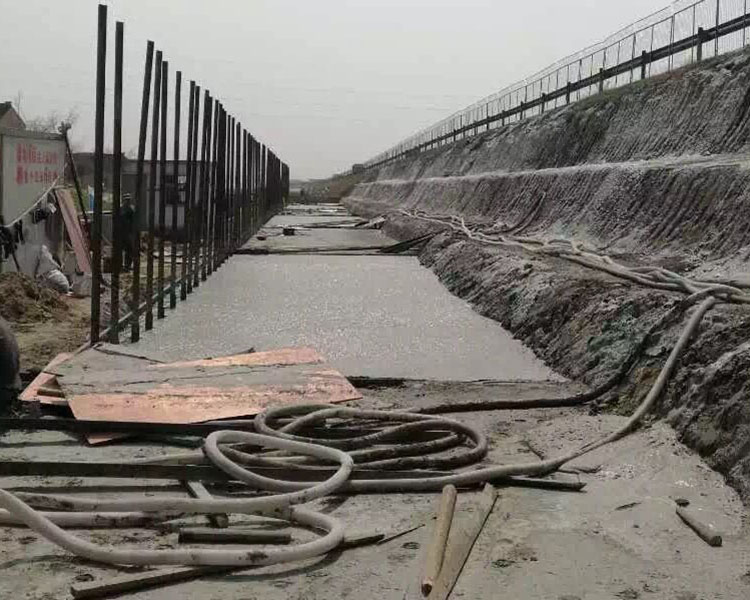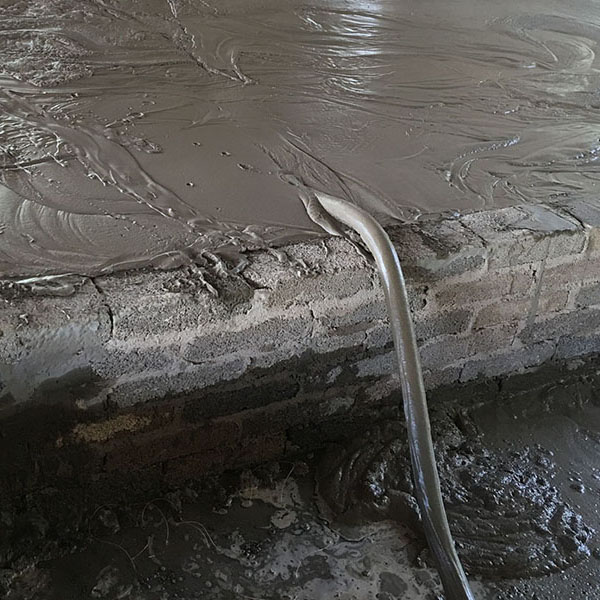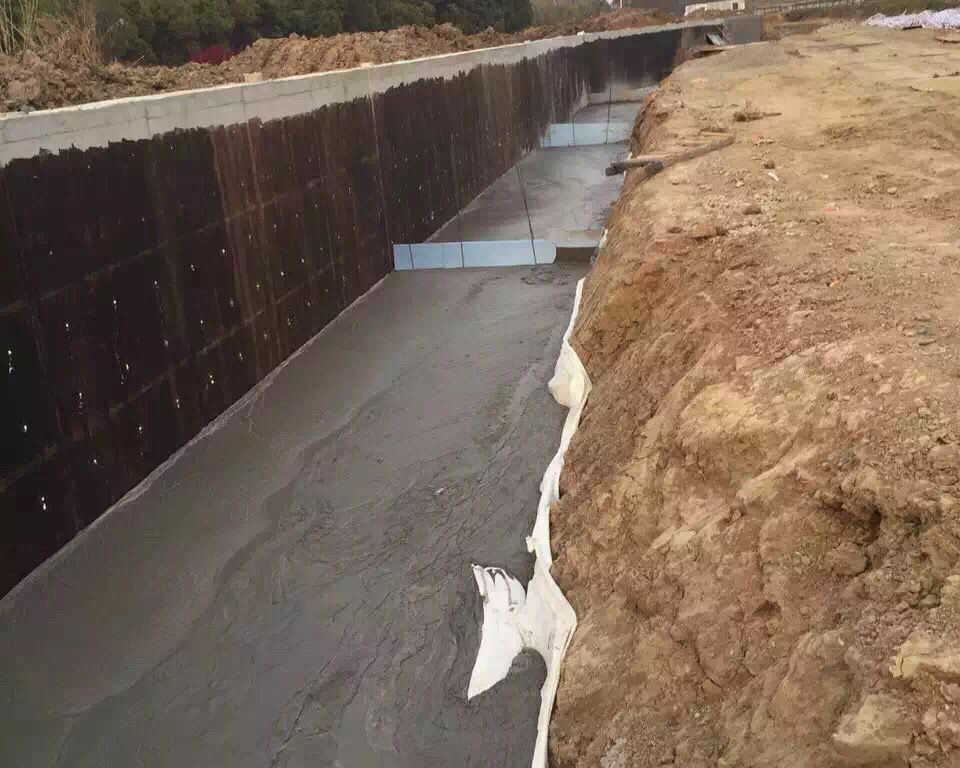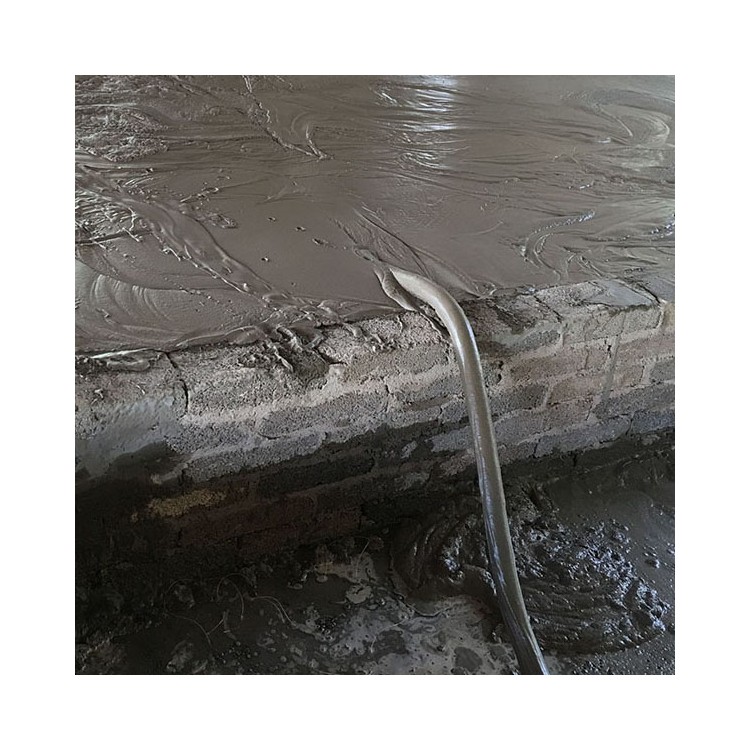

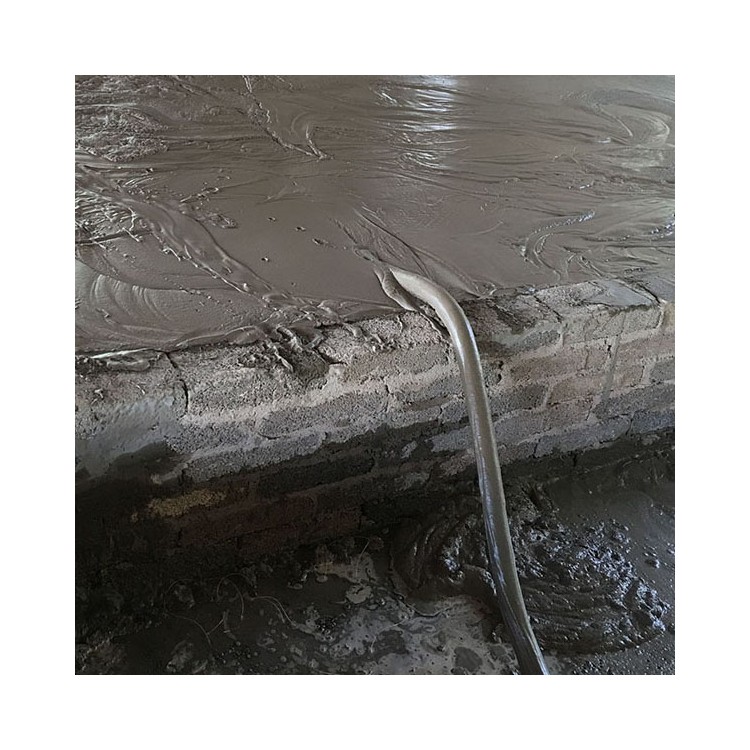
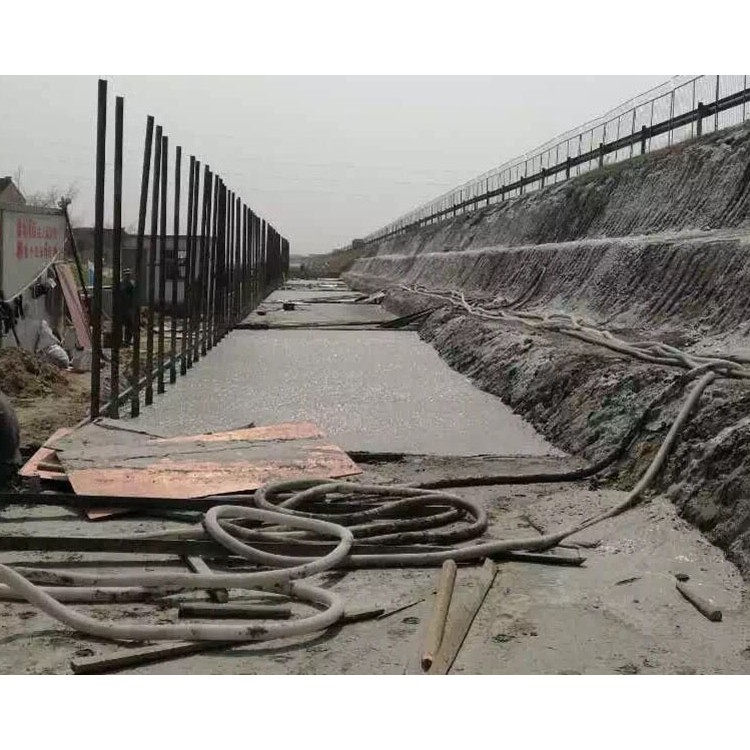
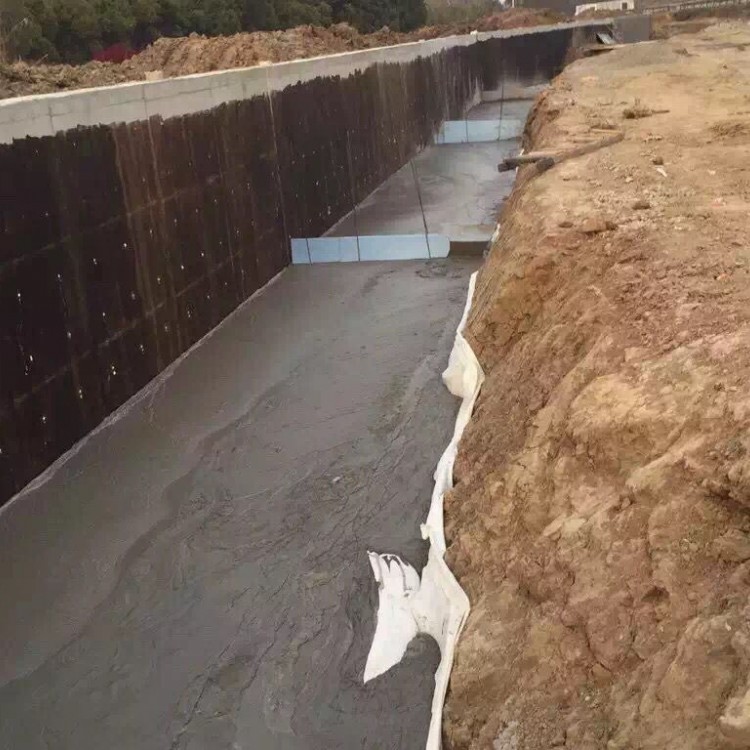


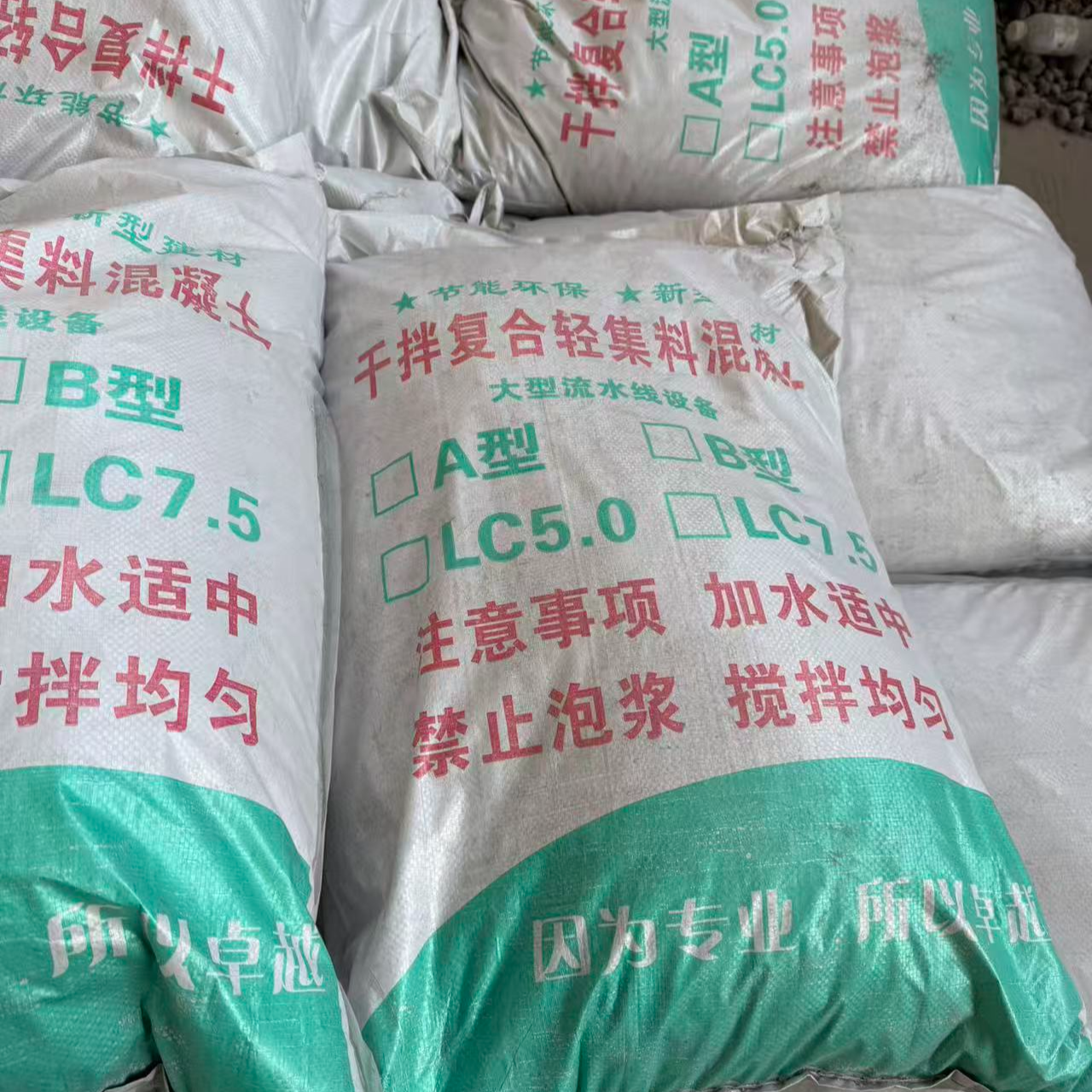
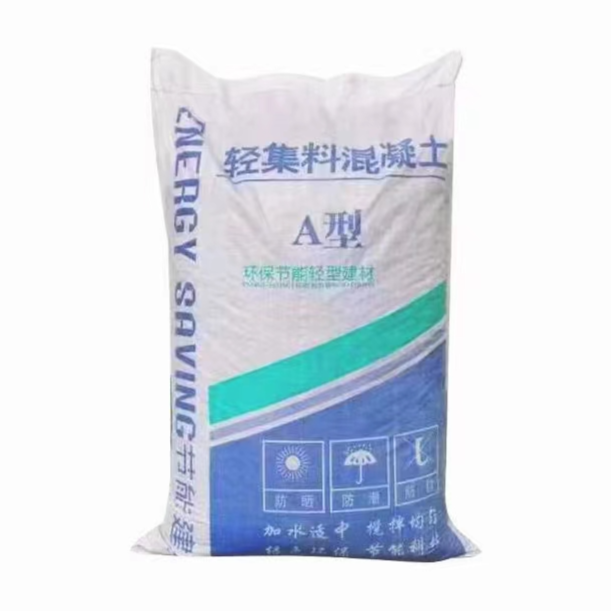
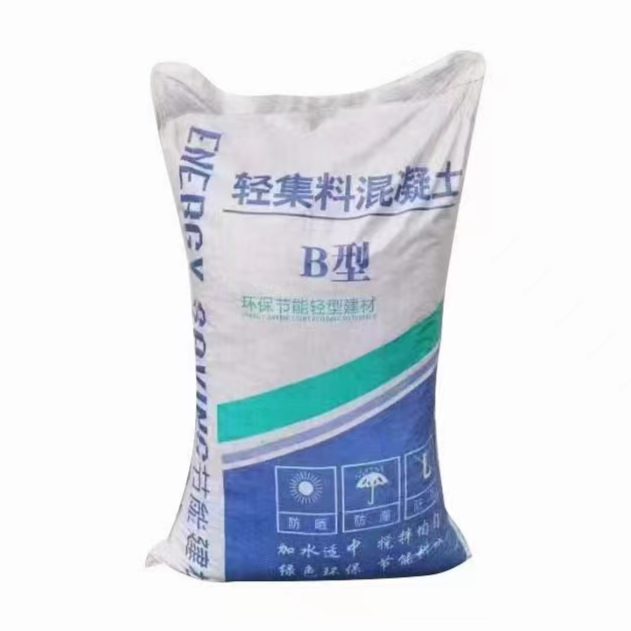
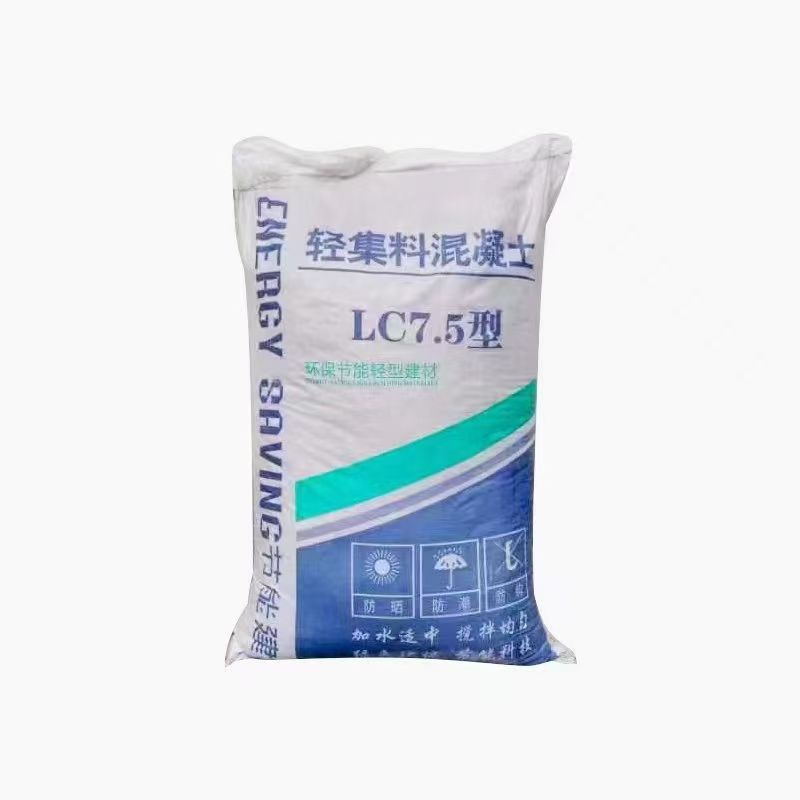
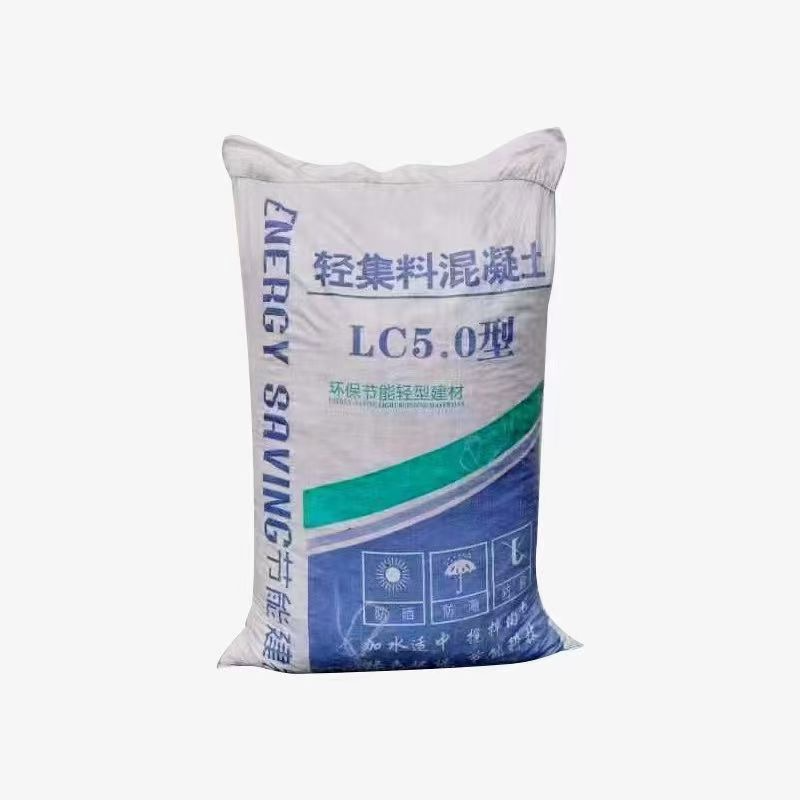





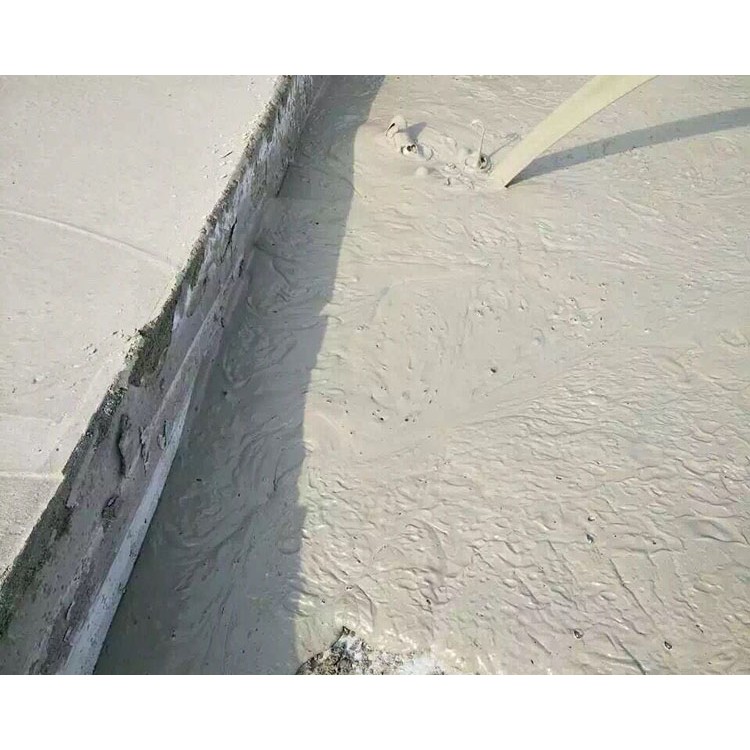
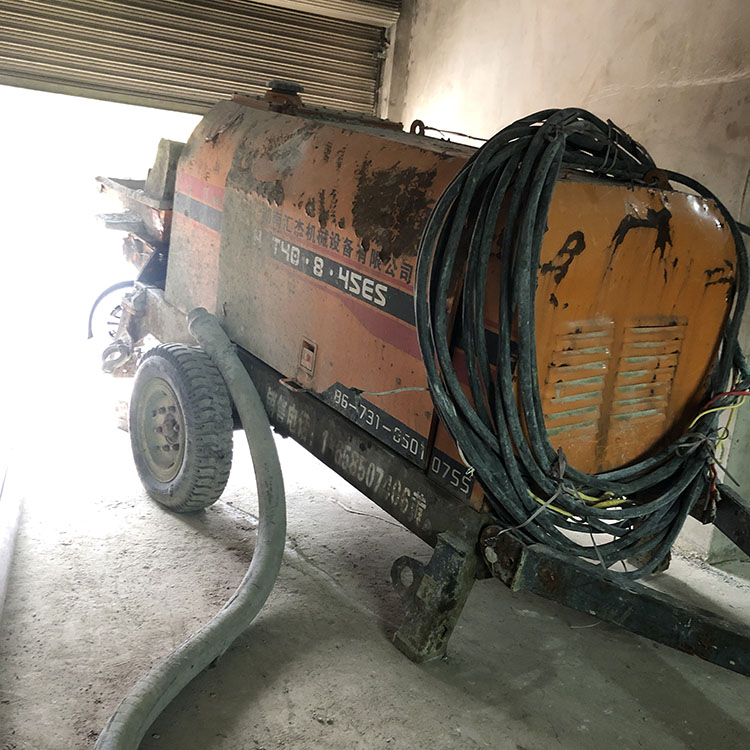
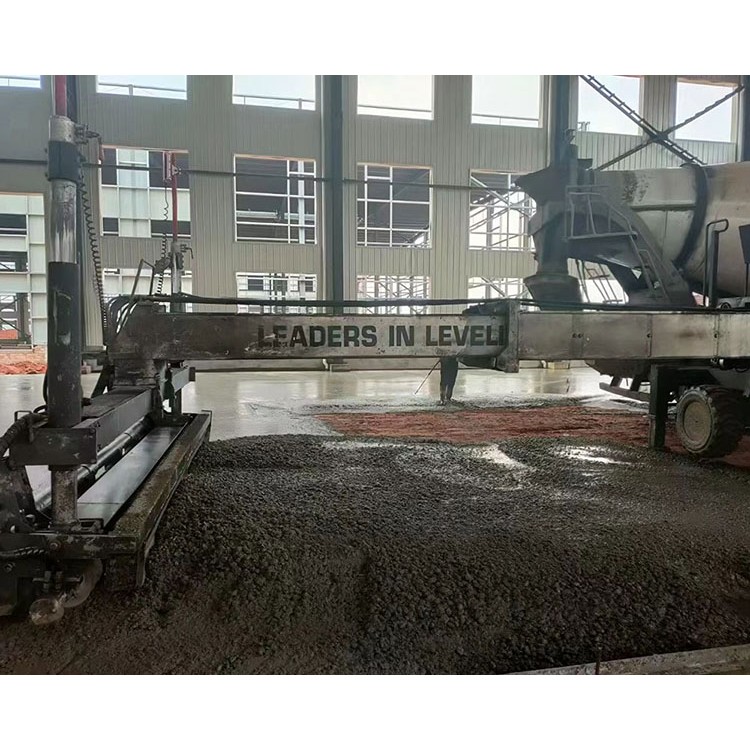
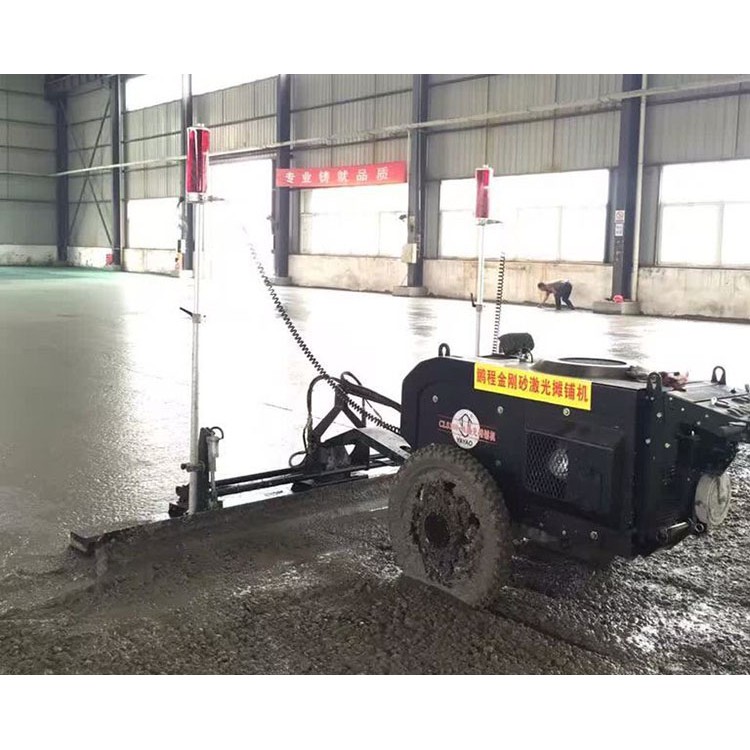
Ready-mixed foamed concrete is a lightweight, porous concrete. It is produced by preparing a foaming agent solution into foam through physical methods, then adding the foam to a slurry made of cement, aggregates, admixtures, additives, and water, followed by mixing, on-site casting, and natural curing.
Key Features
1. Lightweight and High-Strength: The density of cast-in-place foam concrete typically ranges between 300-1800 kg/m³, with the common density range being 300-1200 kg/m³. This lightweight characteristic offers significant advantages in reducing the weight of buildings, saving materials, and costs. Additionally, through proper formulation and process control, it maintains high compressive strength and load-bearing capacity.
2. Thermal Insulation: Ready-mixed foam concrete contains a large number of isolated, non-communicating small holes internally, which effectively block the heat transfer pathways, resulting in excellent thermal insulation properties. Its thermal conductivity is typically between 0.08 to 0.3 W/(m·K), and its thermal resistance is about 10 to 20 times that of ordinary concrete. Therefore, it is widely used in roof insulation and wall heat insulation applications.
3. Soundproof and Fireproof: The porous structure of cast-in-place foam concrete also makes it an excellent soundproofing material. In applications such as building floors and noise barriers on highways, it effectively absorbs and isolates noise. Additionally, being an inorganic material, it does not burn, offering superior fire resistance.
4. Easy Construction: Ready-mixed foam concrete features excellent fluidity and plasticity, allowing for on-site casting and close integration with the main structure. Additionally, it has a short construction period and high efficiency, significantly reducing the construction timeline.
5. Eco-friendly Energy-saving: The production of cast-in-place foam concrete fully utilizes waste materials like fly ash, thereby reducing consumption of natural resources. Additionally, its excellent thermal insulation properties help to lower the energy consumption of buildings, achieving the goal of energy conservation and emission reduction.