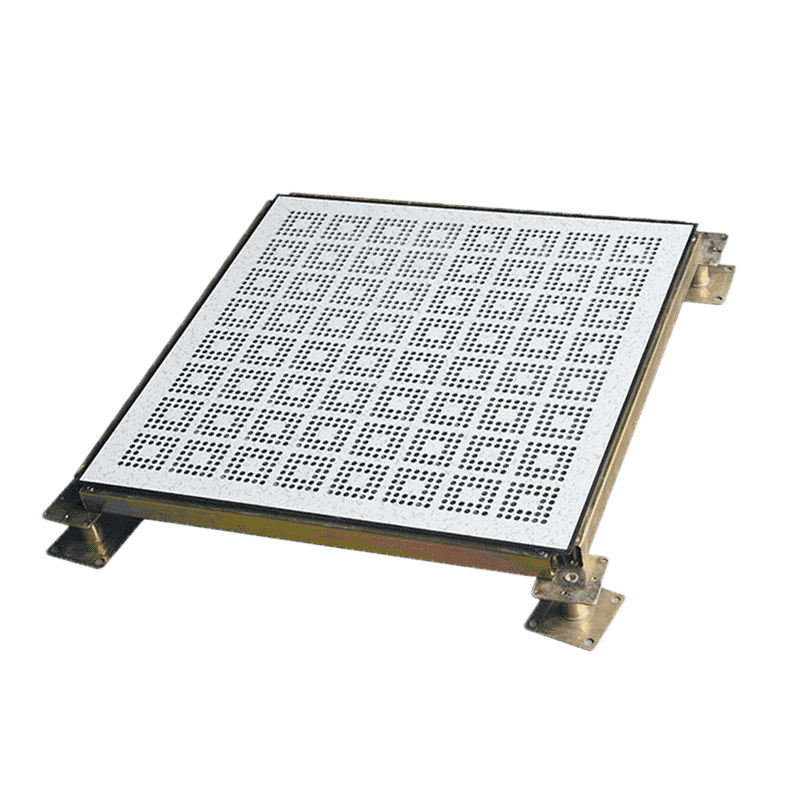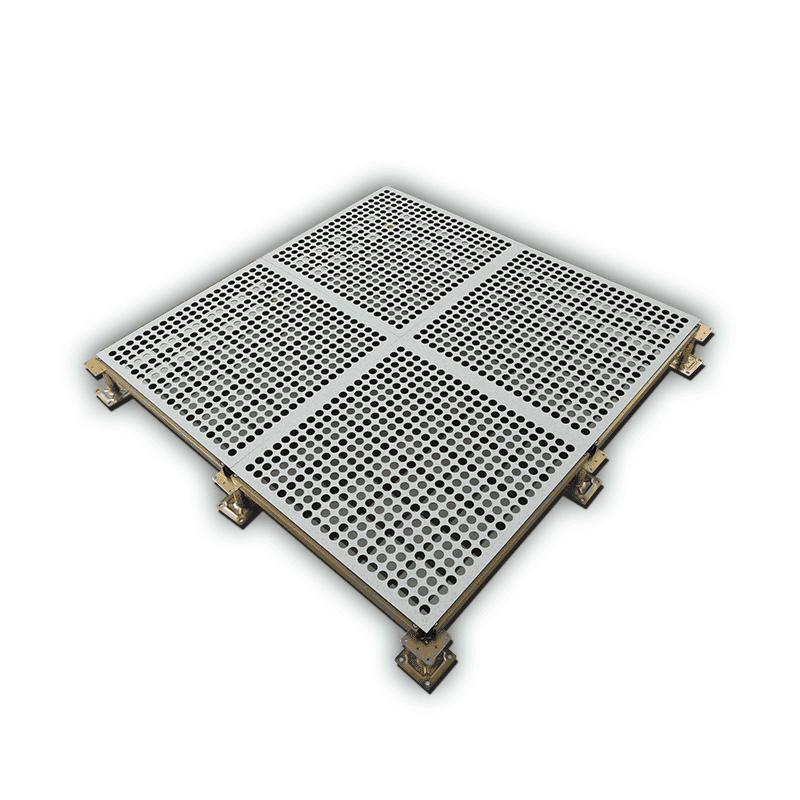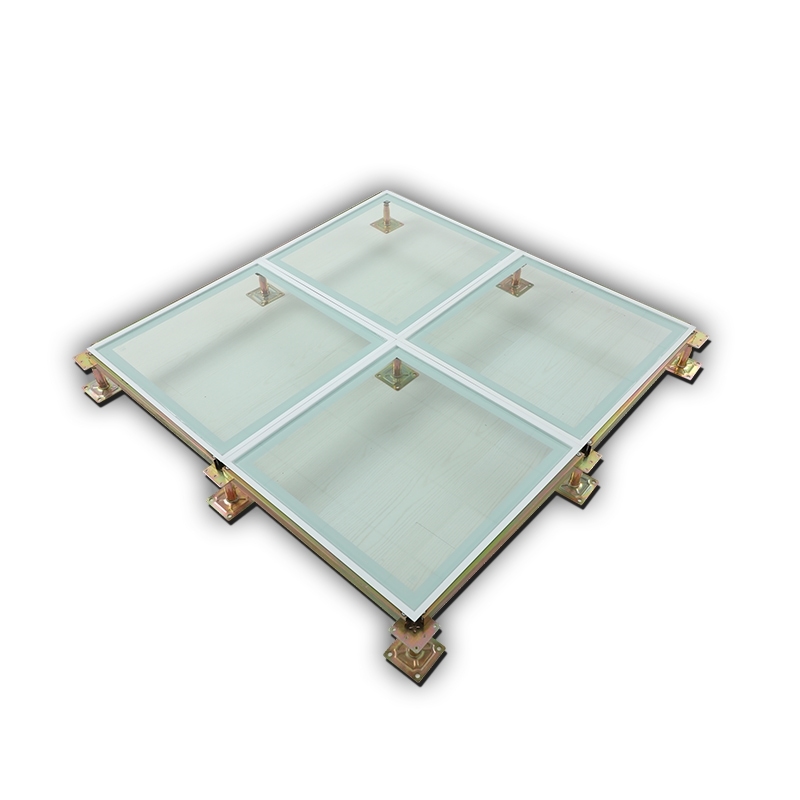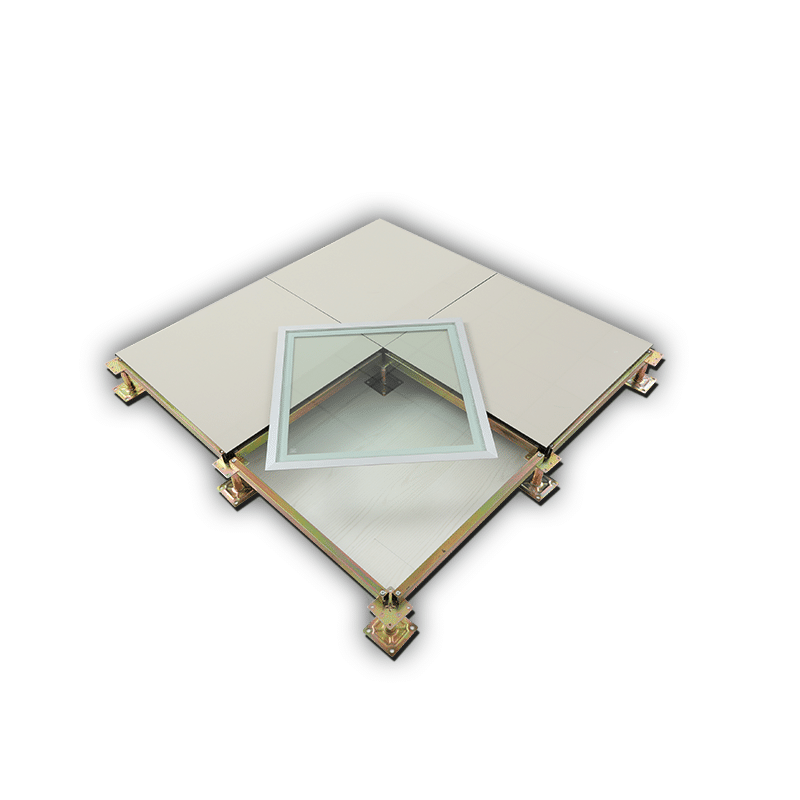

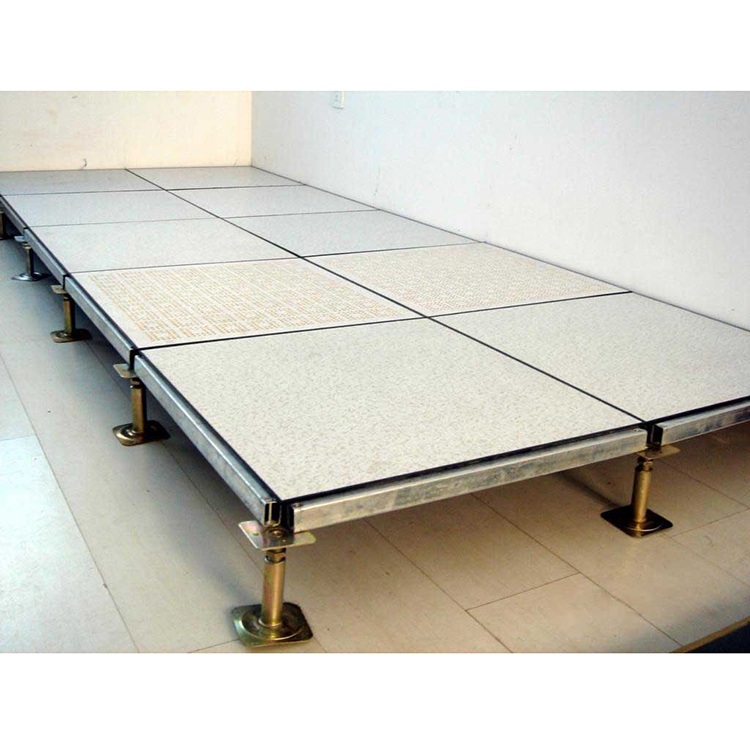


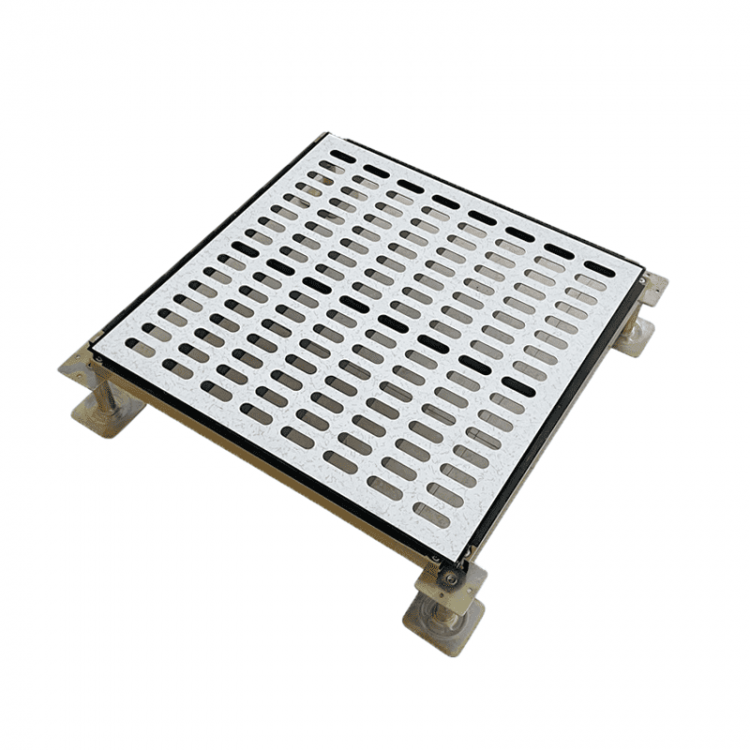
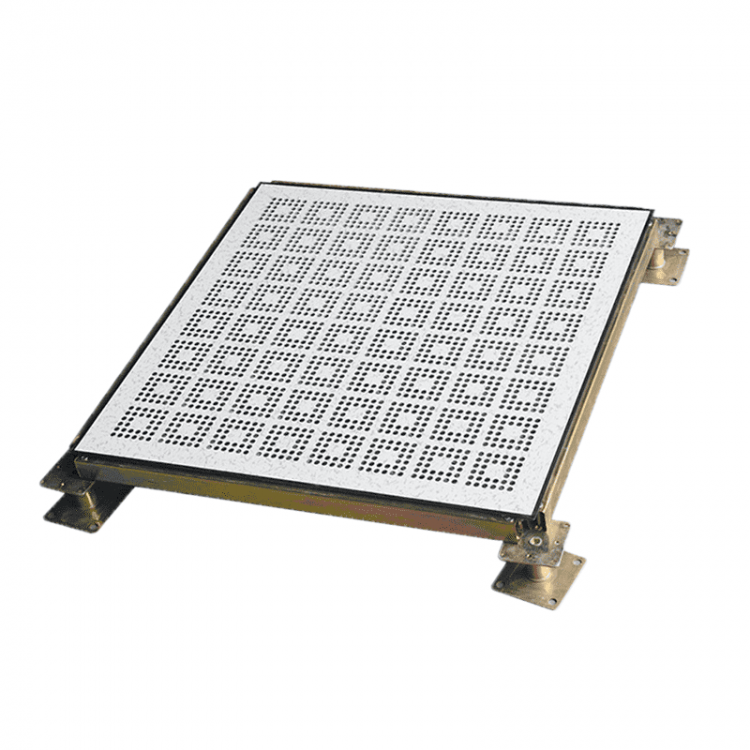
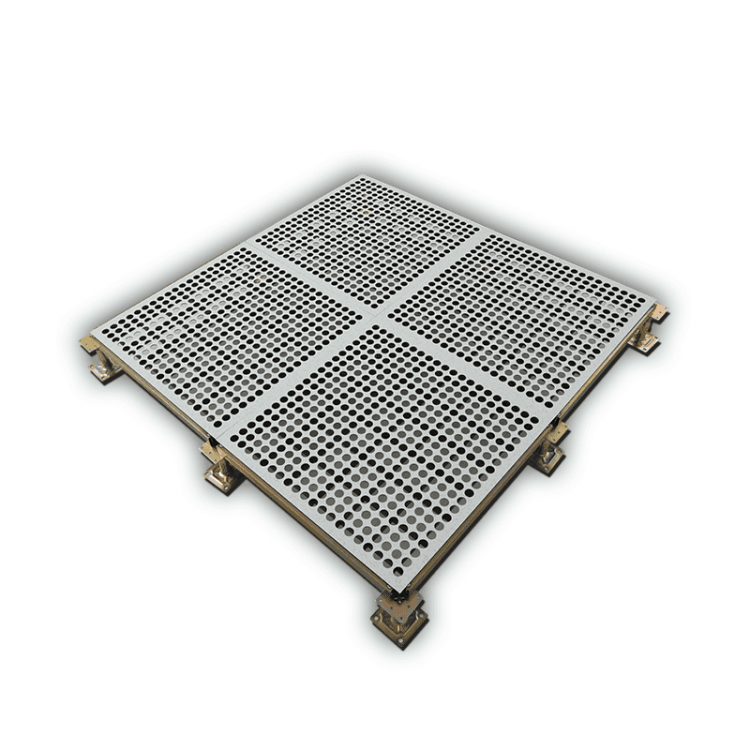
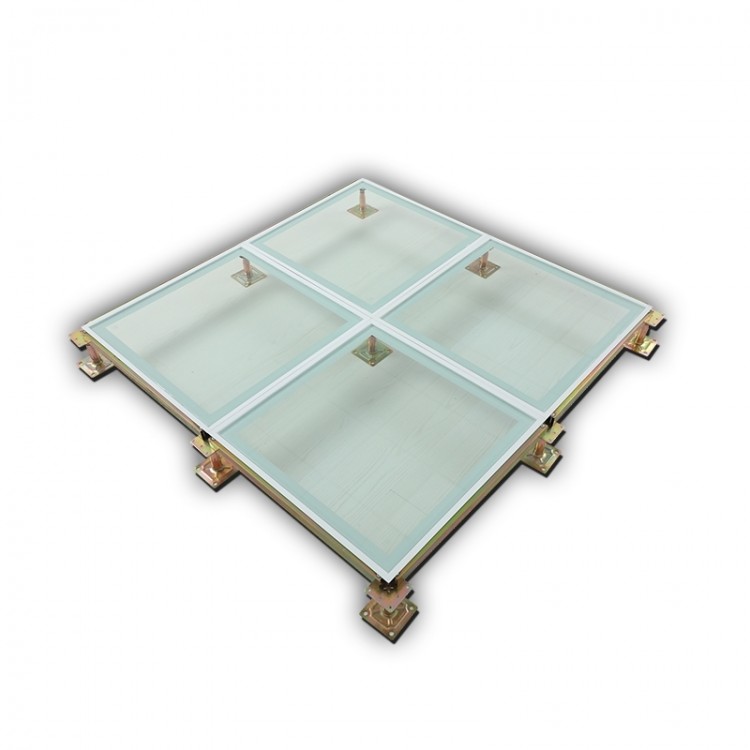
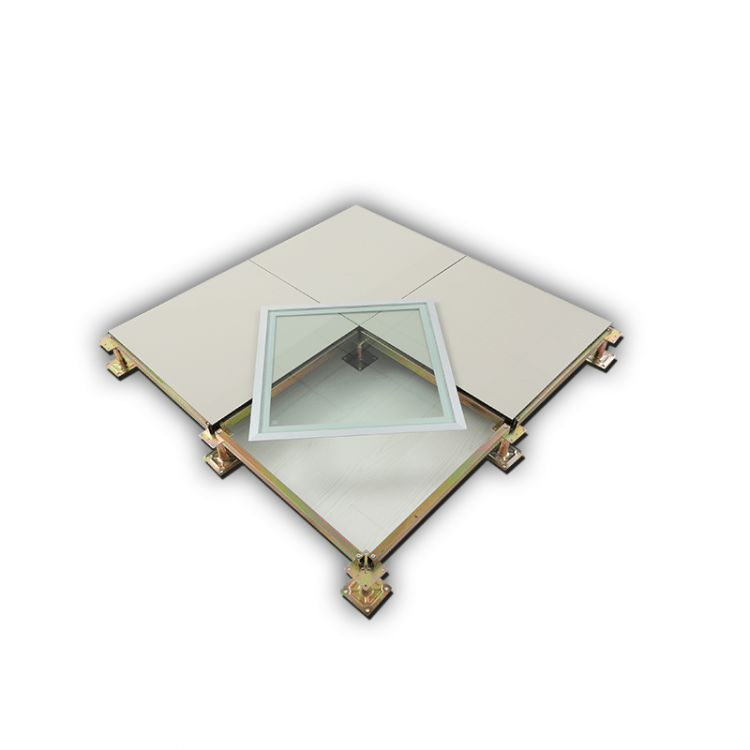





Anti-static flooring comes in various types and materials, commonly including:
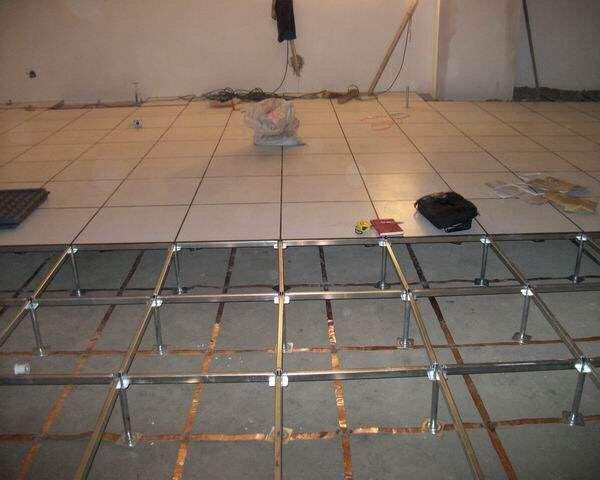
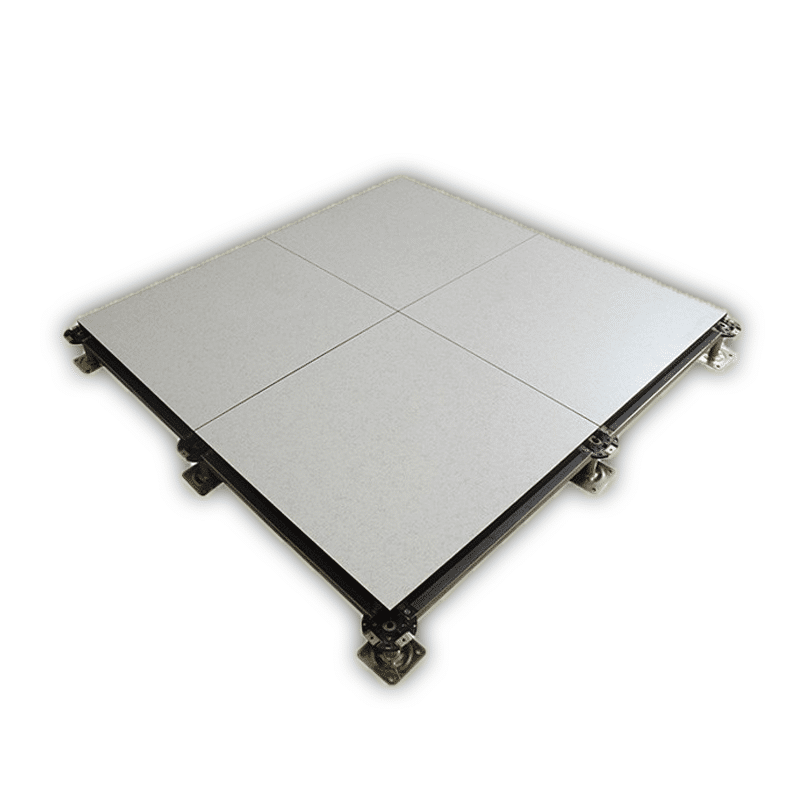
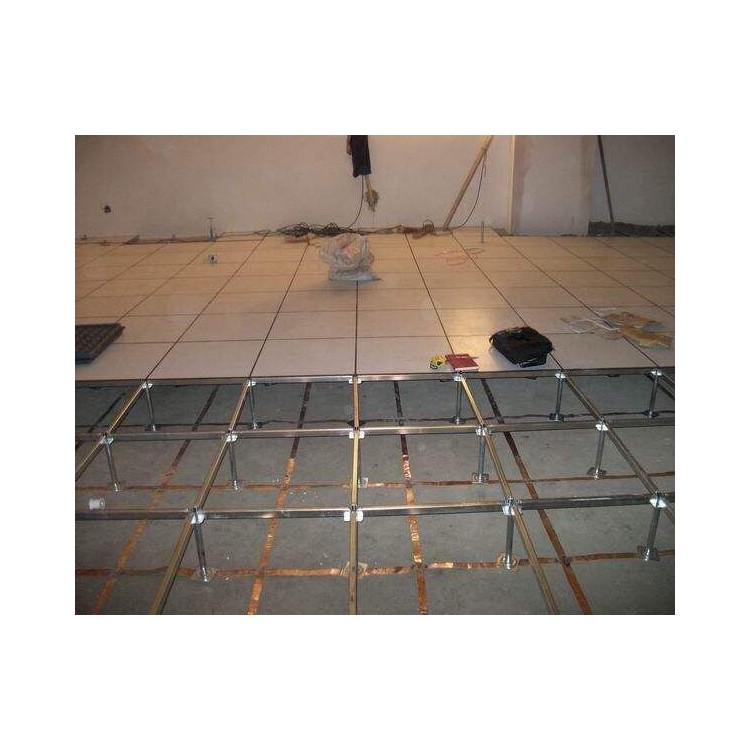
Anti-static Tiles: Added appropriate anti-static materials during the firing process, ensuring stable resistance values, green and environmentally friendly, and easy to install. Placing aluminum foil or copper foil under the tiles will enhance the anti-static effect.
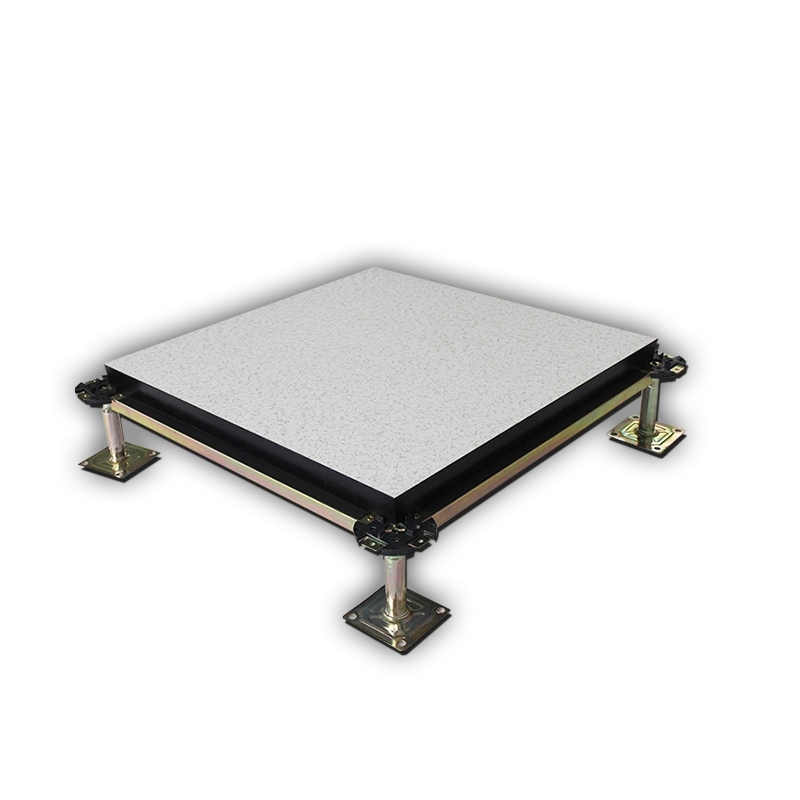
2. Anti-static PVC Flooring: Typically in sheet or roll form, lightweight, easy to install, and stable in performance. However, it requires precise installation to avoid issues like warping or bubbling.
3. Static Dissipative Flooring: Aesthetically pleasing, with excellent static dissipation, unaffected by environmental factors like humidity and temperature, and boasts good resistance to acidity, alkalinity, abrasion, and impact.
4. Static Dissipative Ceramic Tiles: Featuring tiles with static dissipative properties as the surface layer, sealed with conductive strips, offering stable performance, and benefits such as fire resistance, moisture resistance, and wear resistance, while being environmentally friendly.
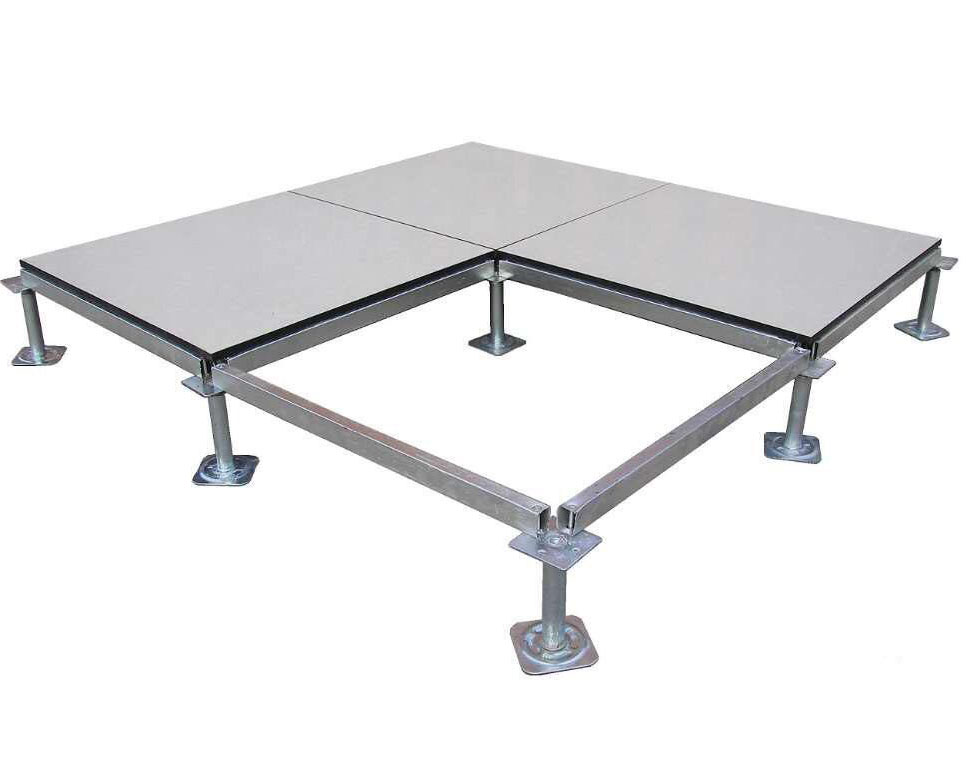
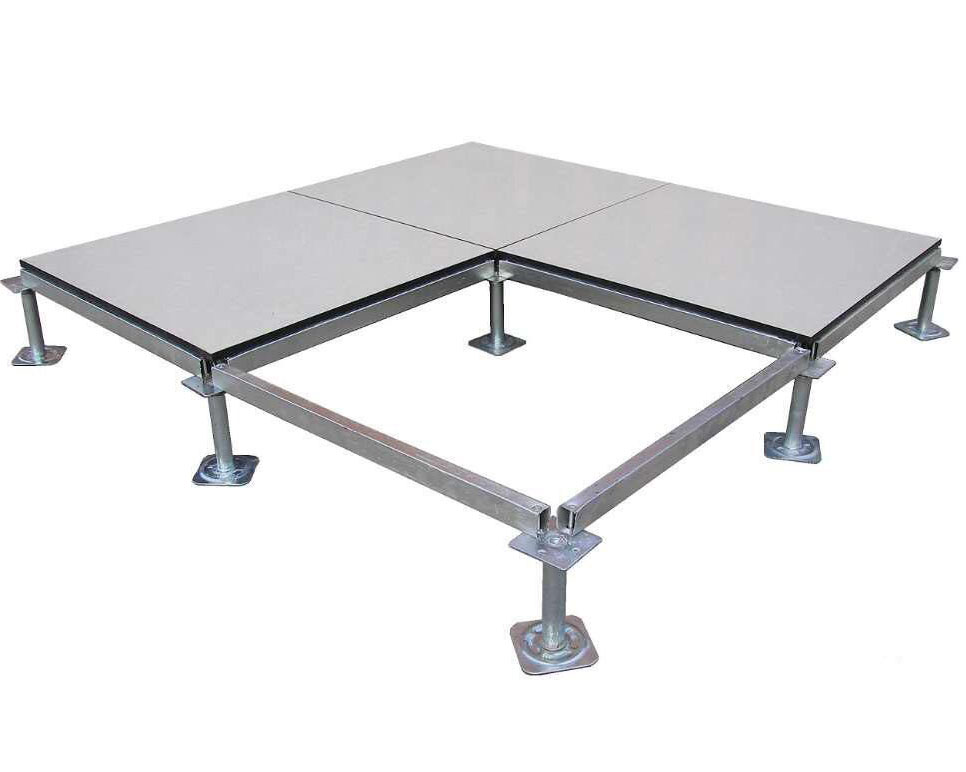
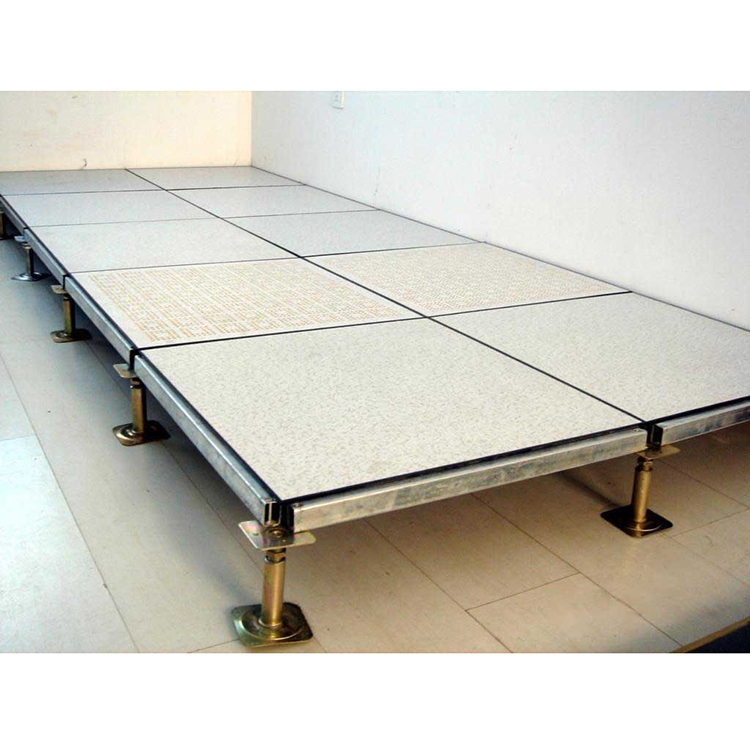
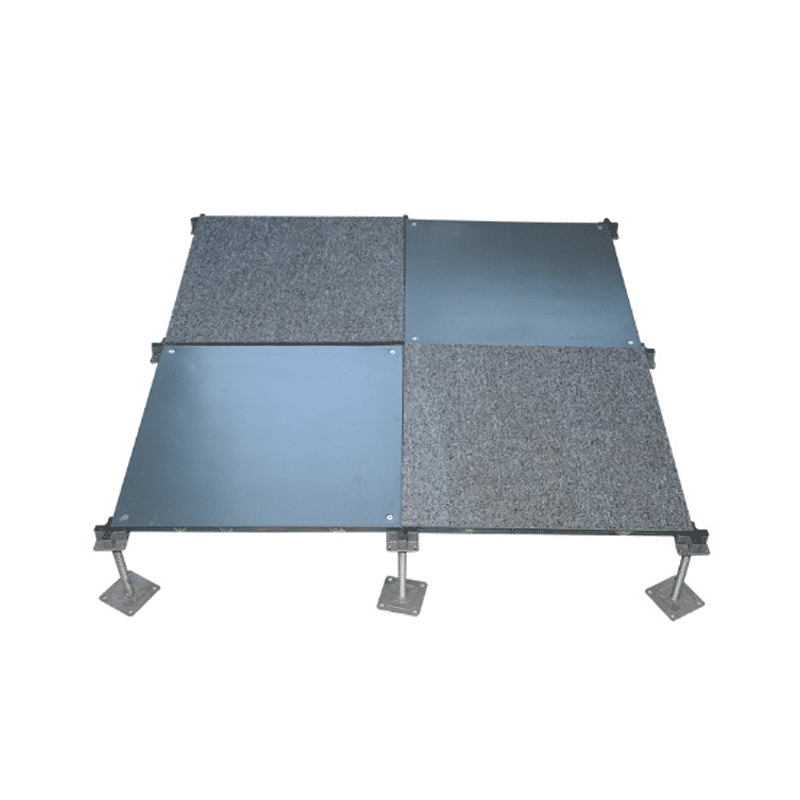
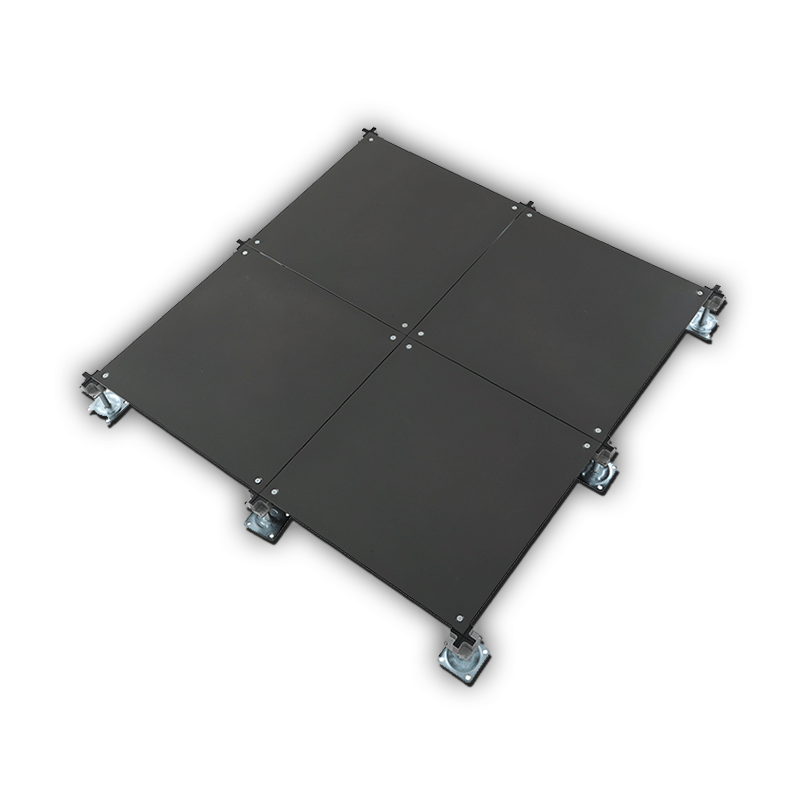
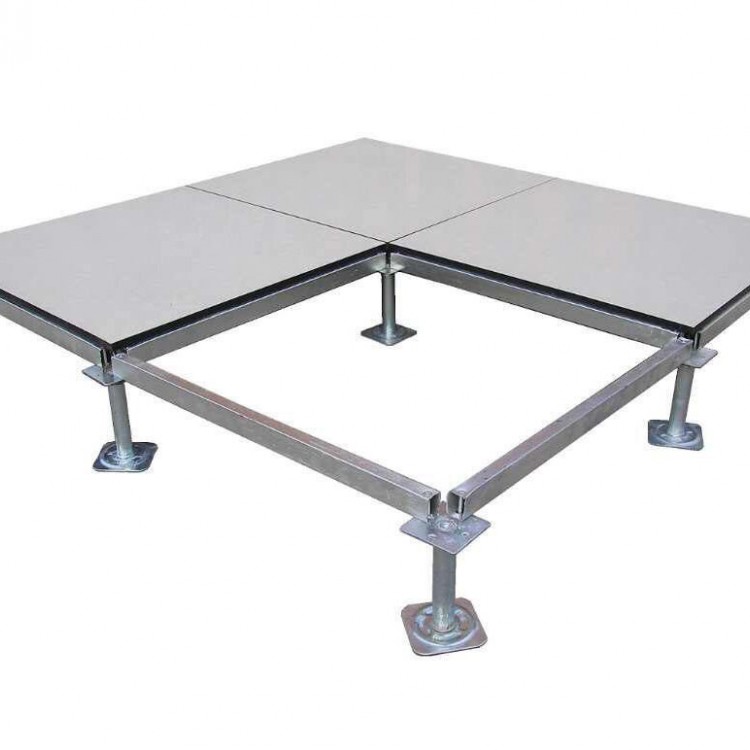
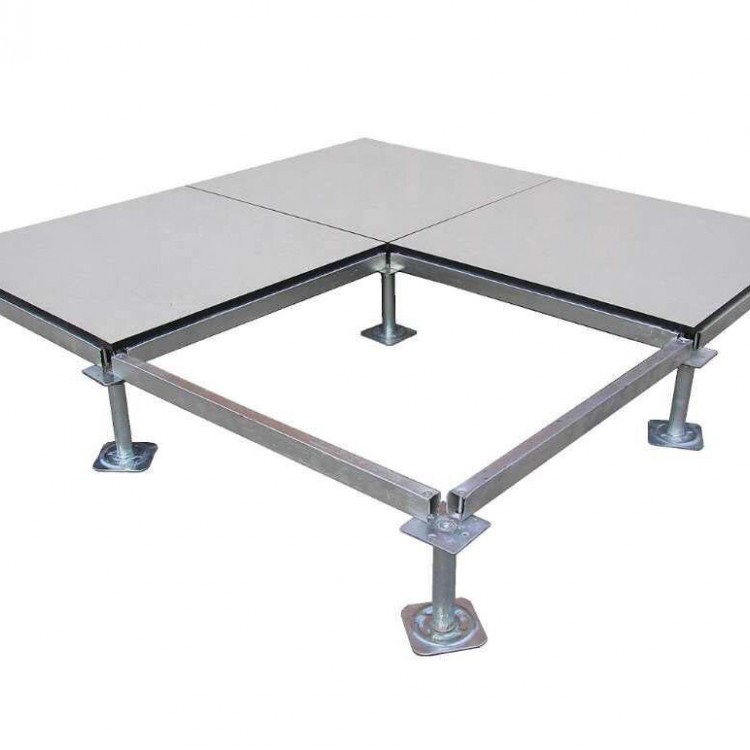
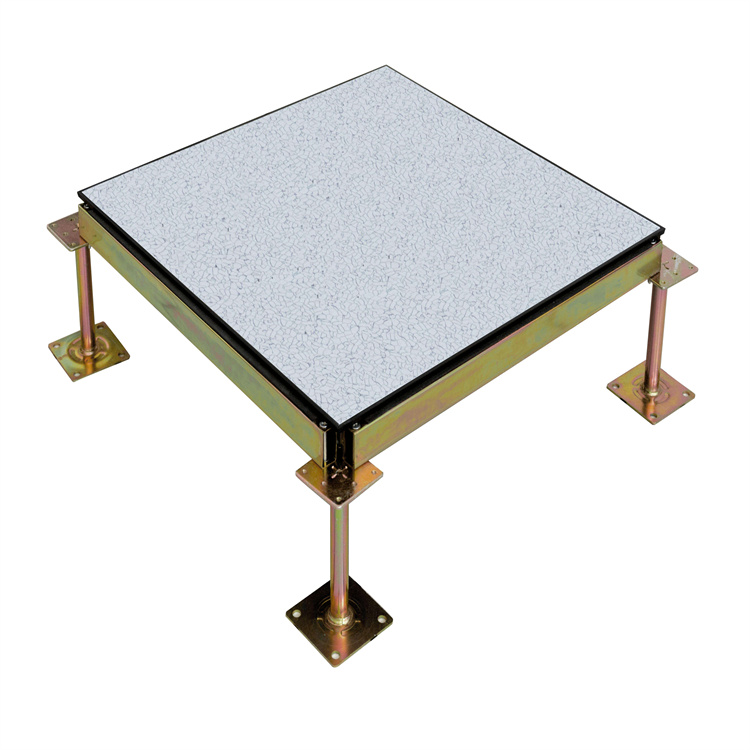
5. Full Steel Anti-Static Floor: Primarily made with melamine fire-resistant panels for the surface, offering excellent wear resistance and anti-static properties. Easy to install with minimal gaps after installation, and convenient for replacement.
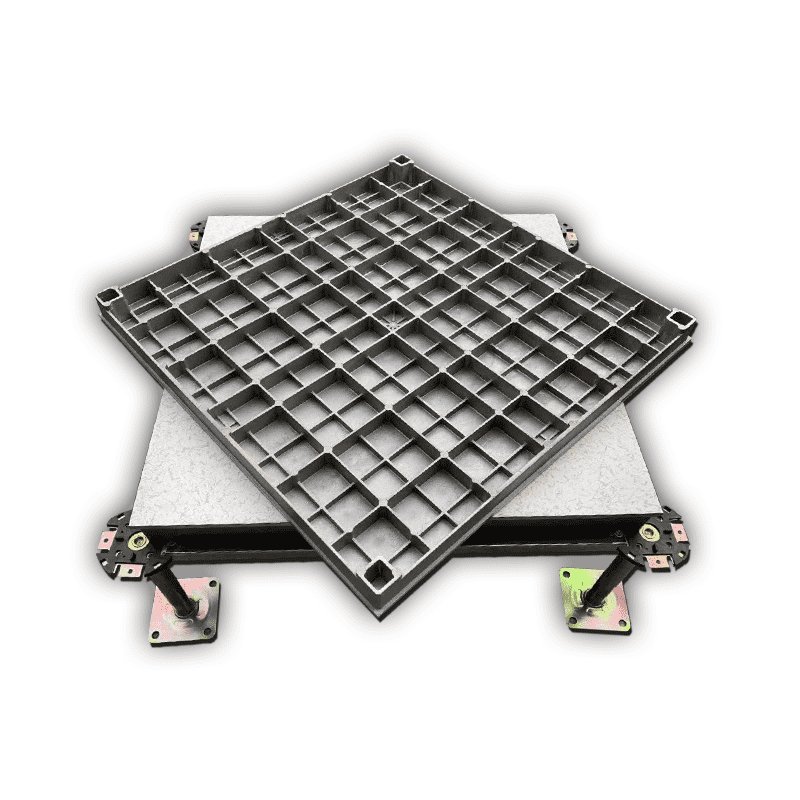
6. Aluminum Alloy Static-Dissipative Flooring: Surface layer made of aluminum alloy, offering stable performance and durability, though with a higher cost.