







Expanded Concrete Characteristics:
Lightweight: The density of expanded concrete is low, typically ranging from 300 to 1800 kg/m³, with commonly used densities being 300 to 1200 kg/m³. In recent years, ultra-light expanded concrete with a density of 160 kg/m³ has also been applied in construction projects. This lightweight characteristic allows expanded concrete to significantly reduce the self-weight of buildings in structural elements such as interior and exterior walls, floors, columns, and ceilings.
Insulation and Heat Retention: The foamed concrete contains a large number of sealed pores, which give it excellent insulation and heat retention properties. It has a lower thermal conductivity coefficient and a thermal resistance about 10 to 20 times that of ordinary concrete, thus offering good energy-saving effects.
Soundproof and Fireproof: Foam concrete is an inorganic soundproofing material with excellent sound insulation properties. Additionally, it is non-combustible and boasts good fire resistance, enhancing the building's fire safety.
Waterproof: The low water absorption rate of foamed concrete, along with its relatively independent closed bubbles and good integrity, endows it with certain waterproof properties.
Excellent Durability: The expanded concrete has the same lifespan as the main structure, demonstrating good durability.
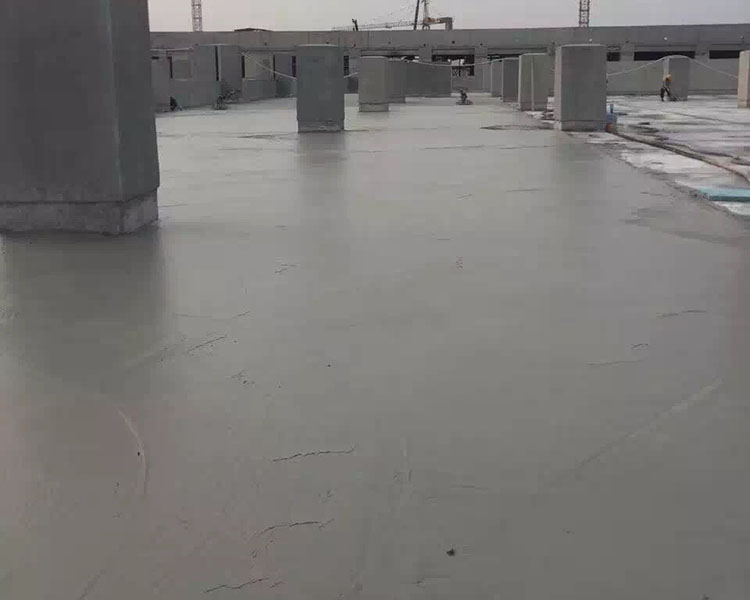
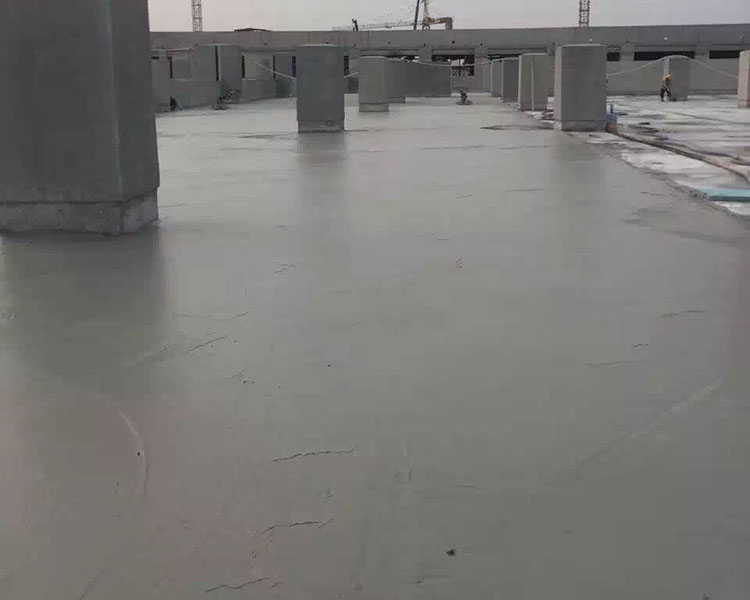
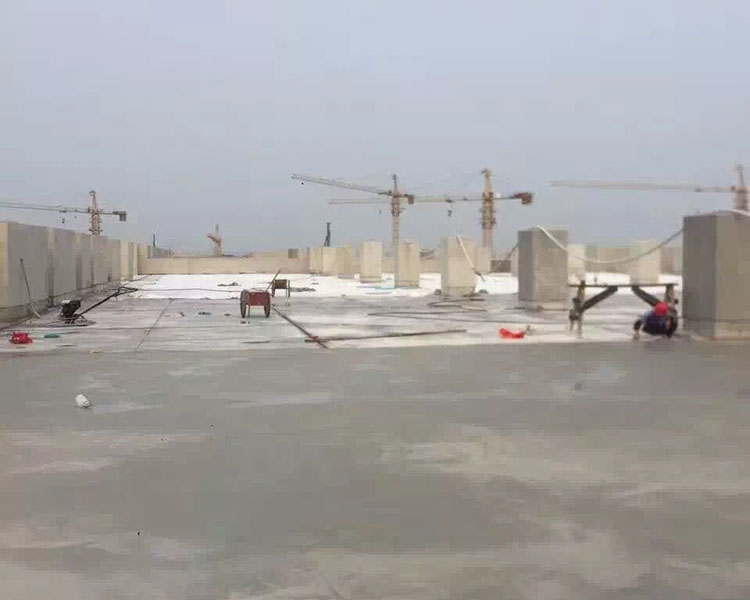
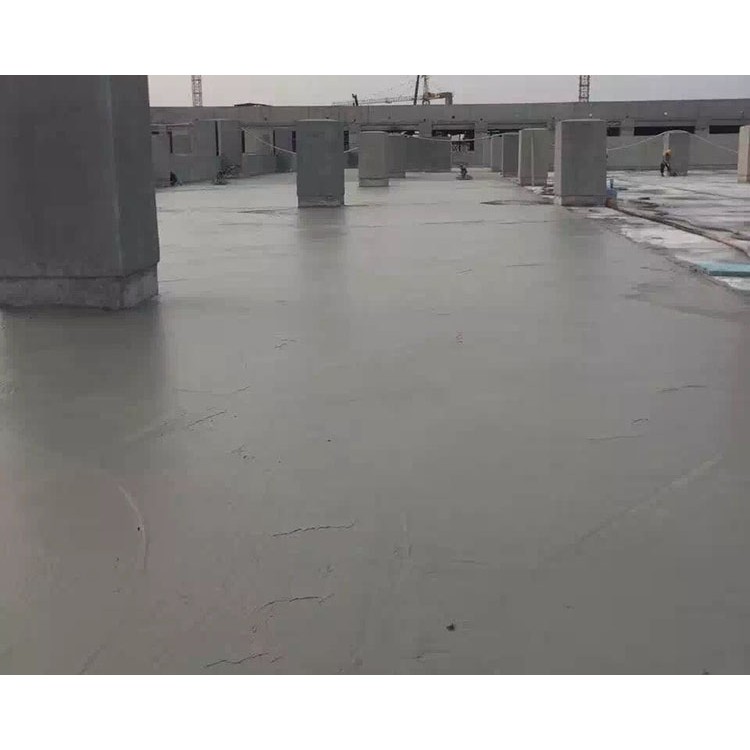
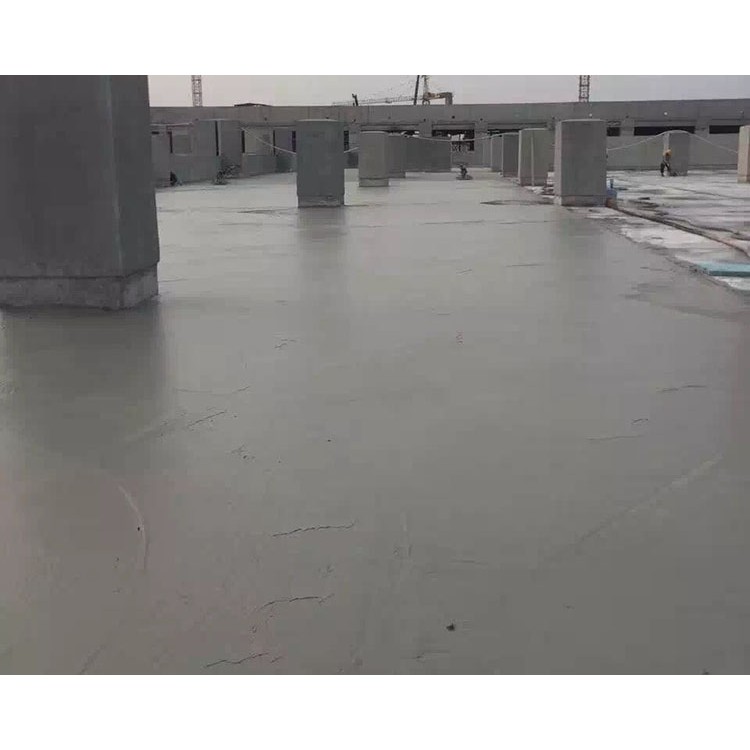
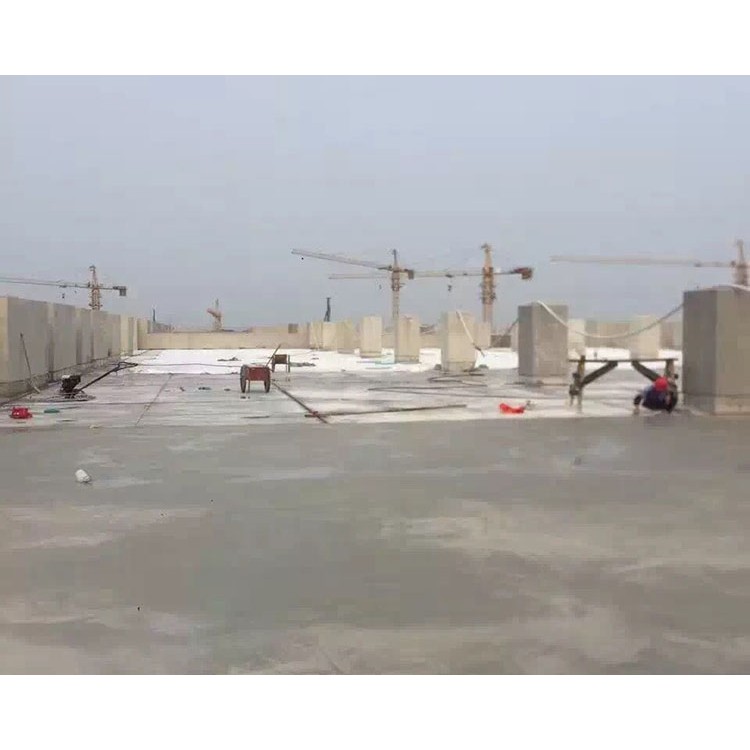
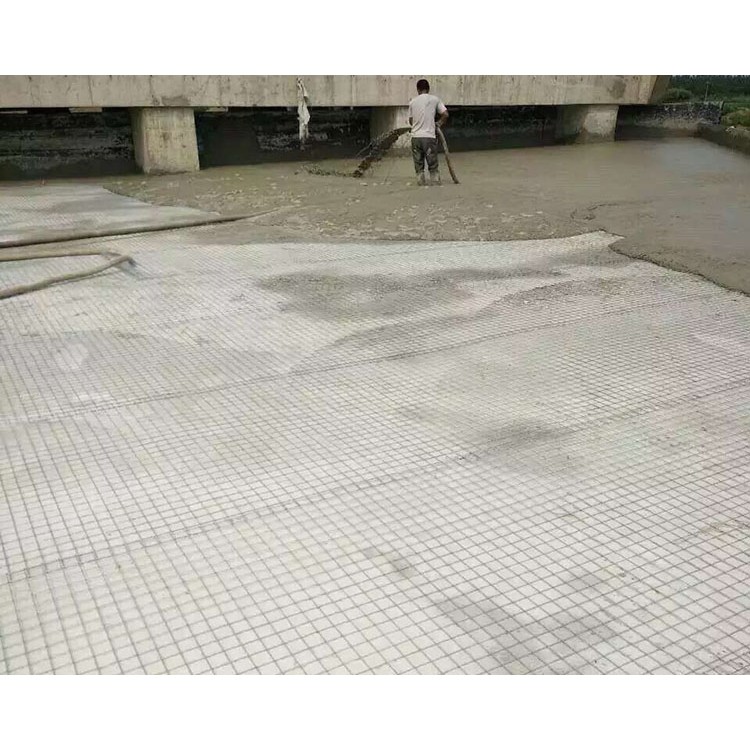
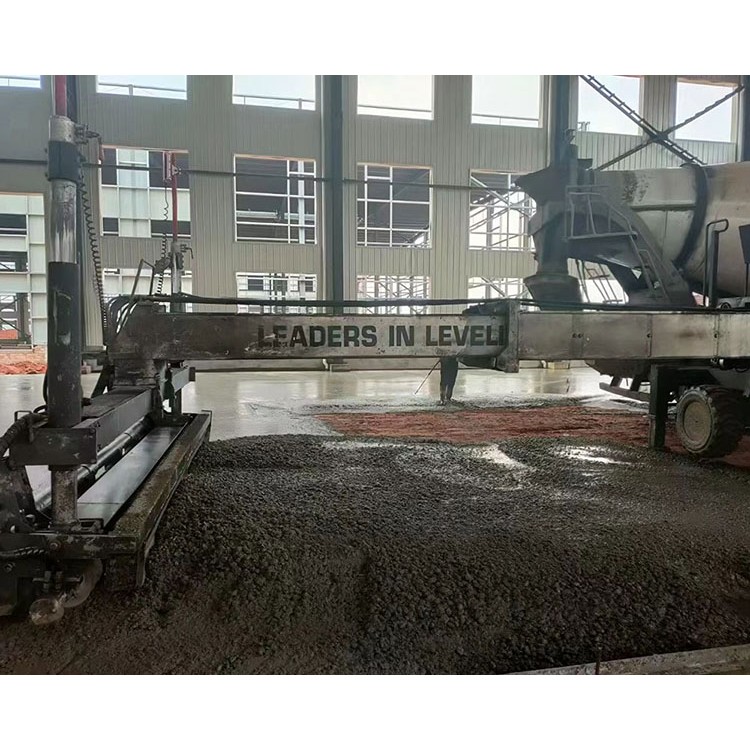
Construction Convenience: The production and processing of expanded concrete are easy, allowing for the manufacturing of various products in the factory and direct on-site construction for roofs, floors, and walls. Additionally, the construction process is relatively simple, requiring only a cement foaming machine for foam creation and natural curing, without the need for autoclave curing.