






I. Project Overview and Construction Preparation
Engineering Objective
By standardizing the installation or replacement of the slider tracks, ensure stable operation of the slider and track system during ship launch, reduce frictional resistance, and guarantee the safety of the ship's entry into the water.
2. Construction Conditions Confirmation
Confirm the design parameters of the slide track (slope, length, load-bearing capacity), material of the slider (steel slider, composite material, etc.), and type of slide track structure (concrete, steel structure).
○ Inspect the on-site environment: water levels, tides, weather conditions, and avoid construction during adverse weather.
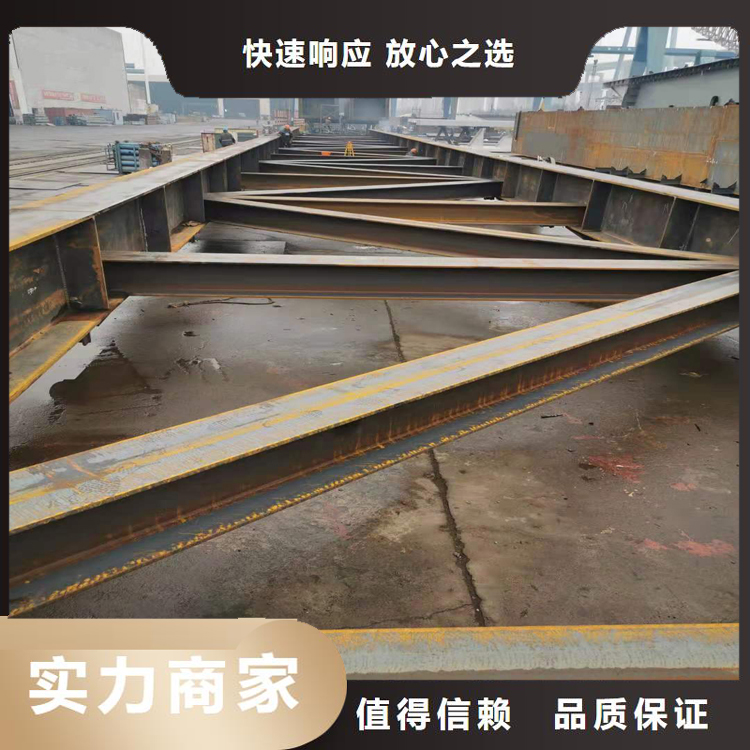
Verify the specifications, quantities, and quality documentation of prefabricated components (e.g., hat beams, track beams, etc.).
3. Equipment and Materials Preparation
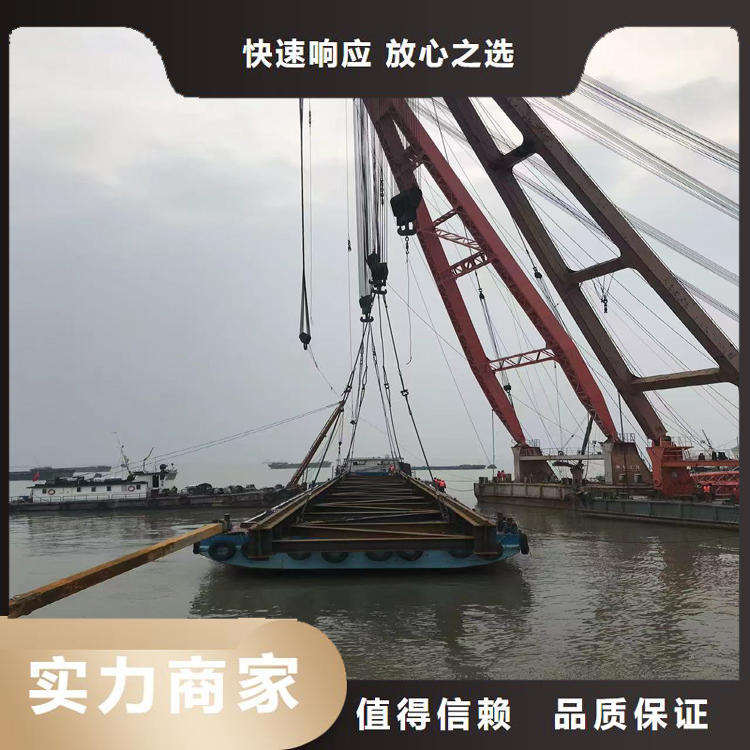
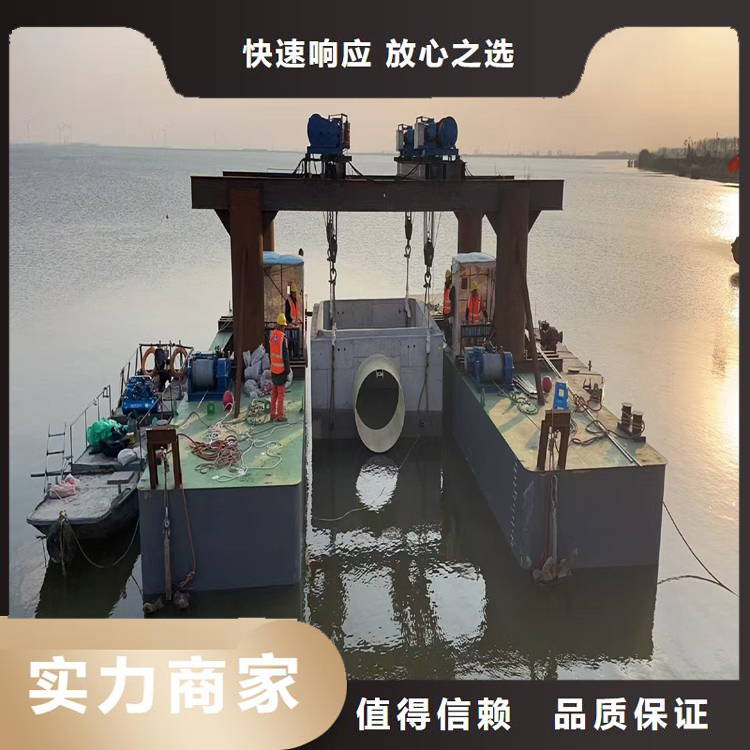
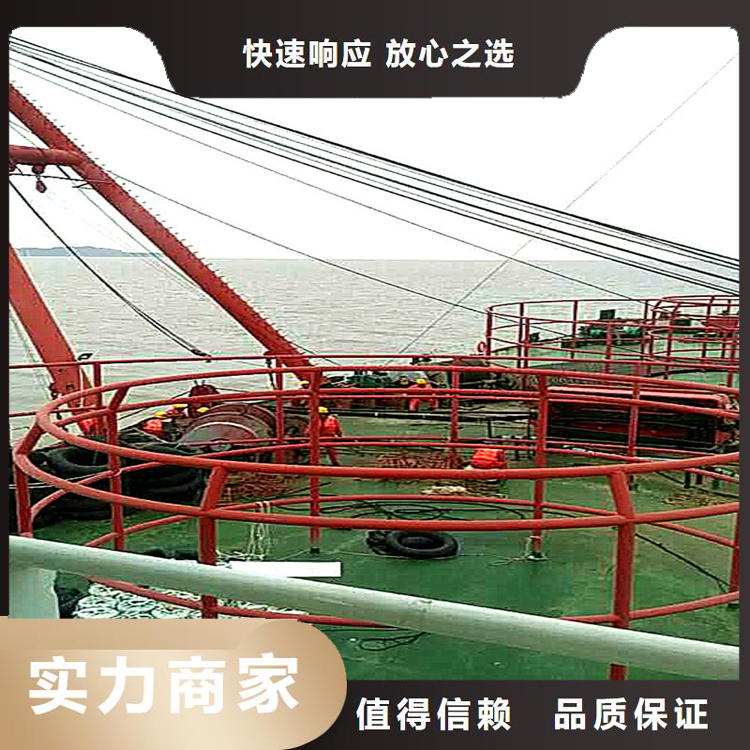
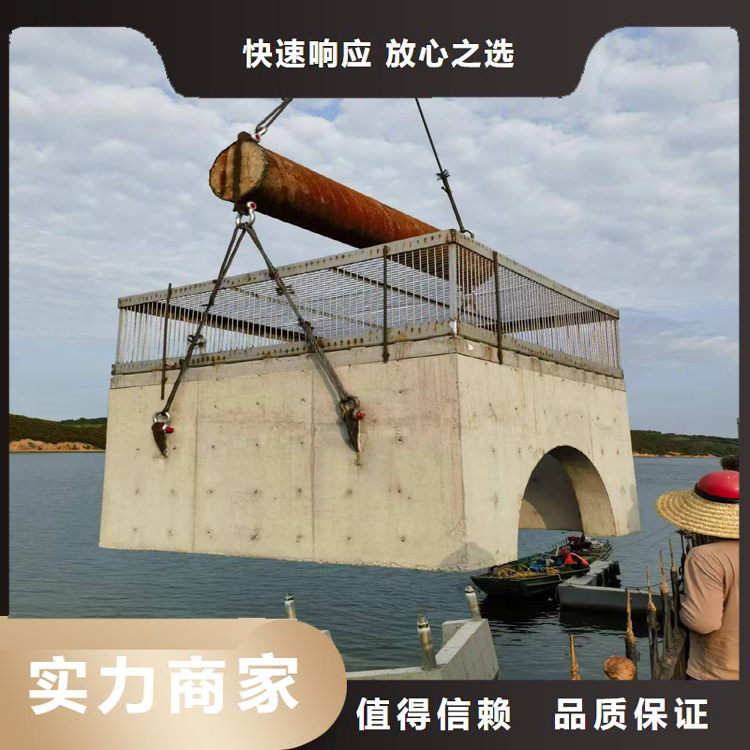
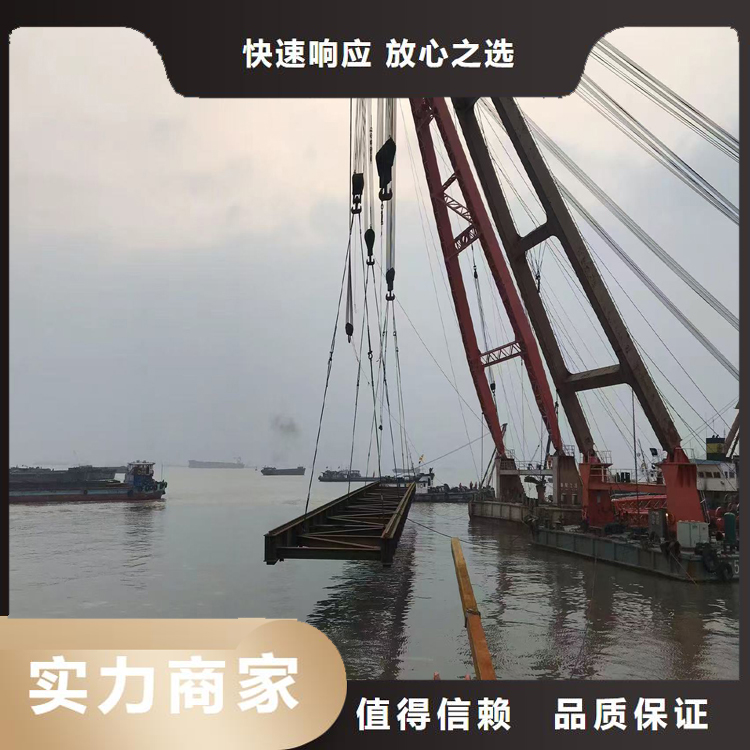
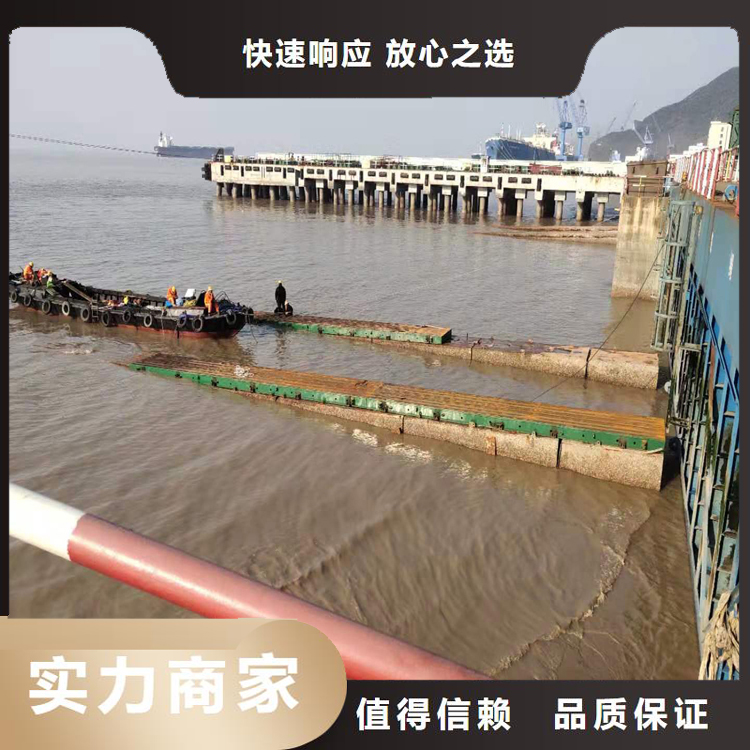
○ Lifting Equipment: Select gantry crane, crawler crane, or floating crane based on the weight of precast components (e.g., "Yue Gong Qi 5" ship, with a double hook lifting capacity of 80t).
○ Transportation Equipment: 700t self-propelled barge or other suitable transport tools.
○ Auxiliary Tools: Precision leveling instruments, laser rangefinders, hydraulic adjustment devices, lubricants, etc.
Safety Equipment: Life-saving equipment, collision barriers, warning signs, etc.
II. Sliding Track Installation Process
Basic Construction and Inspection
○ Clean the track foundation: Ensure the subgrade is level and free of settlement risks, with the concrete strength meeting design requirements.
Measurement and alignment: Mark the centerline of the track and elevation control points, with an error within ±5mm.
2. Pre-fabricated Component Installation
Transportation & Lifting
Pre-fabricated components are lifted by gantry cranes or crawler cranes onto transport barges, secured to prevent deformation during transit.
After barge transportation to the installation site, the floating crane lifts the components in sections to the designated location.
○ Position Adjustment:
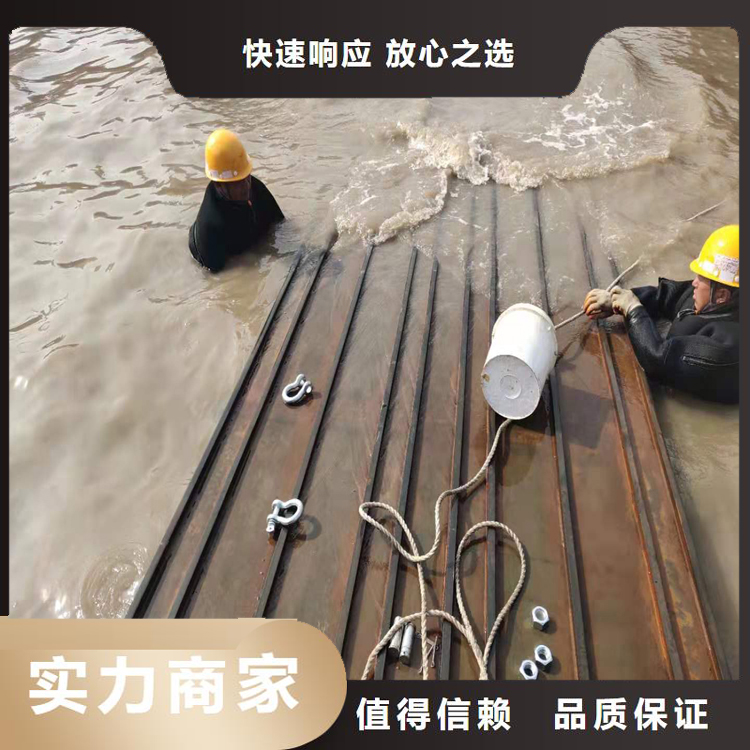
Adjust component elevation and axis position using hydraulic equipment or screw jacks to ensure adjacent component joints have an error of ≤2mm.
■ During the installation of rail beams, ensure the track slope aligns with the design specifications and use a level instrument for continuous monitoring.
3. Slider connections and fixation
Components are joined using welding or high-tensile bolts, and the welds must undergo flaw detection inspection.
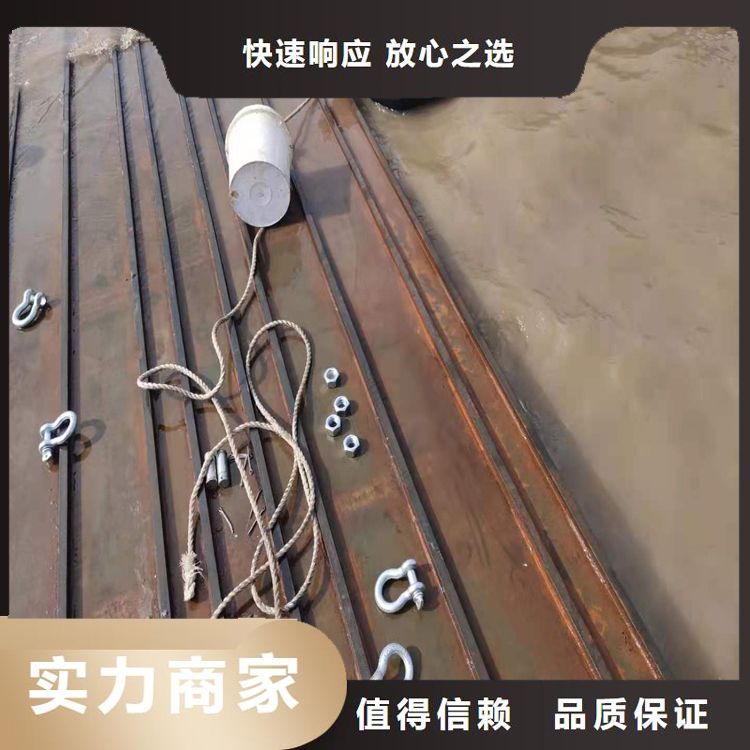
Bolts are tightened in stages according to torque requirements to prevent stress concentration.
Install anti-slip plates, guide devices, and other accessories to ensure the complete functionality of the track system.
4. Lubricant Layer Application
Clean the track surface to ensure it is free of oil stains and debris.
Lay down wear-resistant and non-slip materials (such as high polymer composite materials) according to design specifications, ensuring even thickness and avoiding bubbles or wrinkles.
Apply lubricants (such as butter, specialized track oil) evenly to reduce friction resistance during ship launch.
Section 3: Slide Replacement Process (for Removal of Existing Slides)
1. Removal of old slide
○ Cutting and Crushing: Remove old tracks in sections using concrete cutting machines or hydraulic crushers to prevent damage to the foundation.
○ Cleaning and Repair: Remove debris, fix fundamental defects (such as cracks, settlement), and rebatch concrete as necessary.
2. New Slide Installation
Repeat the aforementioned "track installation process" steps, focusing on maintaining the flatness and consistency of the slope at the junction of new and old tracks.
If the old slide is made of steel structure, check the position of the pre-buried foundation components, and reinforce or re-bury as necessary.
4. Key Technical Points and Challenges Addressed
Precision Control
○ Guideway elevation error ≤ 1mm/m, total length elevation difference ≤ 5mm.
The horizontal and vertical alignment of track beams is calibrated using a laser tracker.
2. Corrosion Prevention Measures
After abrasive blasting and rust removal on the steel structure track surface, apply an epoxy coating or use a sacrificial anode protection.
Add rust inhibitor to concrete channels and regularly maintain the lubrication layer.
3. Submerged section installation
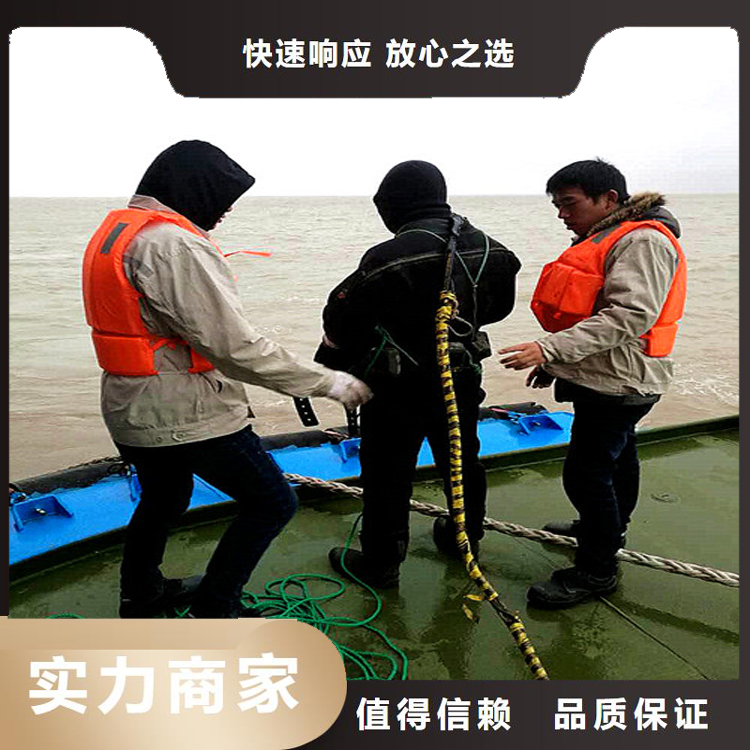
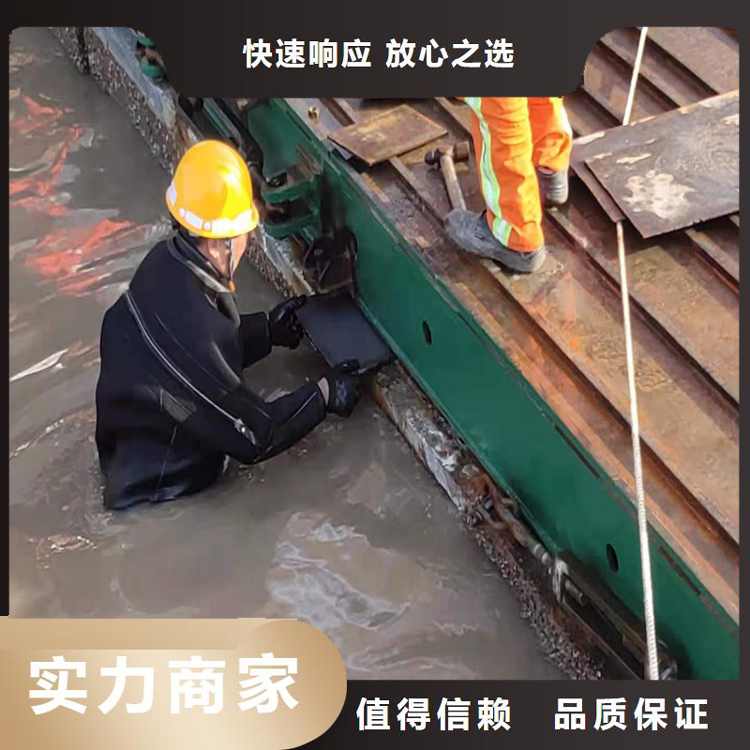
Divers assist in locating underwater components, while using ROVs (Remote Operated Vehicles) to monitor the installation process.
Underwater welding is fixed using wet welding or mechanical connection to ensure sealing and structural integrity.
4. Emergency Issue Management
Pre-fabricated component lifting offset: Immediately halt operations, adjust the lifting position, and then reinstall.
Sliding Base Settlement: Reinforced with pressure grouting or underpinning foundation techniques.
V. Quality Control and Acceptance
Inspection Items
○ Component dimensions, surface flatness, weld quality.
○ Track gradient, elevation, and axis deviation.
Lubricant layer thickness and uniformity.
Security accessories (anti-slip plates, guide devices) installation stability.
2. Functional Testing
○ No-load simulation test: Utilize counterweights to slide along the track, verifying the coefficient of friction and structural stability.
○ Actual Ship Launch Test: Record slider load data, evaluate system performance.
VI. Safety Measures and Environmental Requirements
1. Safety Points
Crane operations must be supervised by a designated person, and it is strictly prohibited to have people standing under the crane boom.
○ Equipped with life rafts for water operations, divers adhere to decompression procedures.
Ensure adequate lighting for night construction to prevent misoperation.
2. Environmental Protection Measures
When removing old slides, the debris is collected and recycled to prevent pollution of the sea area.
Select environmentally friendly lubricants to prevent leakage.
Section 7: Summary
The installation and replacement of shipyard skidway at the shipyard must strictly follow the process of "ground treatment → prefabrication and installation → lubrication and laying → adjustment and acceptance." Ensure construction quality through precise measurement, anti-corrosion protection, and professional equipment. During the replacement process, focus on controlling the connection accuracy of the old and new skidways and system stability to ensure safe and efficient ship launching.