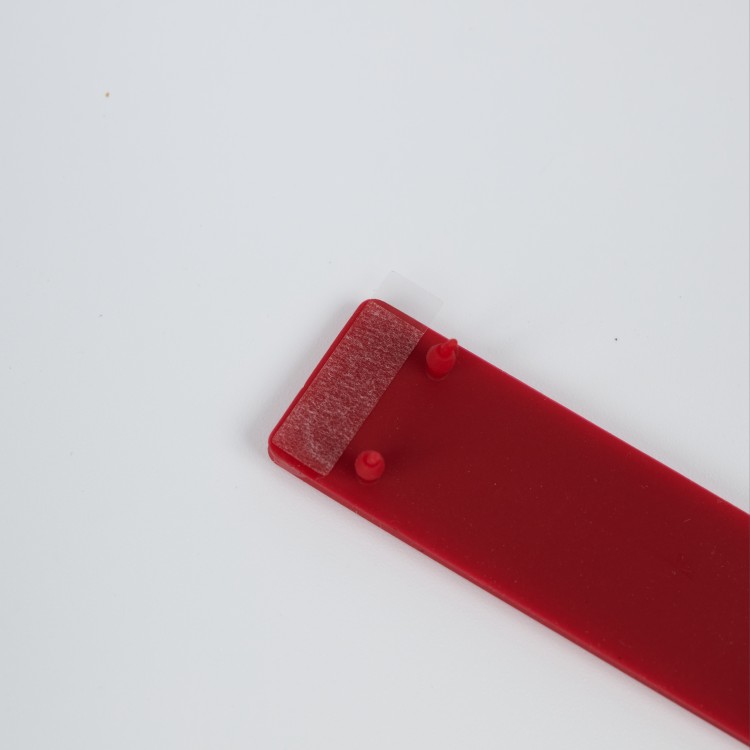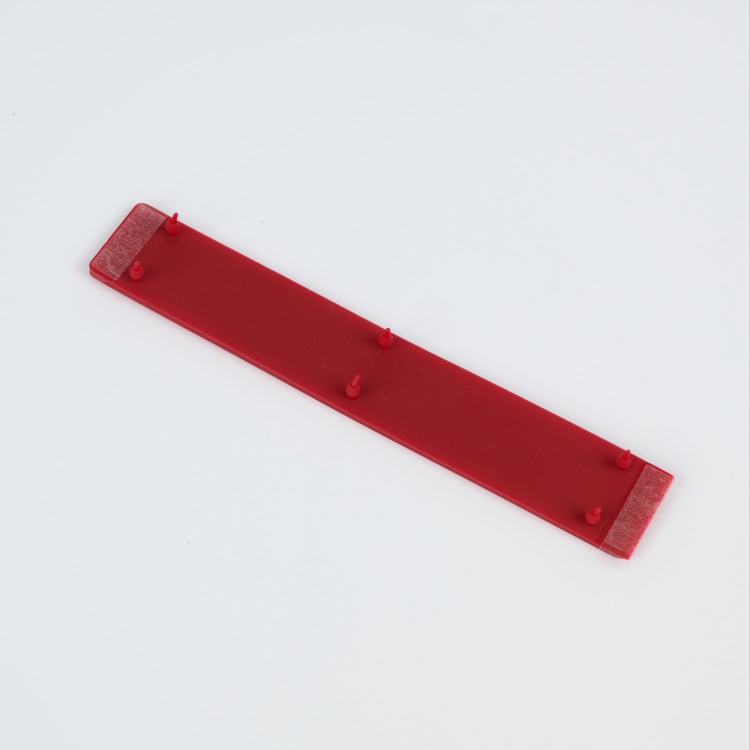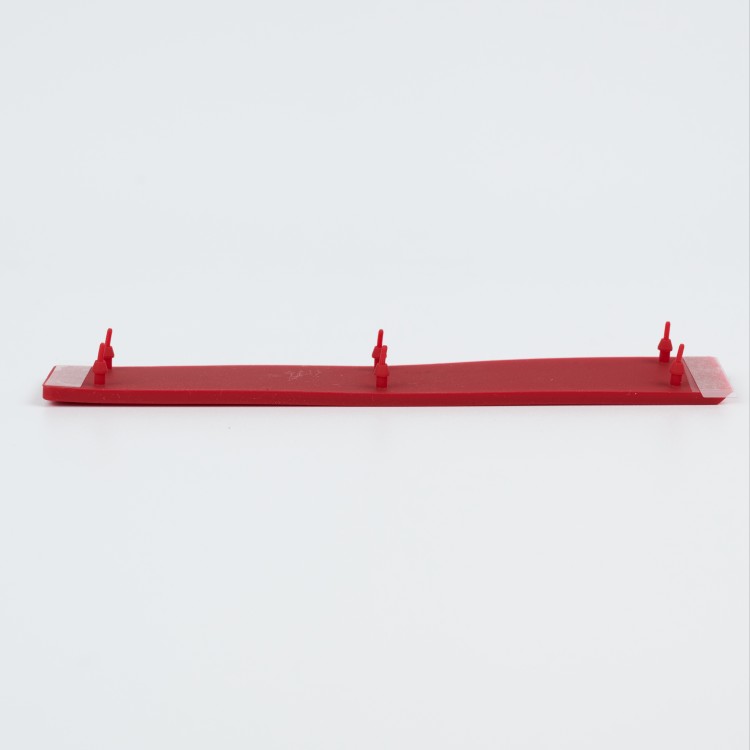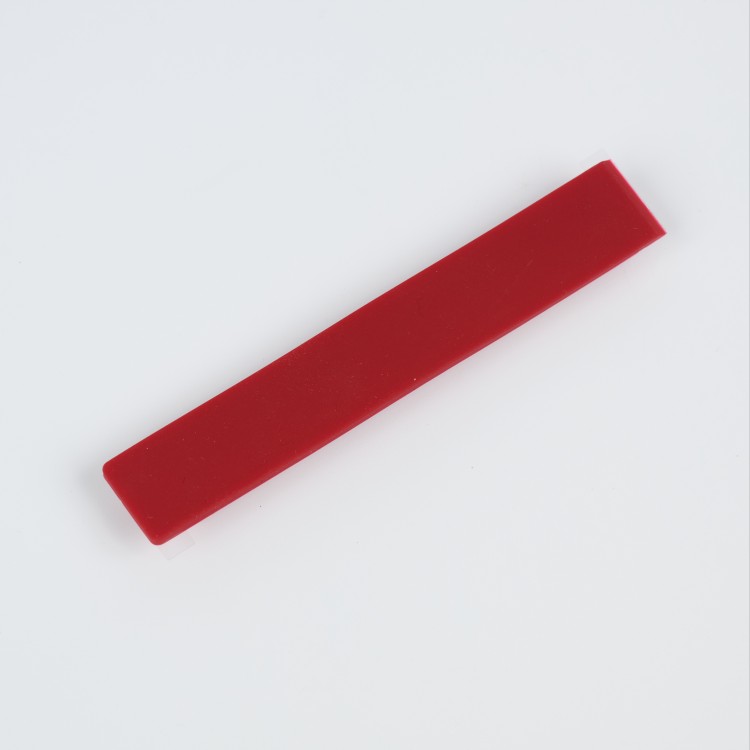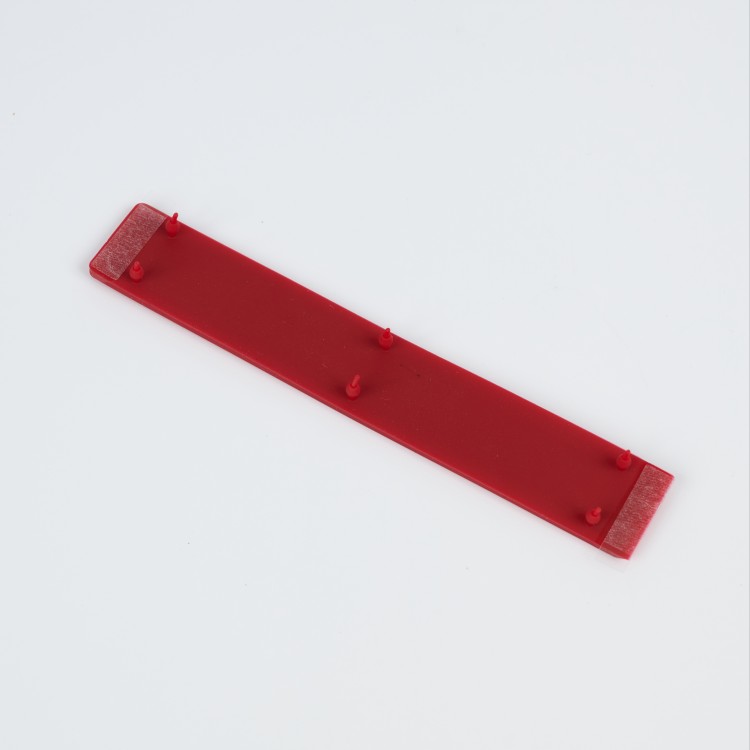

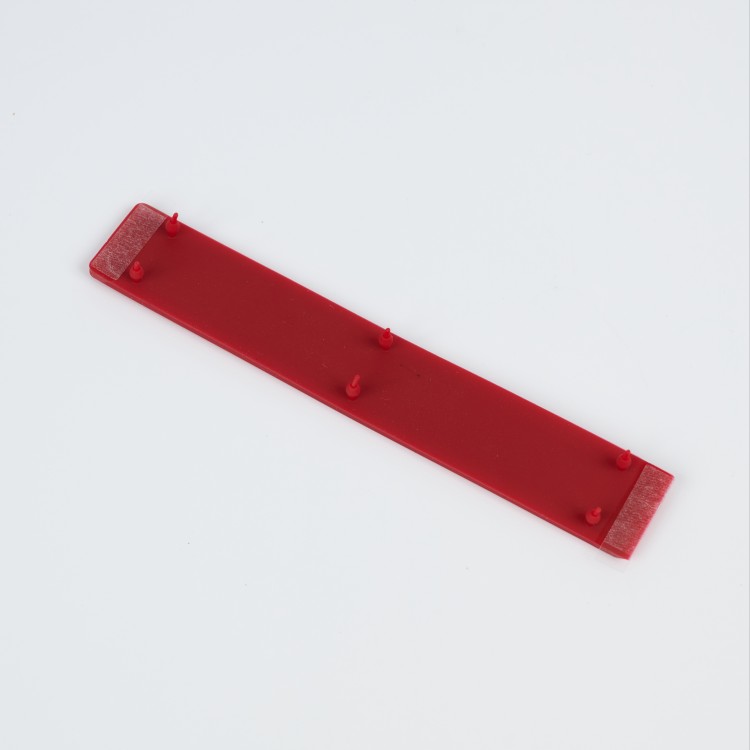
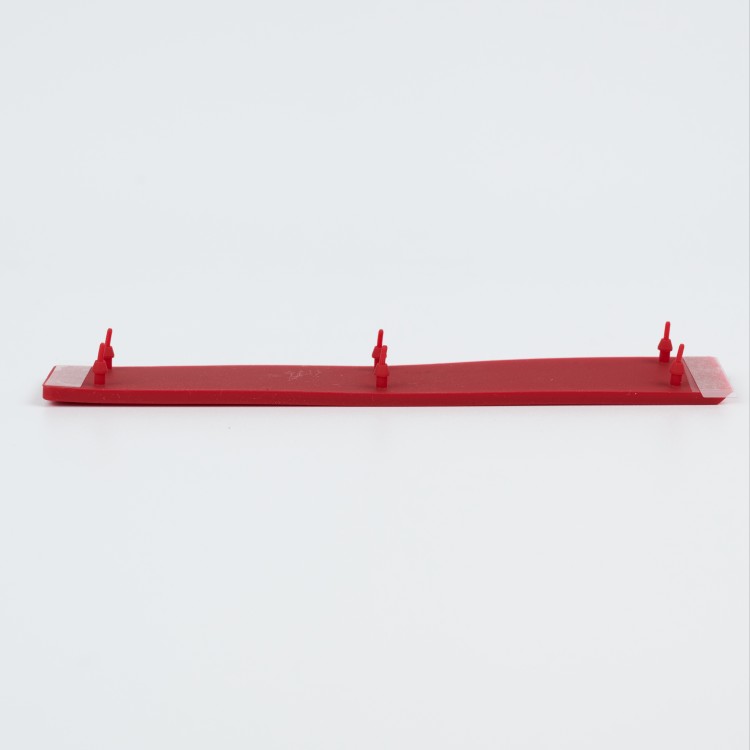
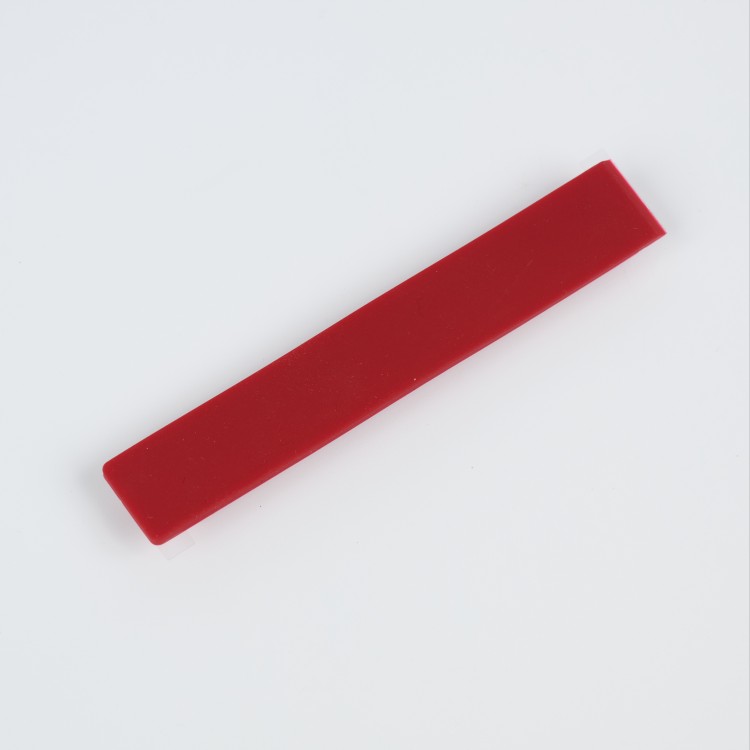








Adhesive-backed silicone strips are self-adhesive silicone materials widely used in various fields requiring sealing, waterproofing, dustproofing, shock absorption, and sound insulation. Below is a detailed introduction to adhesive-backed silicone strips:
I. Definition and Characteristics
Adhesive-backed silicone strips are made of silicone as the base material, with a surface coated in adhesive. They can be directly attached to the objects requiring bonding without the need for additional glue or adhesives. These strips feature strong adhesion, high-temperature resistance, corrosion resistance, environmental friendliness, and non-toxicity. Additionally, they offer excellent flexibility and elasticity, making them adaptable to bonding various irregular surfaces.
Section II: Application Fields
Adhesive-backed silicone strips, due to their superior performance and ease of installation, are widely used in the following fields:
Home Renovation: Used for sealing and soundproofing doors, windows, and wall corners, enhancing the comfort and safety of the home environment.
Electronics Products: Waterproof and dustproof seals for electronic devices, protecting electronic components from damage by external environments.
Automotive Parts: Used for sealing and shock absorption in door and window areas, enhancing the comfort and safety of vehicles.
Medical Equipment: Protective covers and seals for medical equipment, ensuring cleanliness and sterility.
III. Main Types
According to different materials, shapes, and uses, adhesive-backed silicone strips can be categorized into various types, such as:
Solid silicone strips: Offer high strength and wear resistance, suitable for applications requiring substantial pressure-bearing capacity.
Foamed silicone strips: Offer excellent elasticity and sealing properties, suitable for applications requiring sealing and sound insulation.
Self-adhesive silicone strips: With a backing adhesive, they can be directly attached to objects without the need for additional glue or adhesives.
IV. Installation and Maintenance
Installation:
Clean the adhesive surface to ensure there's no dust, oil stains, or other impurities.
Cut the adhesive silicone strips to the required length and shape.
Peel off the backing paper and adhere the silicone strip to the areas requiring sealing or protection.
Gently press the silicone strip to ensure it tightly adheres to the surface of the object.
Maintenance:
Regularly inspect the condition of the silicone strips. Replace them promptly if there are signs of aging, damage, or detachment.
Avoid prolonged exposure to high temperatures, humidity, or corrosive environments to extend the service life of the silicone strips.
V. Cautionary Notes
When selecting adhesive-backed silicone strips, choose the appropriate material, specification, and shape based on actual needs.
During installation, ensure the adhesive surface is clean and flat to avoid affecting the adhesion of the silicone strip.
Avoid using sharp tools or pointed objects to scratch the silicone strip surface to prevent affecting its sealing performance.
In summary, adhesive-backed silicone strips are widely used across various fields due to their excellent performance and easy installation. During selection and use, attention should be given to material selection, specification matching, as well as installation and maintenance to ensure long-term stable performance and usage effects.