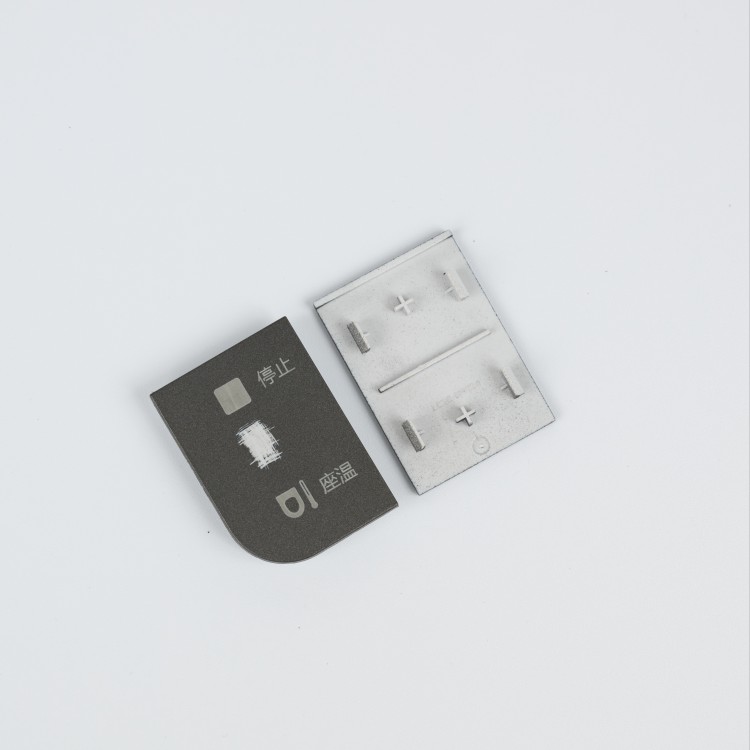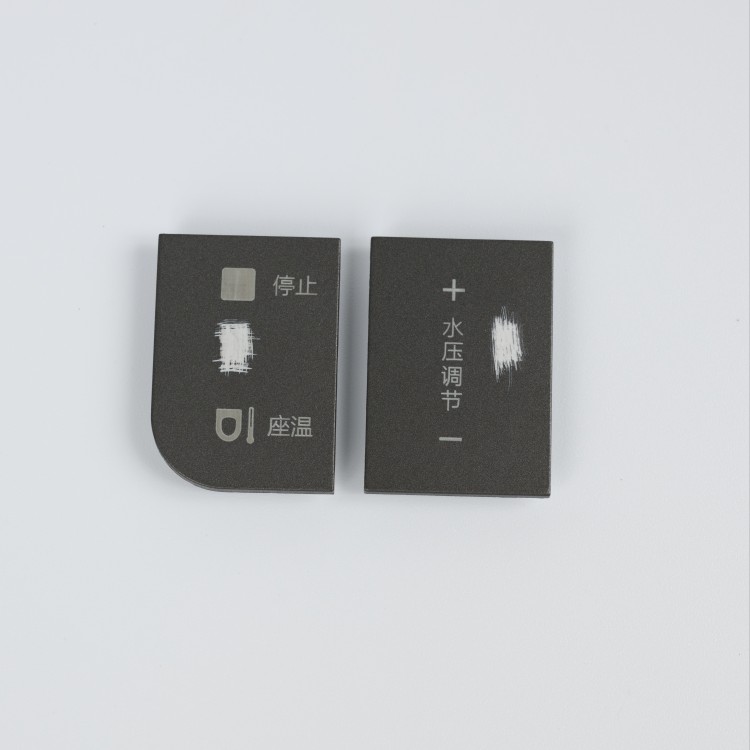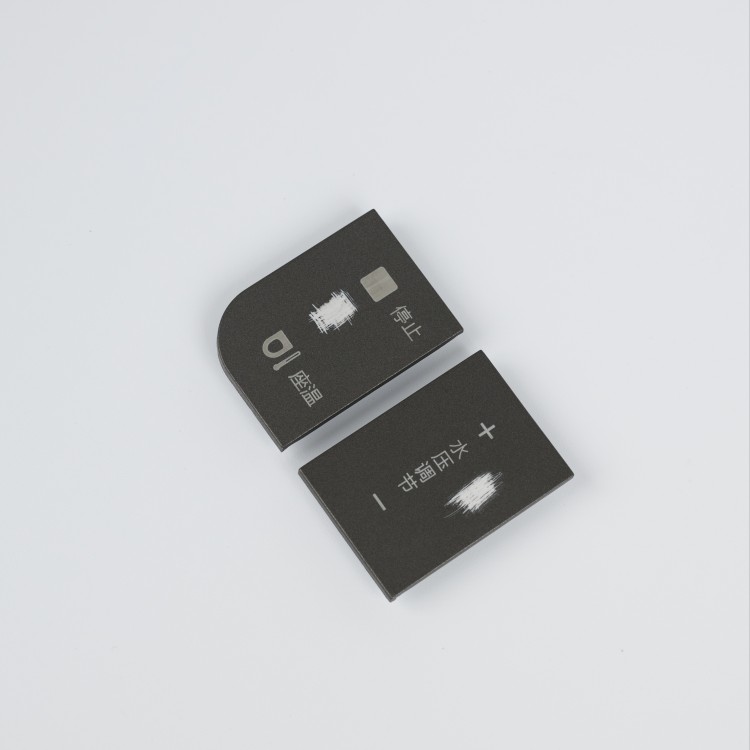

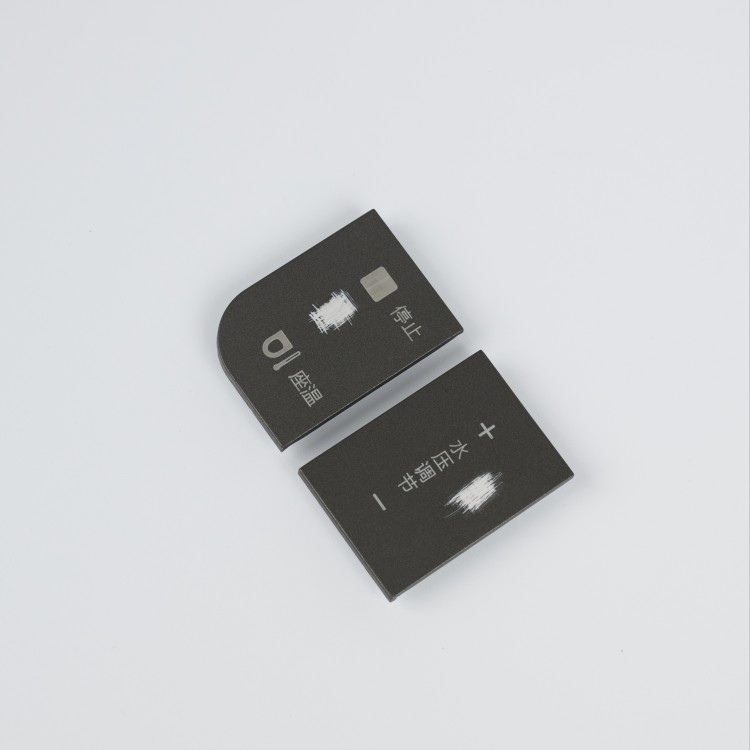








A spray button is a specialized type of button, which is primarily formed by spraying specific materials (such as silicone, ink, etc.) onto a button mold using spray technology, and then cured to create buttons with specific functions and appearances. Below is a detailed introduction to spray buttons:
I. Types and Characteristics of Spray Buttons
Silicone Sprayed Button
Features: Silicone buttons are prone to attract dust without coating, hence it is common to apply a thin layer of ink on the surface to both prevent dust and provide a good tactile feel.
Spraying Methods: Includes spraying color oil (a visible ink layer is applied to the silicone button surface, color can be adjusted according to customer requirements), spraying matte (matte ink is used to give the silicone button surface a frosted texture with a sandblasted effect, offering a smoother feel), and spraying PU (PU ink has strong adhesion, good wear resistance, and transparency; silicone buttons sprayed with PU feel good and are durable).
Other materials coated push button:
In addition to silicone, other materials like plastic and metal can be chosen for coating according to requirements, to create buttons with various functions and appearances.
Section II: Applications of Spray Button
Spray-coated keys, with their low cost, rapid prototyping, and flexible shapes, are widely used in many fields, including but not limited to:
Electronic Devices: such as buttons for remote controls, calculators, gaming consoles, etc.
Appliance Products: Control panel buttons for items such as washing machines, refrigerators, and air conditioners.
Automotive Interior: Buttons for car audio, air conditioning control panels, etc.
Medical Equipment: Such as control panel buttons for medical devices, which must meet specific hygiene and safety requirements.
Section 3: Manufacturing Process for Coated Keypad
The manufacturing process for spray-painted keys primarily includes the following steps:
Mold Preparation: Prepare the corresponding molds according to the design requirements of the buttons.
Spray Material Preparation: Select appropriate spray materials, such as silicone, inks, etc., and adjust their properties to meet the requirements of the buttons.
Spraying Process: Apply the spraying material evenly to the mold, ensuring the shape and appearance of the buttons meet the required specifications.
Curing Process: After spraying, the mold is subjected to a curing process to stabilize the key structure of the sprayed material on the mold.
Post-processing: Perform necessary sanding and cleaning on the cured buttons to enhance their appearance and performance quality.
IV. Pros and Cons of Painted Keypads
Advantages:
Low cost: The manufacturing cost of coated buttons is lower compared to other types of switches.
Rapid Prototyping: Spray technology quickly coats materials onto molds, forming the key structure.
Shape Flexible: Spray buttons can be customized according to the shape and size of the mold, meeting various design requirements.
Drawbacks:
Strength and durability are limited: The strength and durability of spray-painted keys may not be as good as other types of keys, such as mechanical keys.
Spray quality is affected by the process: The quality of the spray directly impacts the appearance and performance of the keys, thus the spray process must be strictly controlled.