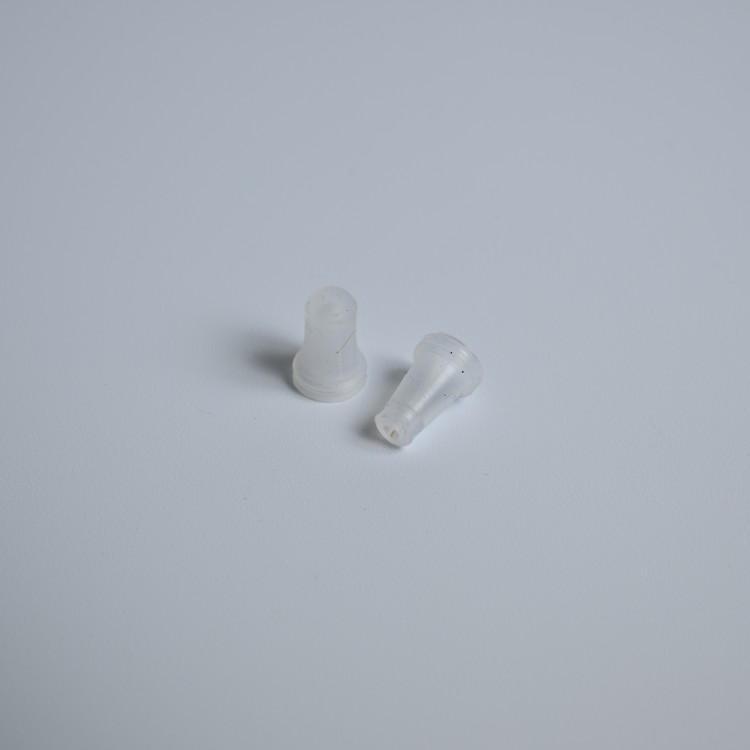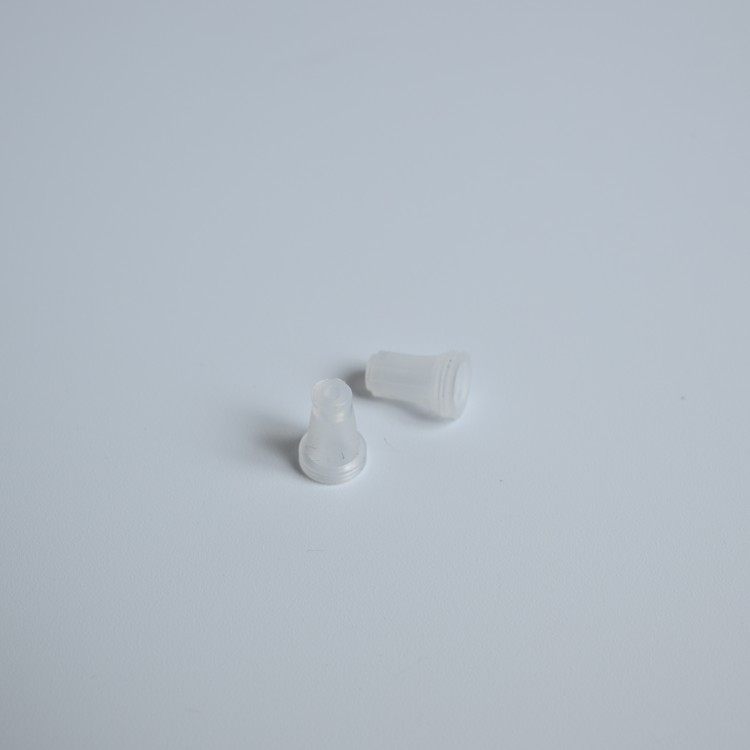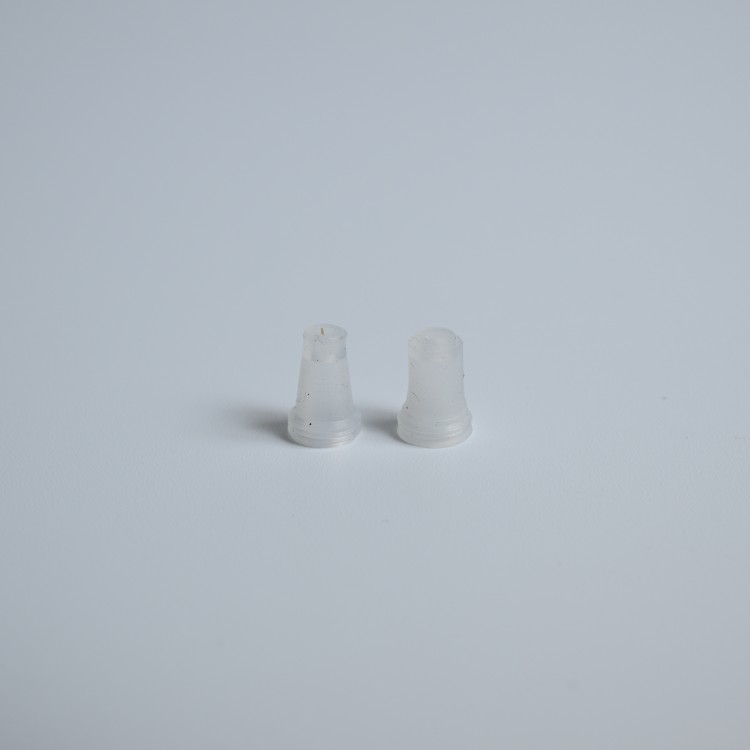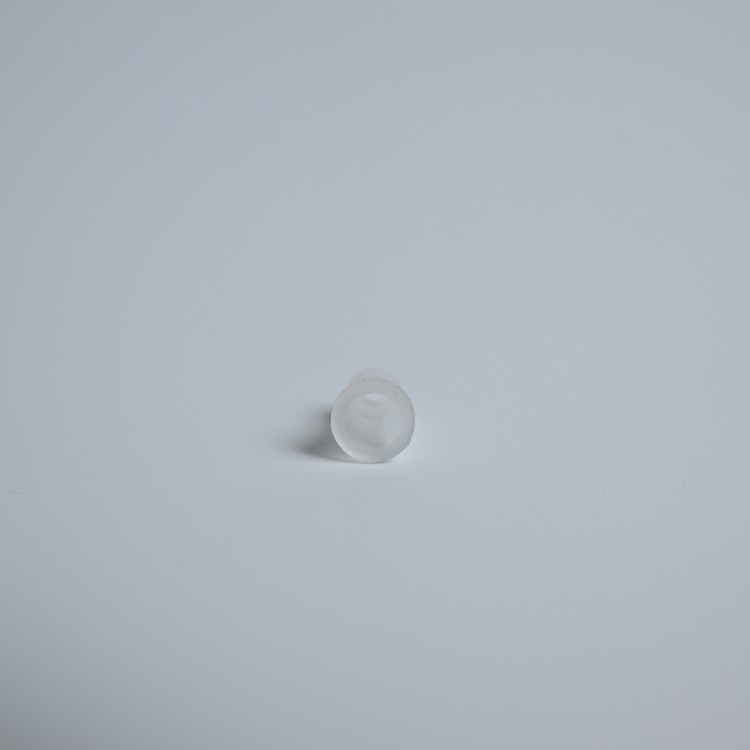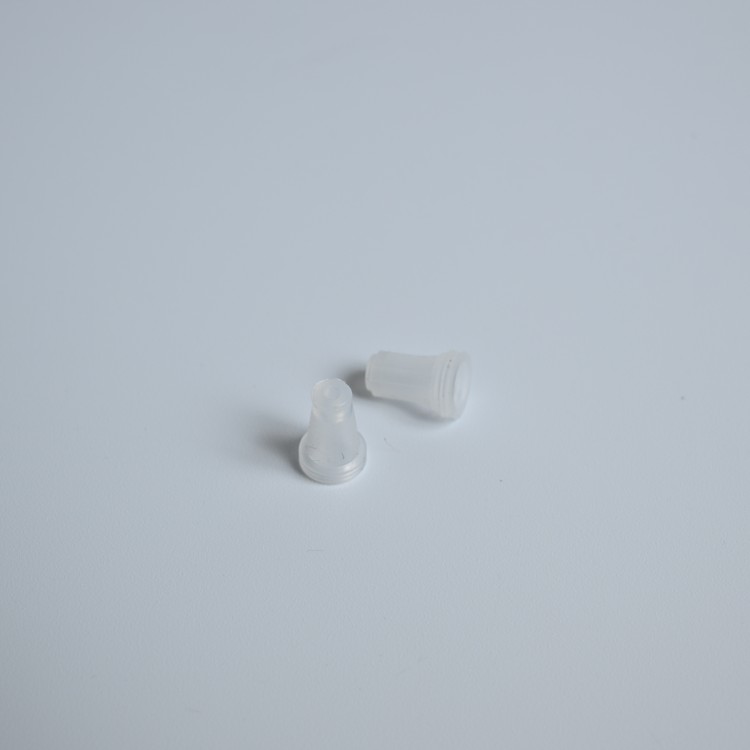

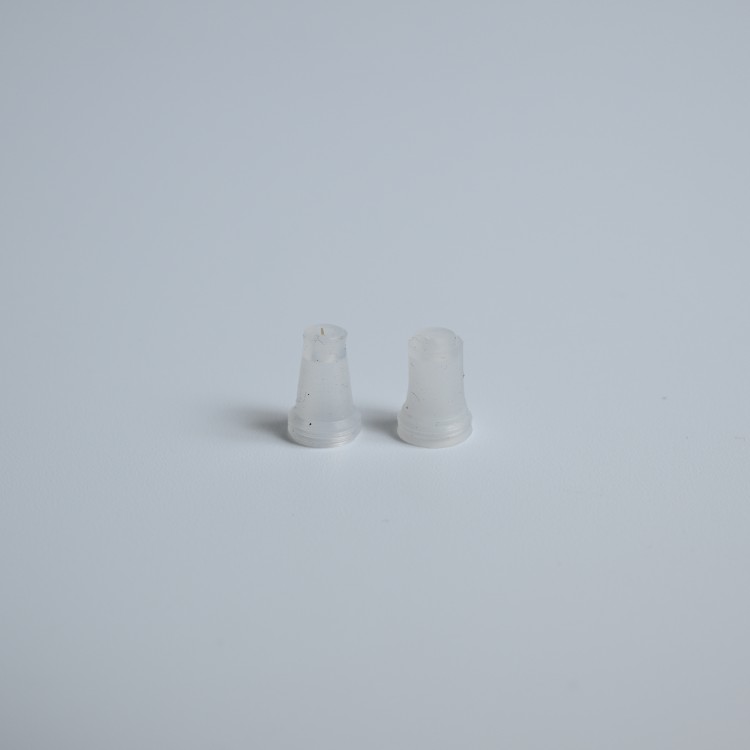
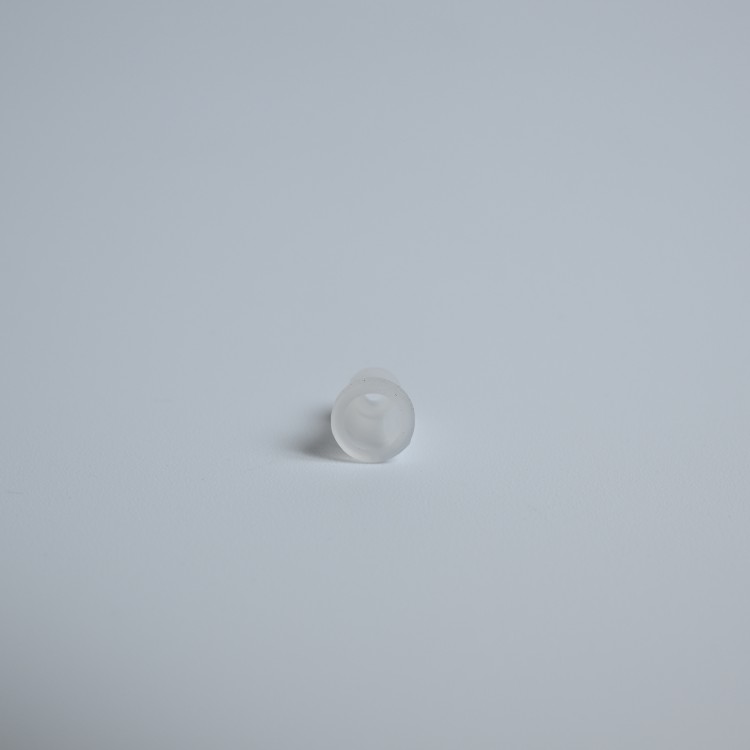


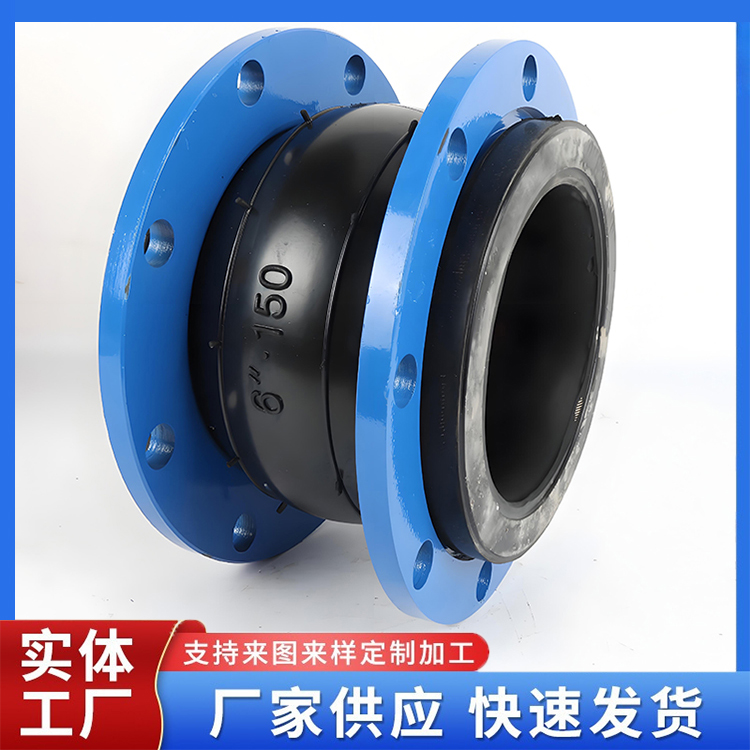
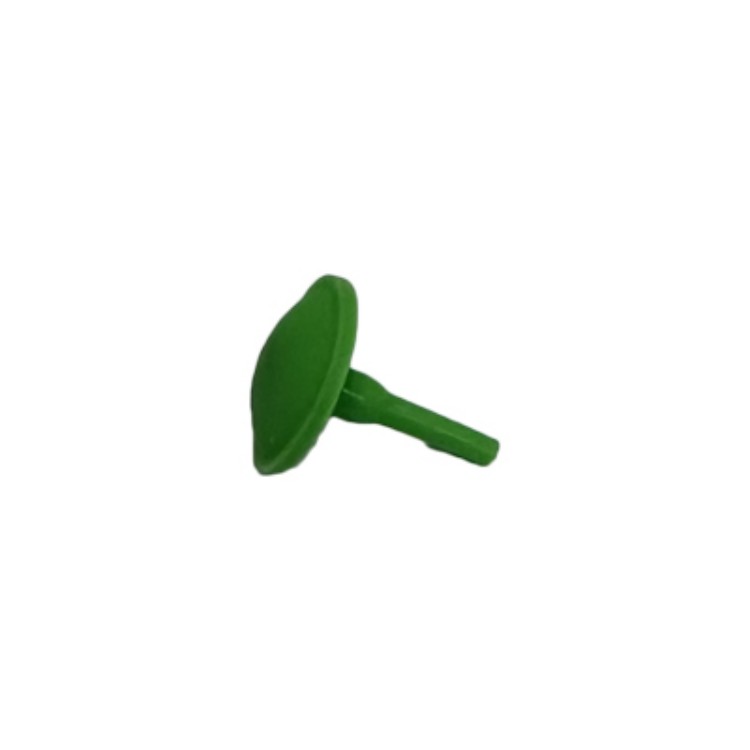
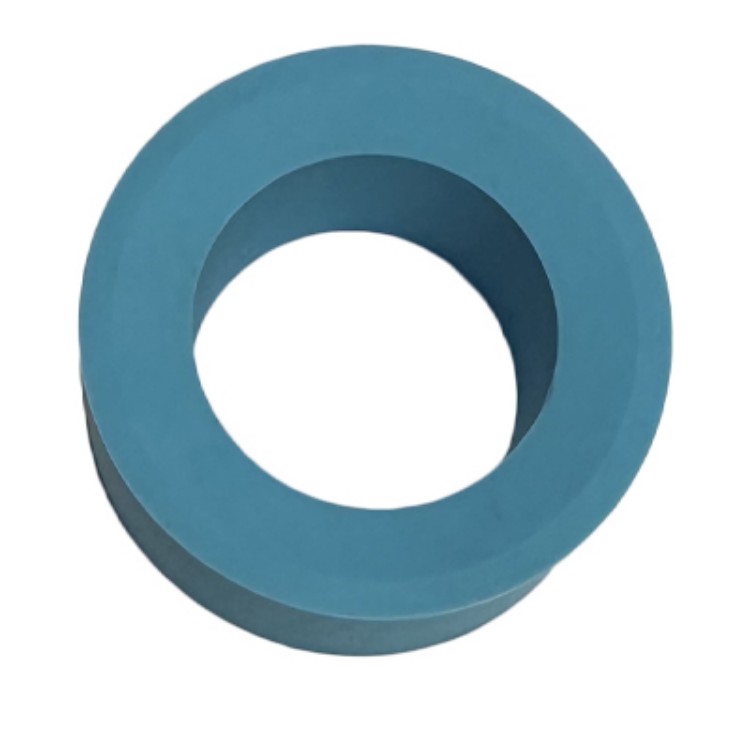
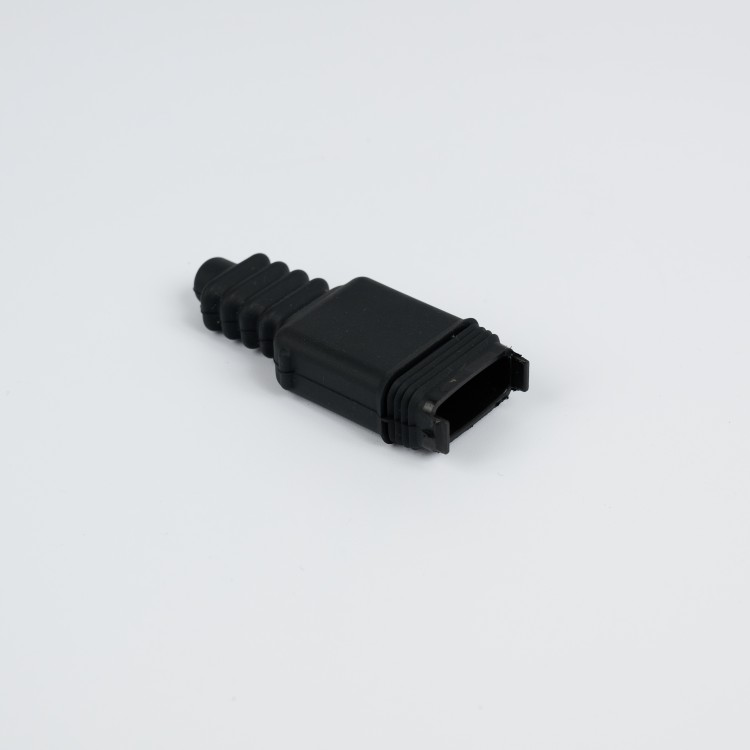
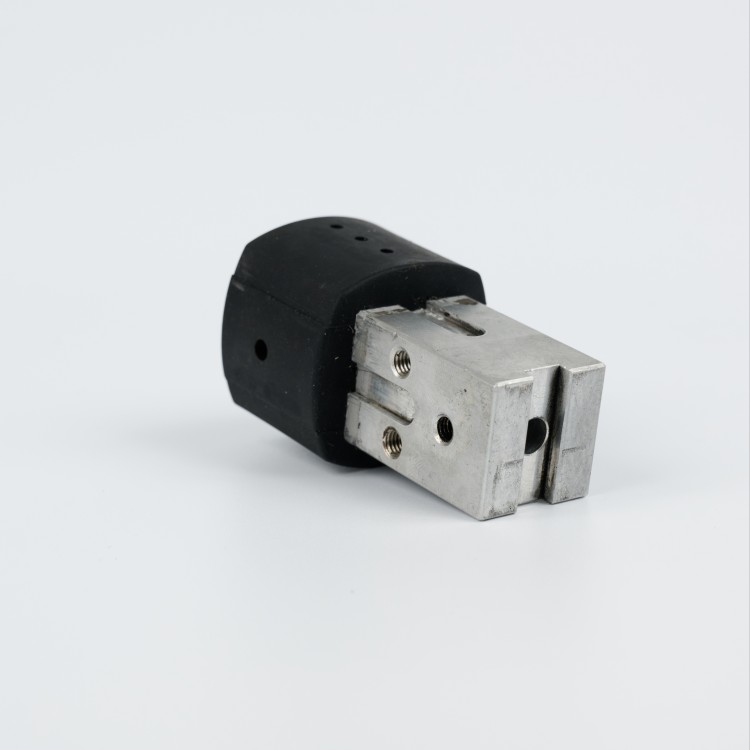






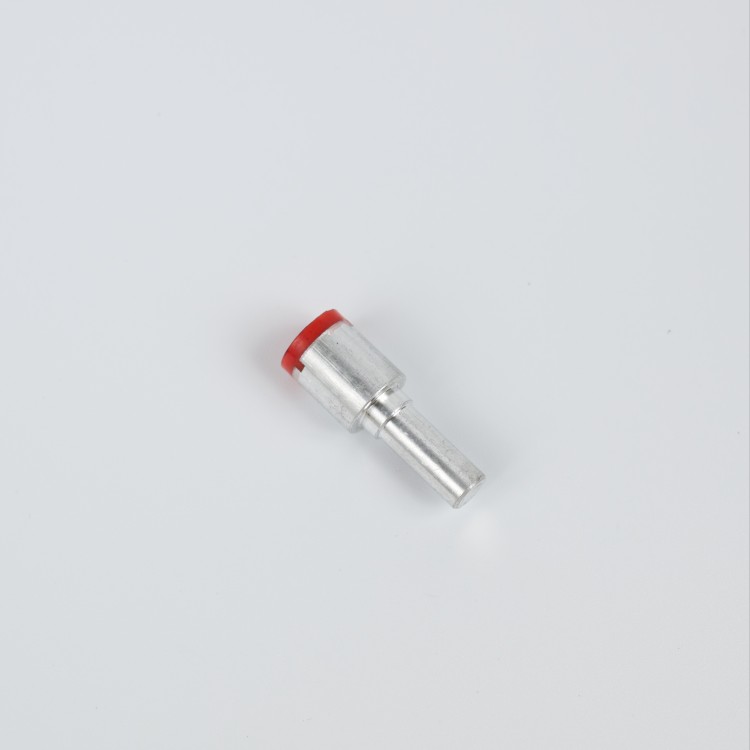
A shock-absorbing silicone sleeve is a protective cover made from silicone material that offers cushioning. Below is a detailed introduction to the shock-absorbing silicone sleeve:
I. Material Characteristics
Silicone is a soft yet durable material that can be formulated into products to meet various requirements. It boasts unique material properties, such as shock-absorbing and vibration-damping capabilities, high elasticity, and excellent tear resistance. These features allow silicone sleeves to effectively absorb and dissipate energy when subjected to external forces, thereby protecting the enclosed objects.
Section II: Application Fields
Buffering silicone sleeves are widely used in various fields, including but not limited to:
Machinery Equipment: Dampening, noise reduction, and dust protection for machinery, enhancing stability and extending service life.
Electronics: Provide cushioning and protection for electronics to prevent damage from drops or impacts.
Automotive Industry: Used for cushioning and protection of car parts such as shock absorbers, dust covers, etc., to enhance the comfort and safety of vehicles.
Prosthetic Aids: Serving as a protective layer between the residual limb skin and the socket of the prosthesis, they assist in gathering more soft tissue at the end of the residual limb, providing better cushioning. Additionally, when paired with locking mechanisms or sealing rings, they help disabled individuals wear their prosthetics more comfortably and conveniently.
Section 3: Production Process
The production process of shock-absorbing silicone sleeves mainly includes the following steps:
Raw Material Preparation: Includes blending of raw rubber, color matching, and calculation of raw material weights.
Vulcanized Molding: Utilizes high-pressure vulcanization equipment to solidify silicone raw materials into shape at high temperatures.
Post-processing: Includes removing unnecessary burrs and dross from the product surface (trimming process), printing characters (screen printing process), dust removal (surface treatment process), spraying to prevent dust adhesion and improve feel (spraying process), etc. Additionally, it may also include optimization processes for additional functions such as droplet adhesion, laser engraving, and P+R synthesis.
Section 4: Advantages and Features
Buffering and Shock Absorption: The shock-absorbing properties of the silicone sleeve effectively reduce the impact of external shocks on the protected object.
Abrasion-resistant and durable: Silicone materials feature high tear resistance, ensuring that silicone cases remain unharmed over long-term use.
Easy to clean and maintain: The silicone sleeve has a smooth surface, which is not prone to attracting dust and dirt, making it convenient for cleaning and maintenance.
Good adaptability: Silicone sleeves can be customized to meet the requirements of various application scenarios.