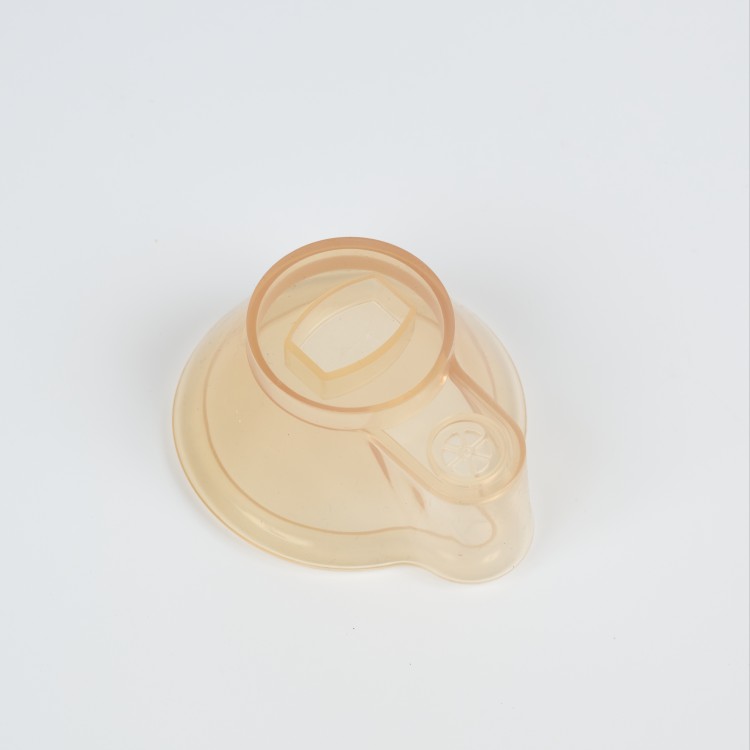

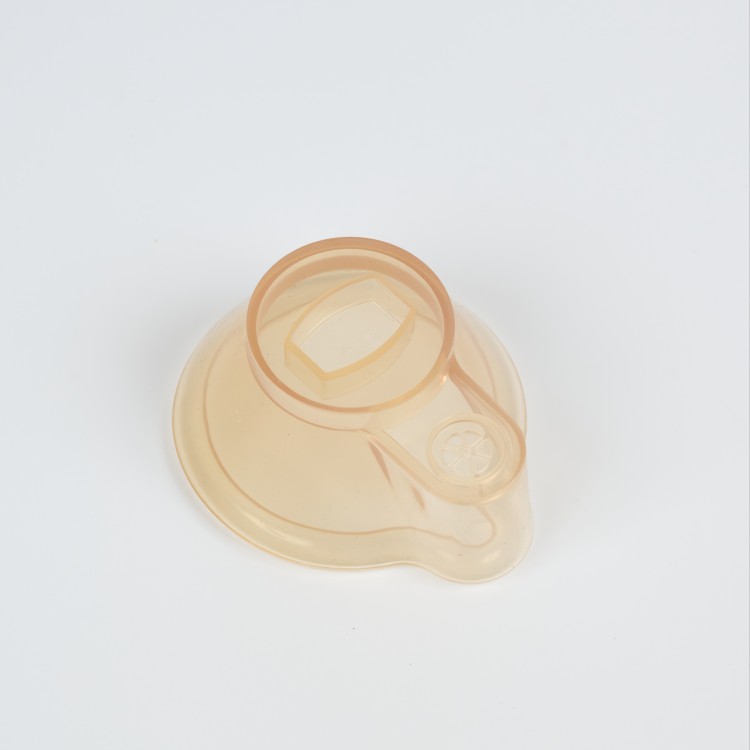
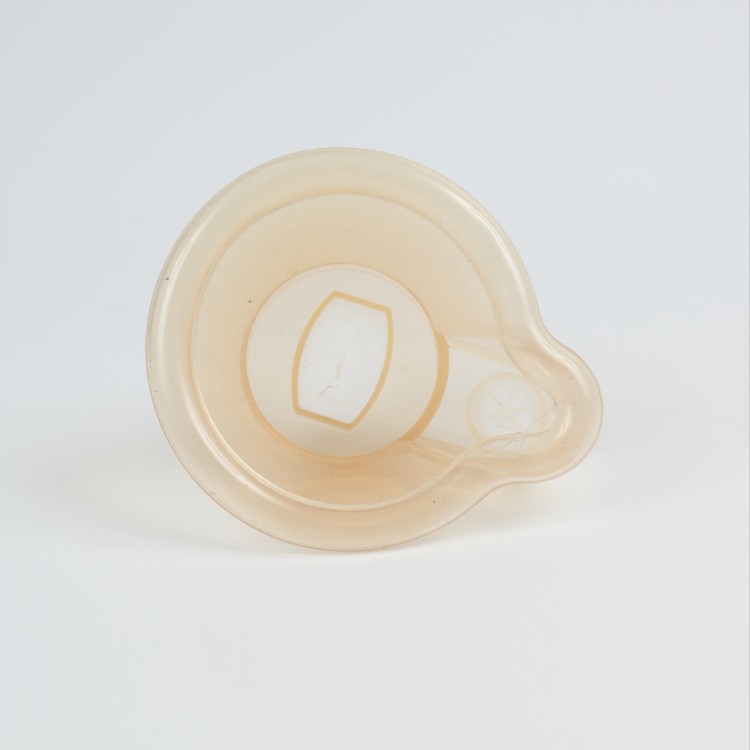
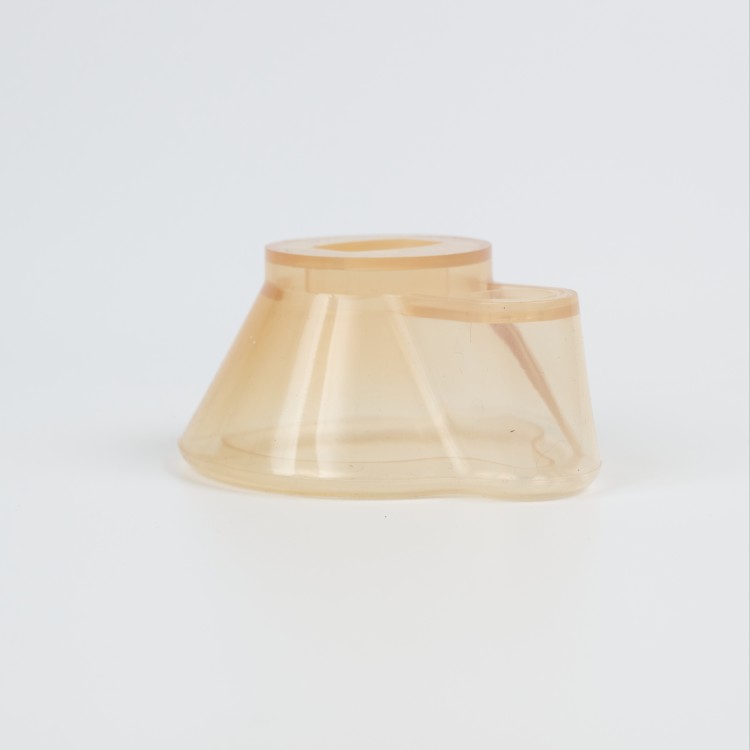








Silicone Respirator Masks are a type of respiratory protective equipment made from silicone materials, widely used in various fields such as healthcare, industry, and firefighting due to their excellent sealing, comfort, and durability. Below is a detailed introduction to silicone respirator masks:
I. Key Features
Seal Strength: Silicone material boasts excellent elasticity and malleability, allowing it to snugly conform to the contours of the user's face, effectively preventing the leakage of harmful gases.
High comfort level: The silicone face mask is soft to the touch, causing no pressure on the skin, and remains comfortable even after prolonged use.
Excellent durability: Silicone material is resistant to aging and deformation, offering a longer service life.
Wide Application: Suitable for medical facilities, chemical factories, paint spray rooms, and other environments requiring respiratory protection.
Section 2: Main Types
Mask: The silicone face mask covers the entire face, including eyes, nose, and mouth, providing protection.
Half-Face Mask: The half-face silicone breathing mask typically covers only the nose and mouth, suitable for situations where eye protection is not required.
Repeating Mask: This mask is compatible with simple respirators and high-flow oxygen bags, commonly used in emergency and anesthesia situations.
Section 3: Application Fields
Medical Field: Silicone breathing masks are commonly used in operating rooms, emergency rooms, and other medical facilities to provide a safer breathing environment.
Industrial Sector: In industrial settings, silicone respirator masks are commonly used in environments with high concentrations of harmful gases, such as in chemical processing, paint spraying, and electroplating, to protect workers' respiratory health.
Firefighting Field: Firefighters often wear silicone breathing masks during extinguishing and rescue operations to cope with harsh conditions such as high temperatures and toxic smoke.
Four: Usage Precautions
Select the appropriate mask: Choose a suitable silicone breathing mask based on factors such as the usage environment and personal facial contours.
Regular inspections and maintenance: Regularly inspect masks to ensure their seal and integrity. Replace promptly if any damage or aging is found.
Properly Worn: Ensure the mask fits snugly against your face when wearing it, to prevent any leakage of harmful gases.
Cleaning and Disinfection: Reusable masks should be cleaned and disinfected immediately after use to prevent infection.
V. Analysis of Advantages and Disadvantages
Advantages:
High-sealing, excellent protective effect.
High comfort level, no pressure on wearing.
Excellent durability and long service life.
Shortcomings:
May be heavier than masks made of other materials, which could cause some discomfort during prolonged wear.
Silicone surfaces are prone to attract dust and grime, necessitating more frequent cleaning and maintenance.
Higher production costs usually result in higher market prices.