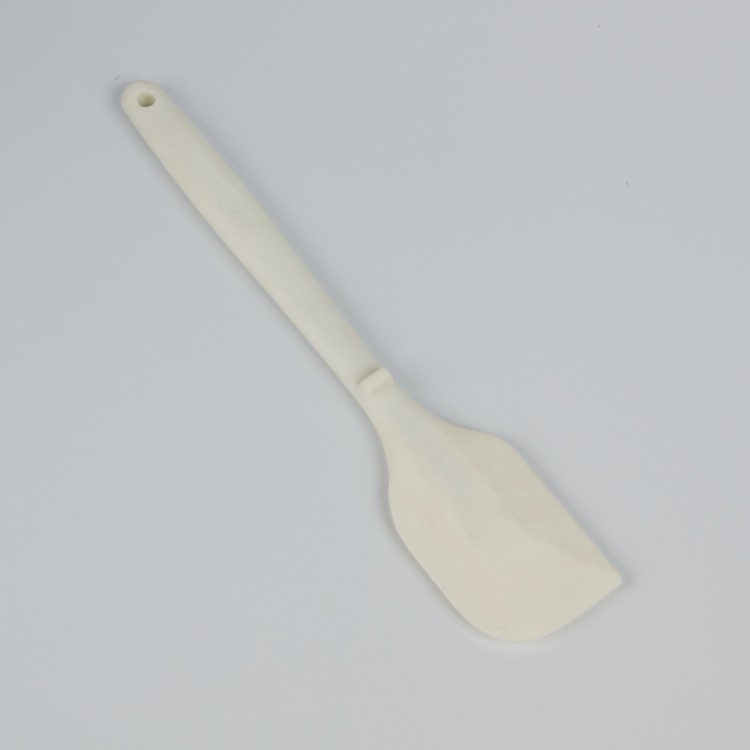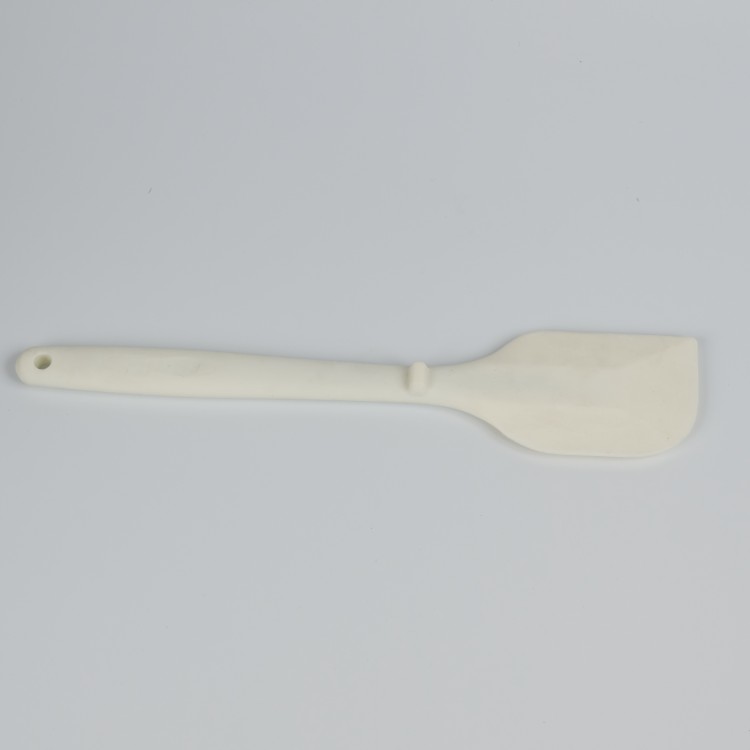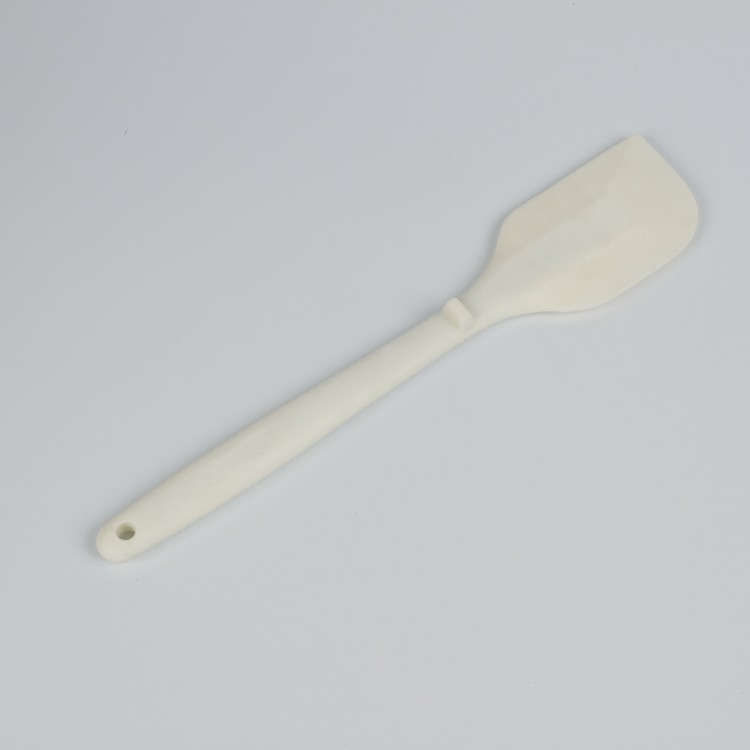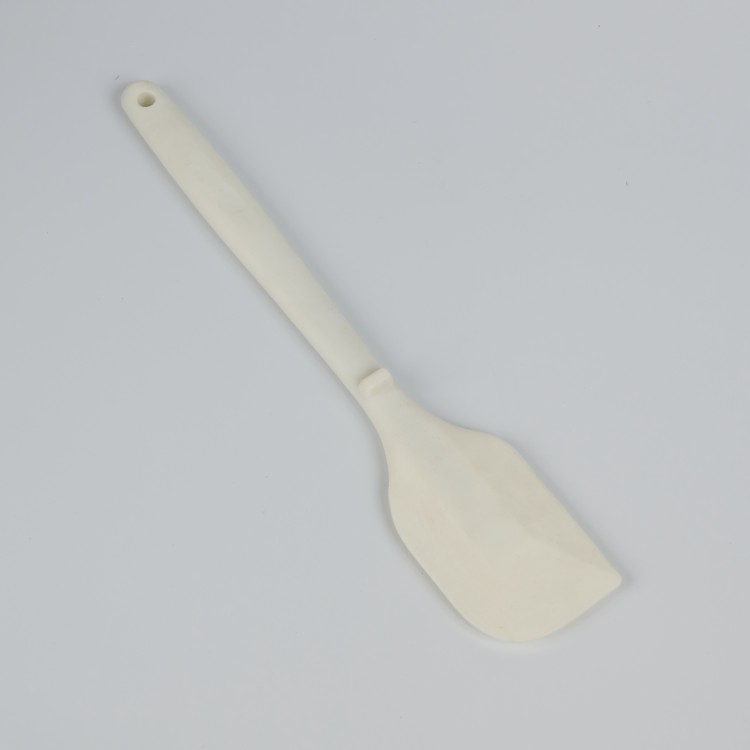

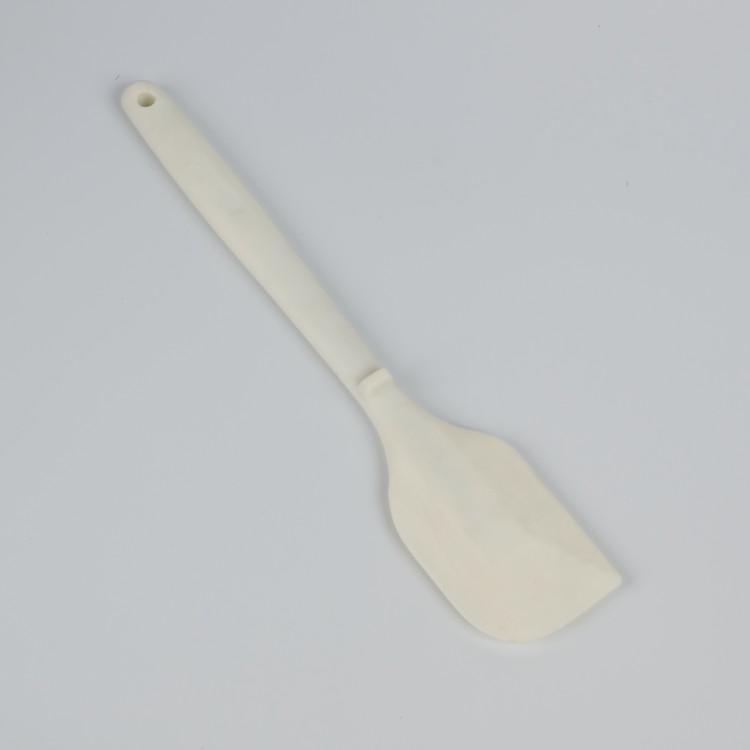
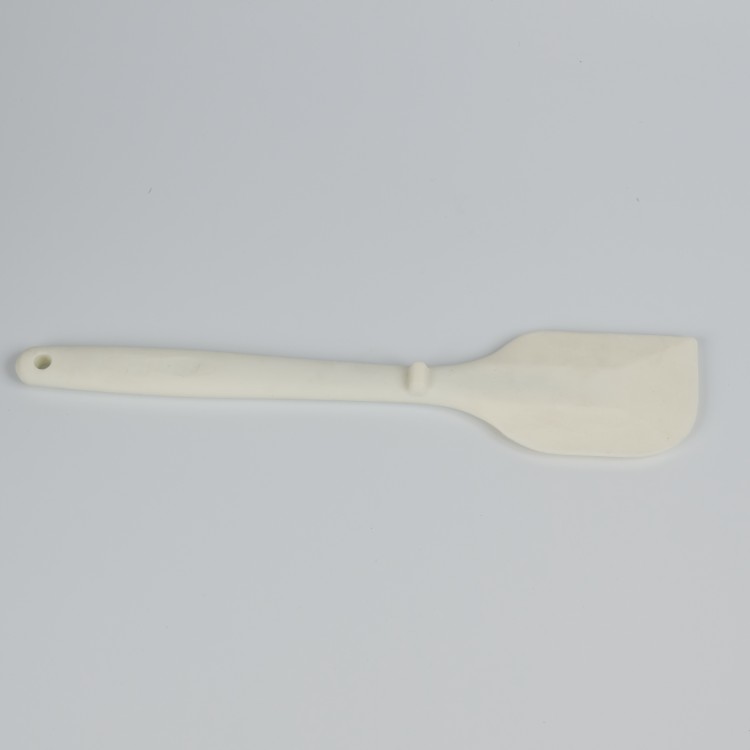








Silicone spatulas are kitchen utensils made by molding food-grade silicone. Below is a detailed introduction to silicone spatulas:
I. Material Characteristics
High Temperature Resistance: Silicone spatulas can withstand high temperatures, typically up to around 250°C, fully meeting the demands of daily cooking such as frying, stir-frying, stewing, and boiling. This characteristic makes silicone spatulas less prone to warping or melting during cooking, ensuring safety in use.
Anti-aging & Non-Toxic: These silicone spatulas are made from food-grade silicone, ensuring they are non-toxic and odorless. They will not release toxic substances even under high temperatures, guaranteeing the purity of ingredients and the health of consumers. Additionally, the silicone material boasts excellent anti-aging properties, maintaining its physical and chemical stability for extended periods.
Soft and Comfortable: The handle of the silicone spatula is soft, with an appropriately designed angle, perfectly fitting the pot surface. It won't scratch the cookware and also offers better protection for the non-stick coating.
Noiseless and Durable: The silicone spatulas produce no noise during use, bringing tranquility to the kitchen environment. Moreover, the silicone material boasts high durability, being sturdy and shock-resistant, with a long service life and able to withstand daily use challenges.
Easy to clean: The silicone spatula has a smooth surface that resists food residue, making it a breeze to wash. Whether rinsed with water or cleaned in a dishwasher, it quickly returns to its clean state.
Part Two: Usage
Silicone spatulas are versatile for a wide range of cooking tasks, including simmering, stir-frying, frying, and whisking. Their softness and high-temperature resistance allow them to be used in various high-heat cooking processes, preserving the integrity and flavor of ingredients.
III. Brand and Selection
Well-known Brands: The silicone spatula market features numerous well-known brands such as Supor, Zwilling, Joyoung, and Chao Da Huang. These brands offer guaranteed product quality, allowing consumers to select the appropriate brand based on their needs and budget.
Selection Method:
Sniff the odor: Food-grade silicone should have no smell. If a pungent odor is detected, it indicates that the product quality is substandard, and caution should be exercised when purchasing.
Feel texture: Silicone spatula is soft, elastic, and does not deform easily. The surface is smooth with no burrs.
Test for High-Temperature Resistance: Try to stir and fry food in the pot with a spatula. If there's no black smoke or deformation, it indicates the spatula meets quality standards.
Refer to the manual: The product manual should state compliance with the national standard GB4806.11-2016 "Food Safety Standard for Rubber Materials and Articles for Food Contact."
Check for Fading: Good silicone spatulas do not fade. Wipe them with a cloth or white paper; if there is noticeable fading, purchase with caution.
Four: Usage Precautions
Avoid direct contact with open flame: Silicone spatulas should be kept away from direct open flame to prevent deformation or damage due to excessive heat.
Avoid excessive force: When using silicone spatulas, avoid applying too much force to prevent damaging the spatula or cooking utensils.
Prompt Cleaning: After use, promptly clean the silicone spatula and dry it thoroughly. Store it in a dry, well-ventilated area, avoiding direct sunlight and moist conditions.
Regular Replacement: If there are scratches or damage on the silicone spatula, replace it with a new one promptly to ensure safe use.
In summary, silicone kitchen spatulas are a powerful and versatile tool with advantages such as material safety, durability, resistance to corrosion, and non-stick properties. During the selection and use process, consumers should pay attention to product quality and safety to ensure smooth cooking and the health and safety of ingredients.