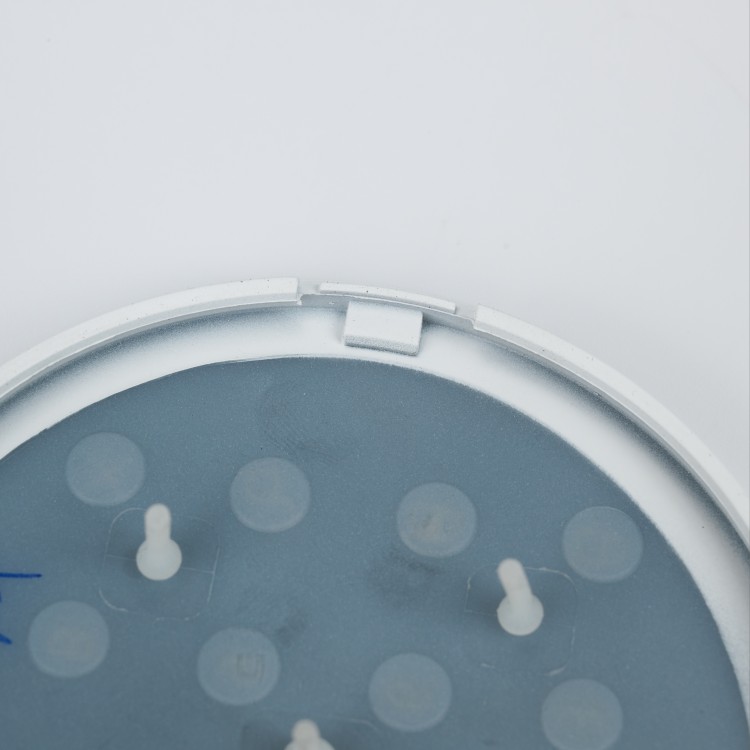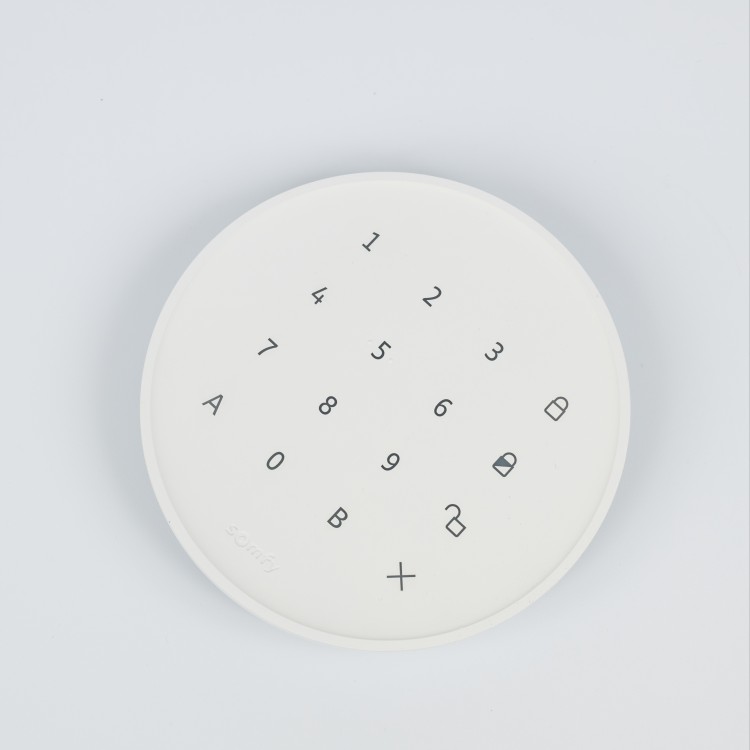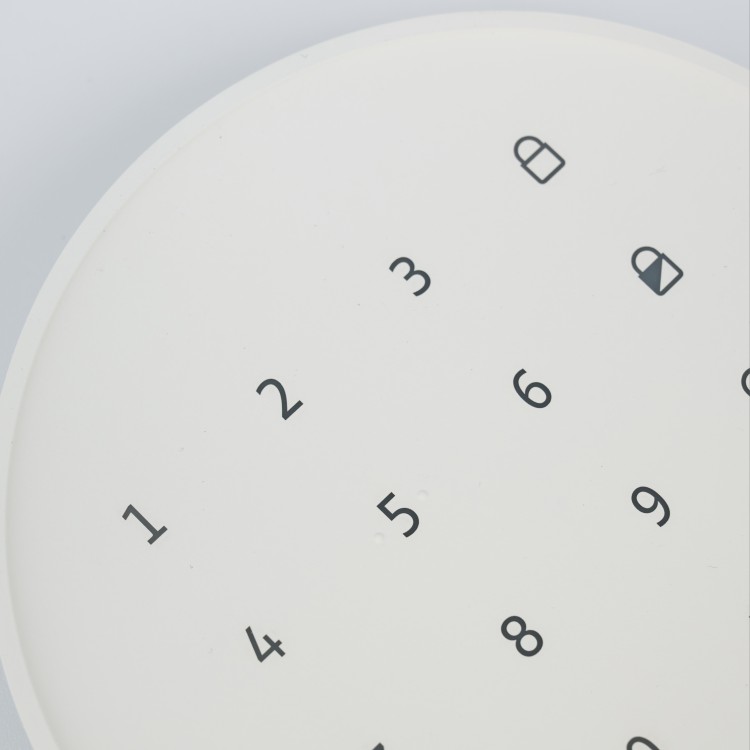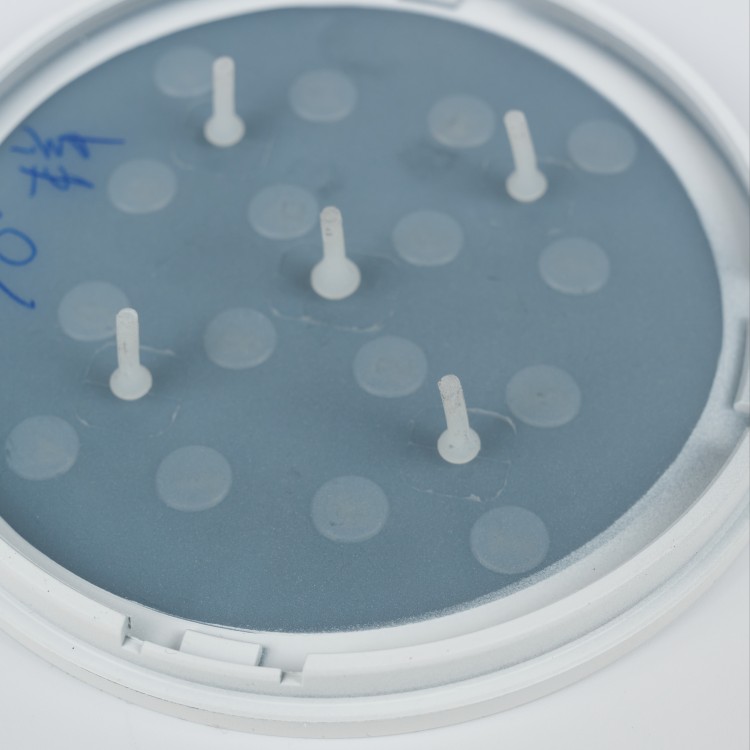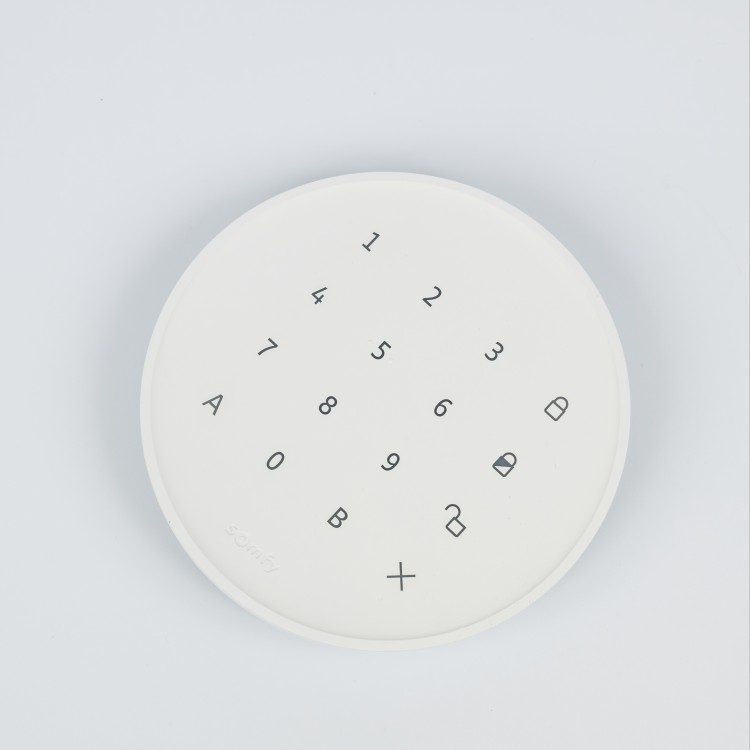

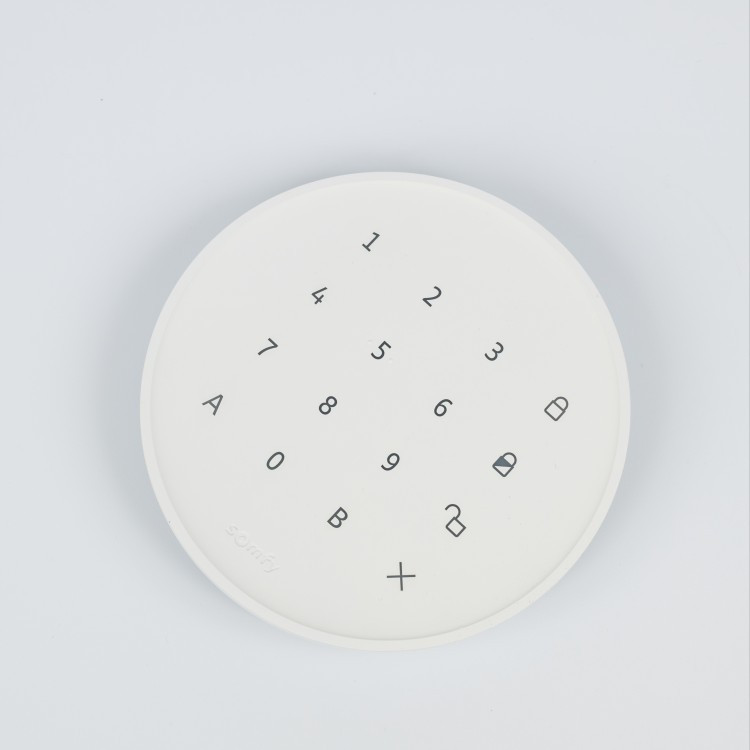
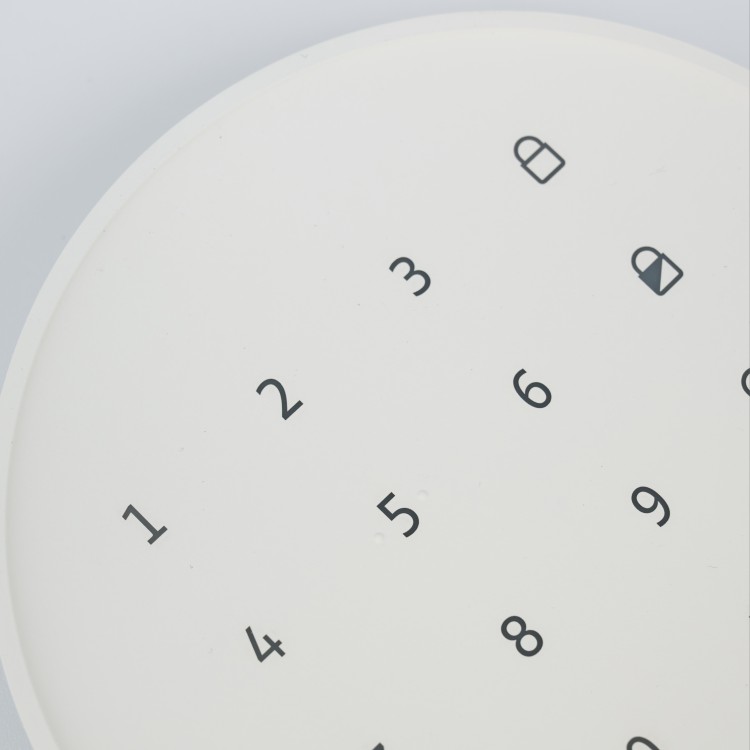
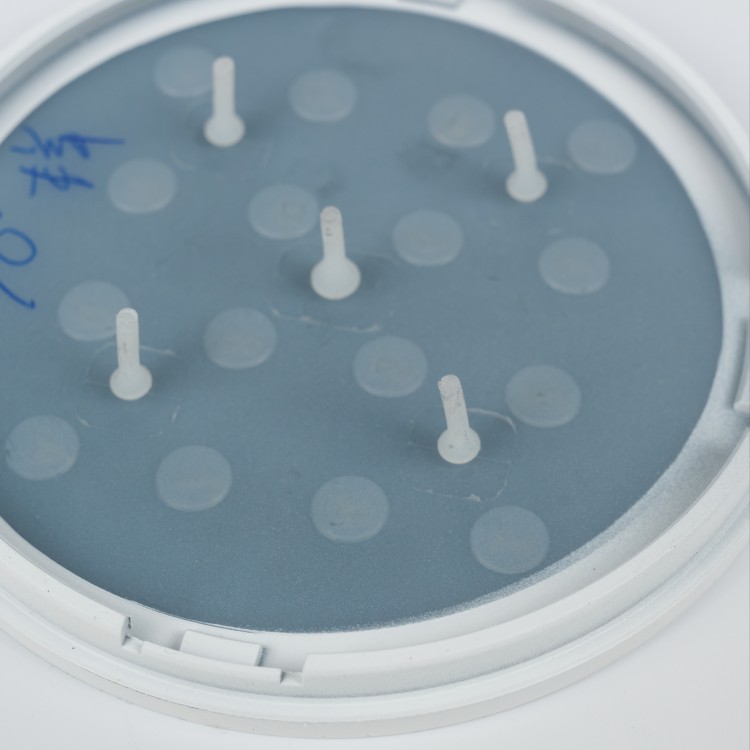


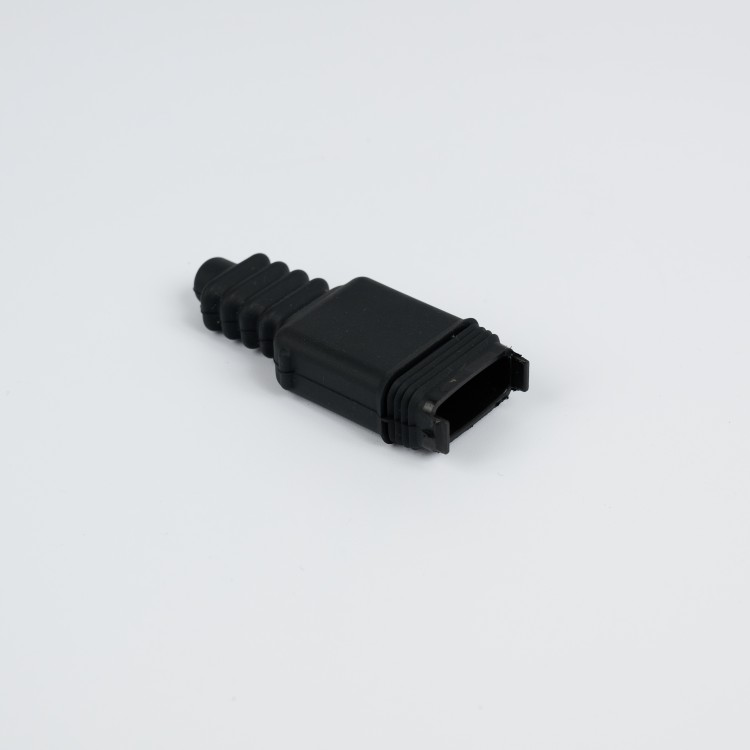
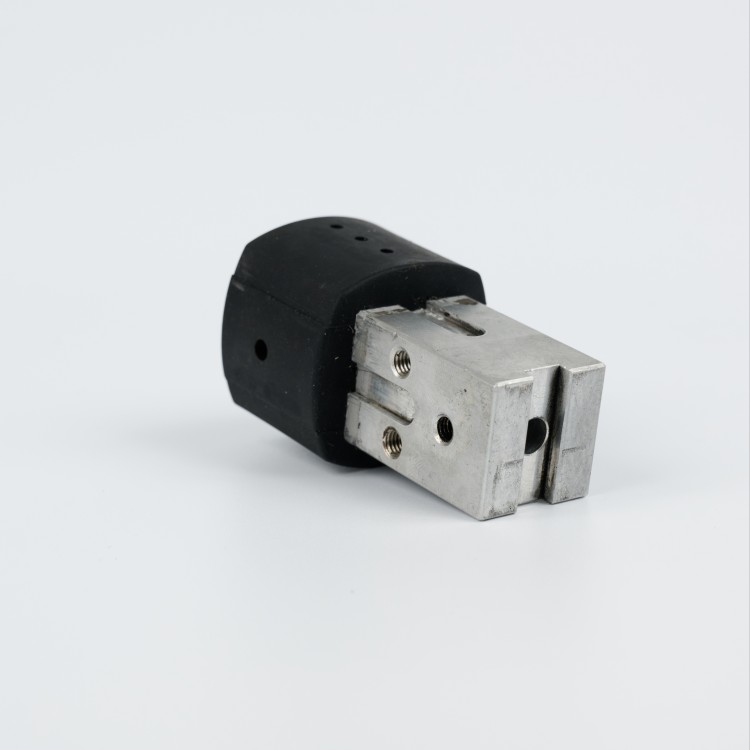






Silicone keypad is a product made from silicone material, which falls under a category of silicone products. The following is a detailed introduction to silicone keypads:
I. Key Features
Thermal resistance and cold resistance: Silicone keys feature excellent thermal and cold resistance, maintaining stable performance under extreme temperature conditions.
Environmental Resistance: Silicone buttons exhibit excellent resistance to various environmental factors, such as corrosion and wear resistance.
Electrical Insulation: Silicone keypad offers excellent electrical insulation properties, suitable for applications requiring electrical isolation.
Fatigue Resistance: Silicone buttons can withstand repeated pressing without easy damage, offering a longer service life.
Eco-Friendly & Safe: Silicone buttons are made from non-toxic, eco-friendly materials, posing no harm to the human body.
II. By Pressure Classification
Silicone button actuation force can be customized according to application requirements. Common force categories are as follows:
50~80g: Suitable for computer keyboards, calculator buttons, and other frequently clicked applications, with low pressing force and ease of pressing.
80~120g: Ideal for electrical switches, remote control buttons, etc., with appropriate pressure, comfortable feel, and good rebound.
120~180g: Ideal for equipment, industrial instruments, and mechanical remote controls; high pressure application, suitable for larger silicone buttons, excellent resilience, not suitable for frequent pressing.
180g and above: Suitable for special industries such as medical and aviation, with high pressure but relatively rare.
3. Production Process
The production process of silicone key switches primarily includes raw material preparation, vulcanization molding, and de flashing. Raw material preparation involves mixing the natural rubber, color matching, and calculating the weight of the materials; vulcanization molding utilizes high-pressure vulcanization equipment under high temperature to solidify the silicone raw materials into a molded state; de flashing entails removing the excess flash and debris from the molded silicone key switches after they are taken out of the mold.
Four: Application Fields
Silicone keypad buttons are highly favored for their excellent performance and wide range of applications. They are primarily used in the electronics industry, such as in smartphones, computers, remote controls, and household appliances. In smartphones, silicone keypad buttons are commonly used for volume control, power on/off, fingerprint recognition, and other functions. Moreover, silicone keypad buttons can be customized according to customer requirements, including printed patterns, letters, and numbers, to meet diverse customer needs.
V. Maintenance and Care
To ensure the normal operation and prolong the service life of silicone buttons, regular maintenance and care are required. Specific measures include:
Regularly inspect the appearance and integrity of the silicone buttons to ensure there are no cracks or deformation.
When cleaning silicone buttons, use clean water or a damp cloth to gently wipe, avoid using corrosive cleaning agents.
Avoid exposing silicone buttons to extreme temperatures or humid environments to prevent degradation of their performance and lifespan.
Six, Cautionary Notes
When using silicone buttons, follow the product manual and instructions from healthcare professionals (if applicable) to ensure proper and safe use.
If silicone buttons are found to be damaged, leaking, or exhibit any abnormal conditions, they should be immediately stopped and replaced with new ones.
In summary, silicone switches are highly regarded due to their excellent performance and wide range of applications. Understanding their features, production processes, application areas, as well as maintenance and care methods can help in better utilizing and maintaining silicone switches, ensuring their normal functionality and extending their lifespan.