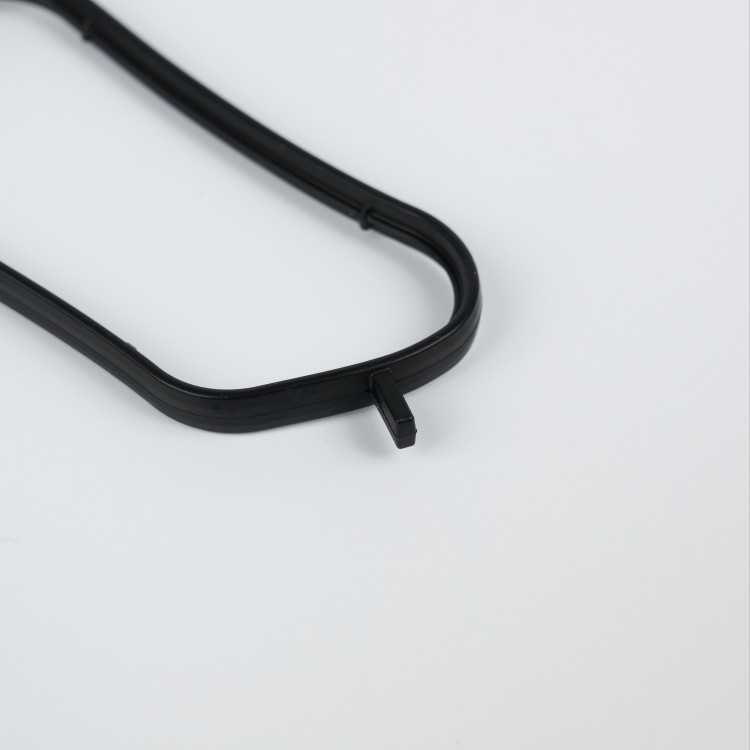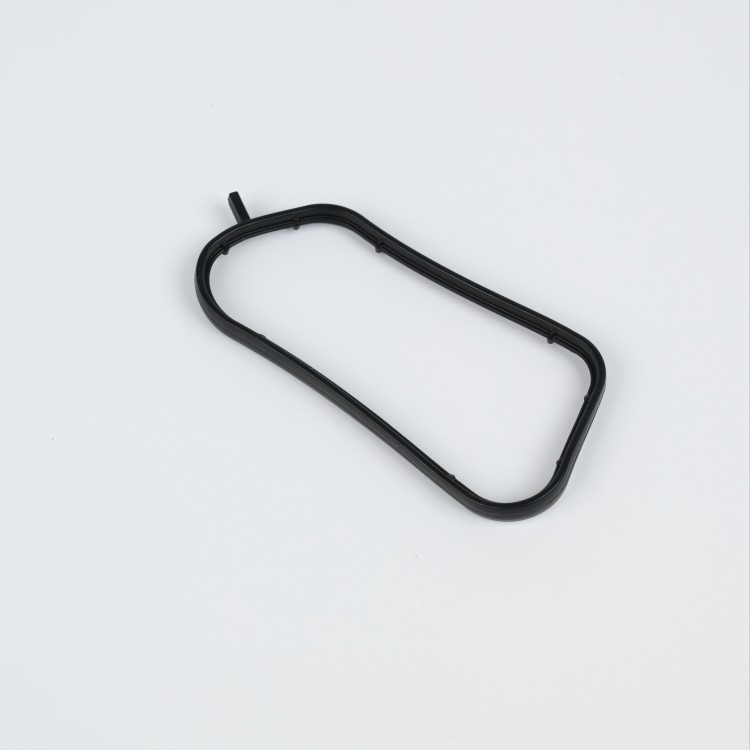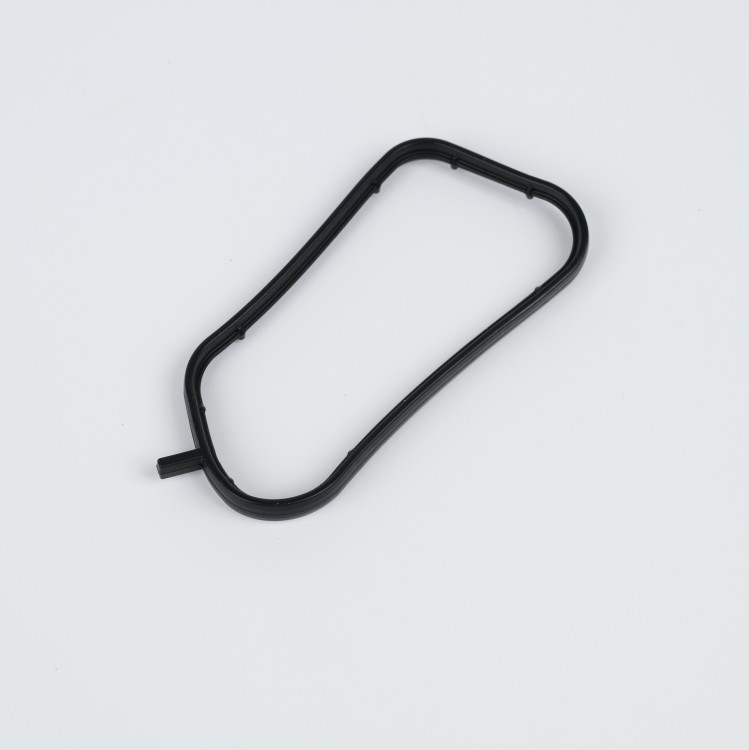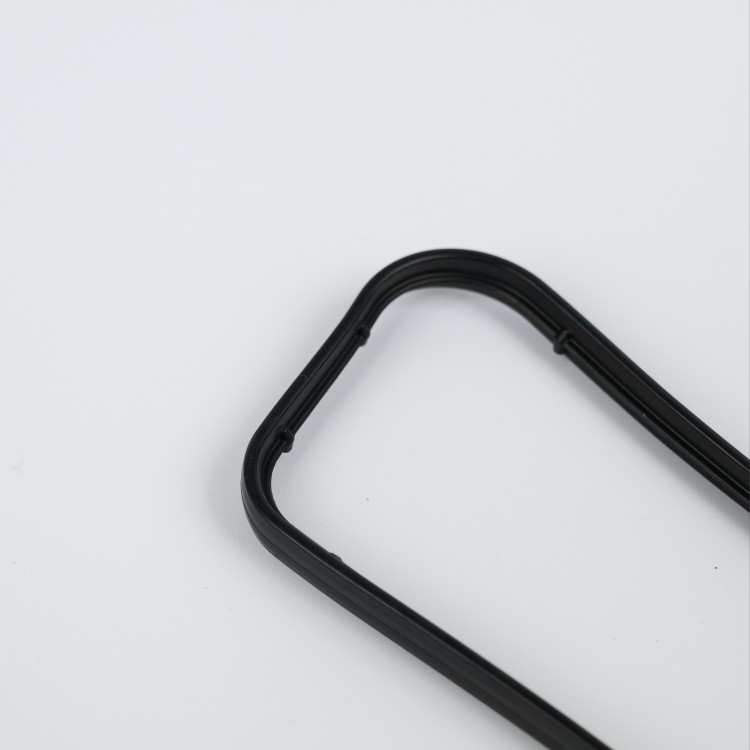



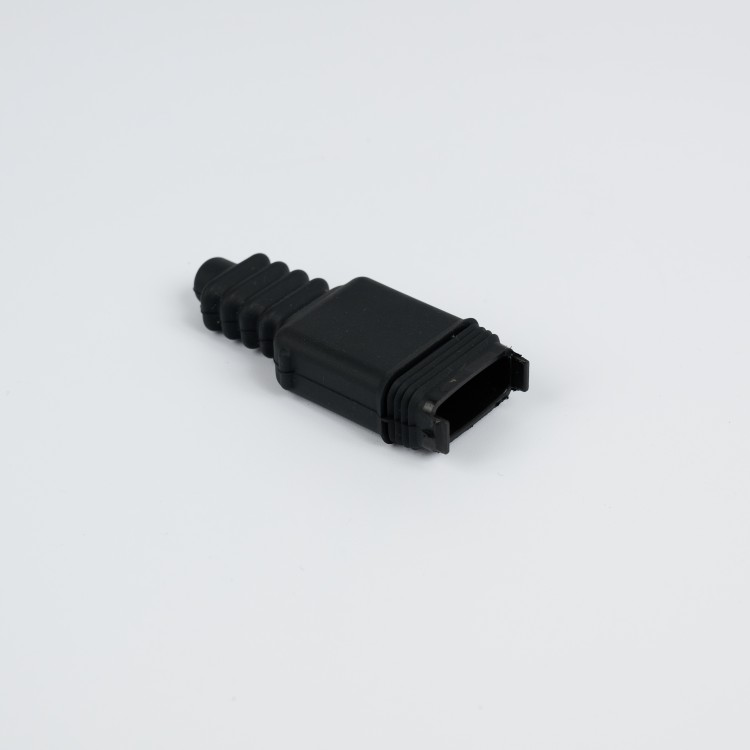
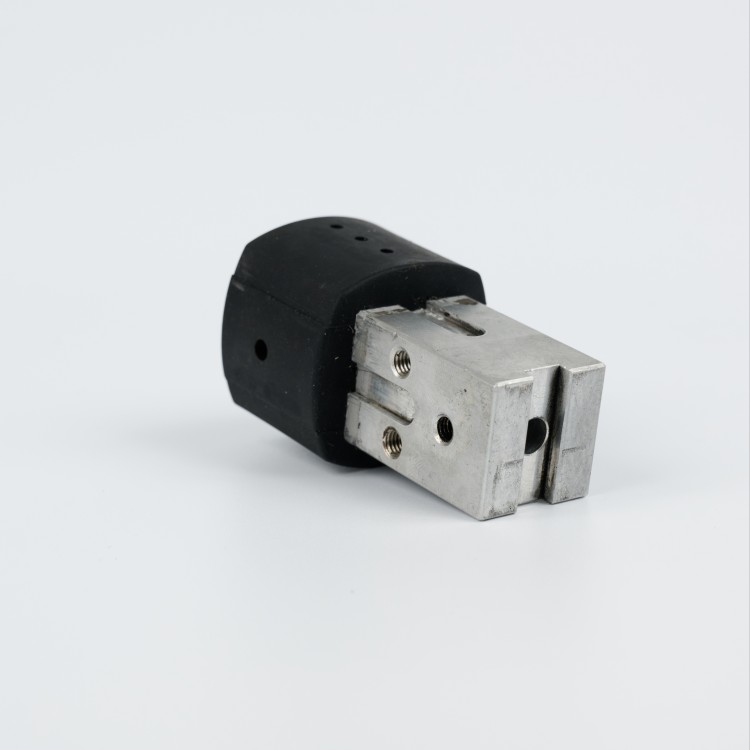






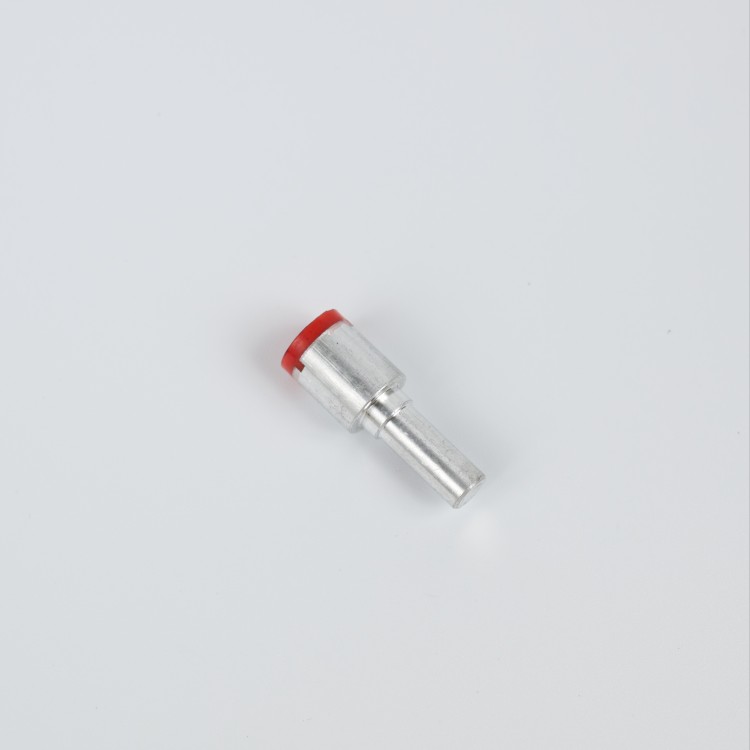
Comprehensive Analysis of Non-standard Rubber Seals
I. Definition and Core Characteristics
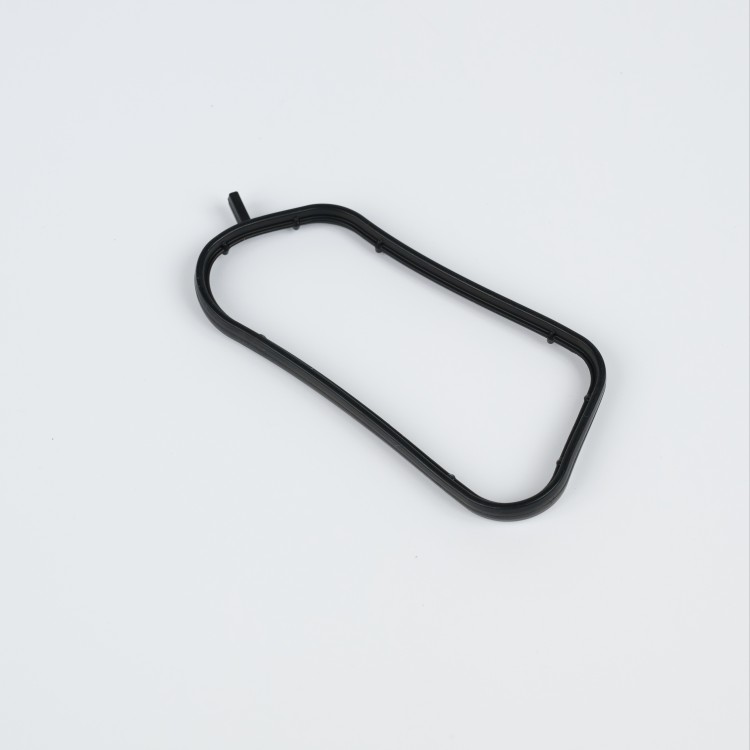
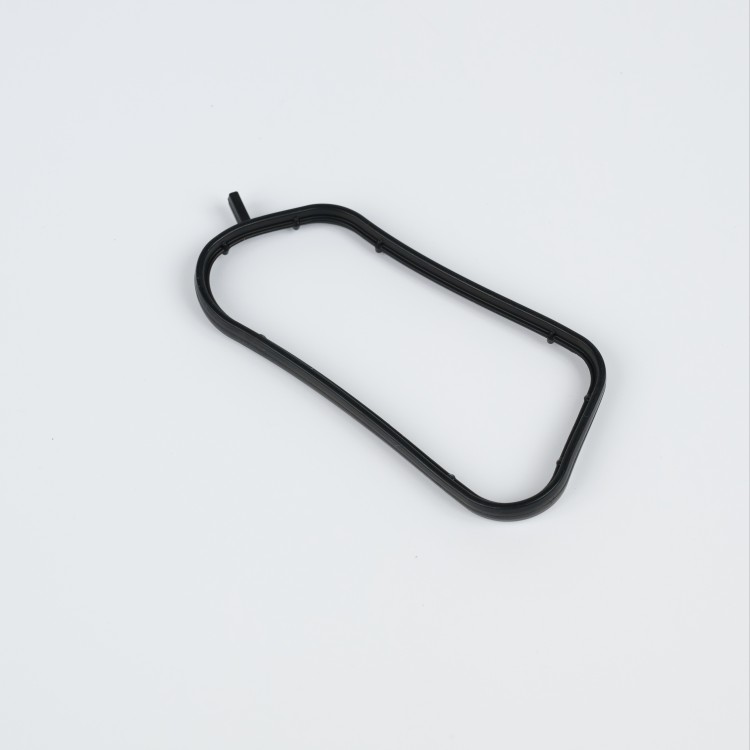
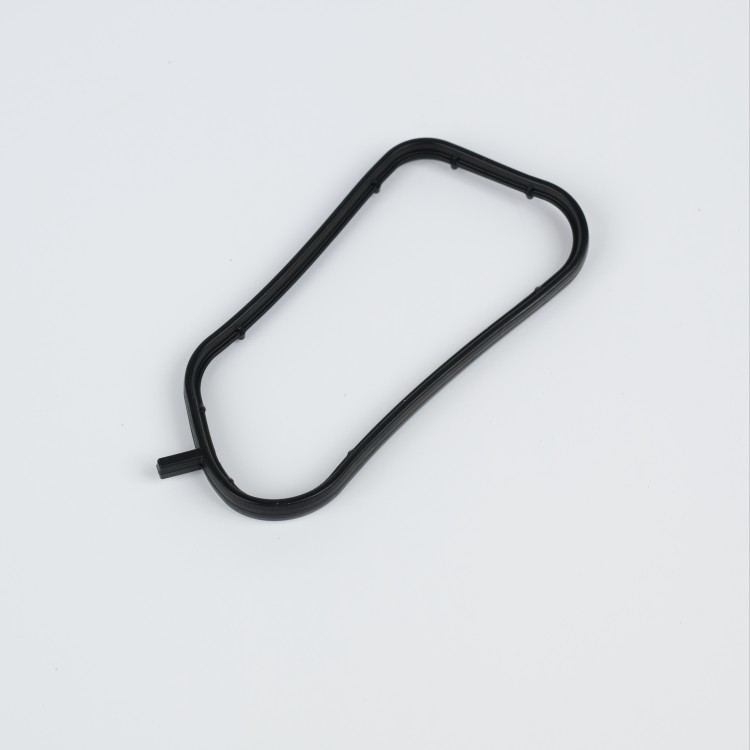
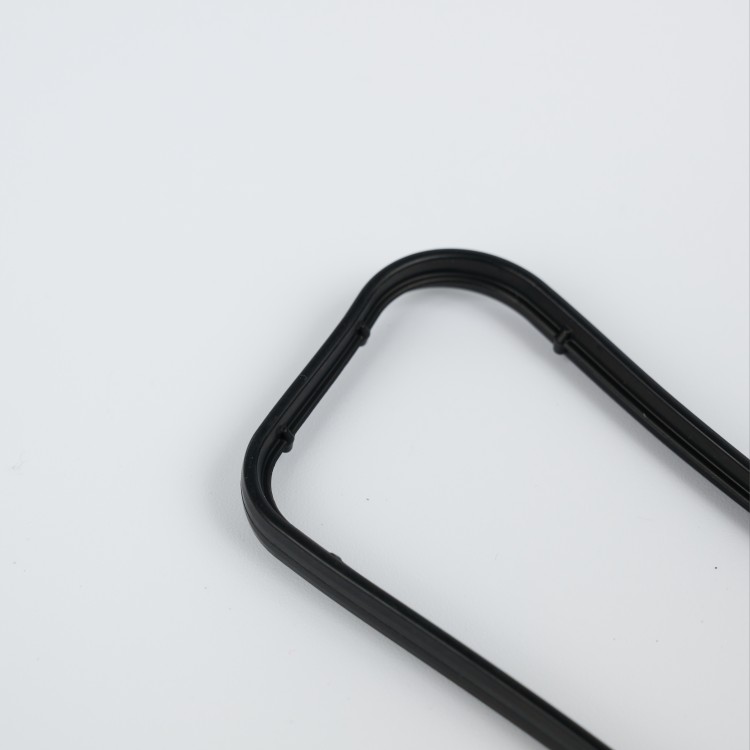
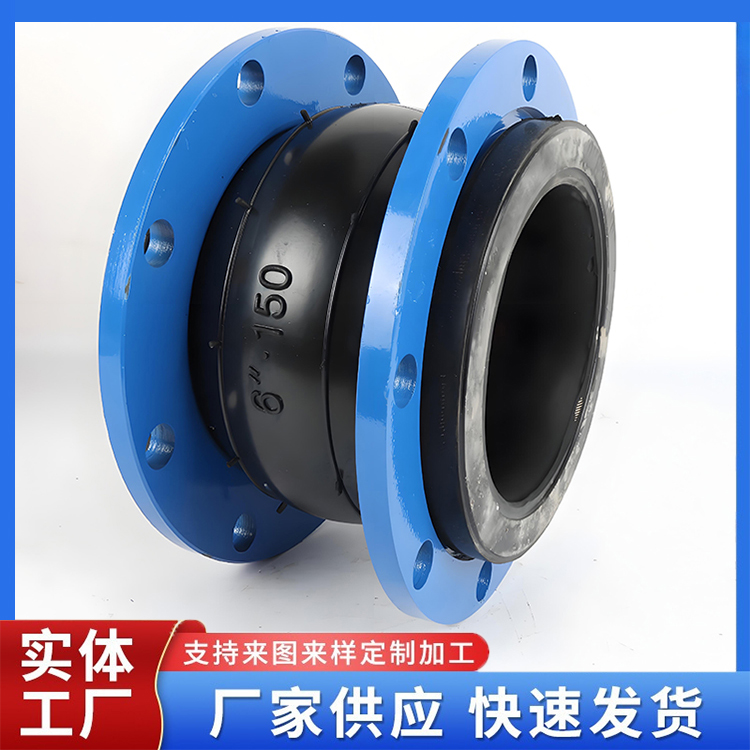
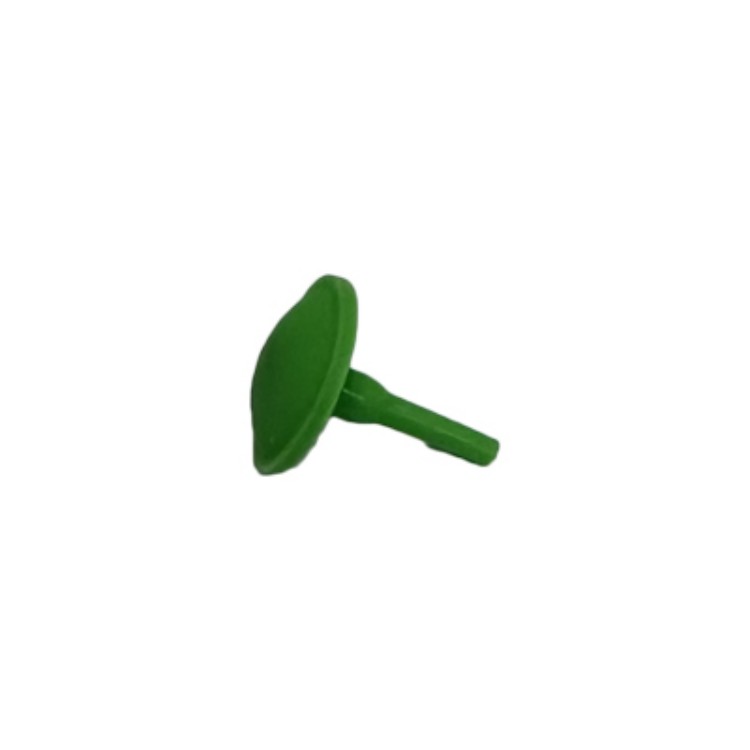
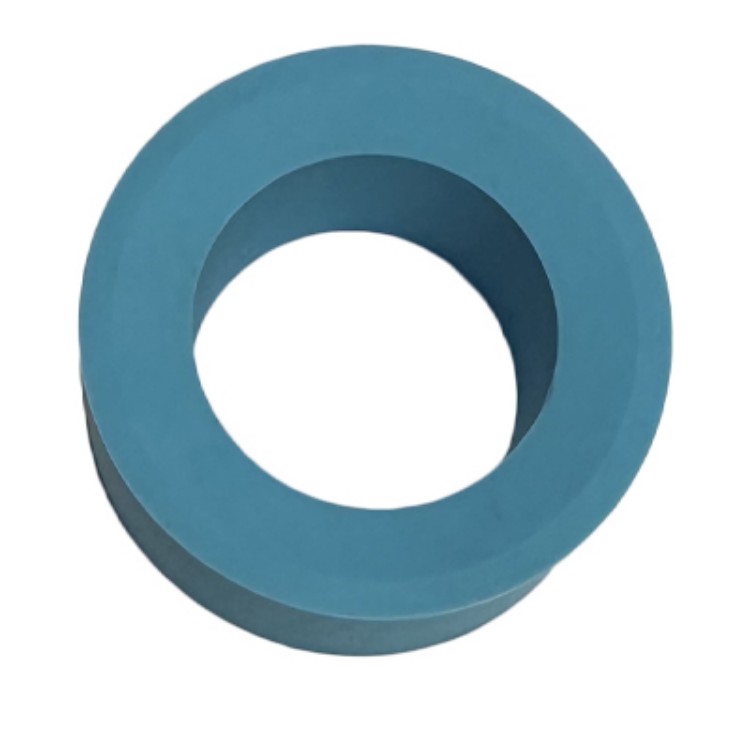
Non-standard-shaped sealing elements made of nitrile rubber (NBR), fluoroelastomer (FKM), or silicone rubber (SILICONE), these unconventional rubber seals are tailored for complex sealing space requirements. They are widely used in the automotive, chemical, and mechanical industries. Key features include:
Shape diversity: Includes square, X-shaped, and multi-sided cross-sections, capable of filling irregular sealing surface gaps to enhance sealing compatibility.
Chemical Resistance: Resistant to oil and acids/bases (e.g., nitrile rubber with swelling rate to mineral oil <5%), temperature range from -60℃ to +250℃ (fluororubber);
Dynamic Sealing Capability: The star-shaped seal (X-ring) features a four-lobed design, offering superior bidirectional sealing performance compared to traditional O-rings, with a reduction in friction resistance of 30%.
Typical Application Scenarios
Automotive Industry
The engine crankshaft oil seal employs a fluororubber O-ring, withstanding a high-temperature oil environment of up to 150℃.
X-shaped seal for transmission reduces friction loss and extends service life up to 100,000 kilometers.
Chemical Equipment:
Reaction kettle agitator eccentric seal (NBR rubber material), resistant to 98% sulfuric acid corrosion.
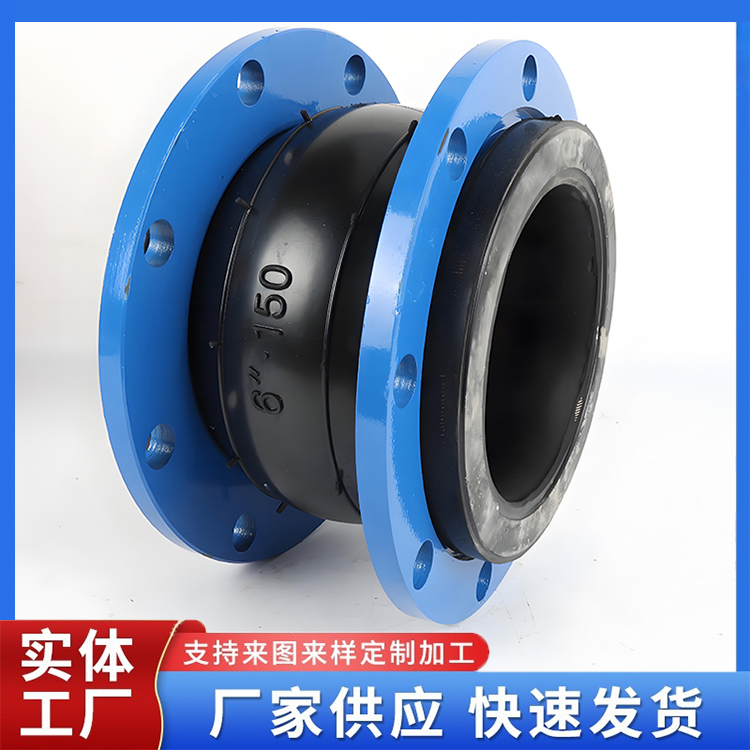
Oil pipeline flange square seal (Nitrile rubber), pressure-bearing up to 40MPa.
Food Processing:
Silicone irregular gaskets are used for steam kettle sealing, withstanding steam cycles up to 230°C.
PTFE composite non-standard washers for jam filling line, resistant to fruit acid corrosion and friction coefficient ≤ 0.04.
III. Structural Design Advantages
Anti-extrusion reinforcement: Embedded PTFE frame or metal reinforcing ring to enhance deformation resistance under high-pressure conditions (up to 1500 Kg/cm²).
Dynamic adaptability: The star-shaped four-lip structure compensates for installation errors, reducing wear on the sealing surface (increasing lifespan by 50% compared to O-rings).
Lightweight Design: Silicone non-standard seal density ≤ 1.2 g/cm³, suitable for the miniaturization requirements of precision instruments.