









Comprehensive Analysis of Low-Temperature Sealing Rings
I. Definition and Core Functions
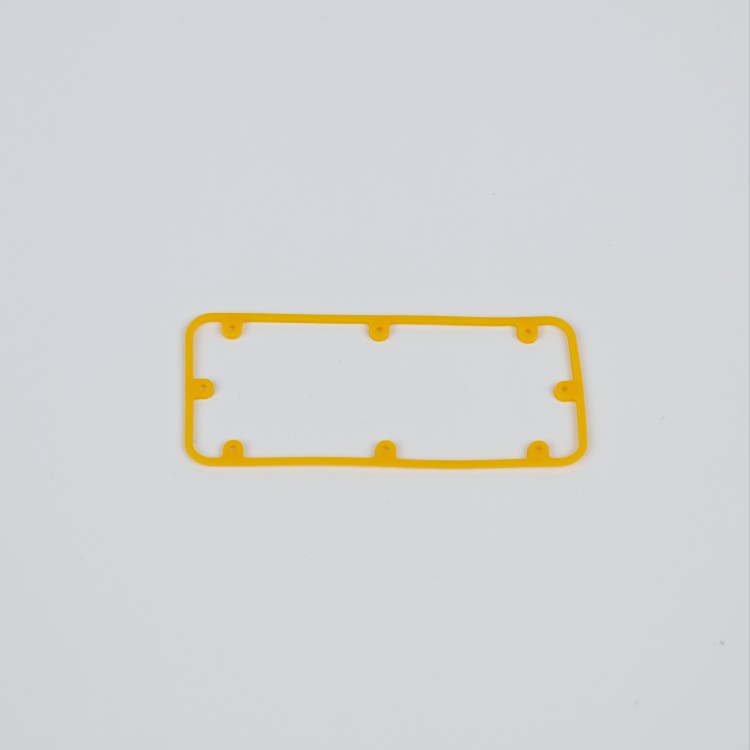
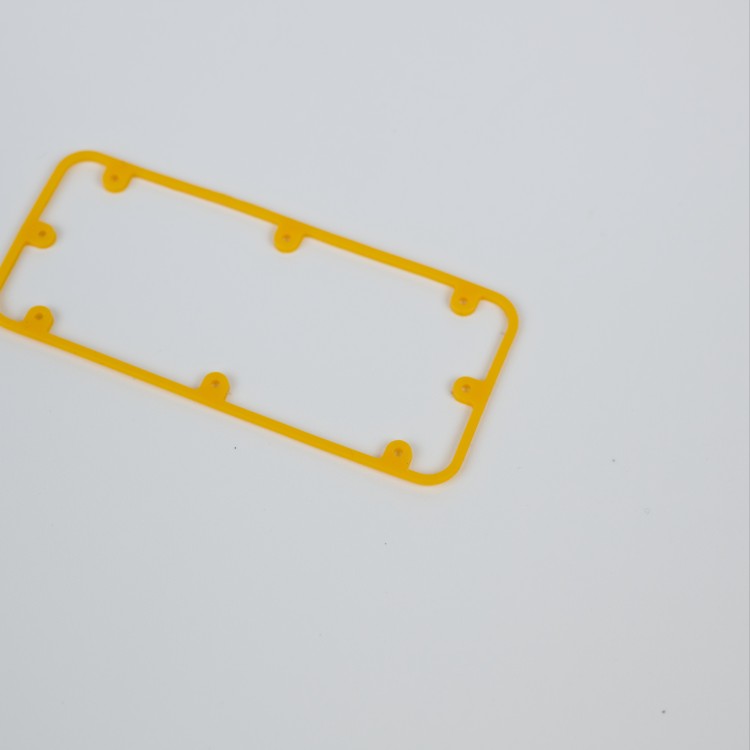
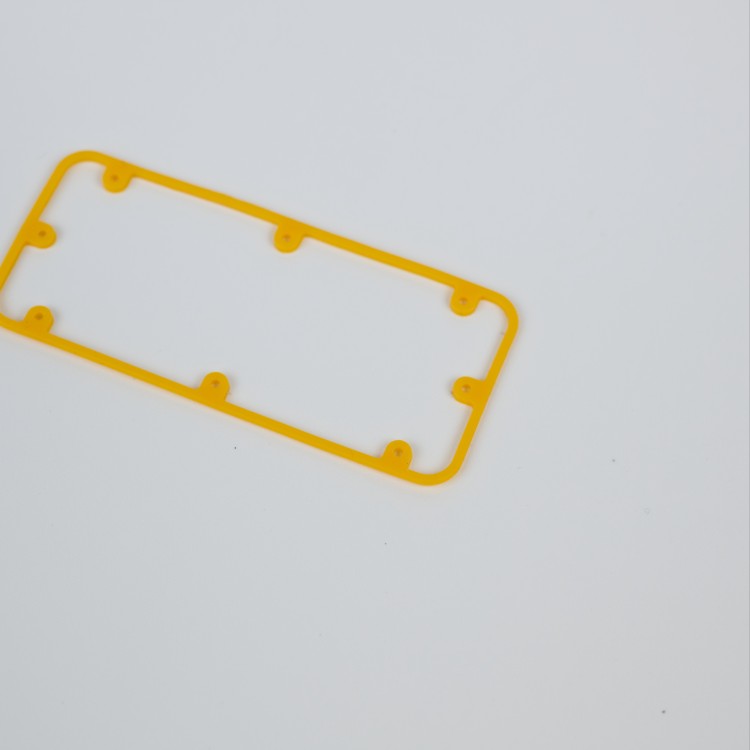
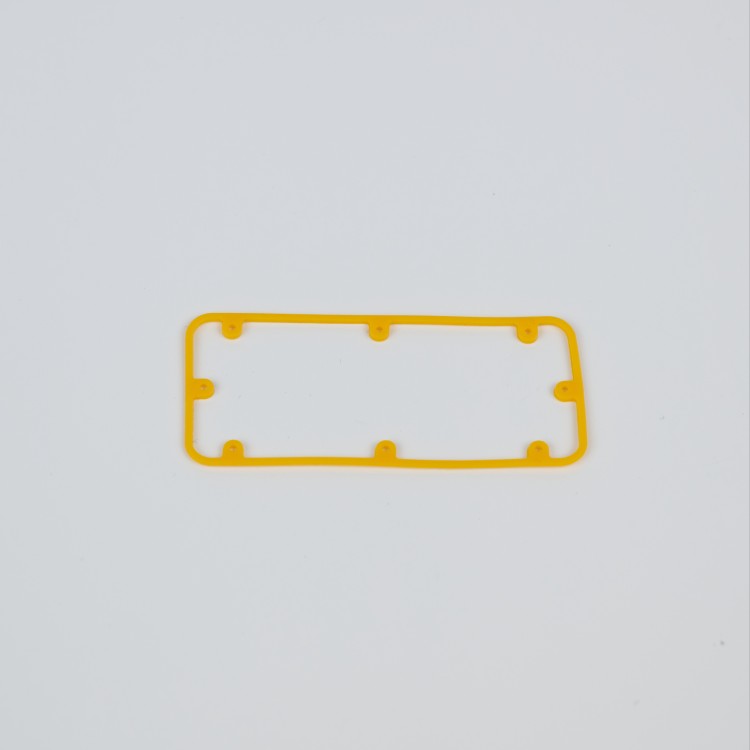
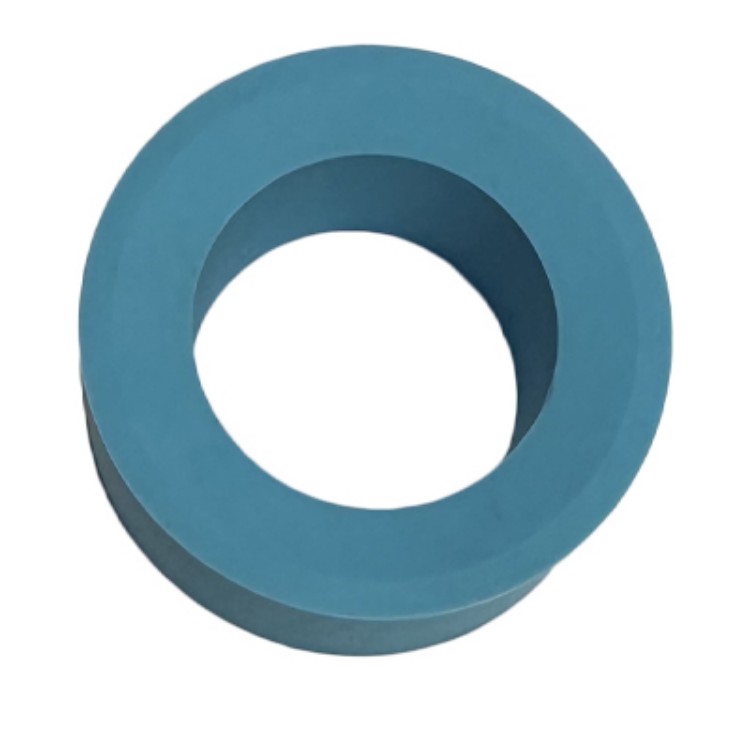
Low-temperature seals are elastic sealing elements specifically designed for extreme low-temperature environments, made from special rubber or polymer materials. They maintain elasticity and sealing properties within a temperature range of -100℃ to -50℃, and are widely used in fields such as liquefied gas storage, low-temperature industrial equipment, and polar scientific research equipment. Their core functions include:
Low-temperature elasticity retention: Prevent seal failure due to material brittleness or shrinkage.
Medium Isolation: Prevents leakage of liquid gases (such as liquid nitrogen, liquid oxygen) or low-temperature liquids.
II. Material and Structural Characteristics
Main Materials:
Silicone (SILICONE): Temperature resistance range -100℃ to 200℃, maintains high resilience at low temperatures, suitable for liquid nitrogen transmission pipeline sealing.
Fluorinated Rubber (FKM): Resists -40℃ to 200℃, combining low-temperature resistance and oil resistance; used for LNG valve seals.
EPDM rubber: Resistant to -50℃ to 150℃ temperatures, ozone-resistant, suitable for polar outdoor equipment sealing.
Hydrogenated Nitrile Rubber (HNBR): Withstanding temperatures from -50℃ to 150℃, exhibits excellent resistance to compression set at low temperatures, suitable for sealing in refrigeration compressors.
Structural Optimization:
Composite cross-section design: Enhances resistance to cold flow (cold deformation rate < 5%).
Surface Treatment: Utilizes plasma-sprayed silicon carbide coating to reduce friction coefficient (dynamic sealing resistance reduced by 30%).
Section 3: Application Scenarios
Energy Industry: LNG tank flange sealing, pipeline joint protection
Refrigeration Equipment: ultra-low temperature cold storage door seals, compressor shaft seals, withstanding -80℃ conditions.
Aerospace: Rocket fueling system sealing to prevent liquid oxygen leakage
Research Field: Polar research station equipment, vacuum sealing for superconducting magnet low-temperature containers.
IV. Performance Advantages
Low-temperature reliability:
Silicone rubber hardness change at -100℃ (Shore A) <10%, elasticity retention >85%.
HNBR has a compression set of less than 20% at -50℃ (ASTM D395 standard).
Medium Resistance:
Fluororubber exhibits excellent resistance to strong oxidizing media such as liquid oxygen and liquid nitrogen, with a swelling rate of less than 5%.
EPDM excels in resistance to ozone aging in low-temperature and humid environments (service life > 10 years).
Economic efficiency:
Standardized sizes (ISO 3601/AS 568A) reduce customization costs.
The maintenance cycle is extended to 2-3 times that of conventional rubber seals.