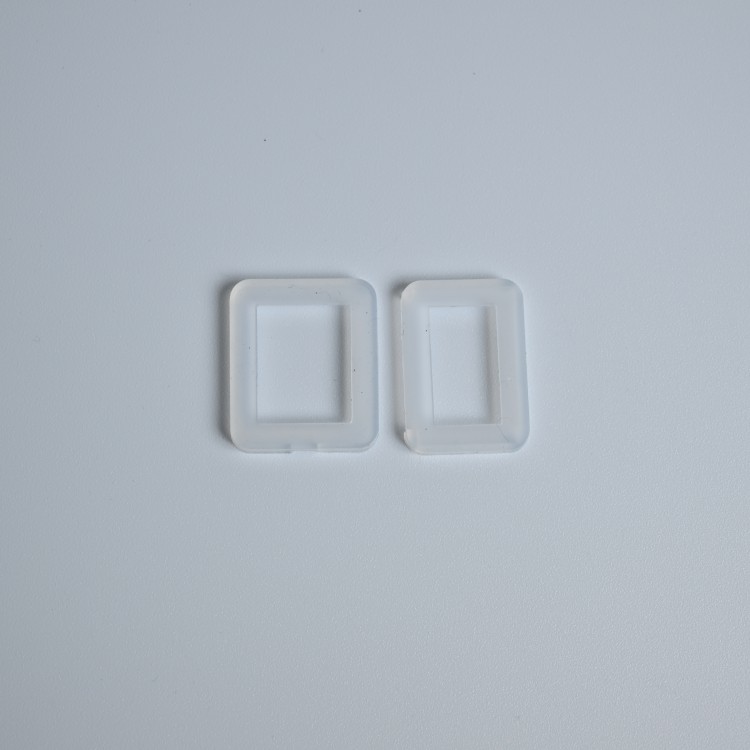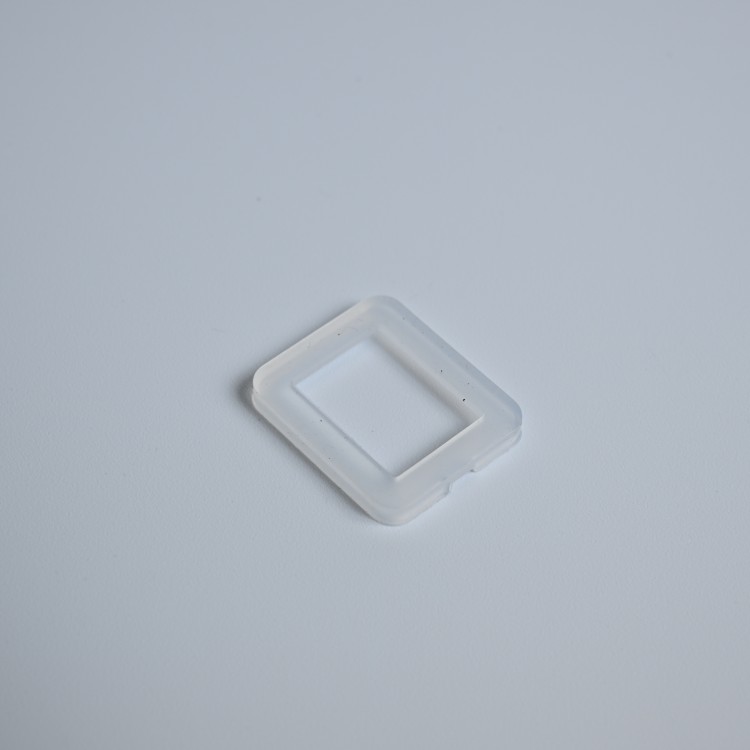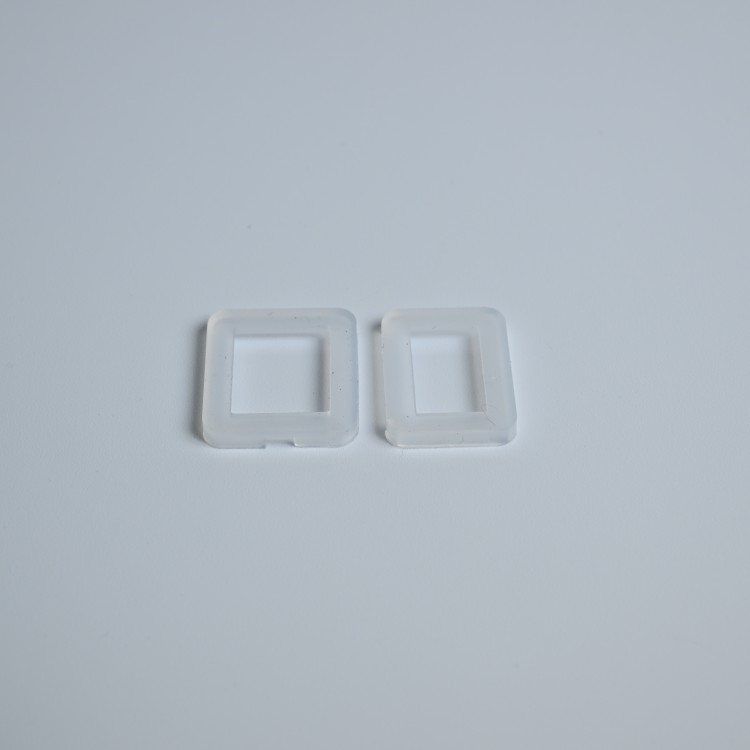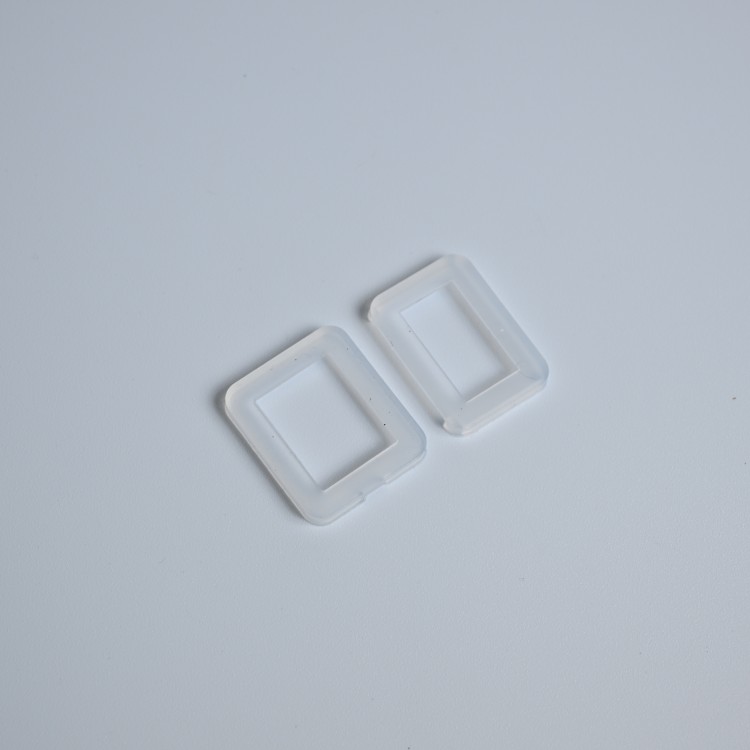



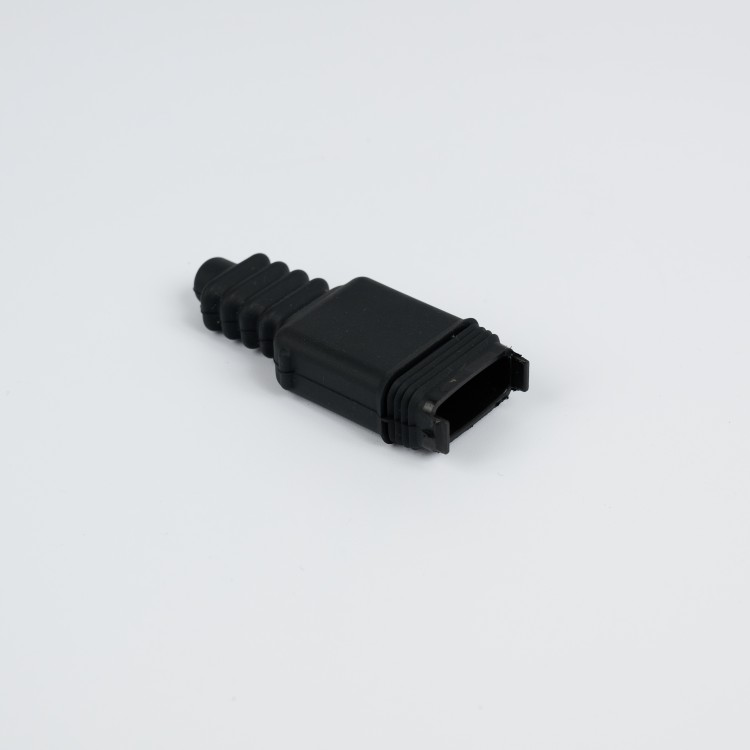
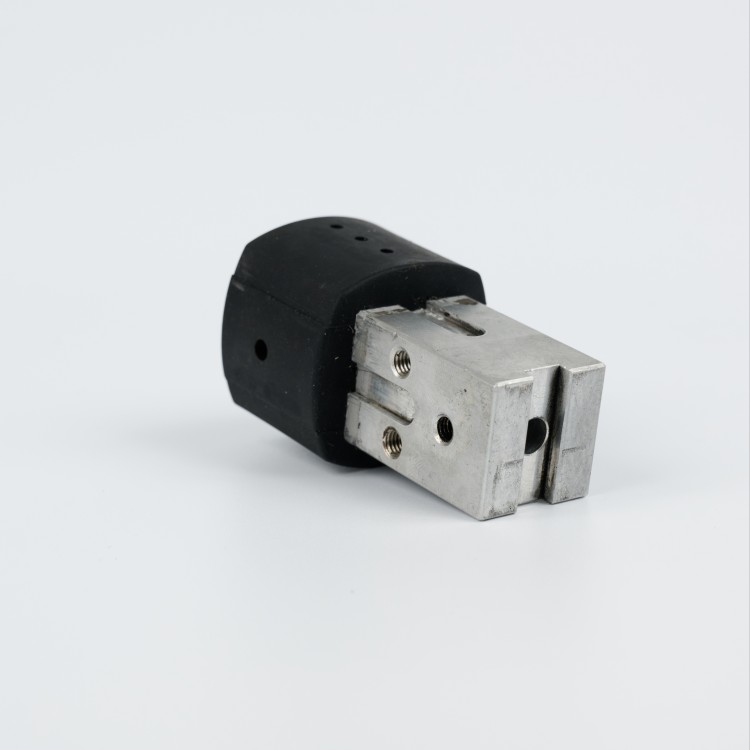






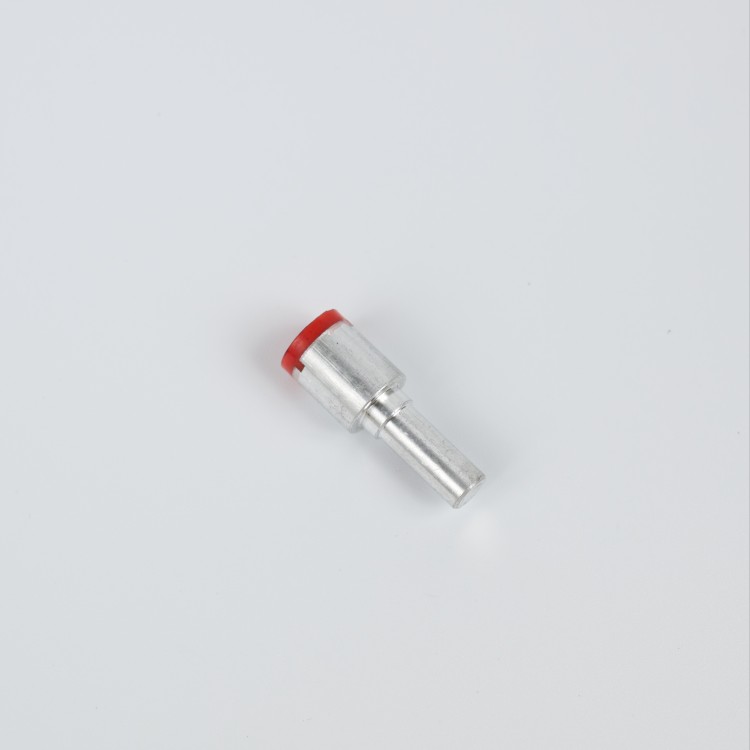
Comprehensive Analysis of Precision Sealing Rings
I. Definition and Core Functions
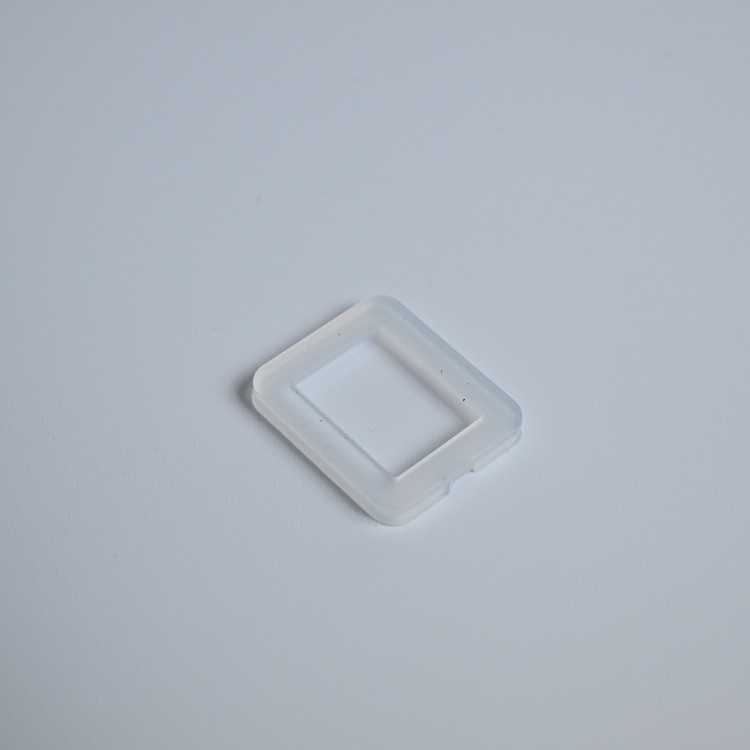
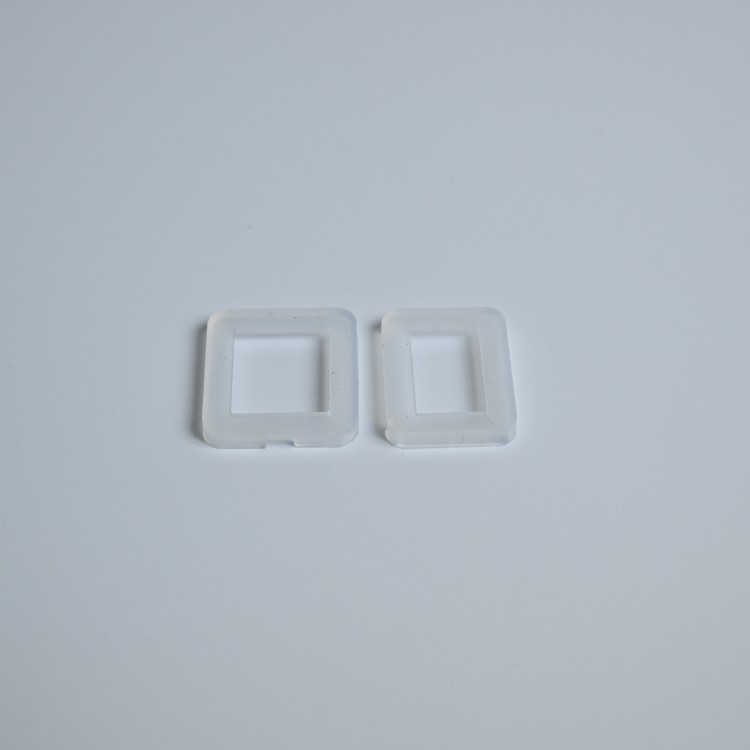
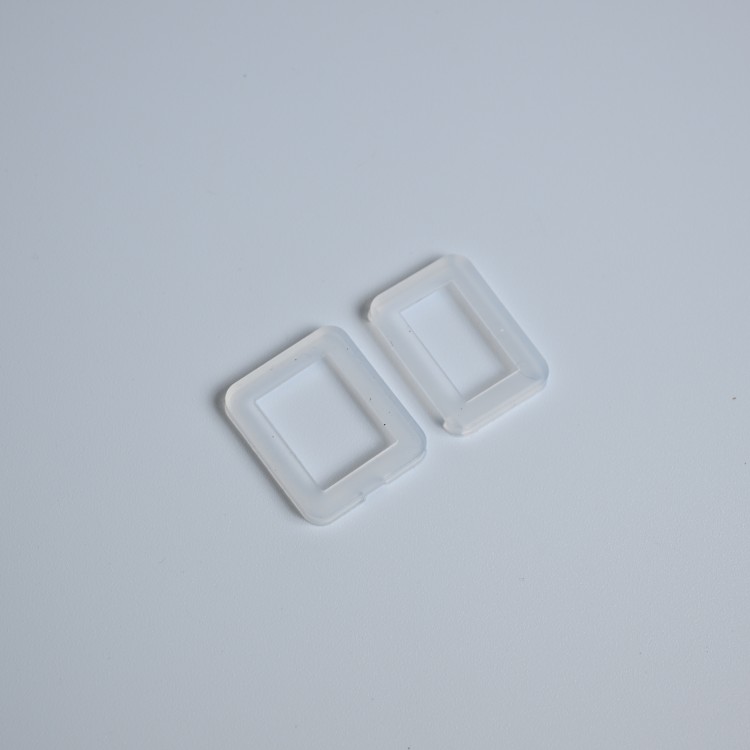
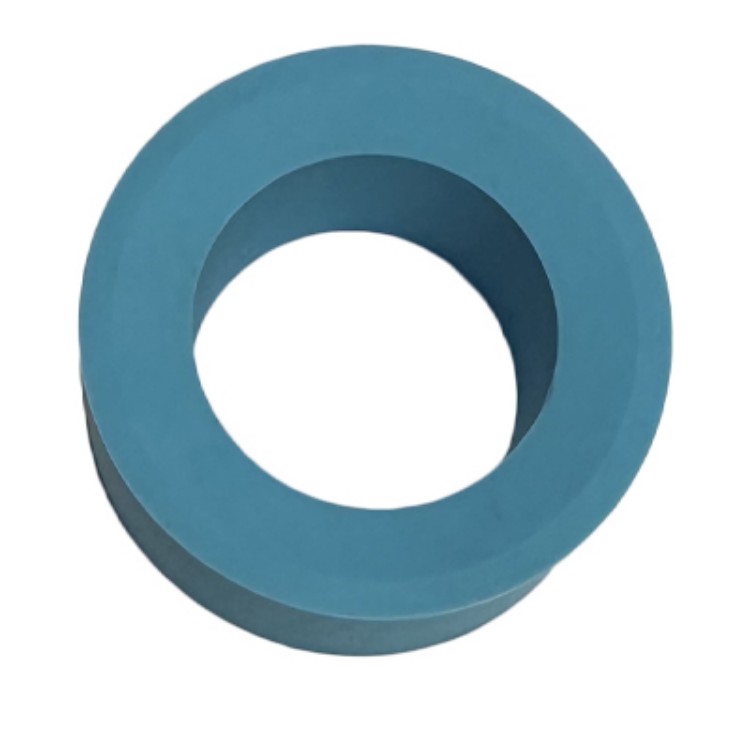
Precision sealing rings are annular sealing elements primarily made of silicone rubber, fluororubber, or thermoplastic elastomers (TPE), mainly used for sterile sealing and medium isolation in medical equipment, testing instruments, and interventional devices, ensuring the reliability and safety of medical devices in bodily fluids, pharmaceuticals, or gas environments. Their core functions include:
High precision sealing: Achieved through micron-level dimensional tolerance control (±0.05mm) for tight fit with metal/plastic components, preventing leakage and contamination.
Biocompatibility: Meets ISO 10993 biocompatibility standards to prevent allergic or toxic reactions in the human body.
II. Material and Structural Characteristics
Main Materials:
Silicone (SILICONE): Temperature range -50℃ to 200℃, suitable for high-temperature sterilization scenarios, widely used in surgical instrument seals and extracorporeal circulation pipeline interfaces.
FKM (Fluororubber): Resistant to strong acids, bases, and organic solvents, used for sealing in chemical detection instruments and dialysis equipment.
TPE: Offers both rubber elasticity and plastic processability, suitable for non-exudation sealing requirements for single-use consumables.
Structural Innovation:
Multi-layer composite structure: outer anti-bacterial coating + inner flexible substrate, reducing the risk of microbial adhesion.
Coated Sealing Ring: Surfaces coated with PTFE film to minimize drug adsorption and enhance lubricity.
Section 3: Application Scenarios
Medical Catheters: Interventional catheters, respiratory machine pipeline interfaces with sealing, withstand pressure fluctuations below 50kPa.
Testing Equipment: Liquid flow path sealing for biochemical analyzers and hemodialysis machines, resistant to corrosive media with pH 2-12.
Surgical Instruments: Waterproof sealing for endoscopes and electrocautery handles, meeting IP67 protection level.
Equipment: Freeze-dryers, sterile sealing of filling systems, compliant with GMP cleanroom standards.
IV. Performance Advantages
Safety Standards:
Certified to FDA 21 CFR 177.2600, suitable for contact with human tissues and blood products.
Surface roughness Ra≤0.8μm, reduces the risk of bacterial growth.
Environmental Adaptability:
Silicone O-rings are reusable over 1000 cycles under steam sterilization conditions at 134℃.
Fluororubber exhibits superior chemical resistance over conventional rubber, capable of withstanding immersion in a 30% hydrogen peroxide solution.
Economic Efficiency
TPE material injection molding efficiency is 50% higher than rubber vulcanization process, suitable for mass production.
Service life of 5 years or more (under normal medical equipment conditions), maintenance cost lower than metal seals.