









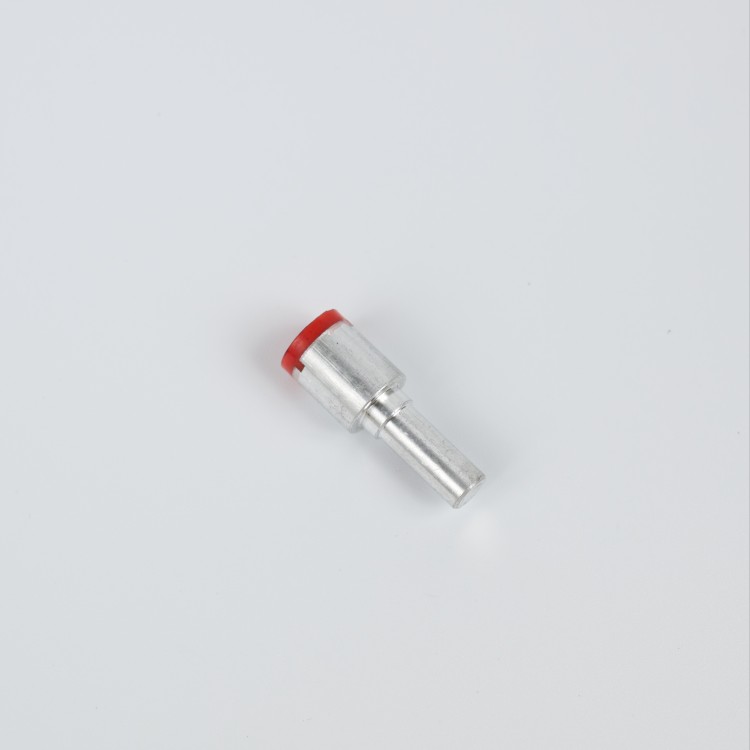
Comprehensive Analysis of Pipe Fitting Rubber Seals
I. Definition and Core Functions
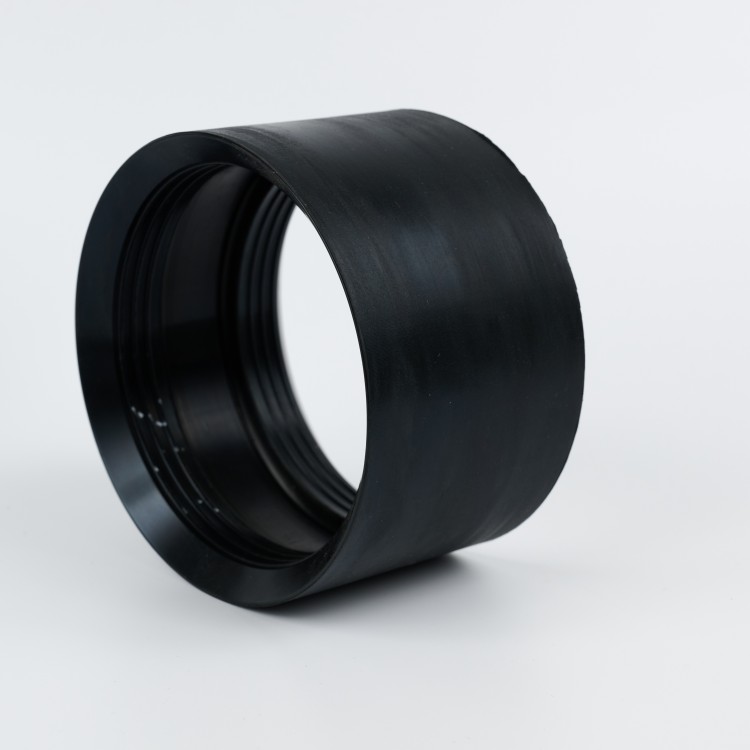
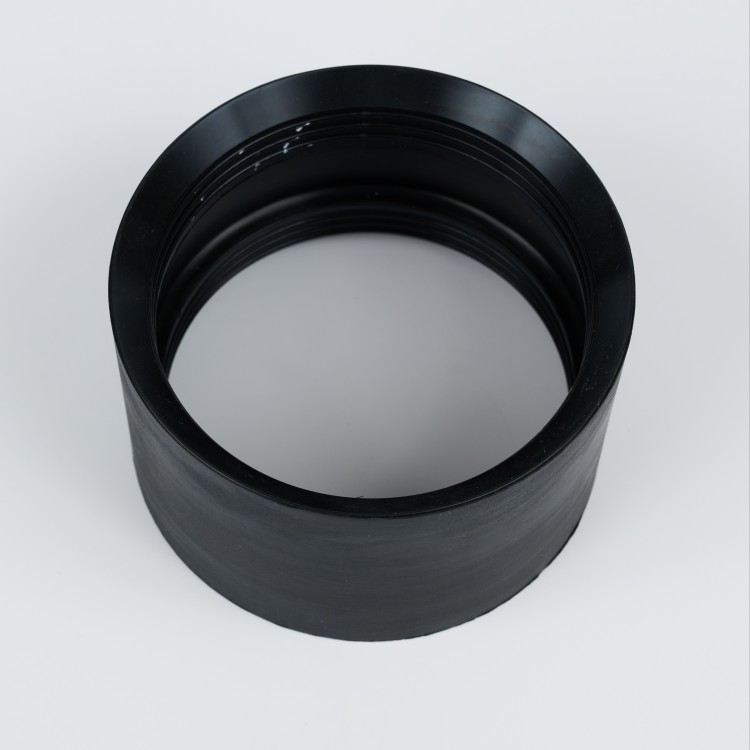
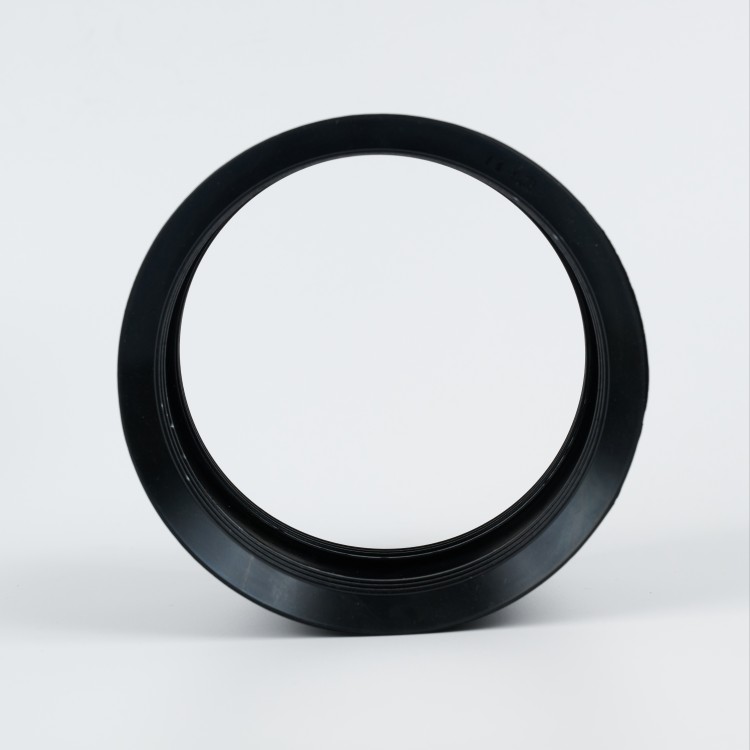
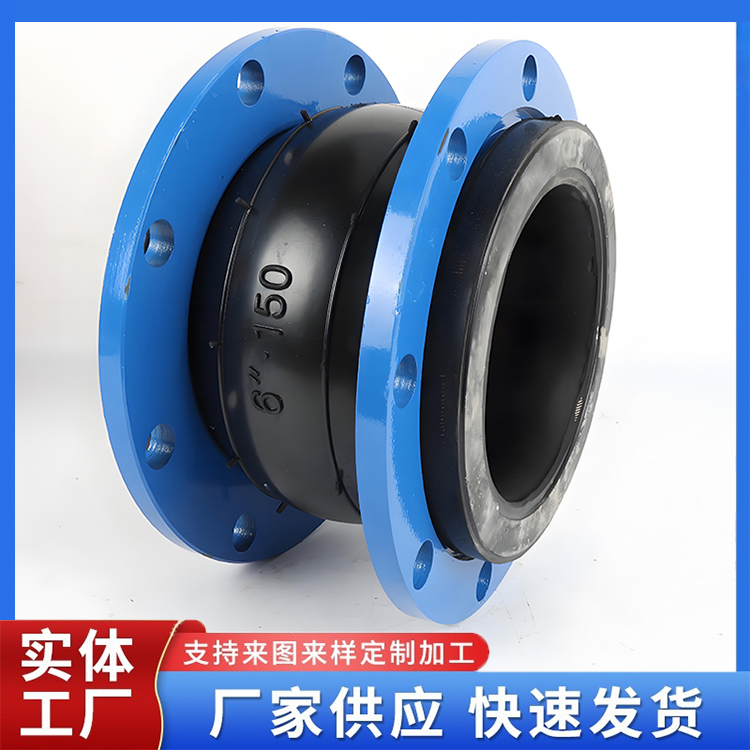
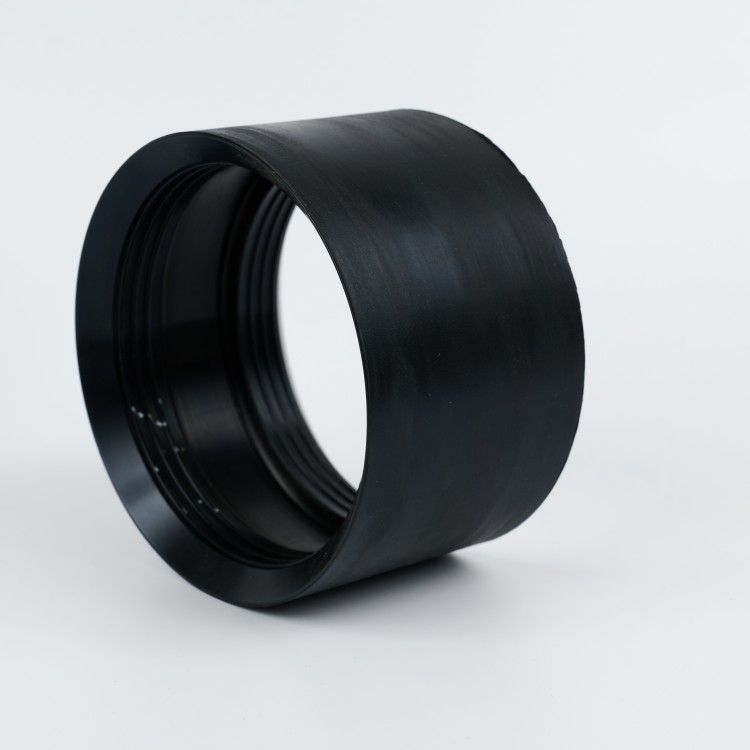
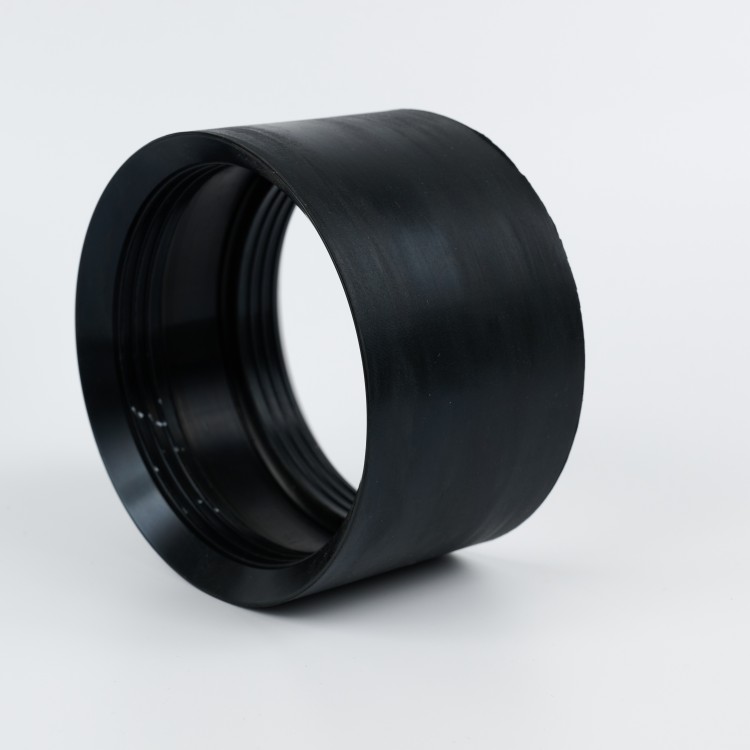
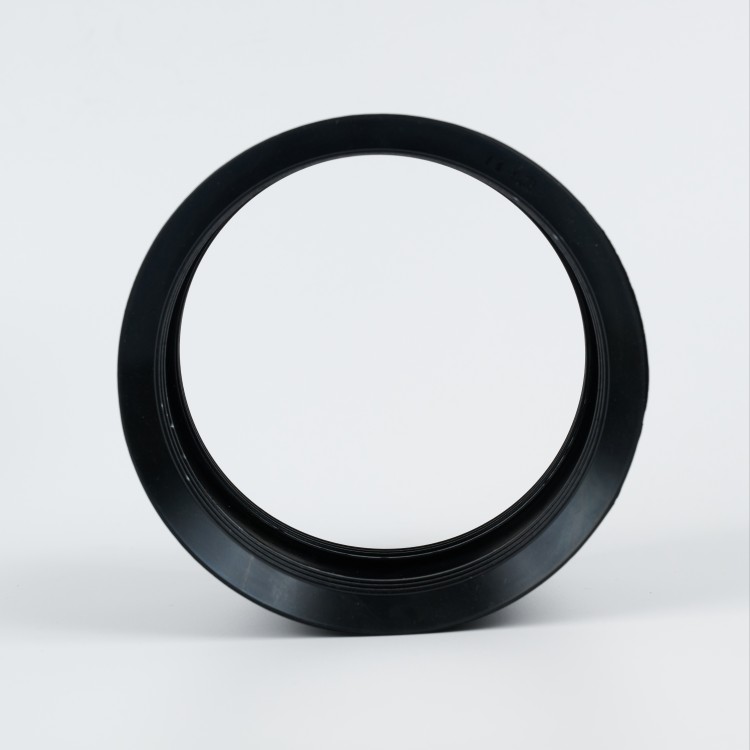
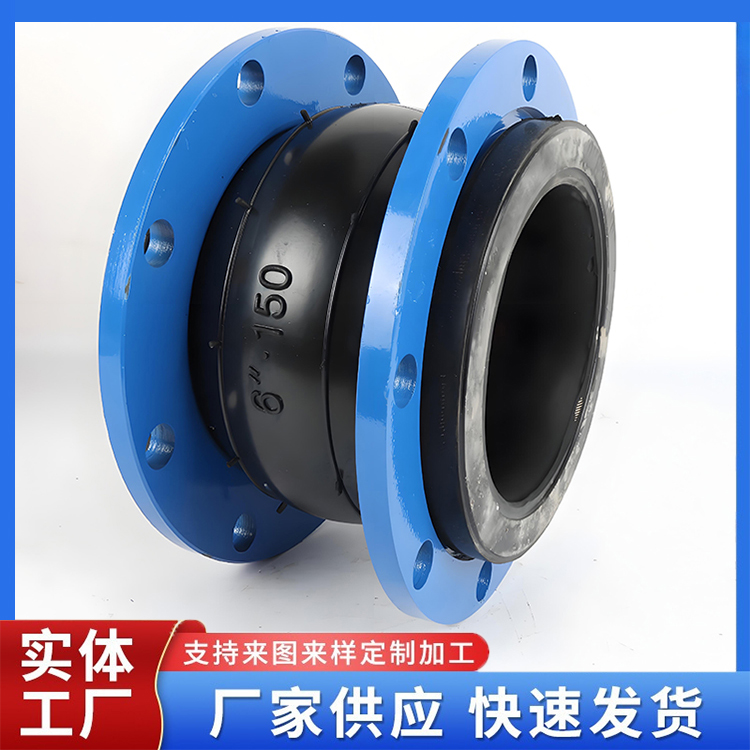
Pipe joint rubber seals are annular sealing elements made ofelastic rubber materials(such as nitrile rubber, fluororubber,三元乙丙橡胶, etc.), primarily used forleak prevention, vibration resistance, and medium isolationat pipe connection points, ensuring stable transmission of fluids(such as water, oil, gases) under complex operating conditions. Their core functions include:
Elastic Sealing: Fills joint gaps through compression deformation to prevent liquid or gas leakage.
Buffering and shock absorption: Absorbs impact forces caused by pressure fluctuations or mechanical vibrations in pipelines, reducing the risk of wear on connected components.
II. Material and Structure Classification
Main Materials:
Nitrile Rubber (NBR): Excellent oil resistance, suitable for petroleum-based hydraulic fluids, fuels, etc., operating temperature range of -40℃ to 120℃.
FKM Fluororubber: Resistant to strong acids, bases, and high temperatures (up to 250°C); suitable for chemical pipeline and high-temperature steam systems.
EPDM rubber: Notable for its ozone and aging resistance, widely used in water and gas pipelines, with a service life of over 70 years.
Structure Type:
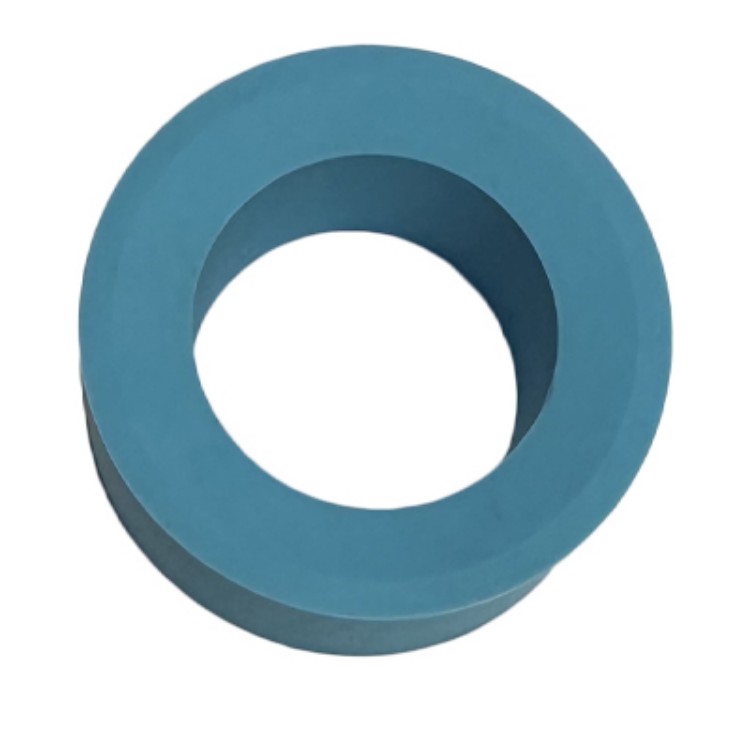
O-rings: Circular cross-section, suitable for static and low-pressure dynamic sealing applications (such as flange connections), easy to install and cost-effective.
Y/V Seal: Axial sealing design, enhanced high-pressure sealing through lip elasticity, suitable for hydraulic systems and reciprocating motion pipe joints.
Composite multi-layer sealing sleeve: outer wear-resistant rubber + inner elastic support ring, enhancing the anti-extrusion capability under high-pressure conditions.
Section 3: Application Scenarios
Civil Engineering: Water supply and drainage pipelines, gas pipeline joint sealing to prevent leakage and adapt to ground settlement deformation.
Petroleum & Chemical Industry: pipeline and reactor fitting seals for corrosion-resistant media and high-temperature, high-pressure environments
Mechanical Hydraulics: Cylinder, pump valves, and接头 seals ensure pressure stability in the oil circuit system.
Food & Pharmaceuticals: Sanitary silicone O-rings for clean fluid conveyance pipelines, compliant with FDA certification standards.
Four. Performance Advantages
Sealing Reliability:
O-rings can withstand a pressure of up to 1500 kg/cm² in static sealing (when used with reinforcing rings) and have a dynamic sealing lifespan significantly longer than conventional rubber products.
The Y-type gasket compensates for the tolerance deviations of pipe joints (angle error ≤ 3°) through its lip-adaptive design.
Environmental Adaptability:
Excellent resistance to chemical corrosion, capable of withstanding attacks from strong acids, alkalis, and organic solvents.
EPDM rubber maintains elasticity from -40℃ to 130℃, suitable for extreme temperature conditions.
Economic efficiency:
Standardized size design (such as ISO 3601 standard) reduces customization costs and offers high interchangeability.
Service life up to 5-10 years (under normal operating conditions), with maintenance costs lower than metal sealing components.