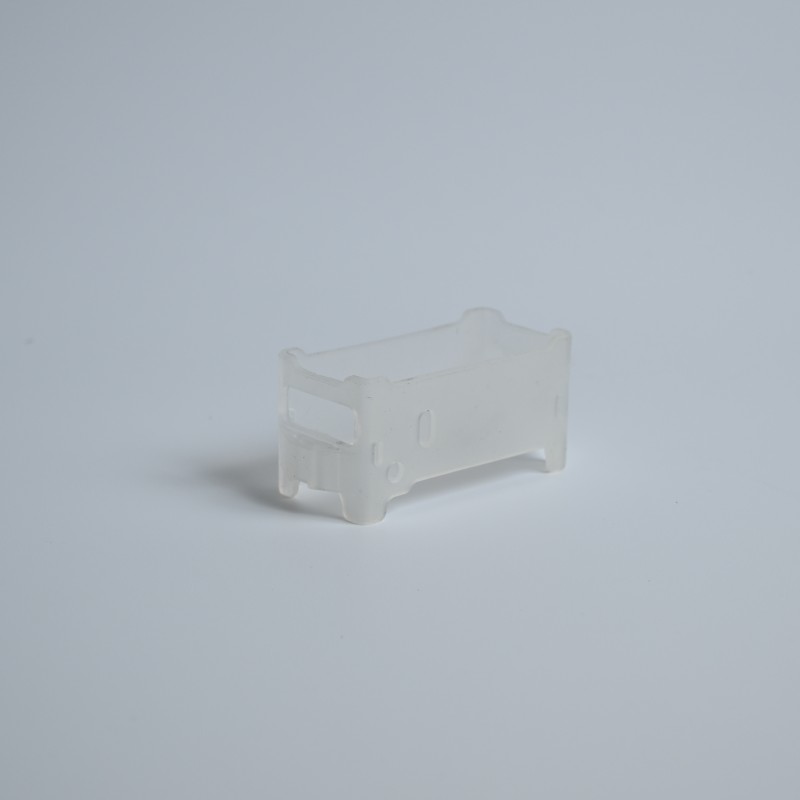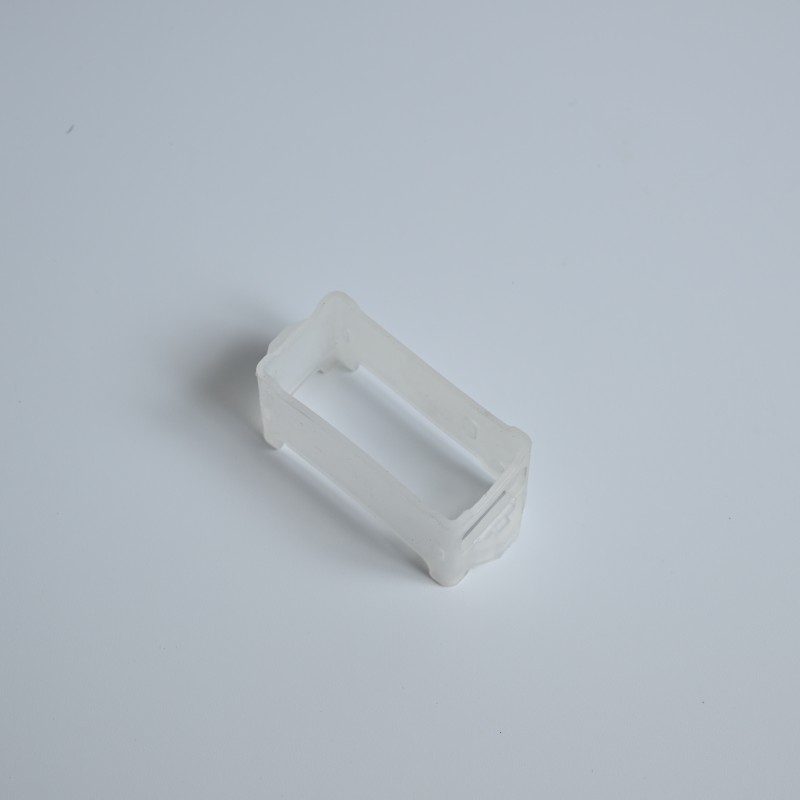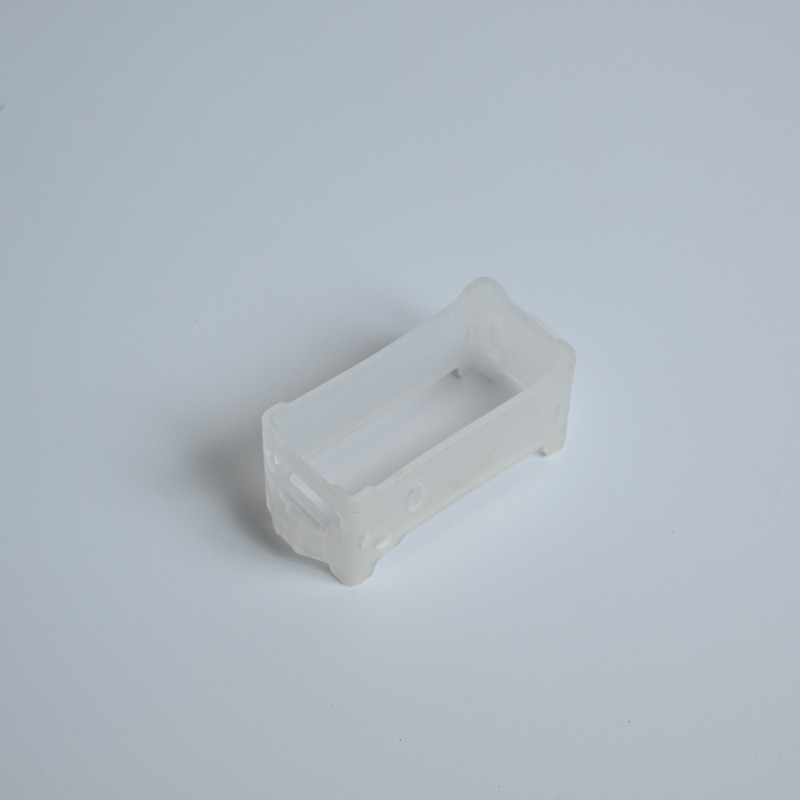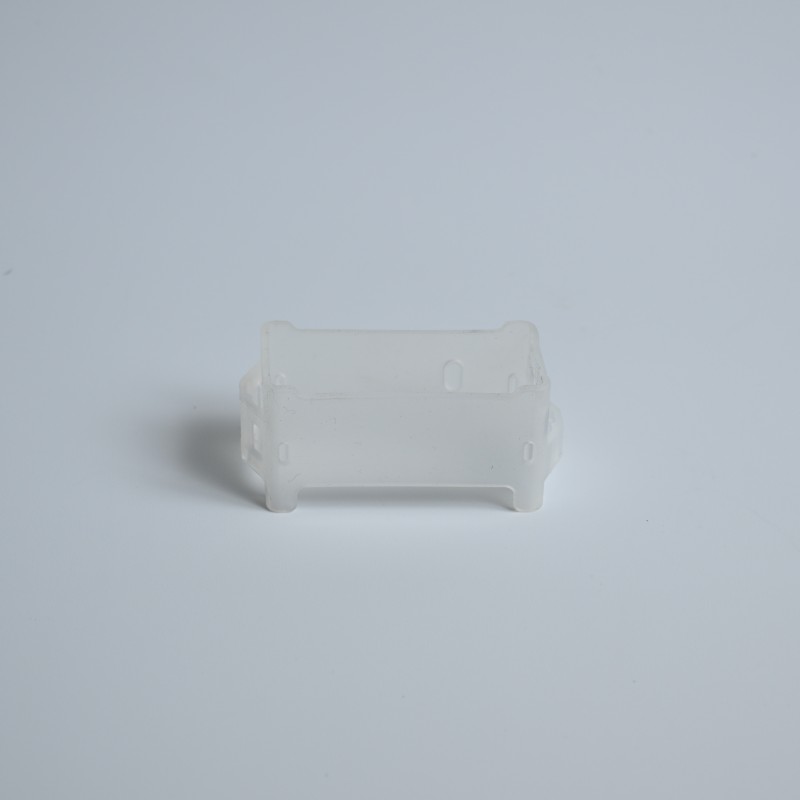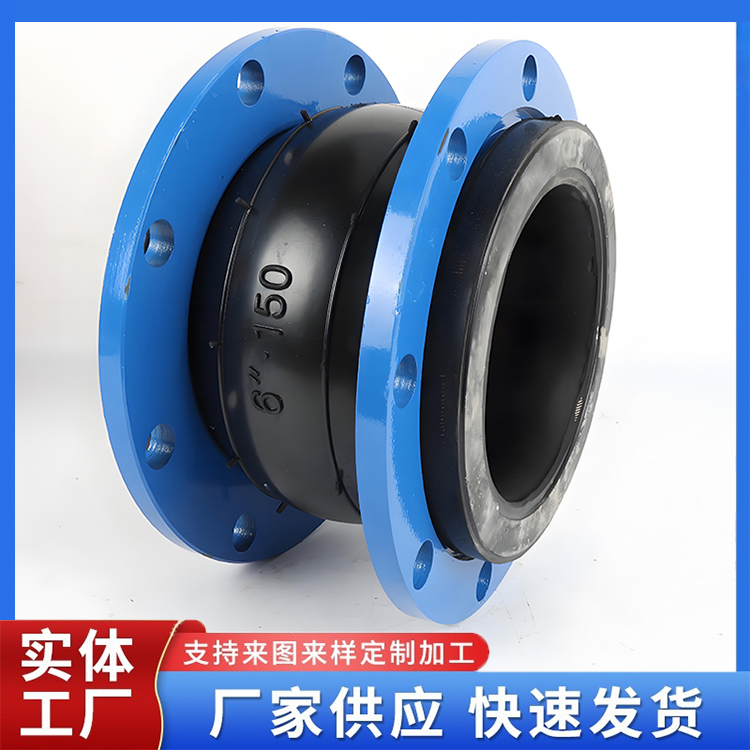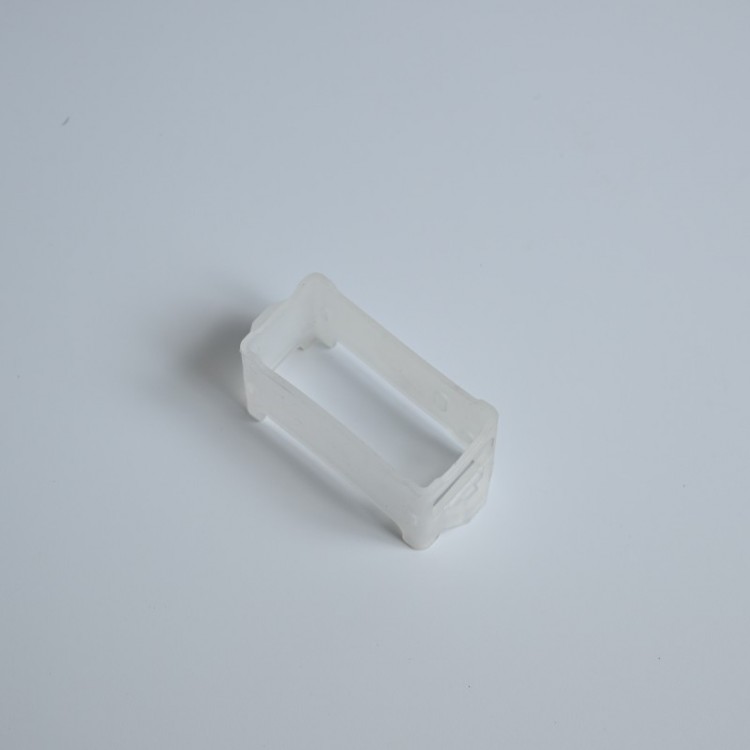

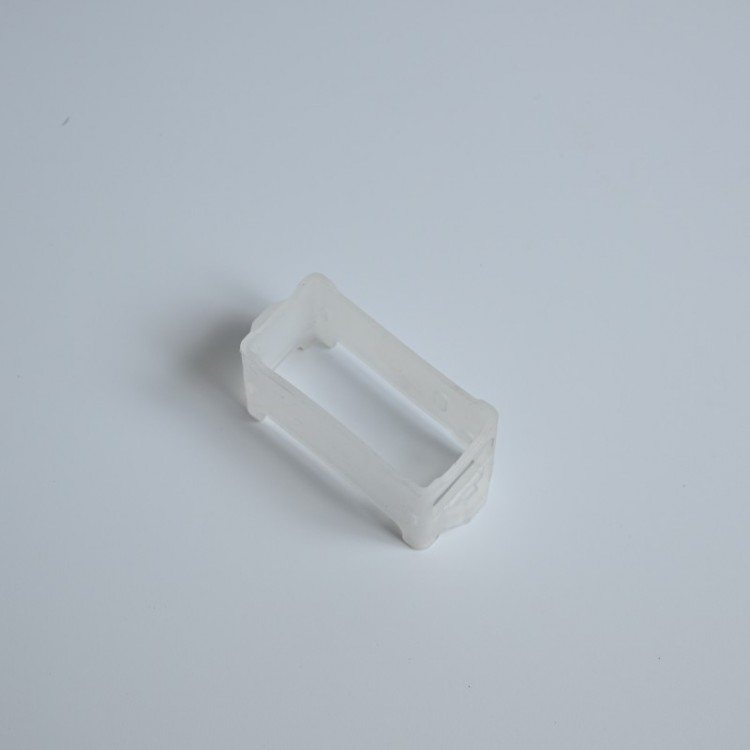
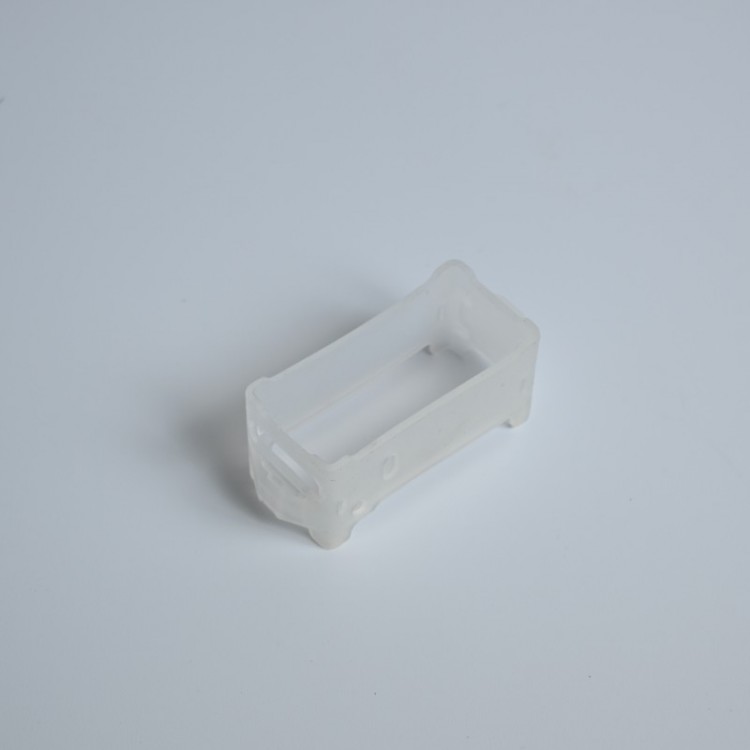
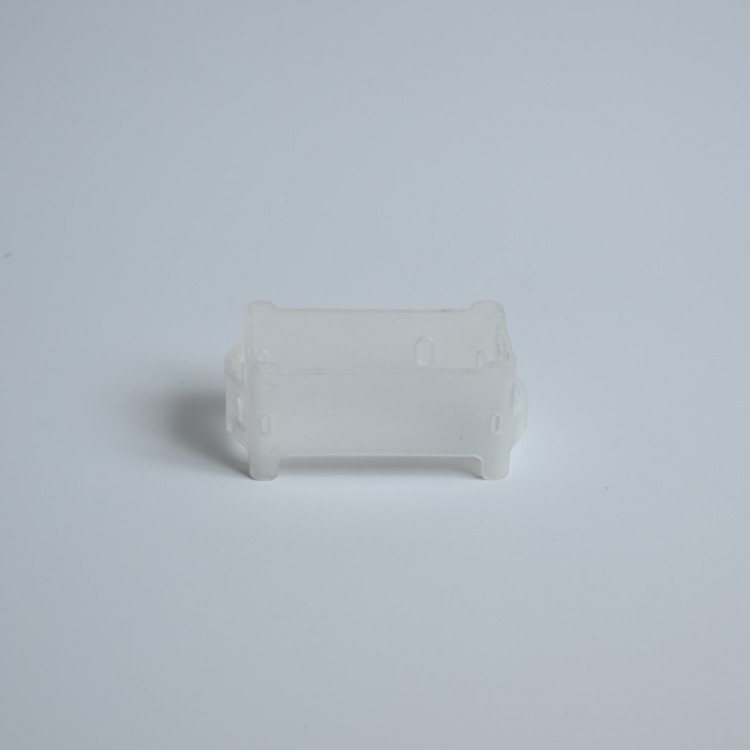


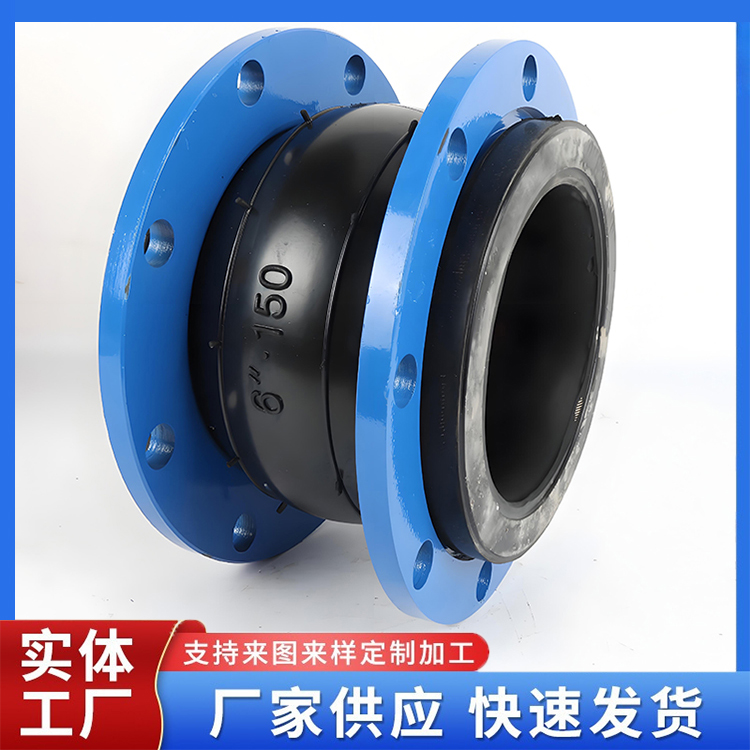
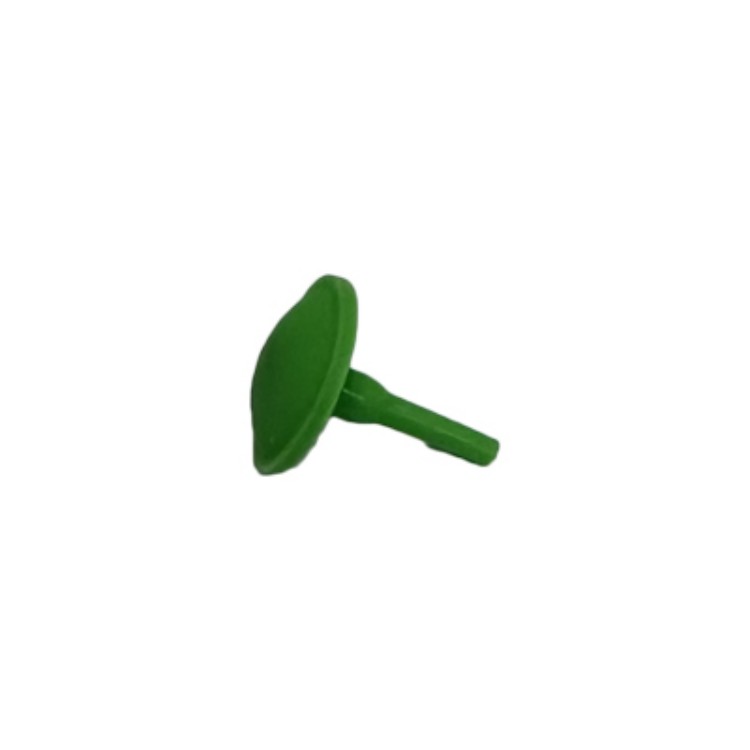
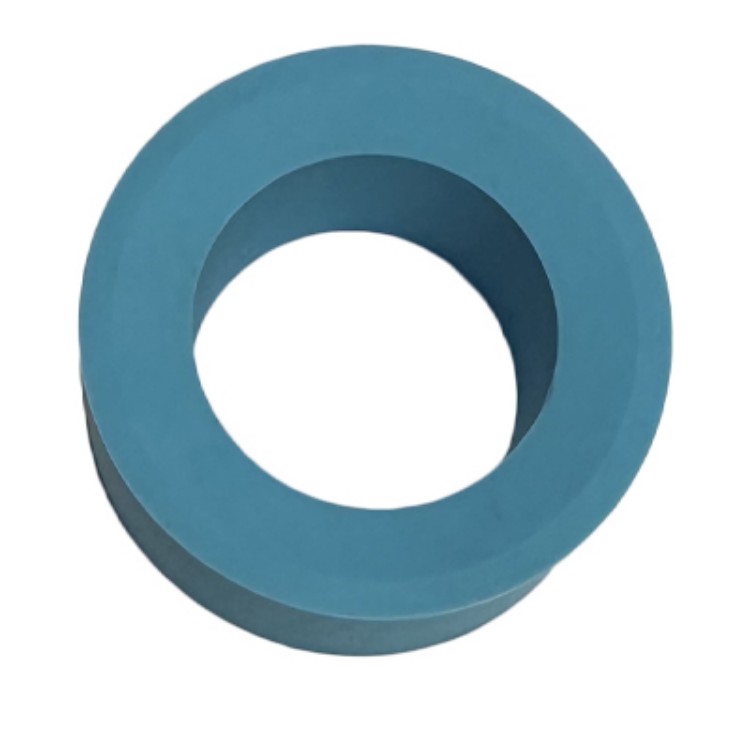
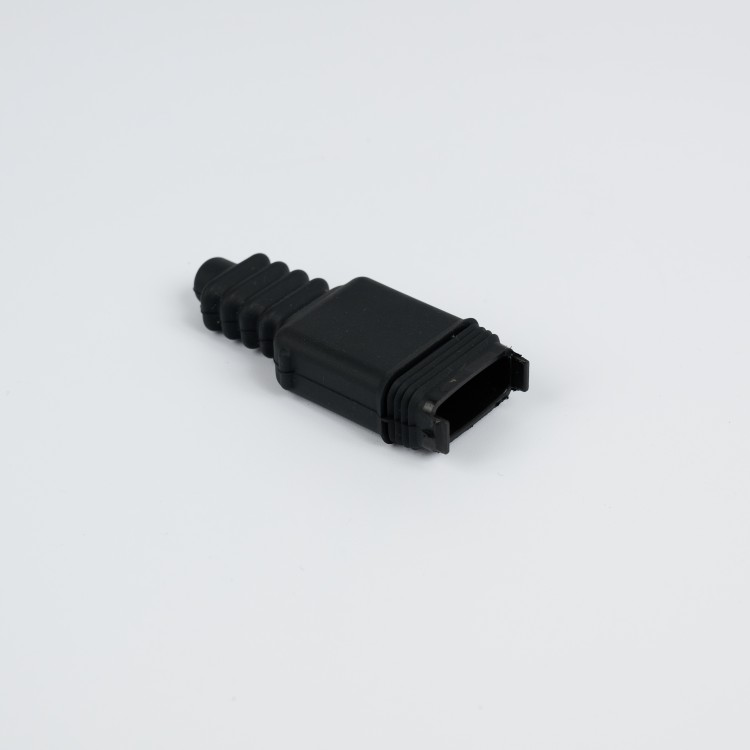
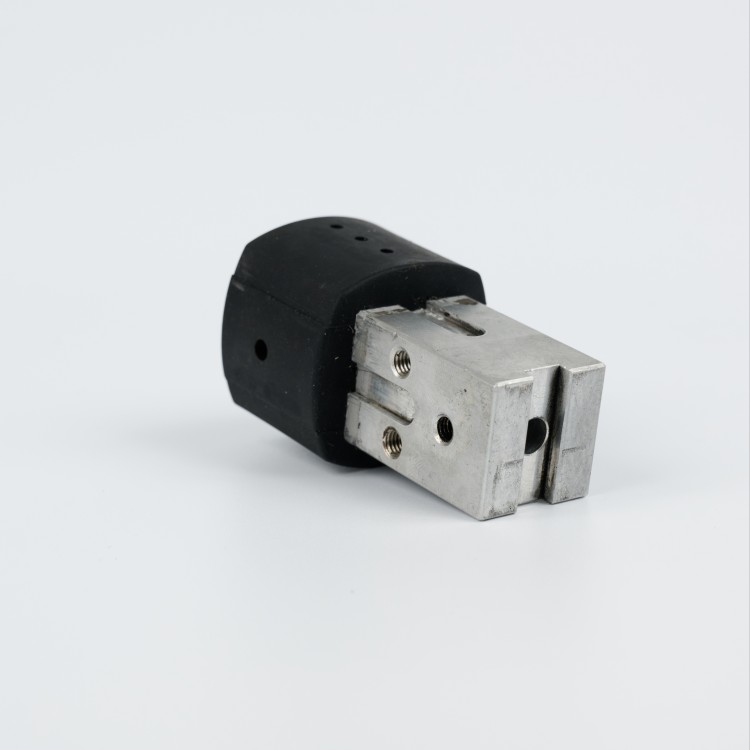






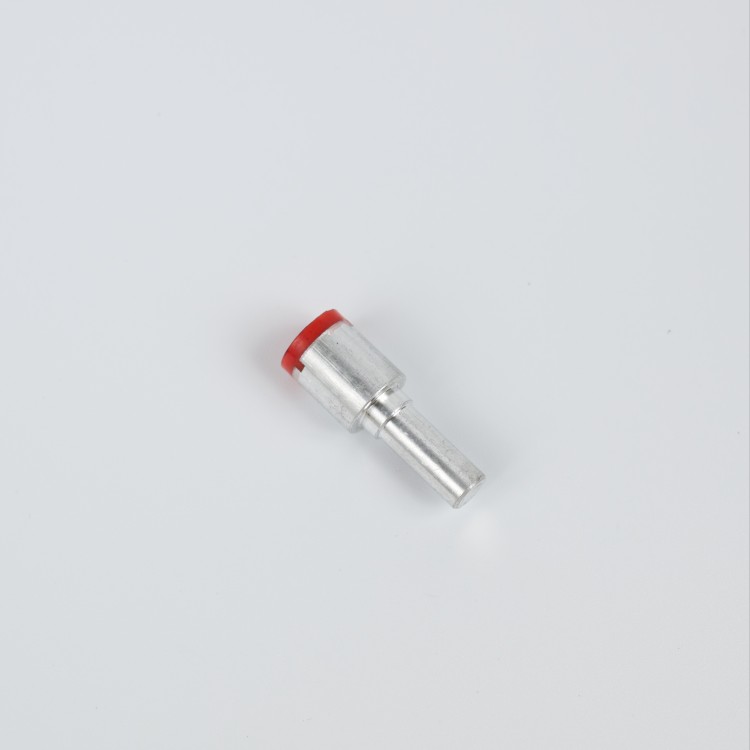
High-tear-resistant sealing components are sealing elements with high-intensity tear resistance, widely used in various situations requiring sealing and protection. The following is a detailed introduction to high-tear-resistant sealing components:
I. Definition and Characteristics
Definition: High-tear-resistant sealing parts refer to sealing elements made from special materials or processes, boasting excellent tear resistance and the ability to withstand significant external forces without easy damage.
Features:
High Tenacity Tear Resistance: This is a notable feature of high-tear-resistant seals, capable of maintaining structural integrity under external forces and is not prone to tearing.
Good wear resistance: High tear-resistant seals usually also offer excellent wear resistance, maintaining stable performance over extended periods of use.
Corrosion-resistant: Some high-tear-resistant seals are made from special materials, capable of withstanding chemical erosion, suitable for harsh environments.
Good elasticity: High tear-resistant seals generally have good elasticity, allowing them to accommodate various shapes and sizes of sealing requirements.
Section II: Material and Craftsmanship
Material: The materials for high-tear-strength sealing components are diverse, including silicone rubber,三元乙丙橡胶, polyurethane, and more. These materials possess excellent physical and chemical properties, meeting sealing requirements for various applications.
Process: The manufacturing process of high-tear-resistance seals typically includes material selection, formula design, blending, molding, and curing. Through reasonable formula design and advanced manufacturing techniques, high-tear-resistance seals with excellent performance can be produced.
Section 3: Application Scenarios
High-tensile tear-resistant seals are widely used in various situations requiring sealing and protection, such as:
Transportation: Sealed components required in braking systems, fuel systems, cooling systems, etc., for vehicles such as cars, trains, and planes.
Electronics: Battery covers, speakers, buttons, and other sealed parts for electronic products such as TVs, computers, and smartphones.
Machinery Manufacturing: Sealed components for hydraulic systems, pneumatic systems, and lubrication systems in various machine tools and mechanical equipment.
Chemical Industry: Sealing components such as pipes, valves, and pumps in chemical equipment, as well as the sealing of containers like storage tanks and reactors.
Medical: Sealed components in medical devices such as catheters and drainage tubes, as well as sealing and protection for medical equipment.
IV. Advantages and Features
Enhanced Sealing Performance: High-tear-resistant sealing parts boast excellent sealing properties, effectively preventing the leakage of liquids, gases, and other mediums.
Extend Service Life: The high tear-resistant seals feature strong tear resistance, making them less prone to damage during use and thereby extending the lifespan of the equipment.
High-tensile tear-resistant sealing parts are adaptable to various shapes and sizes of sealing requirements, with broad applicability.
Cost Reduction: Utilizing high-tear-resistant sealing components can minimize equipment failures and maintenance costs resulting from seal failures, thereby lowering overall operational expenses.
V. Cautionary Notes and Maintenance
Installation Precautions: When installing high-tear-resistant seals, ensure the seal size and shape match the sealing area to avoid gaps that are too large or too small. Also, pay attention to the direction and position of the seal to ensure proper sealing.
Maintenance Methods: Regularly inspect and maintain high-tear-resistant sealing components, promptly replace any damaged or aged seals. Additionally, keep the sealing area clean and dry to prevent contamination and moisture from damaging the seals.
In summary, the high-tear-resistant seal is a sealing element with excellent tear resistance, widely used in various situations requiring sealing and protection. It boasts superior physical and chemical properties, wide applicability, good sealing performance, and a long service life. During use, attention should be paid to installation and maintenance methods to ensure its stable and enduring performance.