








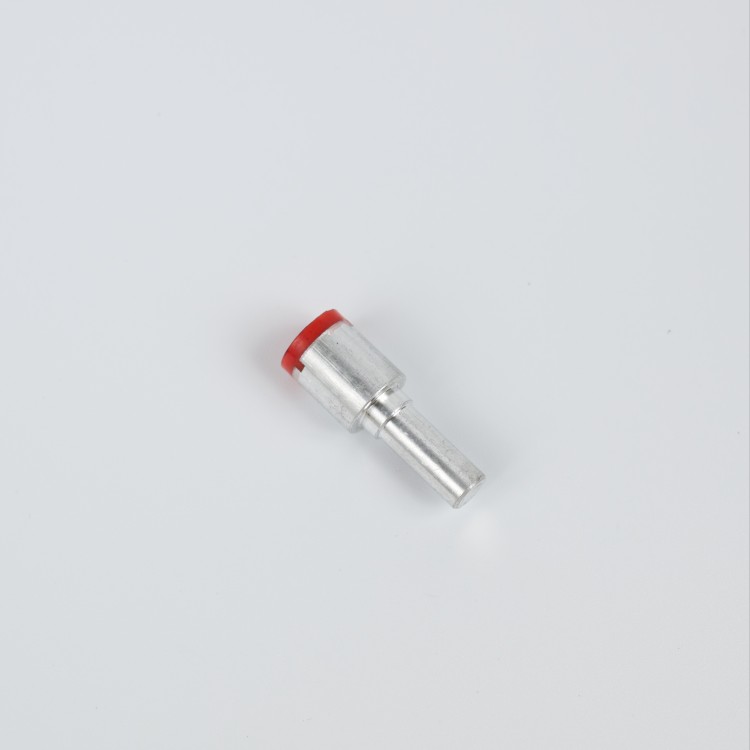
Comprehensive Analysis of Rubber Stopper
I. Definition and Core Functions
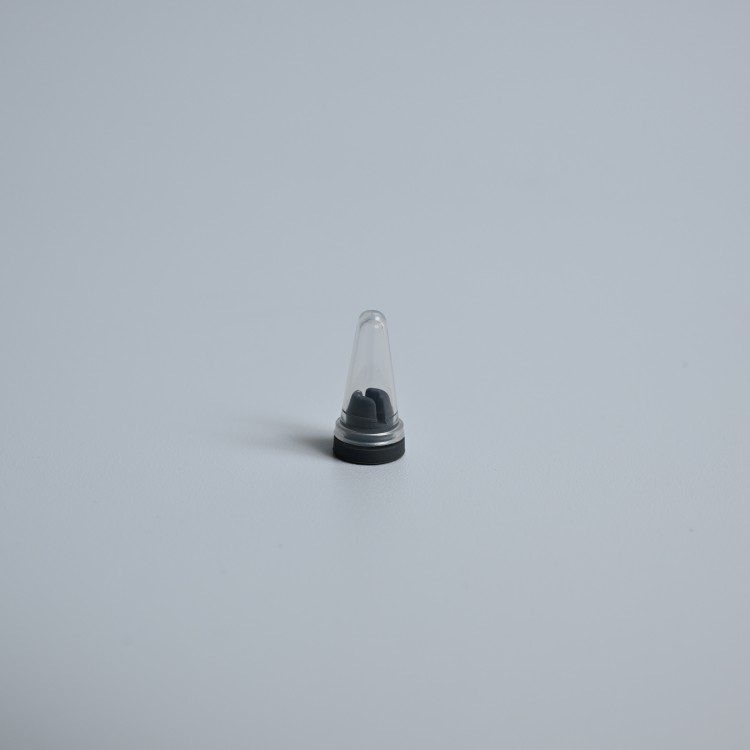
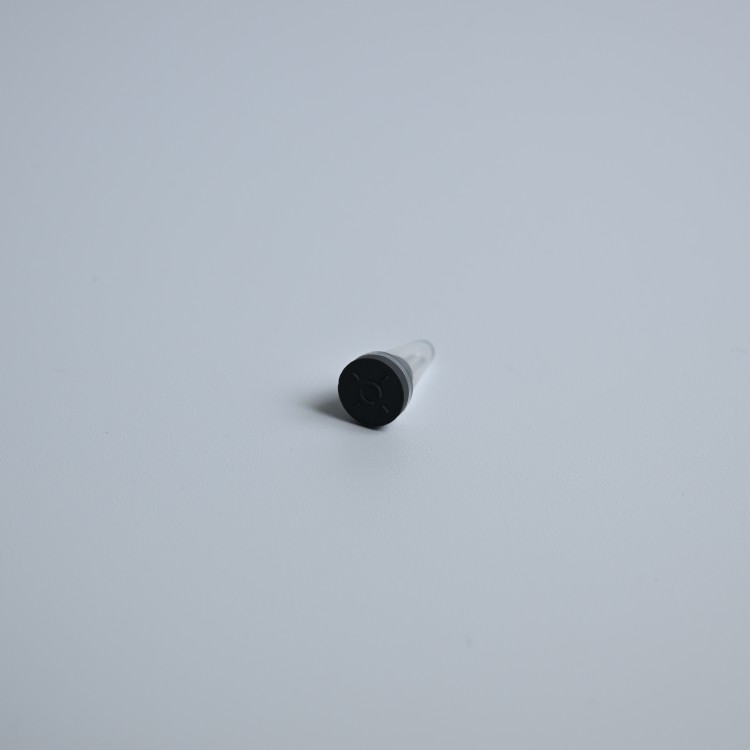
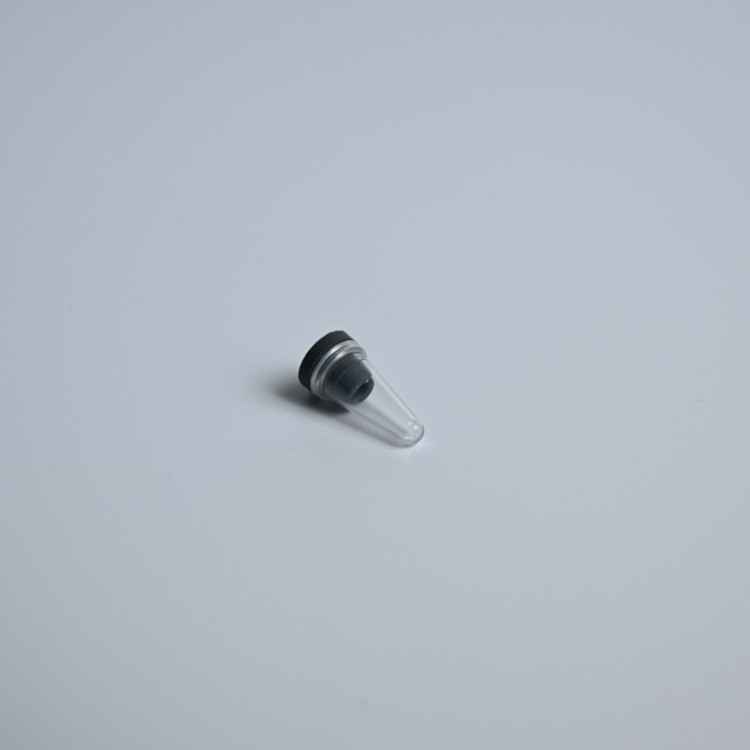
Rubber stoppers are sealing elements primarily composed of rubber or thermoplastic elastomers (TPE), mainly used for sterile sealing and medium isolation in medical devices such as medicine bottles and infusion containers, ensuring stability and safety during the storage and transportation of pharmaceuticals. Their core functions include:
Airtight Protection: Sealed through elastic deformation, preventing gas, liquid leakage and microbial contamination.
Chemical Inertness: Prevents adsorption, penetration, or chemical reactions with pharmaceuticals, ensuring drug efficacy and clarity.
II. Materials and Categories
Main Materials:
Butyl rubber (IIR): Over 70% market share, widely used in antibiotic bottles, vaccine bottles, etc., due to its excellent airtightness (permeability coefficient is only 1/20 of natural rubber) and strong resistance to chemical corrosion.
Natural Rubber (NR): High elasticity but poor chemical stability, gradually being replaced.
Thermoplastic Elastomers (TPE): A new material that does not require vulcanization, has no extractables, and is recyclable, suitable for pistons, large fluid pad gaskets, and other applications with high cleanliness requirements.
Structure Category:
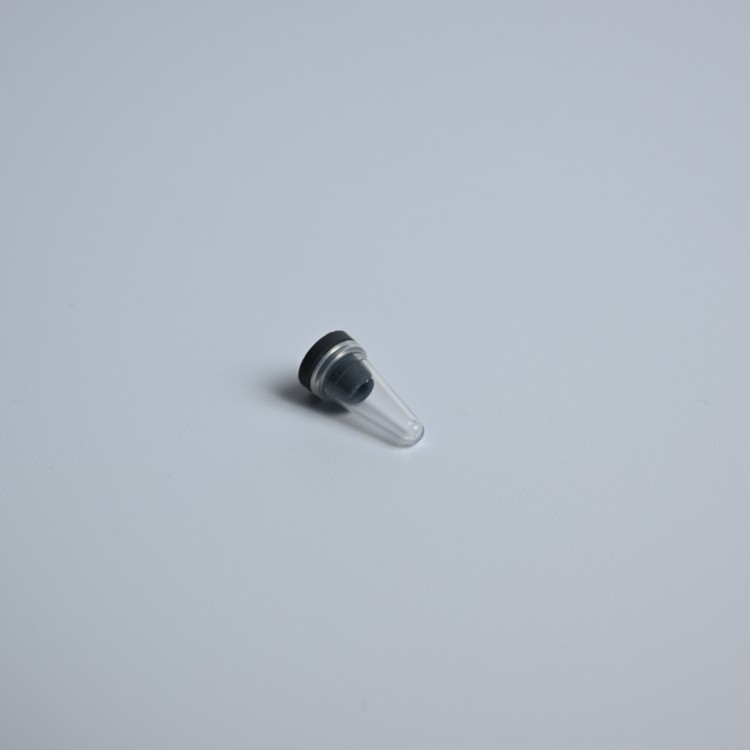
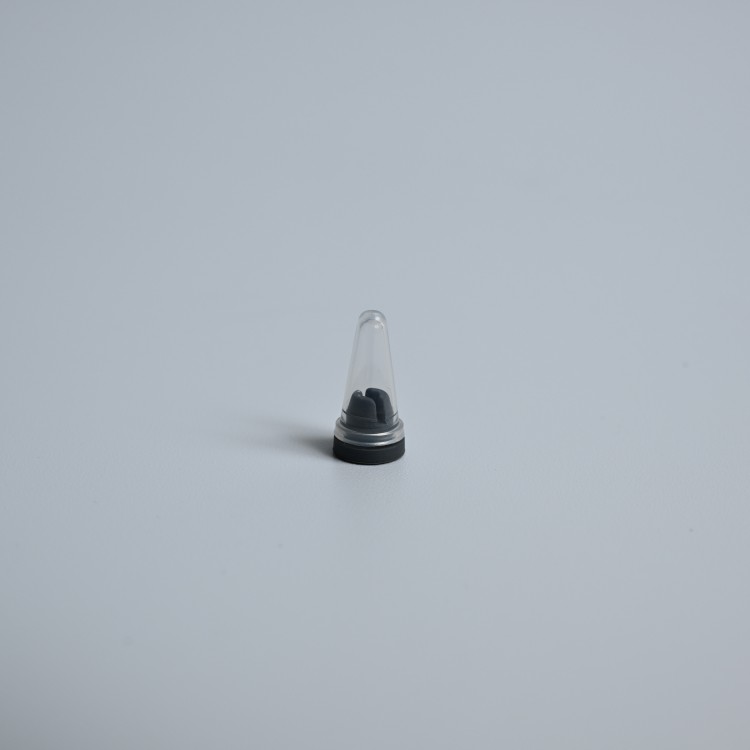
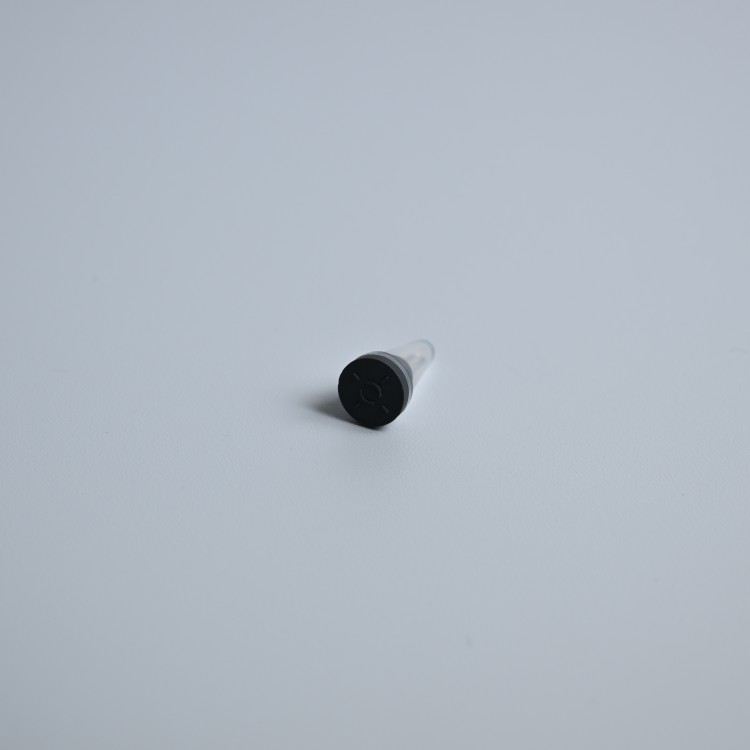
Conical plug: Fits standard glass medicine bottles, such as antibiotic bottles.
T-connector: Used for sealing the interface of IV bags, with strong pressure resistance.
Coating Sealed Capsule: Surface coated with an inert layer to minimize drug adsorption risk and enhance long-term stability.
Section 3: Application Scenarios
Pharmaceutical Packaging: Sealing of vaccine bottles and lyophilized powder vials (butyl rubber stoppers primarily used)
Infusion System: Interface protection for large-volume IV bags (T-seal ratio exceeding 60%)
Biological Preparations: Packaging for blood products and protein-based drugs requires film-sealed stoppers to prevent protein adsorption.
Medical Devices: Pistons,导管 connectors (TPE material suitable for single-use applications).
IV. Performance Advantages
Safety and stability:
Meets ISO 10993 biocompatibility testing; free of lead, mercury, and other harmful substances leaching out.
High-temperature sterilization and strong acid-base disinfection process.
Process Innovation:
Coating technology improves the compatibility between the rubber stopper and the medication by over 50%, extending the shelf life of the drug.
TPE injection molding simplifies the production process, reducing energy consumption by 30%.
Economic Efficiency
Butyl rubber seals have a lifespan of over 5 years and lower maintenance costs than metal sealing parts.
The global market share is highly concentrated, with leading manufacturers (such as Cargill and Daiwa Nippon Chuo Kogyo) accounting for over 70%.