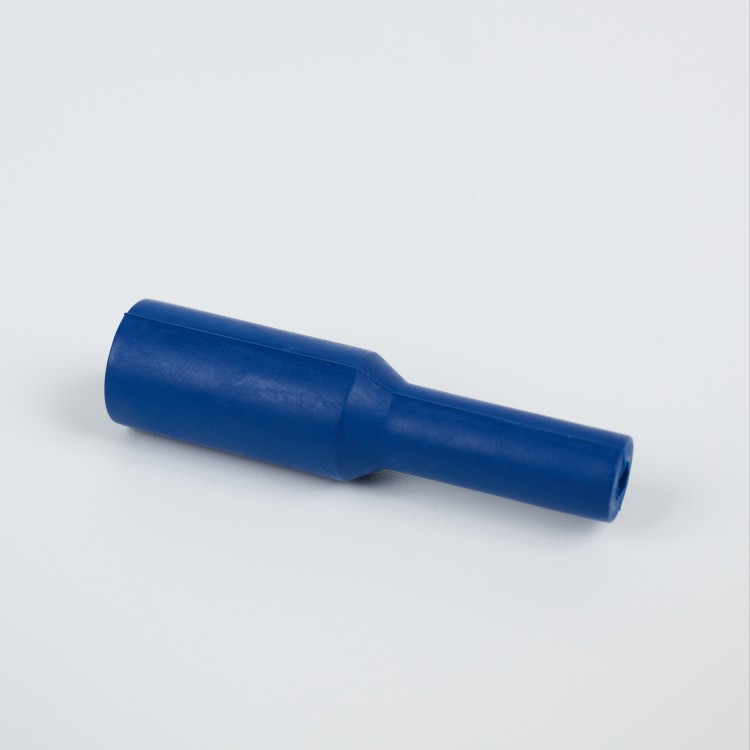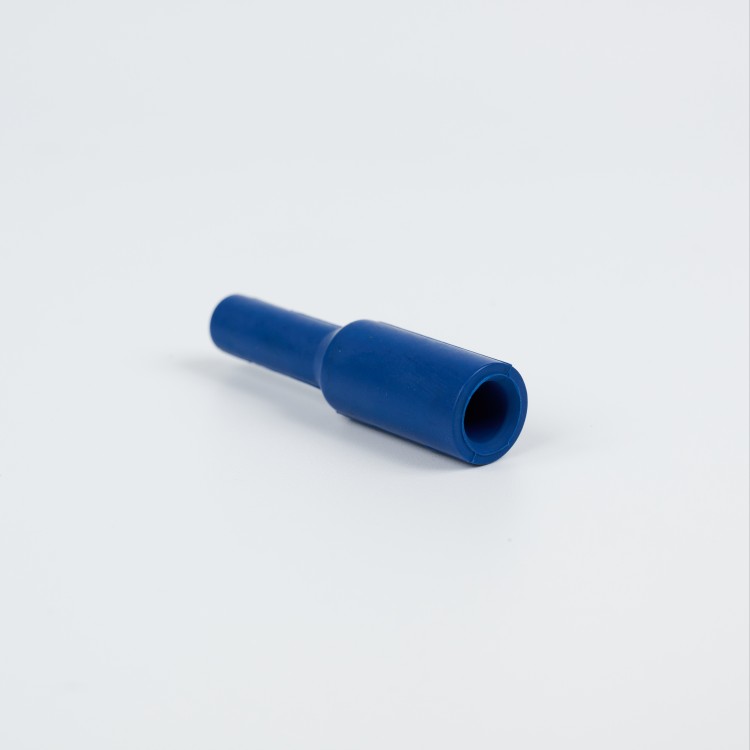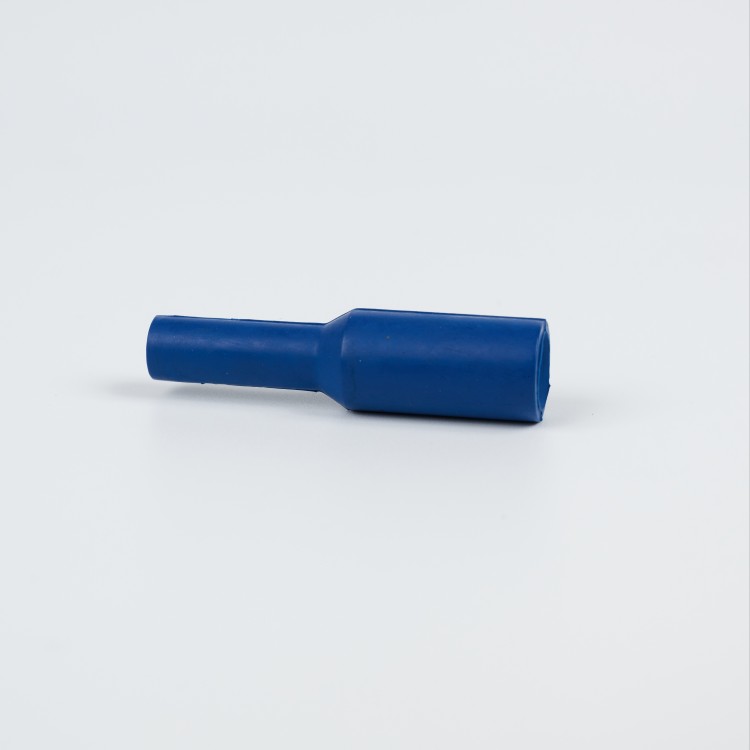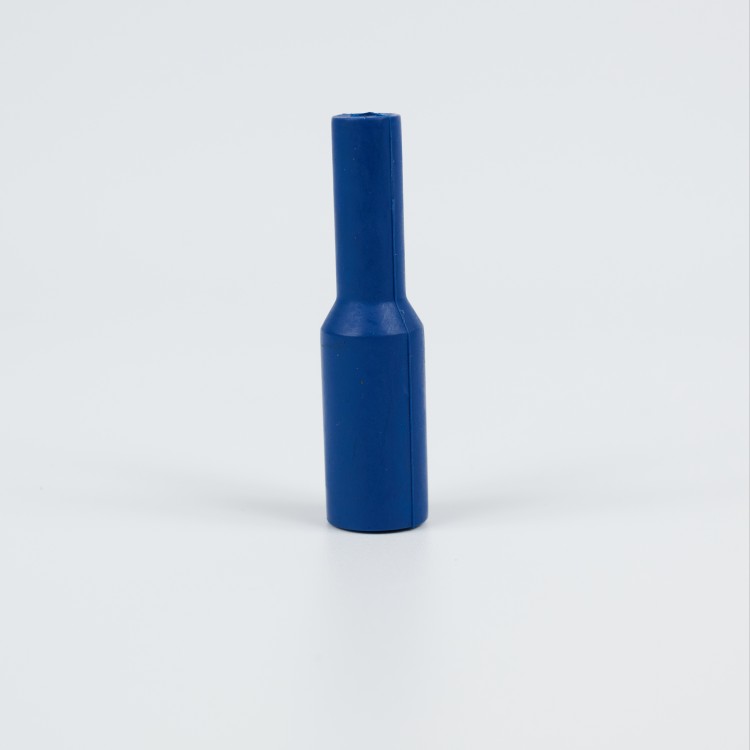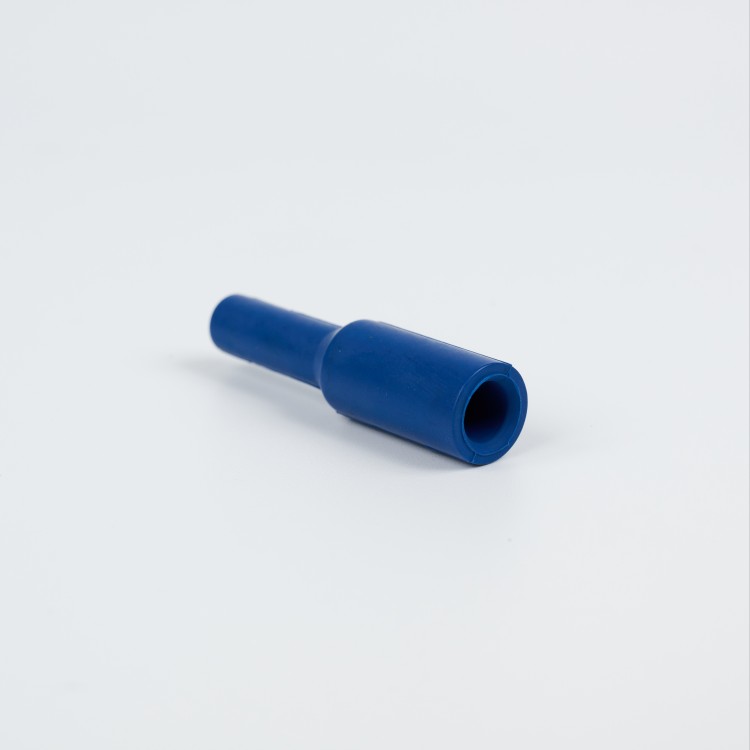


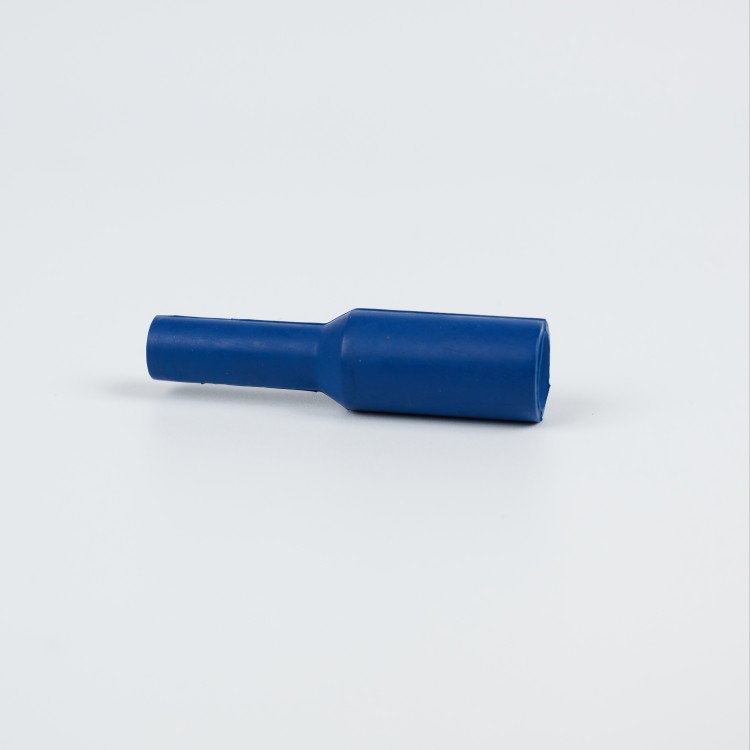
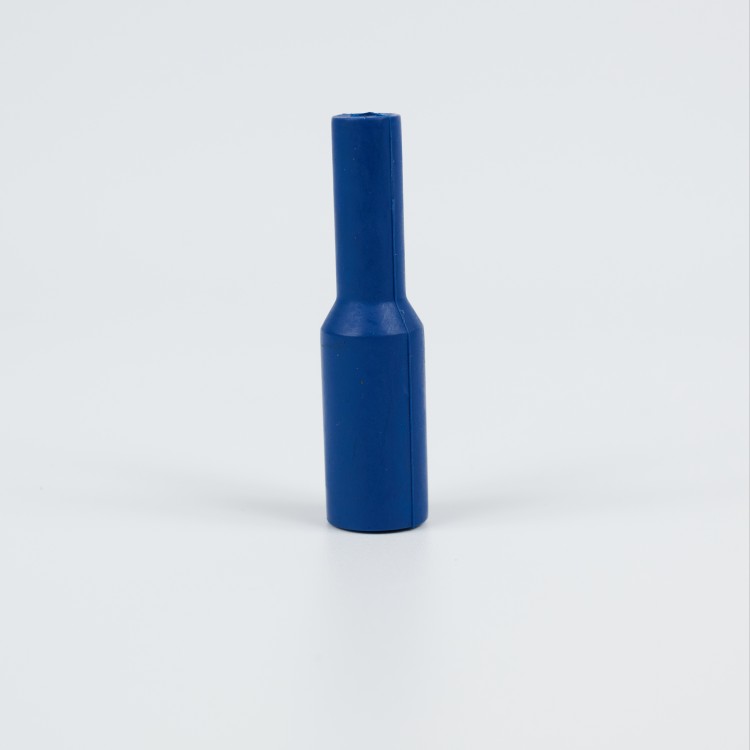


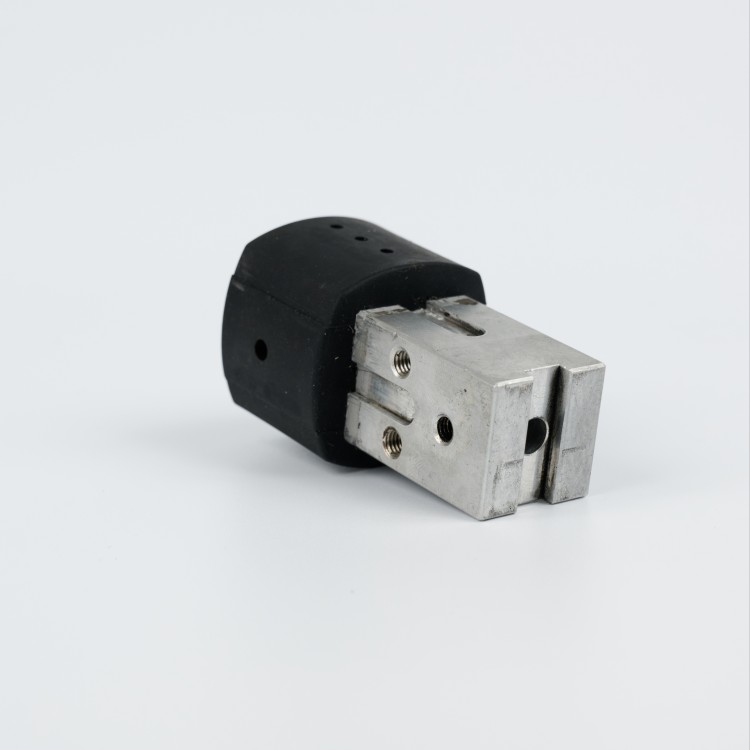






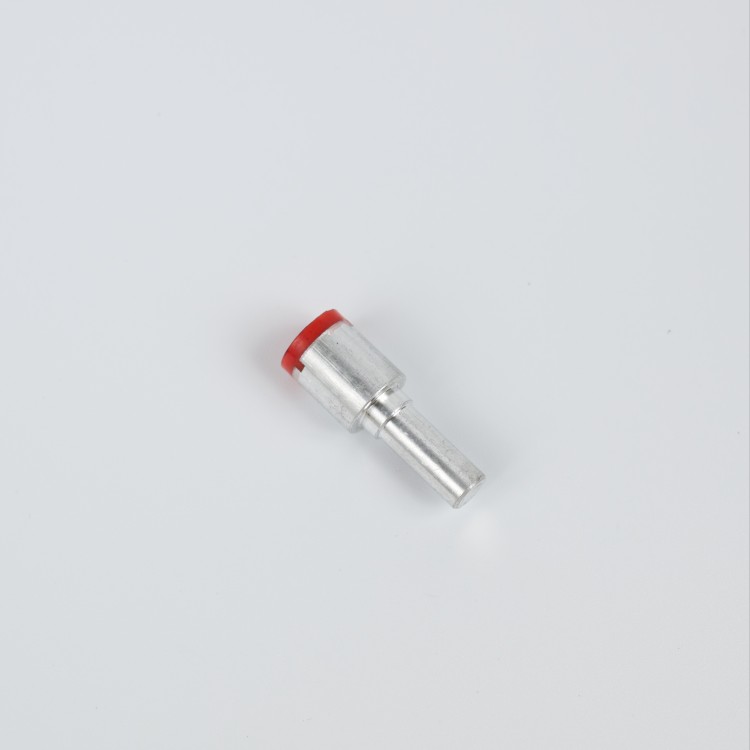
Rubber Pipe Sleeves Introduction
I. Definition and Core Functions
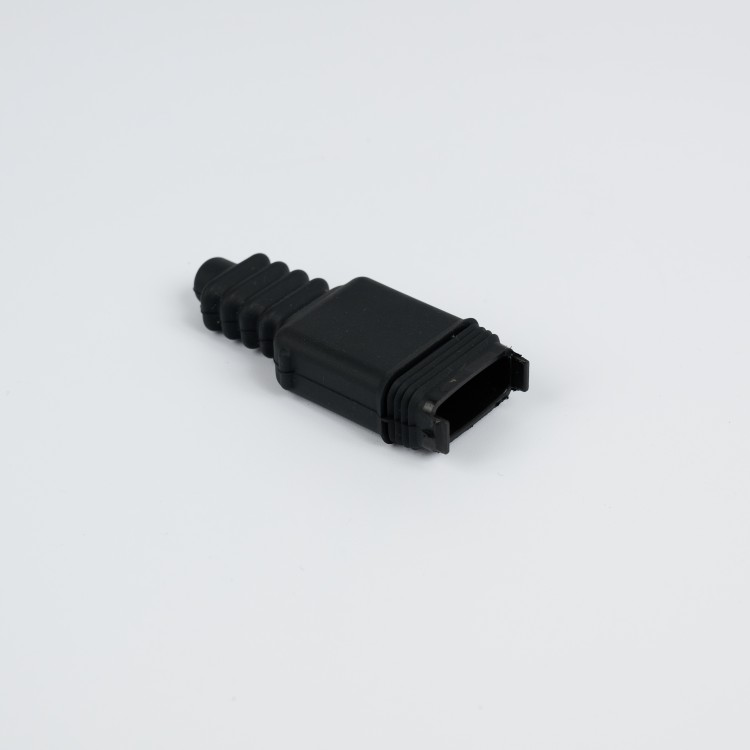
Rubber hose sleeves are protective components primarily made of rubber or silicone, mainly used for the insulation protection, wear resistance, and biological safety isolation of medical device cables and catheters, ensuring the stability and safety of equipment in complex medical environments. They resist disinfectant corrosion, high-temperature sterilization (up to 250°C), and biological fluid侵蚀 through the elasticity and chemical inertness of the rubber material, while also preventing cable failure due to frictional breakage.
II. Material and Structural Design
Core Material:
Silicone (SILICONE): Excellent biocompatibility (passed ISO 10993 testing), high-temperature resistance (-50℃ to 250℃), suitable for long-term implantation or contact with bodily fluids, such as drainage tubes, catheter sleeves, etc.
Nitrile Rubber (NBR): Outstanding oil resistance, suitable for protective linings of medical equipment tubes containing lubricants.
FKM (Fluororubber): Resistant to strong acids and alkalis, suitable for high-protection scenarios in chemical disinfection environments.
Structural Design:
Multi-layer composite: inner conductive copper core (meets the electromagnetic compatibility requirements of medical equipment), middle insulating rubber layer, and outer wear-resistant protective sheath, achieving functional stratification.
Aperture matching design: Optimizes the GD (diameter) and GW (sheath thickness) parameters to ensure密封性 with metal plates or equipment interfaces, preventing liquid penetration.
Section 3: Application Scenarios
Cable Protection for Medical Equipment Lines
Protect power and signal cables for devices such as ventilators and extracorporeal circulation pumps to prevent insulation failure due to repeated bending or corrosion from disinfectants.
Surgical instrument wire sleeve, prevents blood and tissue fluid from contaminating the circuit during surgery.
Tubing and Drainage Systems
Silicone引流管 outer sheath reduces frictional damage with human tissue, extending the catheter's service life.
Multi-chamber air tubes achieve pressure control by using silicone sleeve for zoning.
IV. Performance Advantages
Biological Safety:
Silicone material passes cytotoxicity and sensitization tests, suitable for long-term contact with human tissues or body fluids.
Smooth surface for easy cleaning, reducing the risk of bacterial growth.
Environmental Adaptability:
Withstanding high temperature and pressure sterilization, suitable for reusable medical equipment.
UV and ozone resistance to ensure equipment stability in outdoor or intense light conditions.
Economic efficiency:
Service life of 5 years or more (under normal disinfection conditions), maintenance cost lower than that of metal sheath.
Flexible design minimizes equipment vibration and noise, enhancing patient comfort.