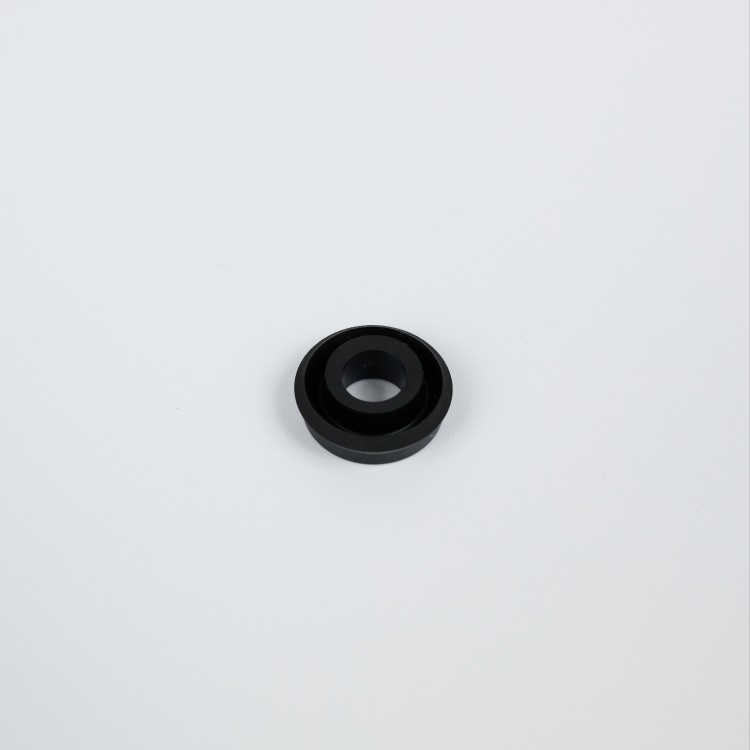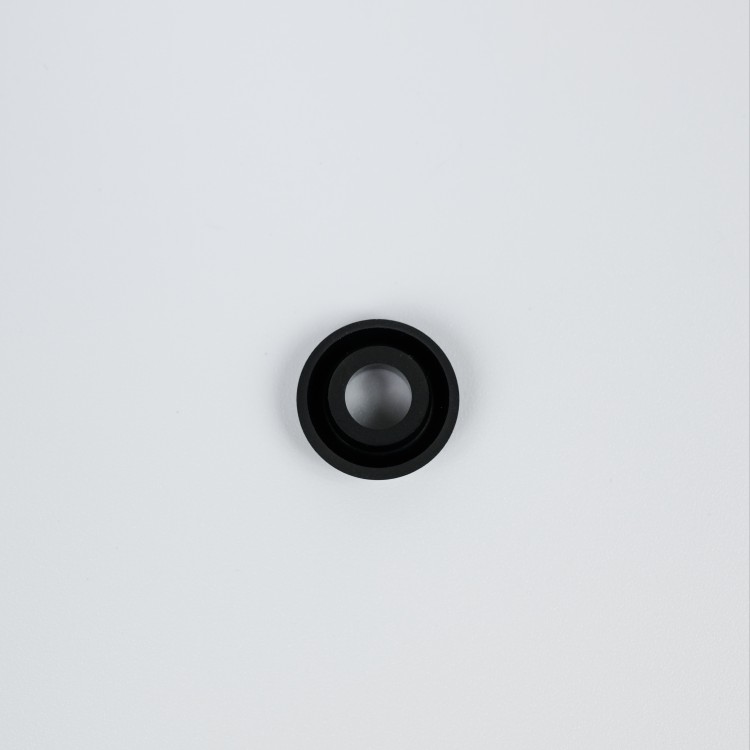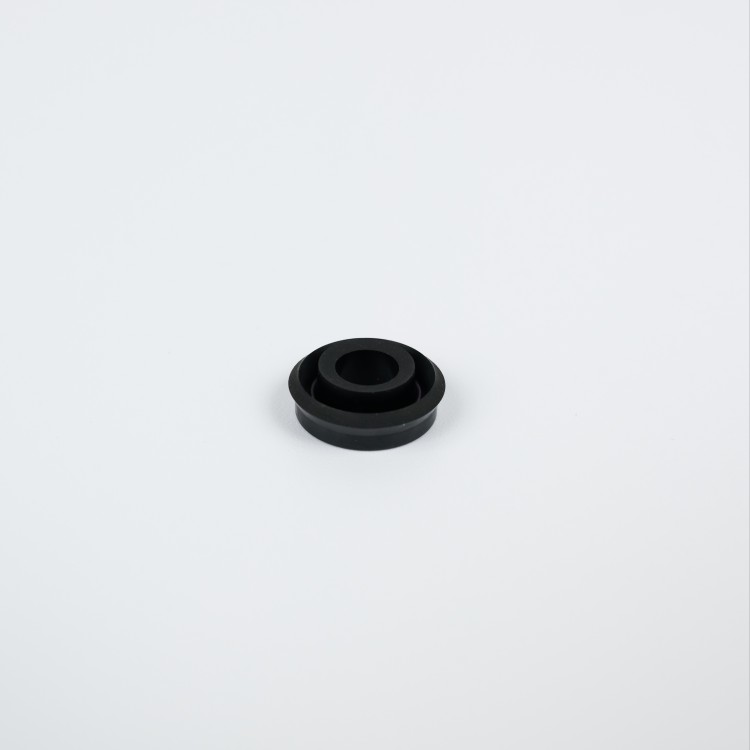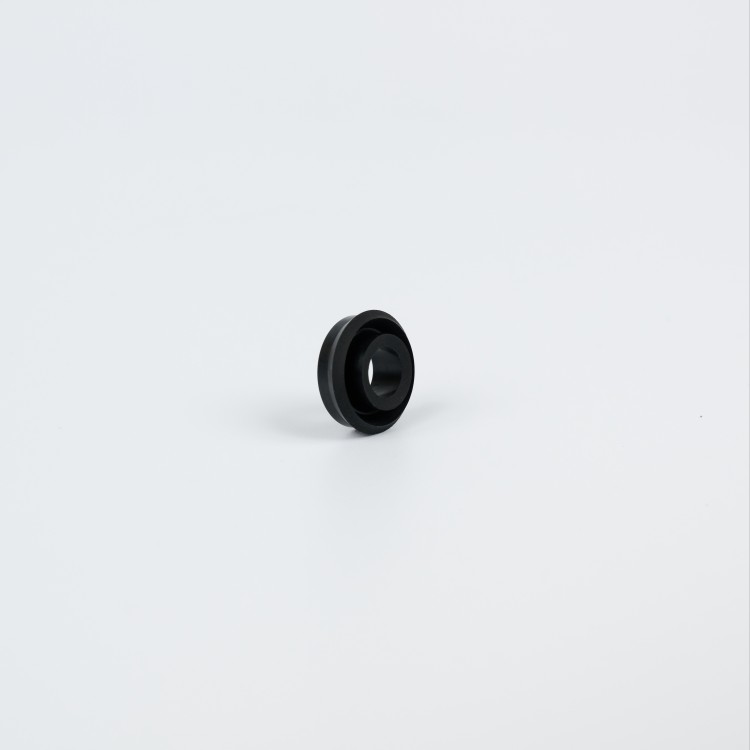









Comprehensive Analysis of Rubber Shock Absorbers
I. Definition and Core Functions
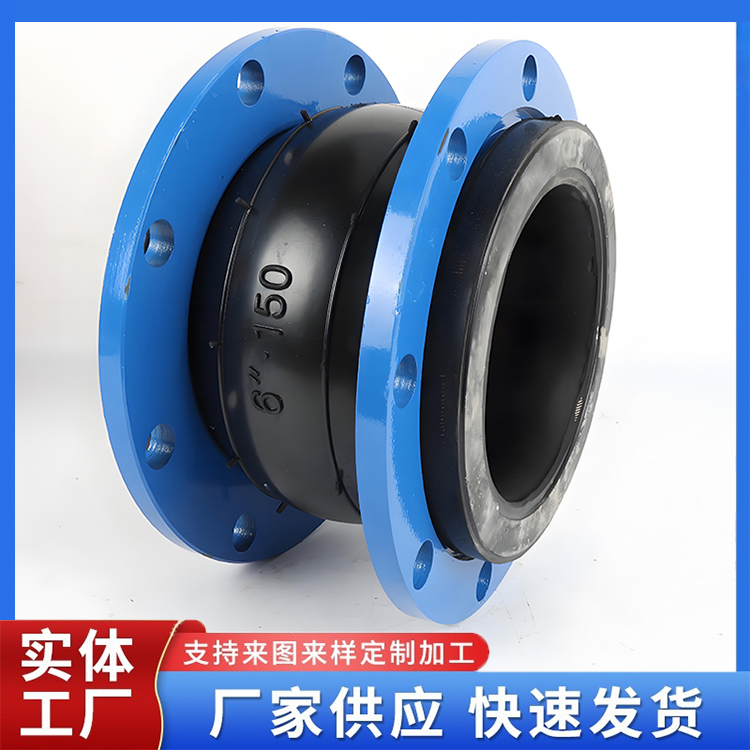
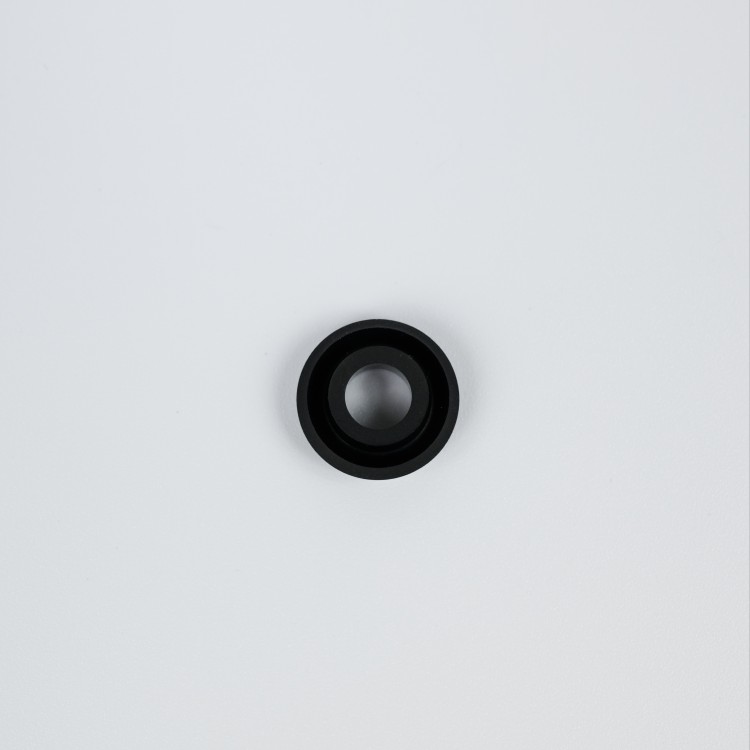
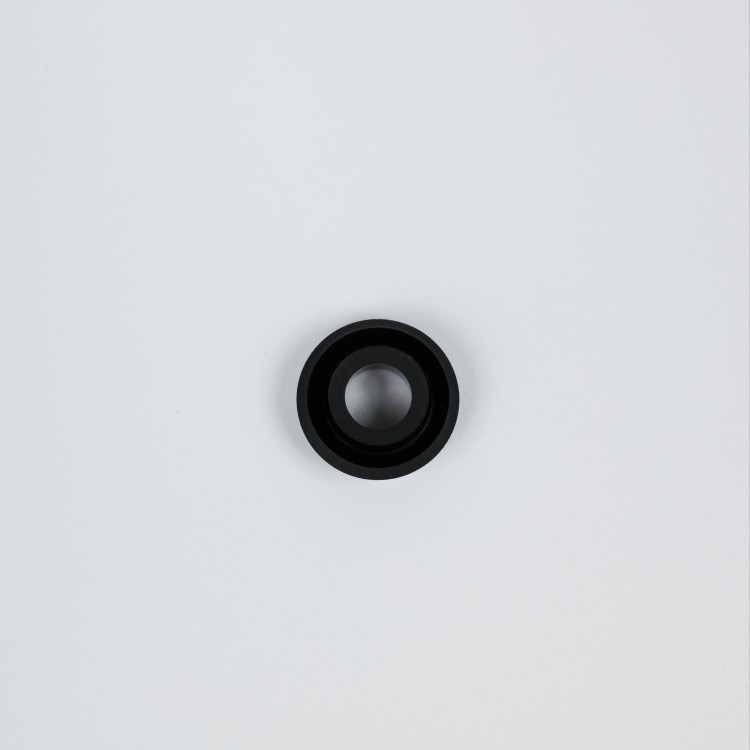
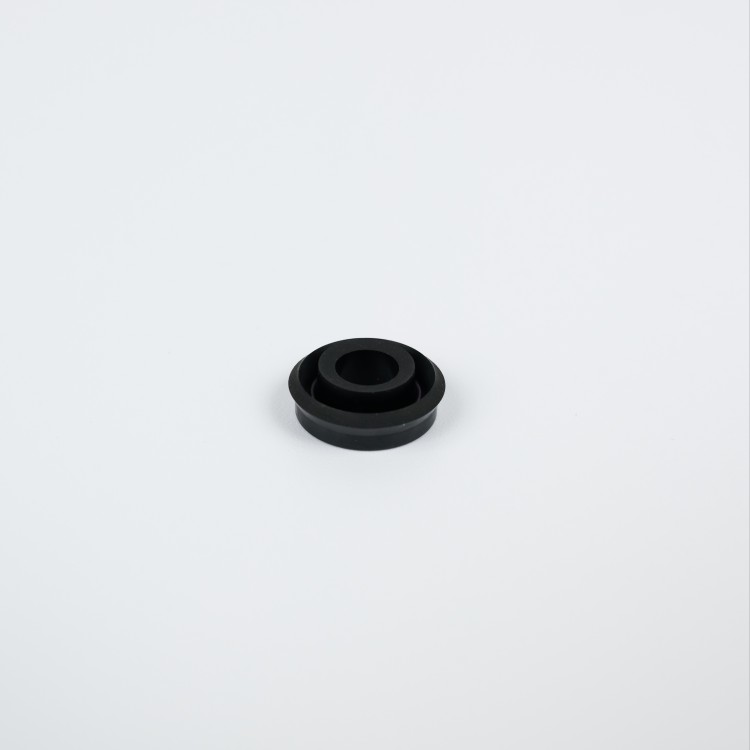
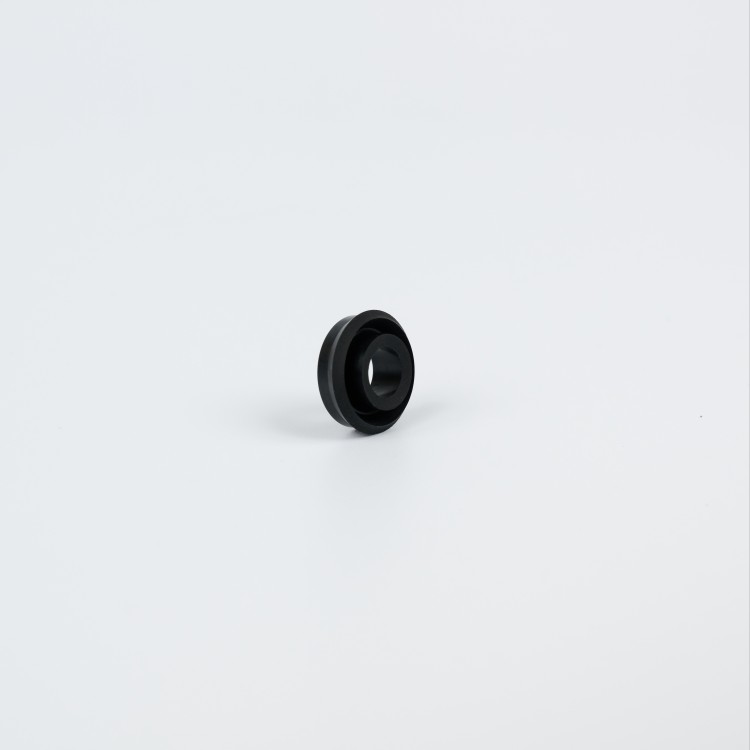
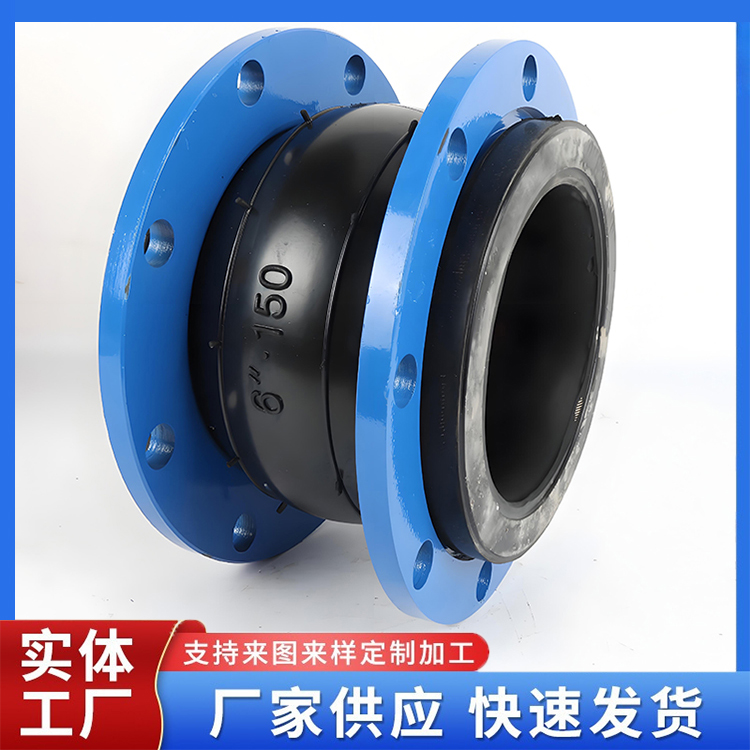
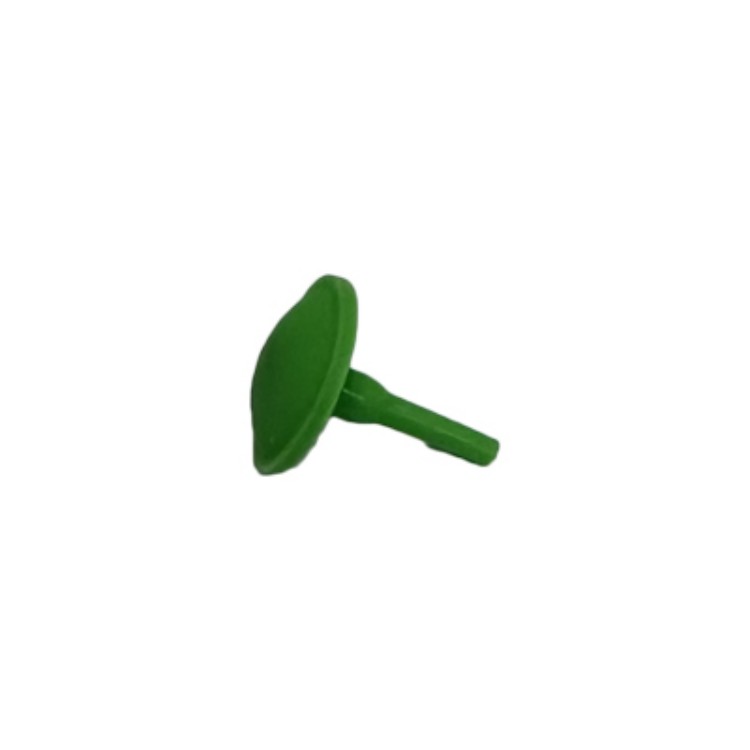
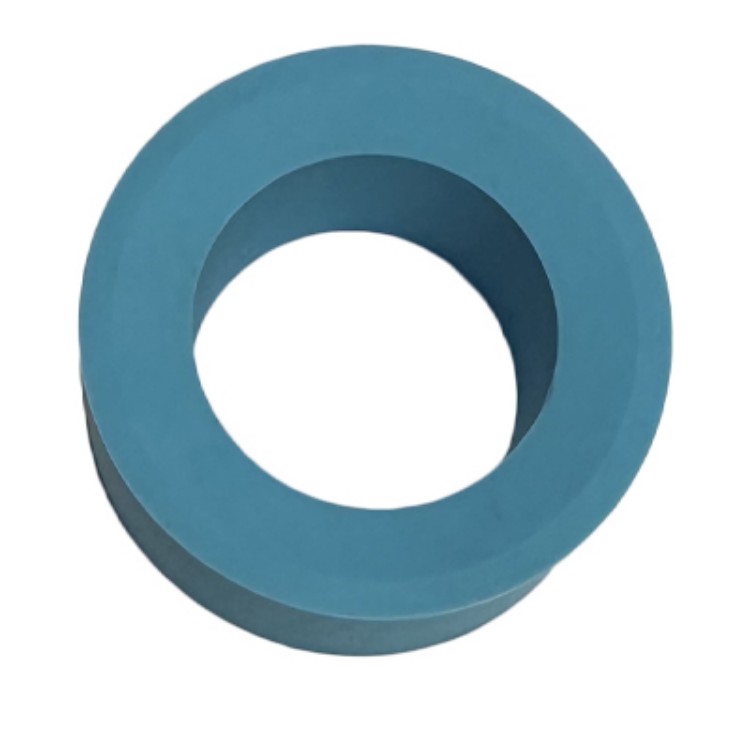
Rubber shock absorbers are elastic elements made primarily from rubber (either natural or synthetic), which absorb energy, isolate vibrations, and protect equipment through viscoelastic deformation. They utilize the coiling and stretching characteristics of rubber molecular chains to convert mechanical energy into heat, thereby reducing equipment impact wear and structural fatigue.
II. Material and Structural Design
Material Classification:
Natural Rubber (NR): Excellent elasticity and fatigue resistance, suitable for general shock absorption applications.
Nitrile Rubber (NBR): Strong oil resistance, suitable for chemical equipment.
EPDM (Ethylene Propylene Diene Monomer) Rubber: Resistant to ozone and aging, used for outdoor bridges and rail transportation.
Polyurethane (PU): High wear resistance and high pressure-bearing capacity, suitable for heavy machinery.
Loss Factor Characteristics:
Butyl rubber (IIR) and NBR have high loss factors, with significant low-frequency shock absorption effects.
EPDM and PU offer a balanced performance in weather resistance and pressure-bearing strength.
Structural Optimization:
Multi-layer serial design: Such as SD, JDF type vibration dampers, which enhance energy dispersion efficiency through stacking.
Irregular Shear Structure: Corrugated and star-shaped designs reduce stiffness and enhance low-frequency absorption capability.
III. Typical Application Scenarios
Industrial Equipment:
Base shock absorbers for pumps, fans, compressors, etc. (JDF type rubber shock absorber pads)
Collision protection for crane wire rope ends.
Civil Engineering
Bridge bearing cushion layer distributes vehicle load impact.
Seismic isolation rubber pads for buildings reduce earthquake response.
Residential & Commercial:
Air conditioning outdoor units, noise and slip-resistant (thick EPDM pad blocks) for fitness equipment.
Marine main engine, automotive engine torsional vibration suppression (YXN type damper).
IV. Performance Advantages
High elasticity and wide-frequency shock absorption:
Low modulus of elasticity up to 1-5 MPa, capable of withstanding 30%-50% compressive deformation.
Effectively suppresses wideband vibration from 10Hz to 1000Hz, preventing equipment resonance.
Corrosion resistance and safety:
EPDM material withstands temperatures from -50℃ to 120℃ and is resistant to UV aging.
Anti-slip texture design enhances stability in wet conditions.
Economic efficiency and long lifespan
Cost is one-third of a metal shock absorber, no lubrication or maintenance required.
Normal operating condition lifespan exceeds 10 years; maintenance simply requires surface cleaning.