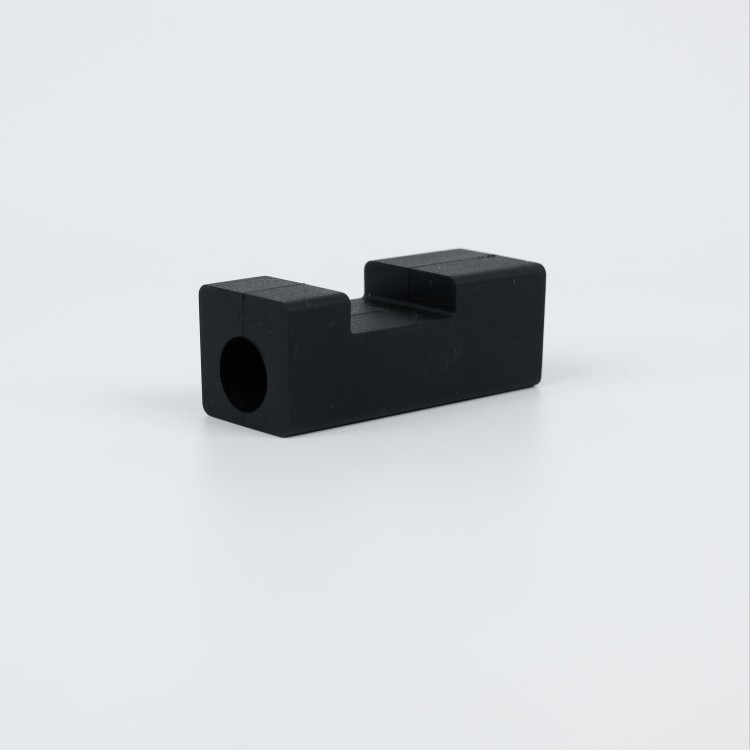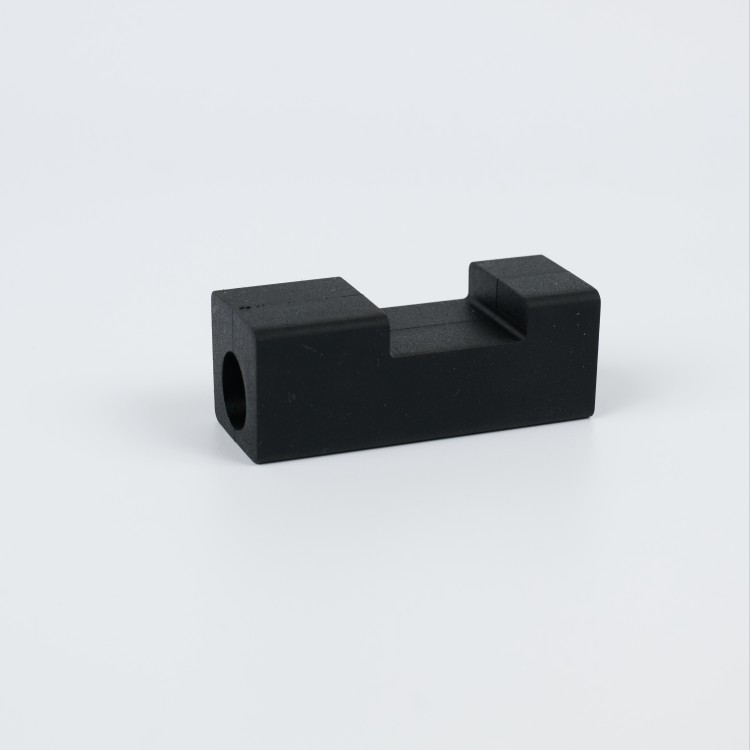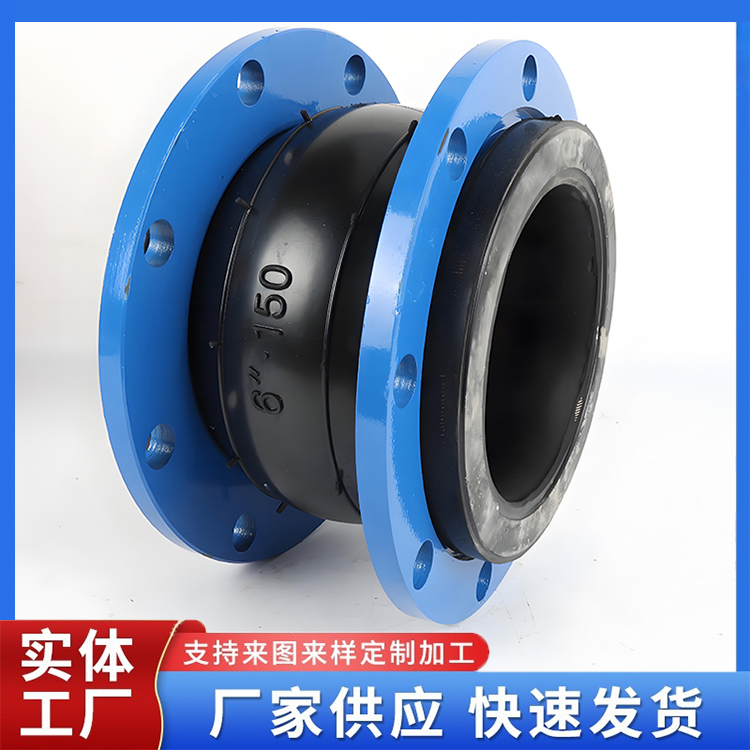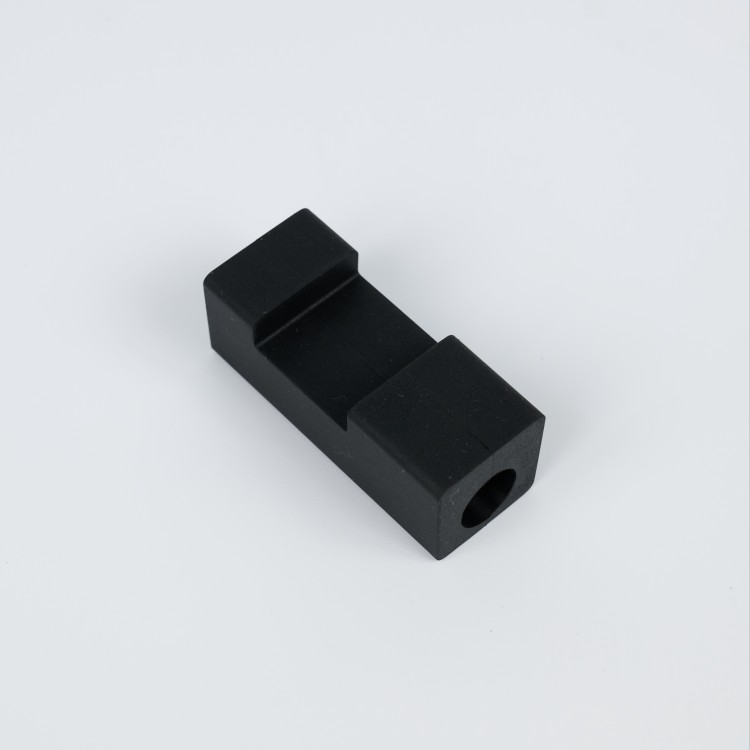









Rubber Buffer Pads Introduction
I. Definition and Core Functions
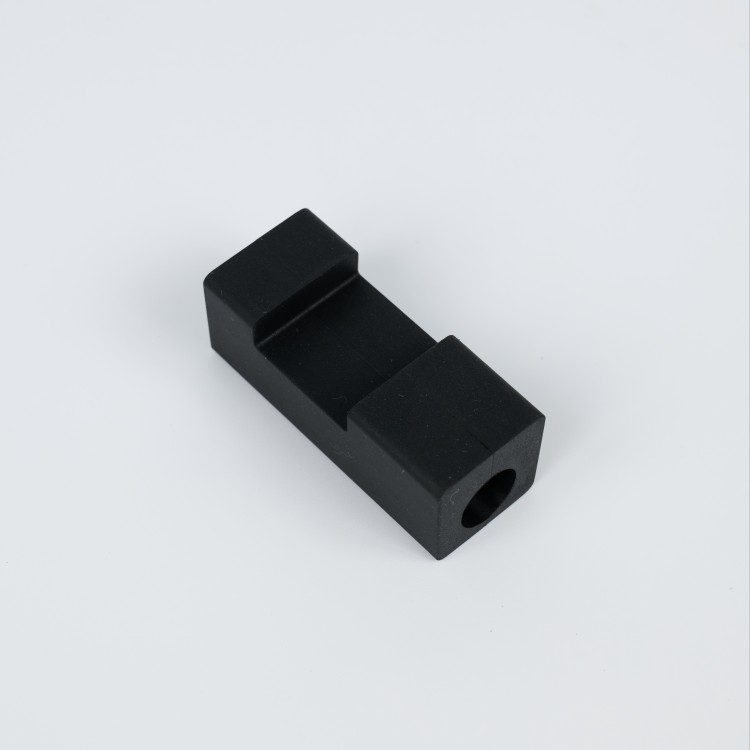
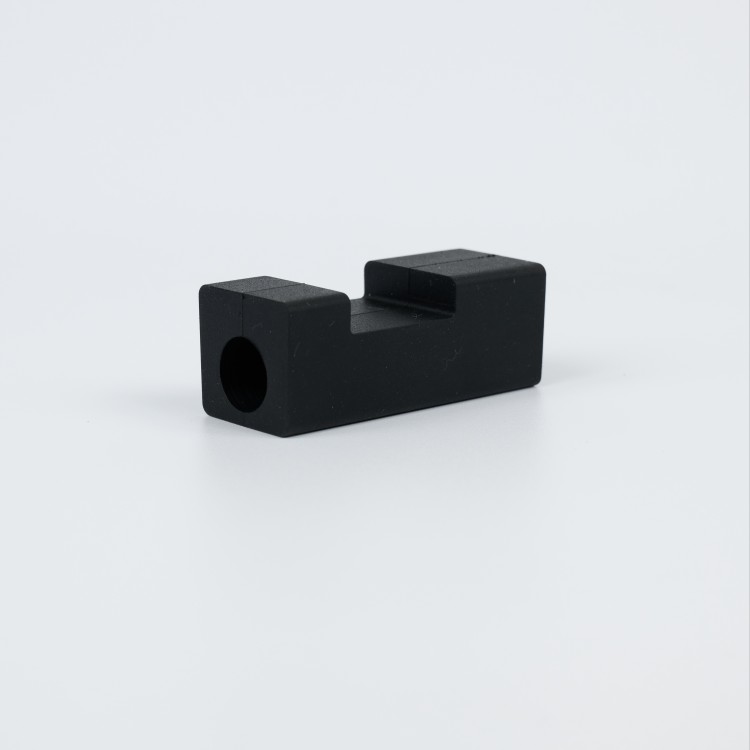
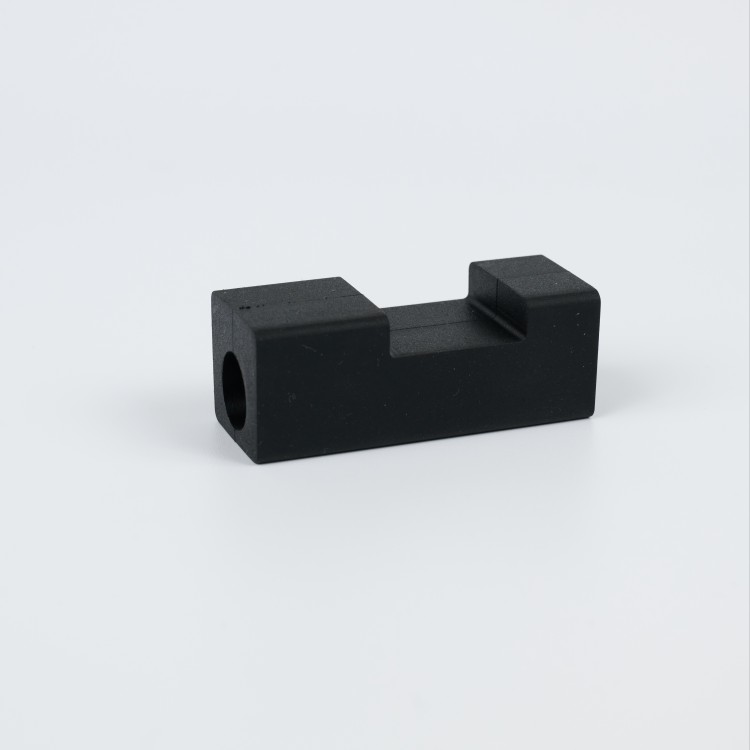
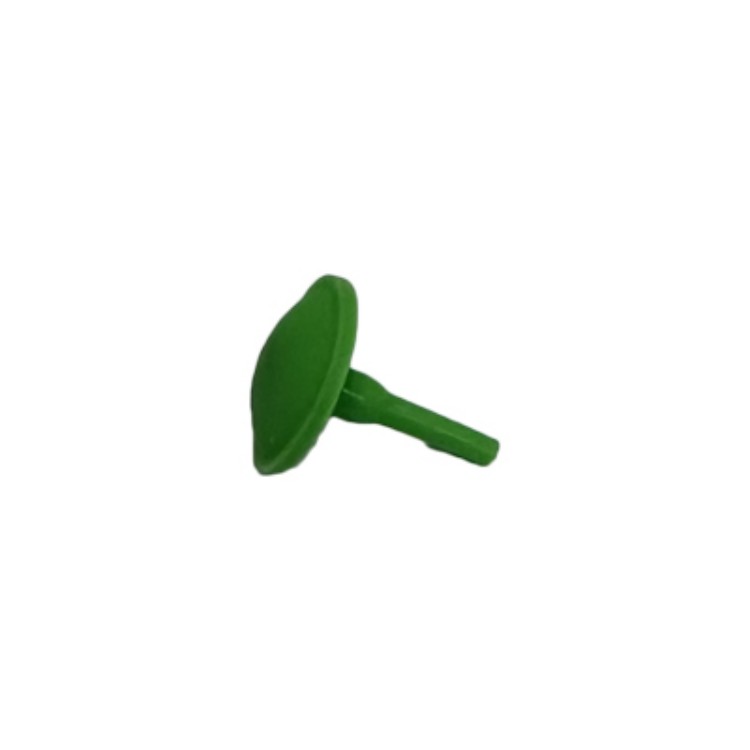
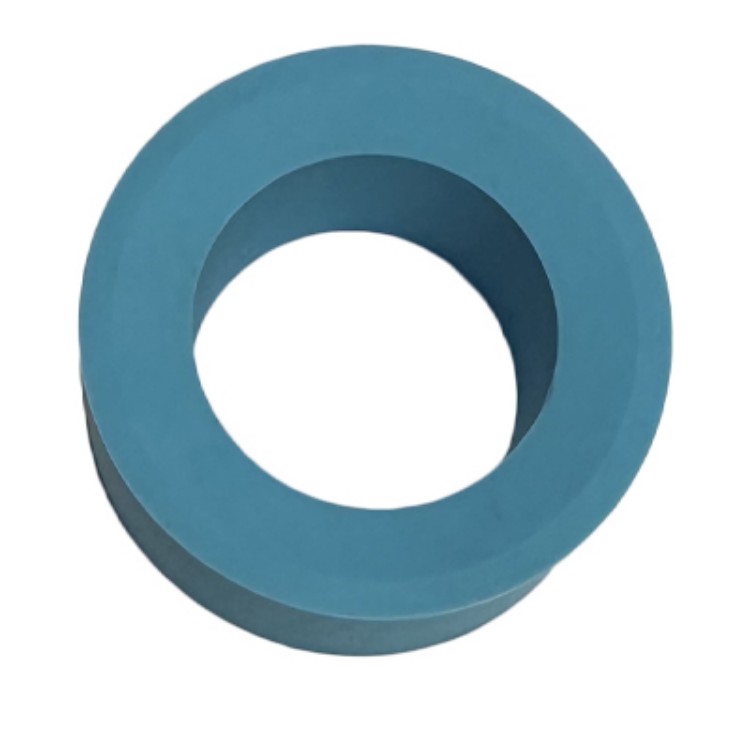
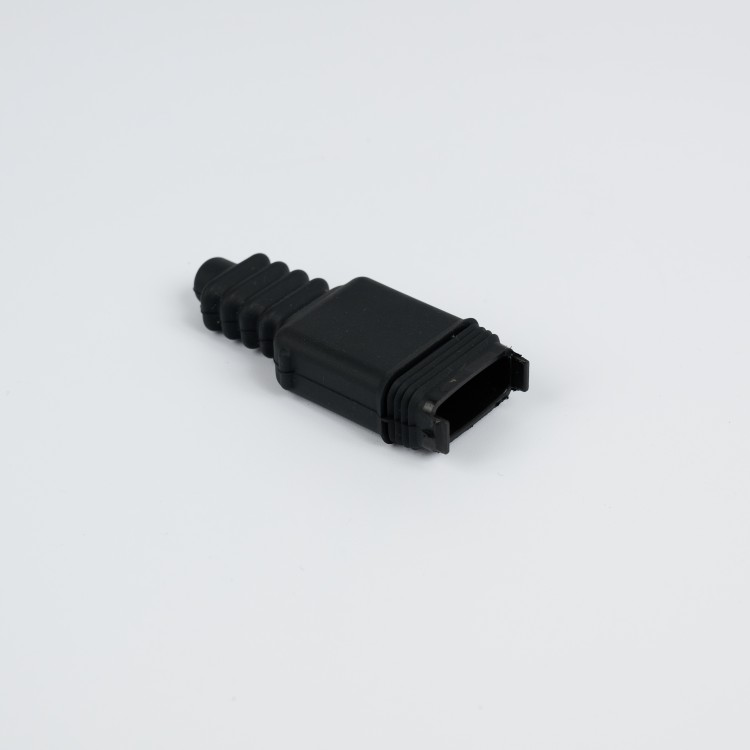
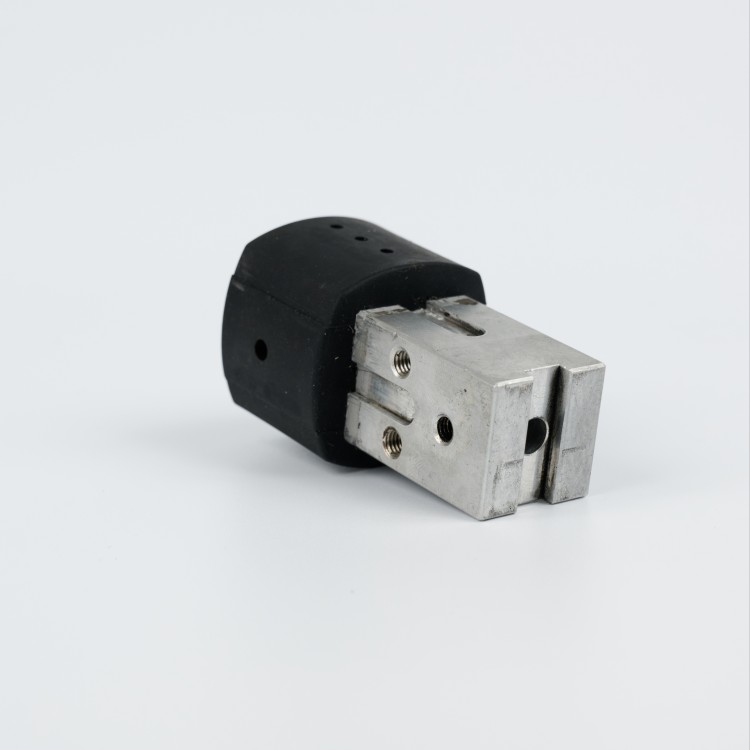
Rubber shock absorbers are elastic elements primarily made of rubber (natural or synthetic), which perform the core functions of absorbing impact energy, vibration isolation, and equipment protection through viscoelastic deformation. They utilize the coiling-stretching characteristics of rubber molecular chains to convert mechanical energy into thermal energy, effectively reducing equipment collision wear and structural fatigue damage.
II. Materials and Types
Common Materials:
EPDM rubber: ozone-resistant, water-resistant, and anti-aging (with a lifespan of over 10 years); suitable for outdoor applications such as rail transportation and bridge engineering.
Polyurethane (PU): High wear resistance, high compressive strength (Shore hardness 50-95), suitable for heavy machinery base cushioning.
Nitrile Rubber (NBR): Strong oil resistance, commonly used for sealing and cushioning in chemical equipment.
Butyl rubber: High damping properties, suitable for low-frequency vibration suppression.
Structural Design:
Non-standard shock absorber pads: Side incline design (such as star-shaped, octagonal) can reduce stiffness and enhance low-frequency impact absorption efficiency.
Multi-layer Lamination: Enhanced energy dispersion capability through the series connection of rubber layers, suitable for high-load applications.
III. Application Fields
Industrial Logistics:
Impact-absorbing pads at the loading dock protect the platform and truck from collisions, reducing damage (mounted with expansion bolts or welding).
Craning wire rope end buffer pad prevents accidental equipment impact.
Railway Track: EPDM cushioning pads are laid beneath the railway tracks to reduce wear on the tracks caused by train vibration.
Bridge Support Shock Absorbing Layer: Distributes vehicle loads to mitigate impact and extend structural lifespan (round/rectangular rubber pads).
Home & Fitness Equipment
Air conditioners, water pumps, and other high elasticity shock absorbers reduce noise (optimized thickness design).
EPDM rubber pads for fitness equipment achieve shock absorption and noise reduction.
IV. Performance Advantages
High elasticity and wide frequency damping:
Low modulus (1-5 MPa), capable of 30%-50% compressive deformation.
Effectively suppresses wideband vibration from 10Hz to 1000Hz, preventing equipment resonance.
Corrosion resistance and safety:
EPDM material has a temperature resistance range of -50℃ to 120℃ and is resistant to UV aging.
Non-slip texture design enhances stability in wet conditions and prevents equipment displacement.
Longevity and economy
Normal operating life exceeds 10 years; maintenance requires only regular cleaning of the surface dirt.
Cost is approximately 1/3 of a metal shock absorber, and no lubrication maintenance is required.