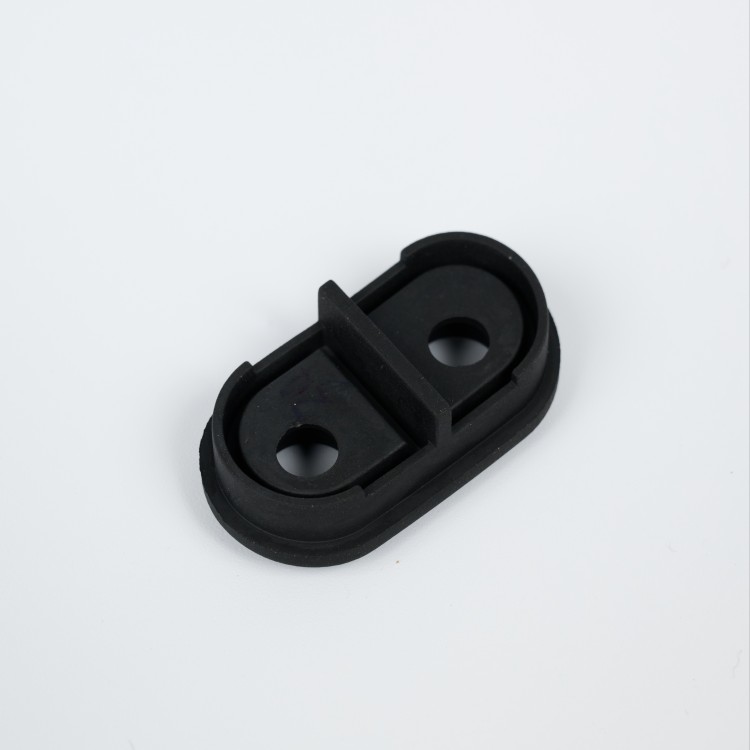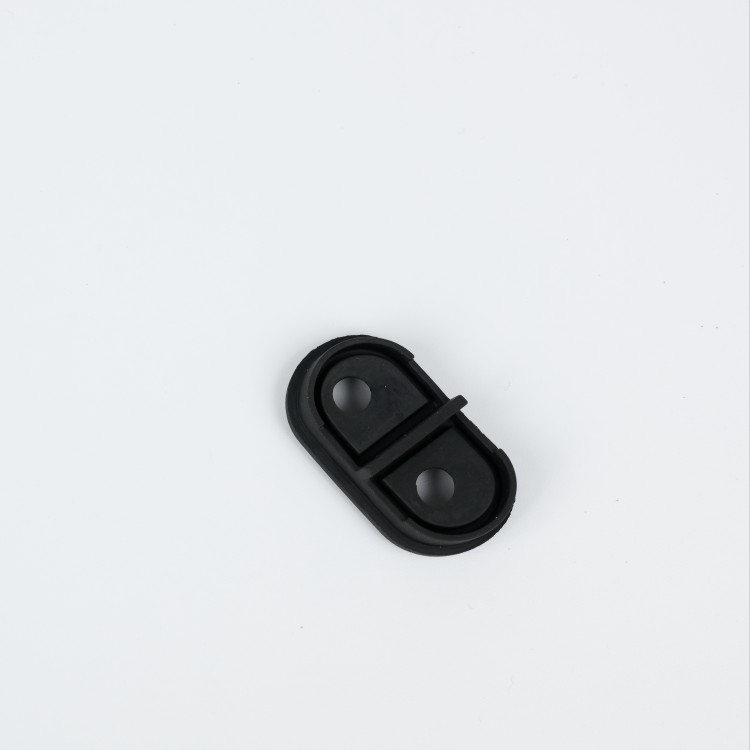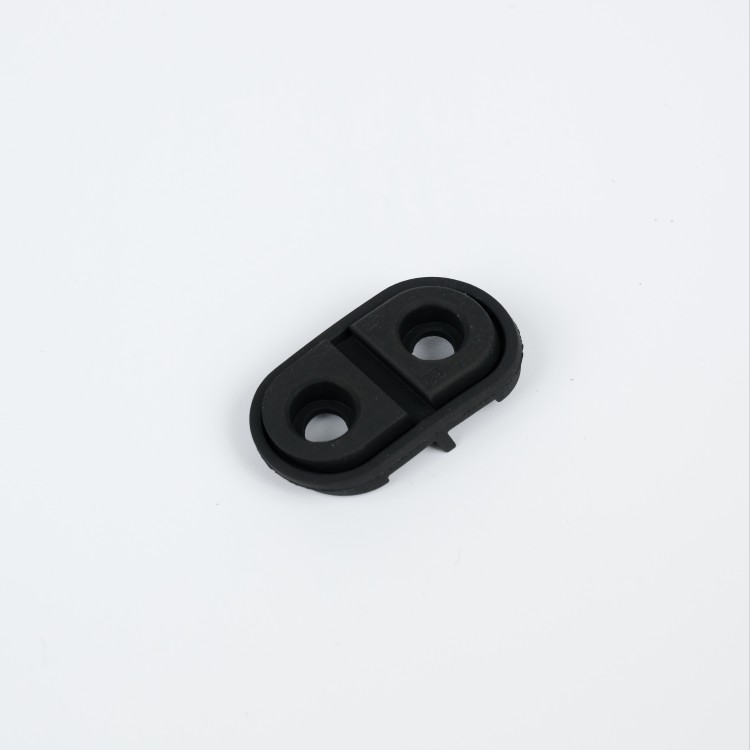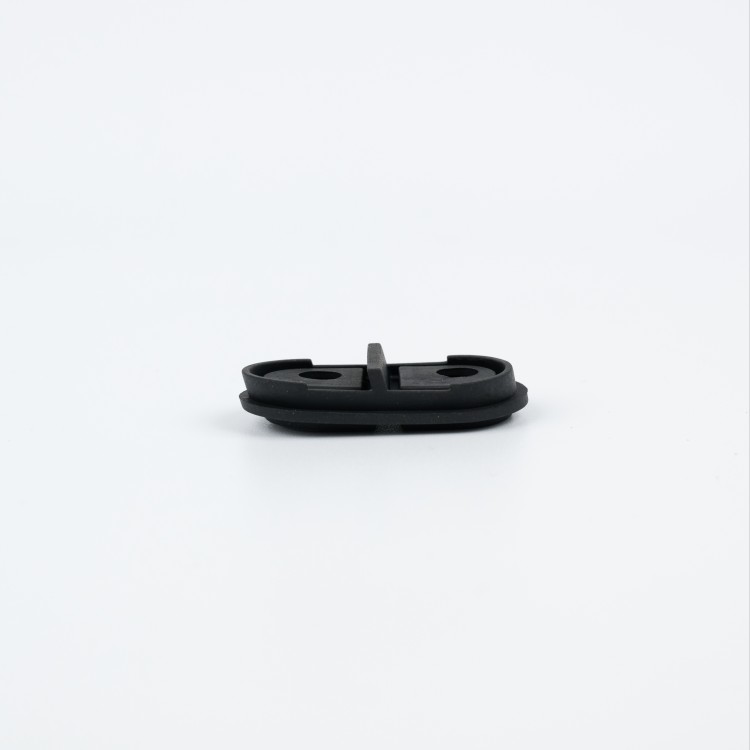









Rubber Pad Introduction
I. Definition and Classification
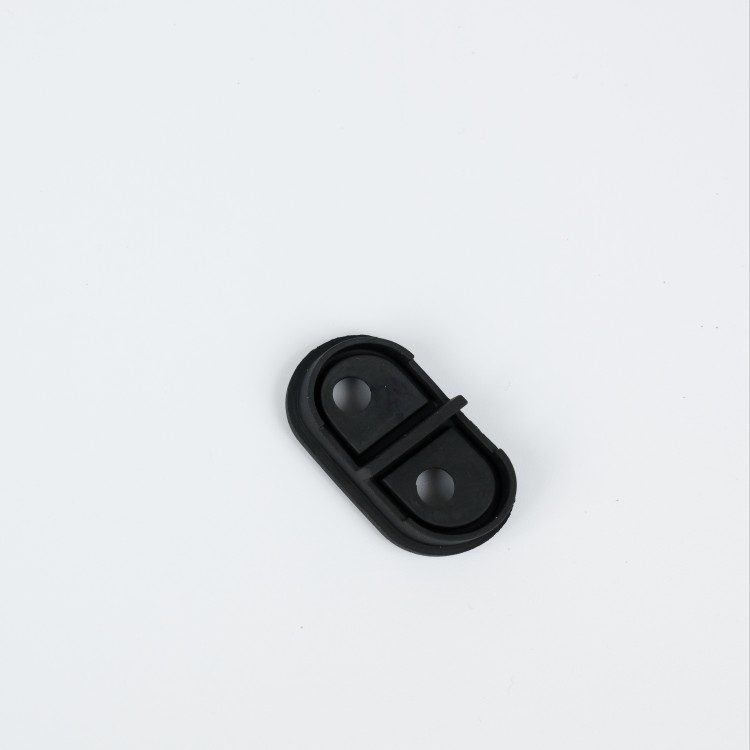
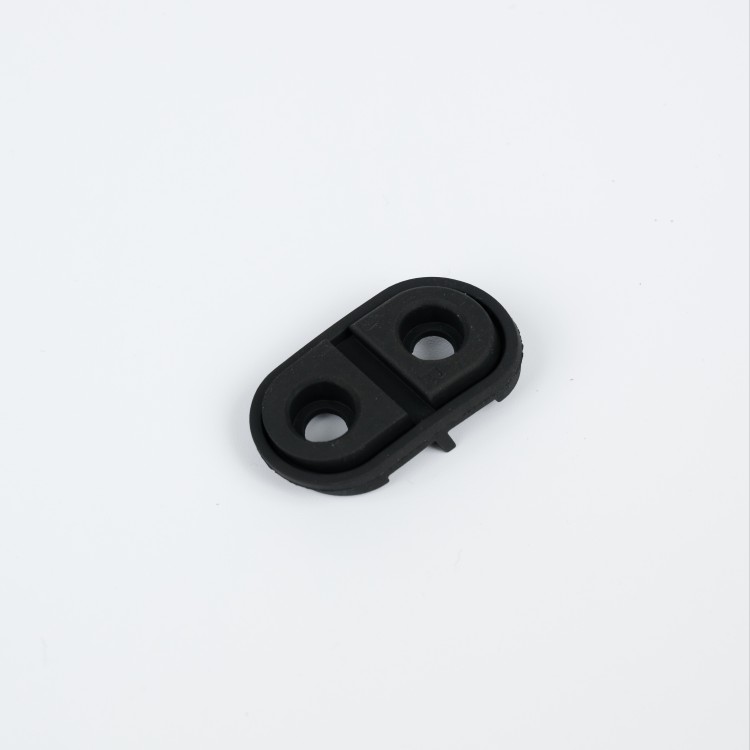
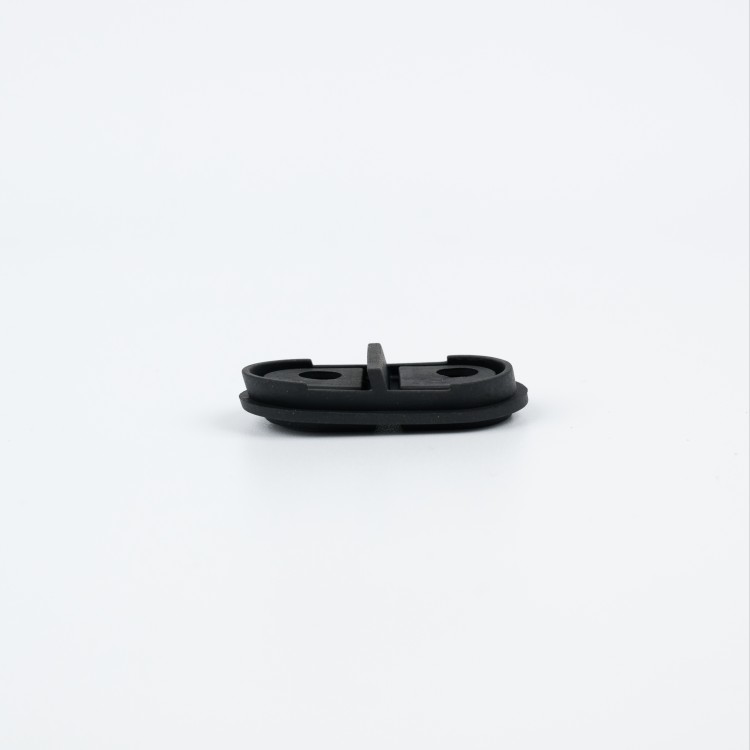
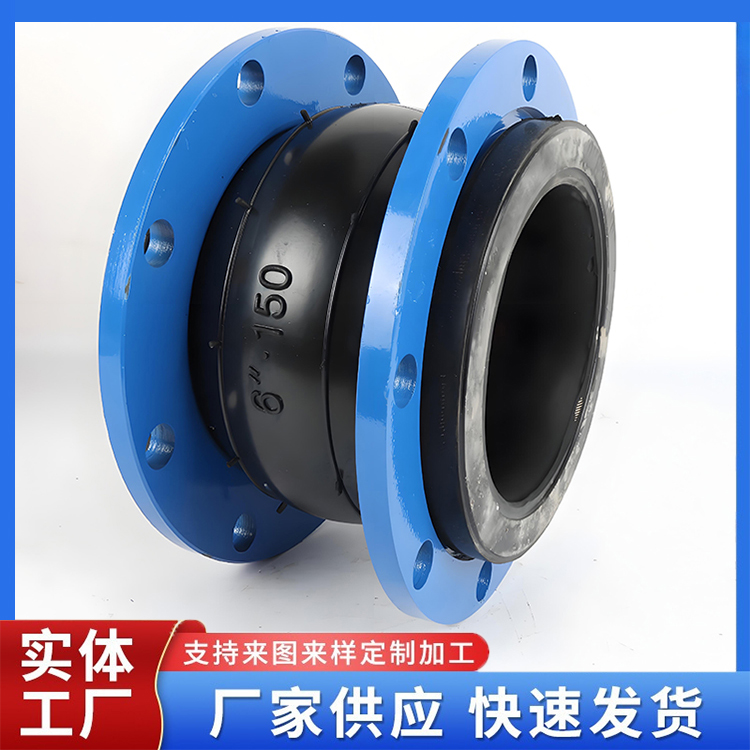
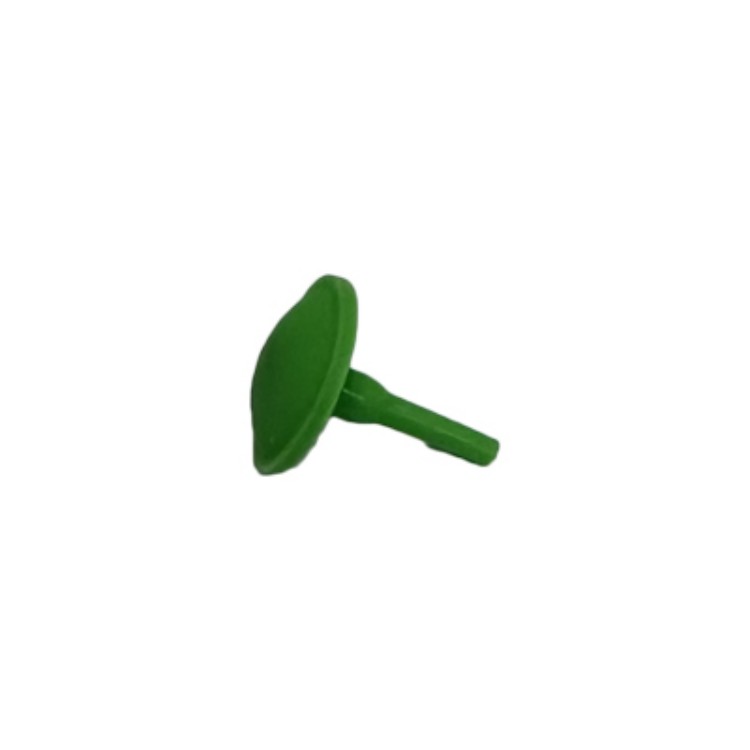
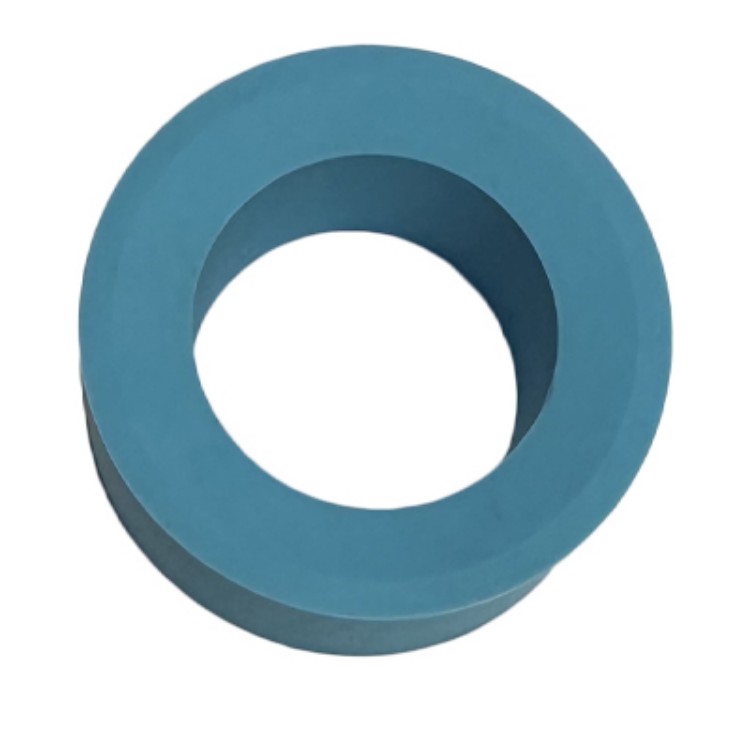
Rubber pads are functional gaskets made from natural rubber or synthetic rubber materials (such as EPDM, NBR, PU, etc.), primarily categorized into four types: shock-absorbing pads, cushioning pads, collision-resistant pads, and sealing pads. Their core functions include absorbing impact energy, isolating vibration transmission, preventing equipment wear, and enhancing structural stability.
II. Core Features
High elasticity and deformation capability:
The coiled structure of rubber molecular chains imparts excellent elasticity, with a low elastic modulus of 1-5 MPa. It can withstand 30%-50% compression deformation without failure.
Converts mechanical vibrations into thermal energy through viscoelasticity, achieving dynamic energy absorption.
Damping performance:
The greater the loss factor (such as butyl rubber, nitrile rubber), the more significant the shock-absorbing effect.
Atypical structures (such as star-shaped, corrugated shearing shapes) can reduce stiffness and enhance low-frequency impact absorption efficiency.
Environmental Adaptability:
Wide temperature range (-50℃ to 120℃ for EPDM material), oil, acid and alkali resistance, and anti-aging.
Non-slip texture design enhances stability in wet conditions.
III. Typical Application Scenarios
Industrial Machinery:
Heavy-duty stamping machine, diesel generator set base vibration reduction, to minimize equipment vibration loss.
Vibration protection for precision instruments, reducing high-frequency noise interference.
Automotive Industry:
Spring cushioning rubber reduces body bounce, enhancing driving comfort.
Door seal gasket combines sound insulation and collision resistance functions.
Logistics Handling
Pallet dock bumpers protect the loading/unloading platform and truck from collision damage.
Civil Engineering
Bridge bearing cushion layer distributes vehicle load impact, extending the service life of the structure.