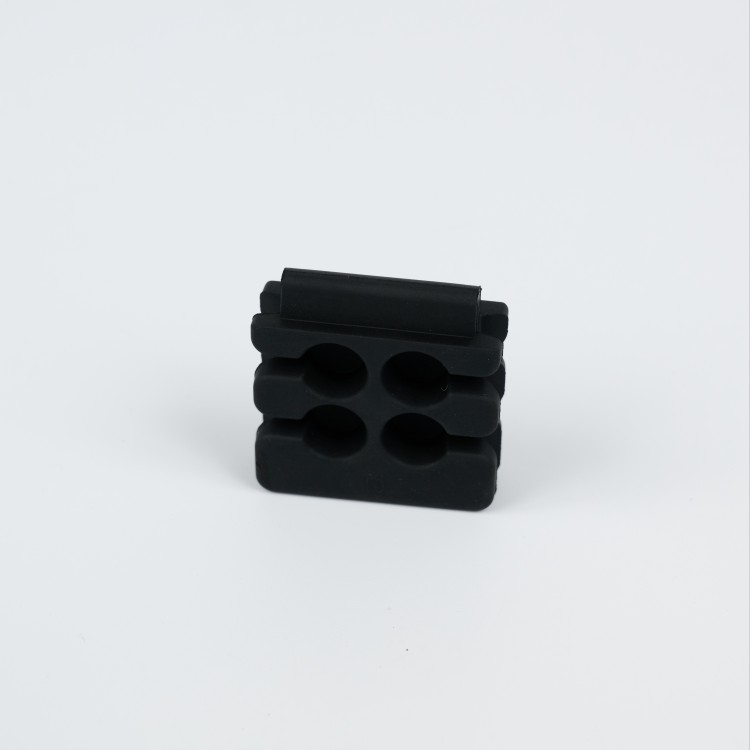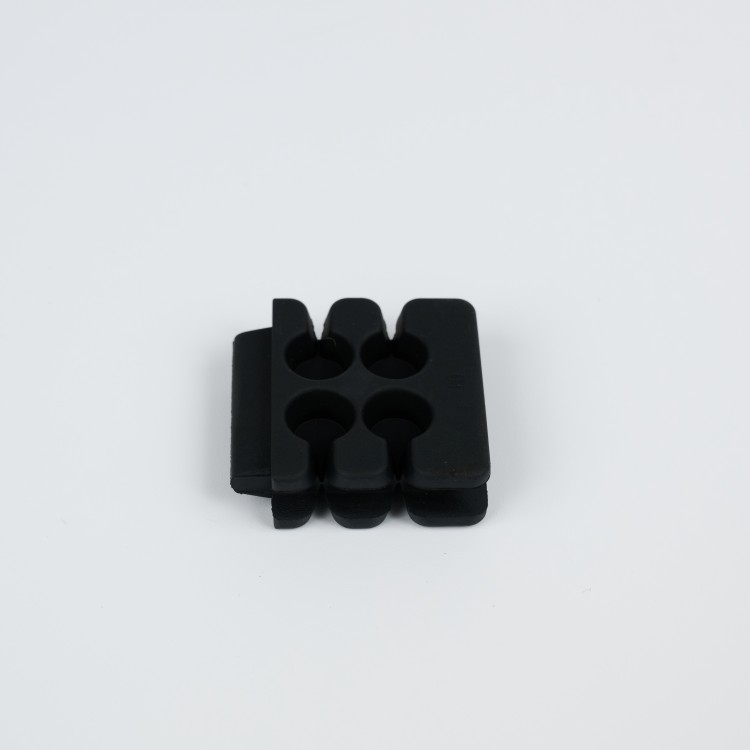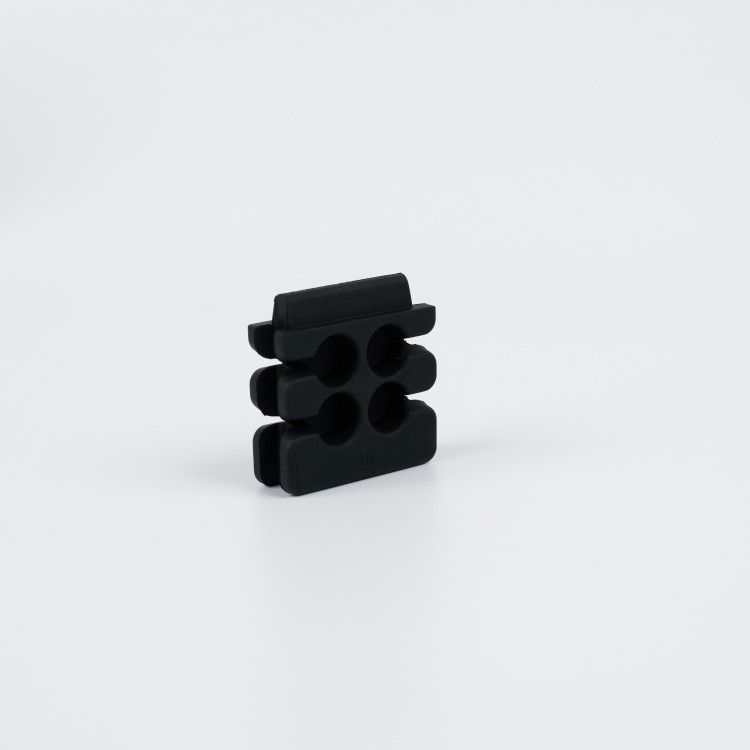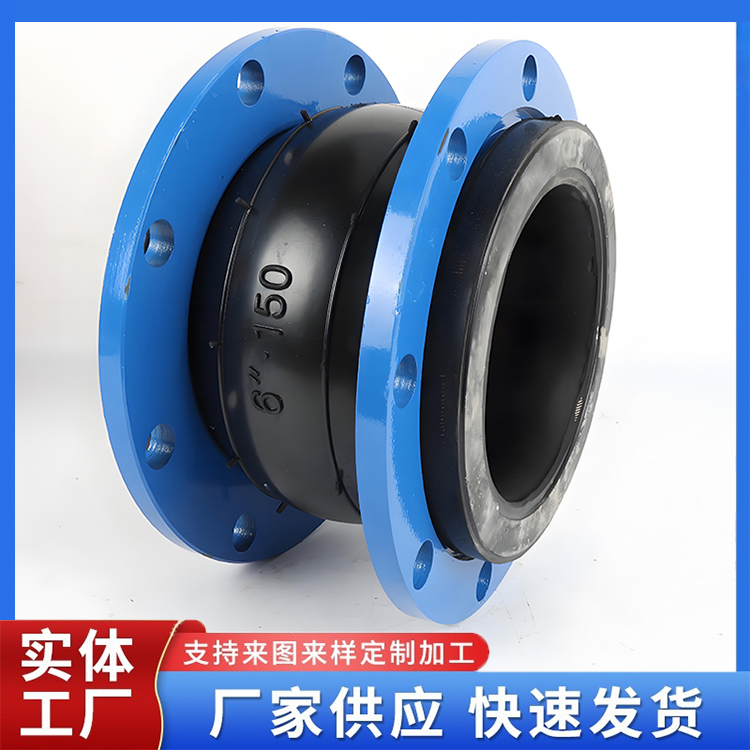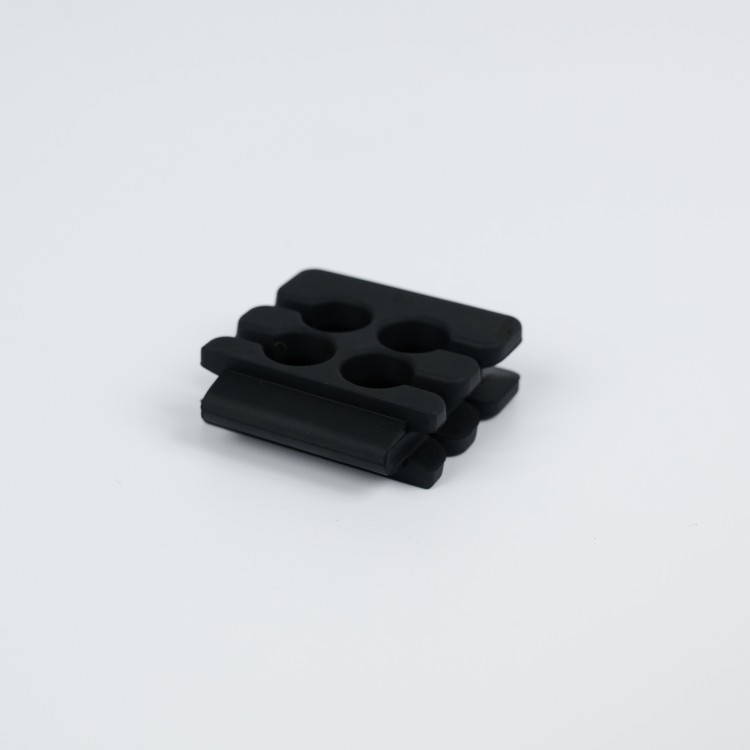

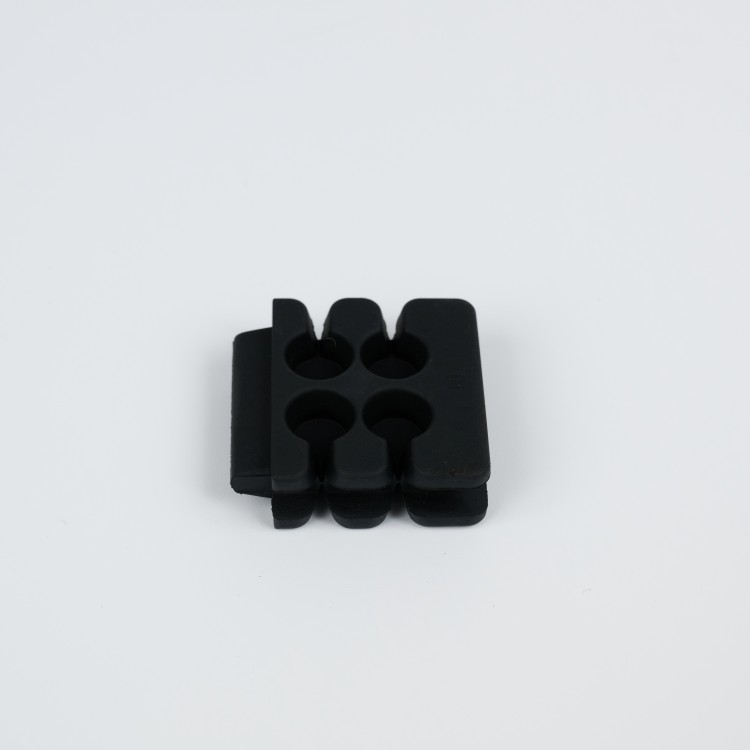
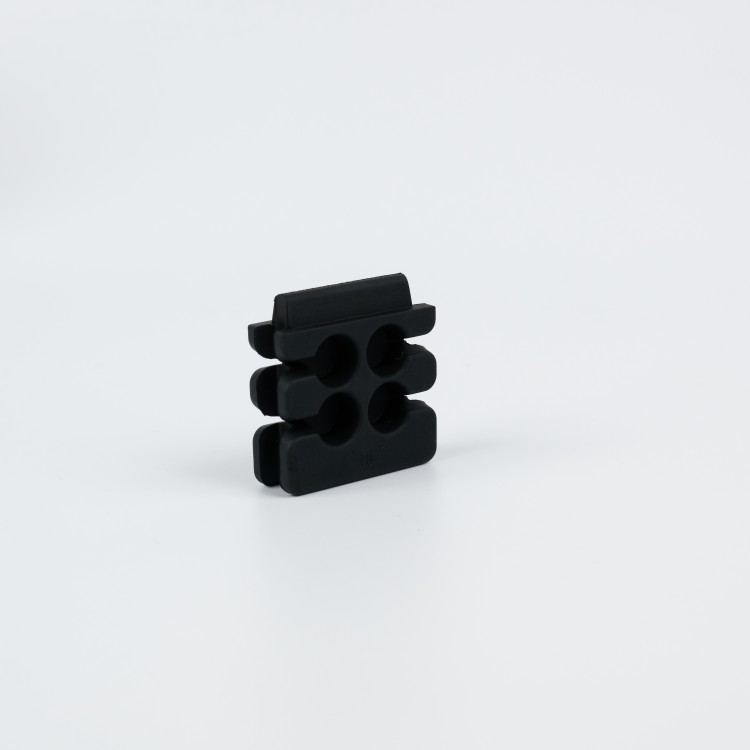


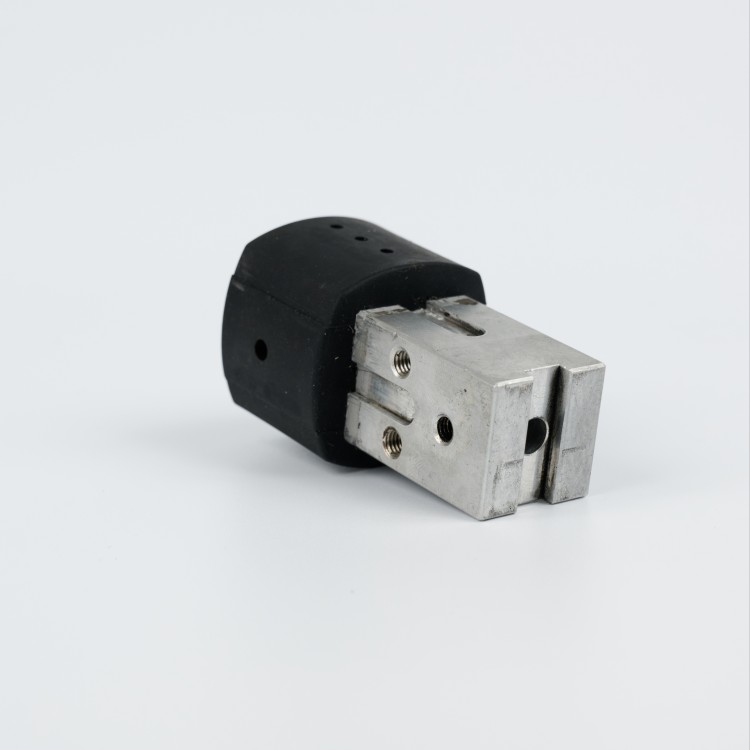






Anti-vibration Rubber Pad Introduction
I. Definition and Core Functions
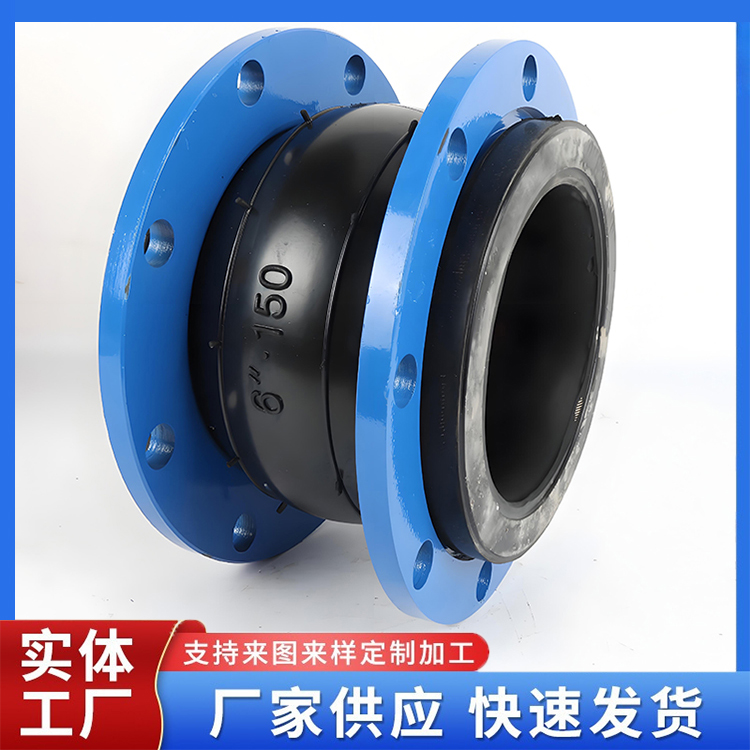
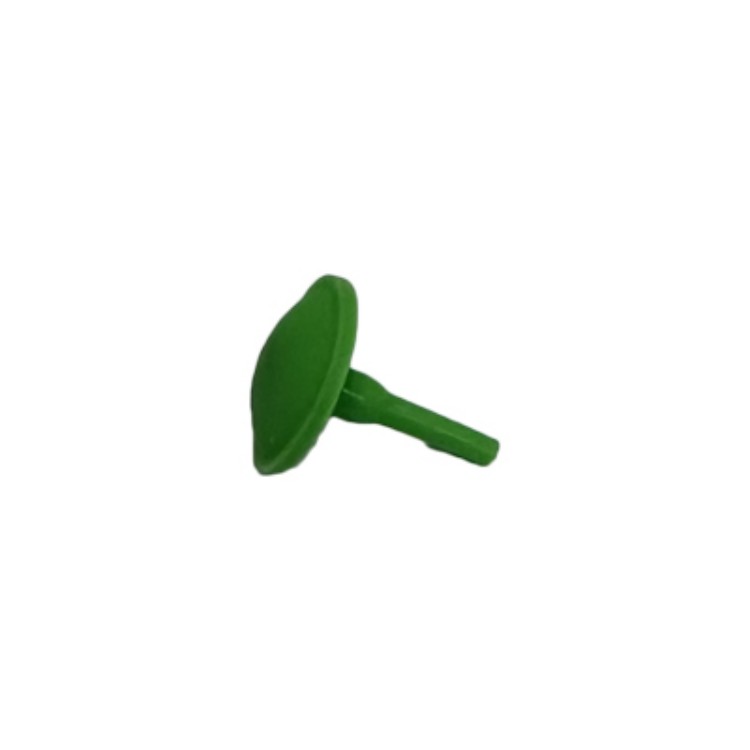
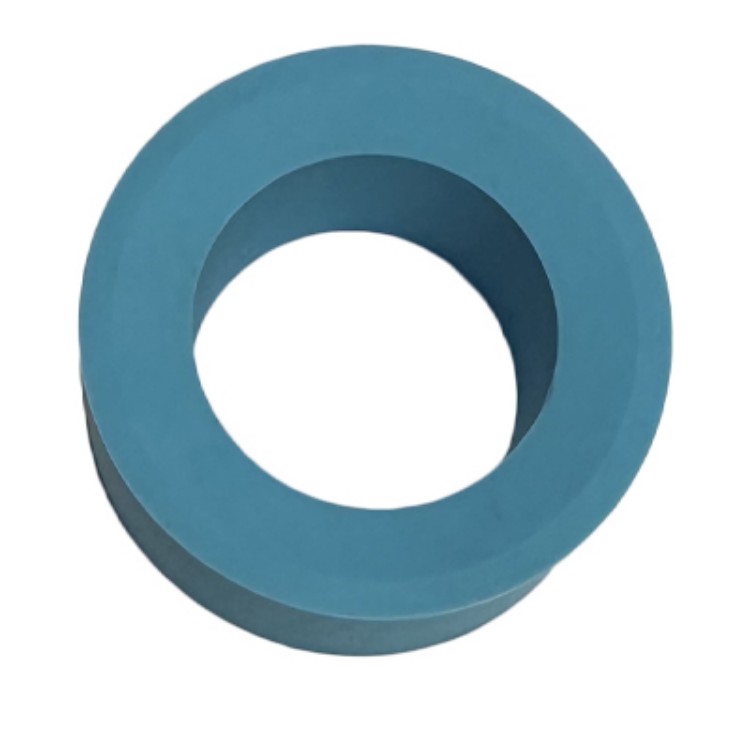
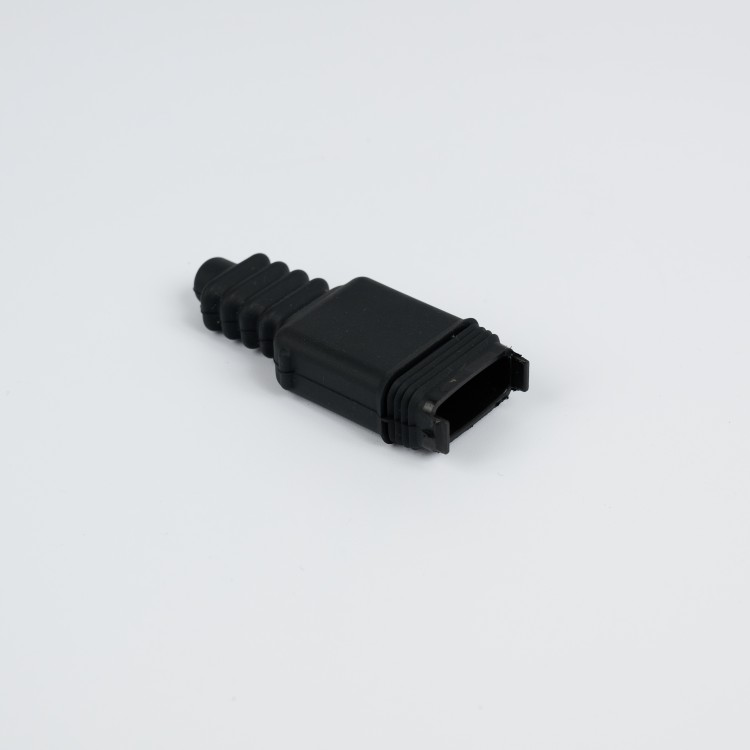
Anti-vibration rubber pads are elastic devices primarily made of rubber, which achieve their core functions of vibration reduction and noise suppression, as well as shock absorption, through their unique viscoelastic properties. Their high elasticity is derived from the coiled conformation changes of the rubber molecular chains, while the viscosity is formed by intermolecular interactions. They can absorb mechanical vibration energy and convert it into heat, effectively isolating the transmission of vibrations.
II. Materials and Classification
Common Rubber Types:
Natural Rubber (NR): Excellent elasticity, high fatigue resistance, and overall good performance.
Chloroprene Rubber (CR): Resistant to weather aging, suitable for complex environments.
Nitrile Rubber (NBR): Strong oil resistance, high loss factor, and significant damping effect.
Polyurethane (PU): Resists extreme temperatures and boasts excellent compressive strength.
Structure Forms: Double board, cylindrical, corrugated shearing, etc., some products can be layered in series to enhance the shock-absorbing effect.
Section 3: Application Scenarios
Industrial Equipment: Negative vibration reduction for pumps, fans, compressors, diesel generator sets, and other equipment.
Transportation: Vibration isolation for mechanical systems such as automobiles, ships, and railway locomotives.
Civil Engineering: Seismic isolation supports for large buildings and bridges, reducing seismic response.
Precision Instruments: Laboratory equipment, vibration protection for electronic instruments.
IV. Core Features
High elasticity and deformation capability: Low modulus of elasticity, capable of withstanding significant deformation, absorbing impact energy.
Damping Performance: The higher the loss factor (e.g., butyl rubber, nitrile rubber), the more significant the shock-absorbing effect.
Environmental Adaptability: Some synthetic rubbers are oil, acid and alkali resistant, and can withstand high temperatures (such as polyurethane with a temperature range of -150℃ to 300℃).
Non-compressible: Distributes pressure when compressed, maintaining stable volume.