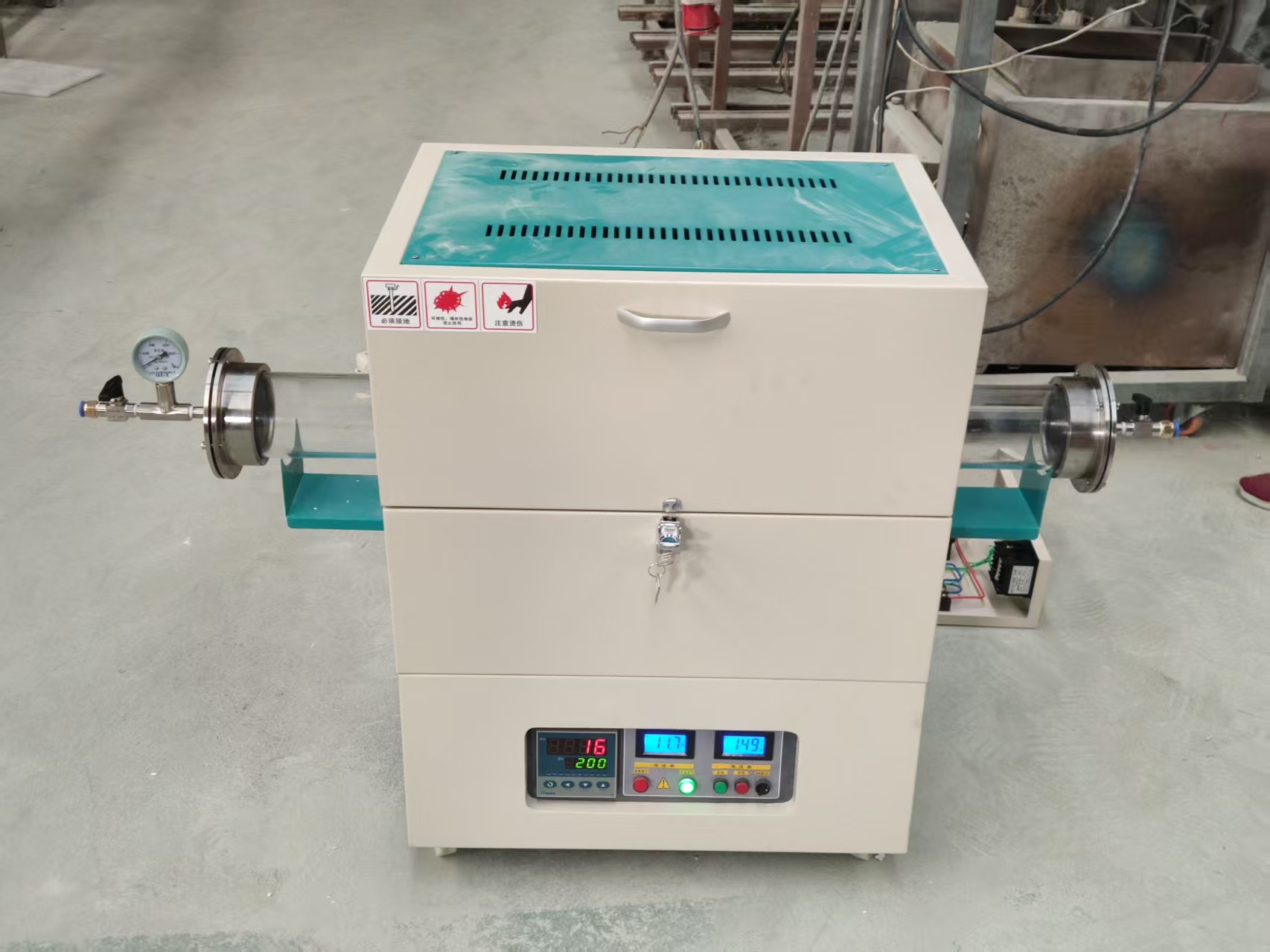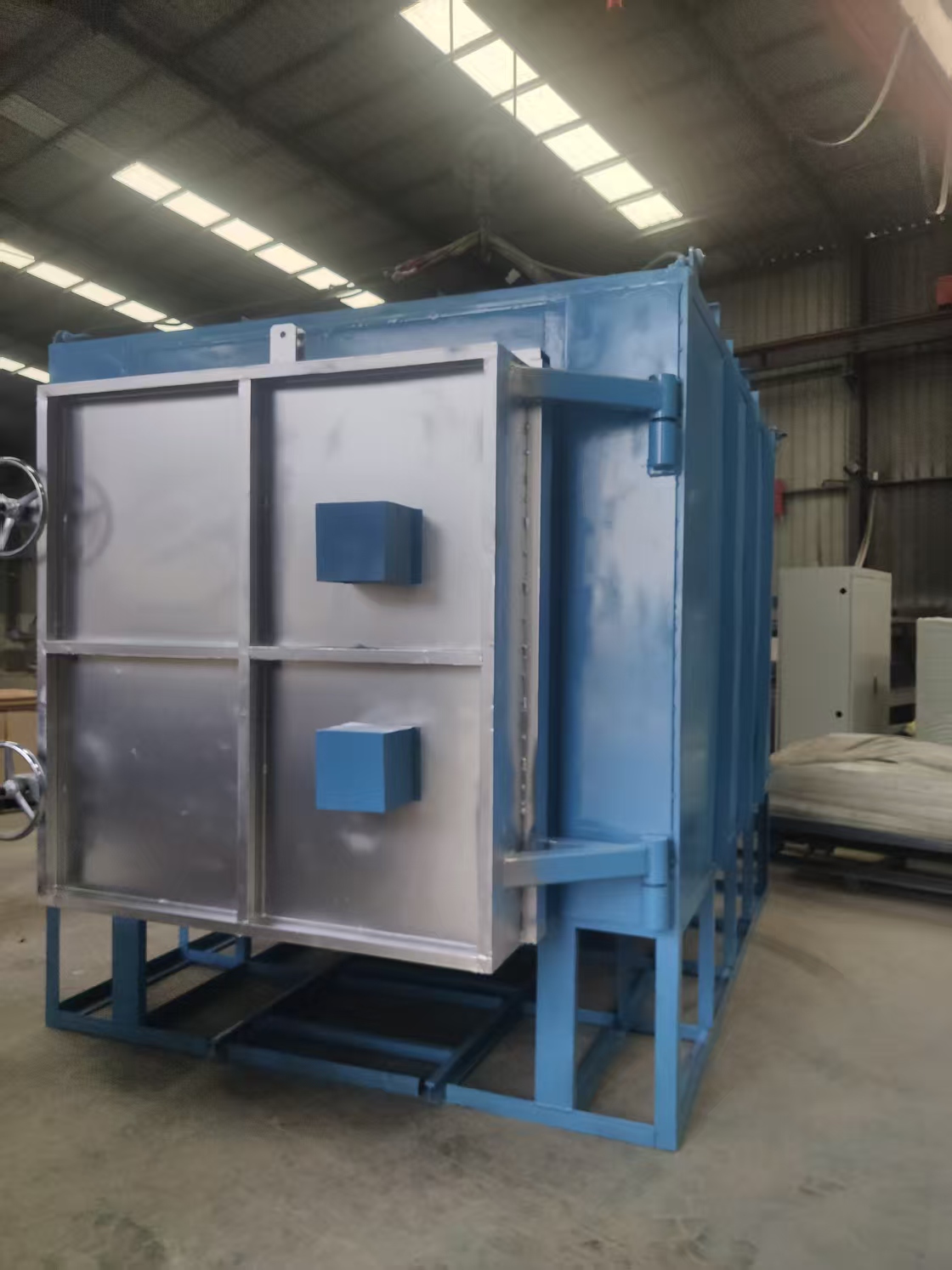







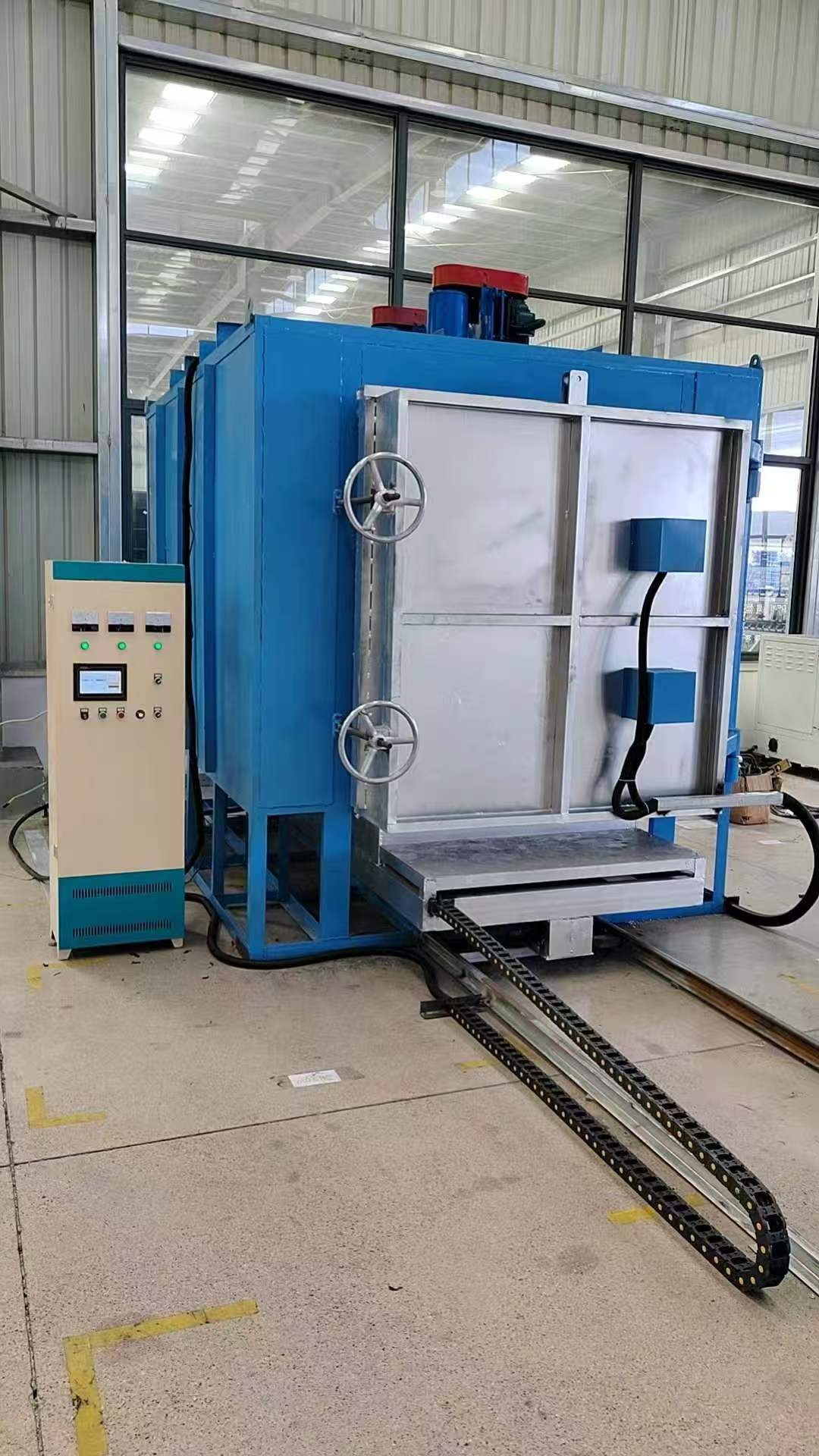
A vacuum atmosphere furnace is a crucial piece of equipment used in material heat treatment, widely employed in industries such as metallurgy, chemistry, semiconductors, and new materials. Its primary function is to heat materials in an oxygen-free environment to prevent oxidation and enhance product quality and performance. With its high-temperature, low-pressure operation, a vacuum atmosphere furnace effectively meets various complex heat treatment requirements.
Operating Principle
The vacuum atmosphere furnace extracts air from the furnace using a vacuum system, creating a vacuum environment. The furnace is typically equipped with inert gases such as argon, nitrogen, or hydrogen for protection. The heating element heats the material to the required temperature, ensuring a uniform and controllable system temperature, effectively preventing oxidation and other chemical reactions from affecting the material quality.
2. Key Features
Anaerobic Environment: A significant advantage of vacuum atmosphere furnaces is their ability to provide an anaerobic environment, particularly suitable for metal materials that are sensitive to oxidation.
Temperature Control: Equipped with a temperature control system, capable of adjusting heating temperature and rate of rise, ensuring consistent heat treatment.
Wide Application Range: Suitable for heat treatment processes of various materials, including powder metallurgy, ceramic sintering, and metal heat treatment.

3. Application Fields
Metalworking Industry: Used for metal annealing, normalizing, and quenching, and processing high-alloy materials.
Electronics Industry: Prevent oxidation during the handling and manufacturing of semiconductor materials to ensure the material's electrical properties.
New Material R&D: Vacuum atmosphere furnaces provide a stable experimental environment for developing new materials, facilitating the exploration of their potential.