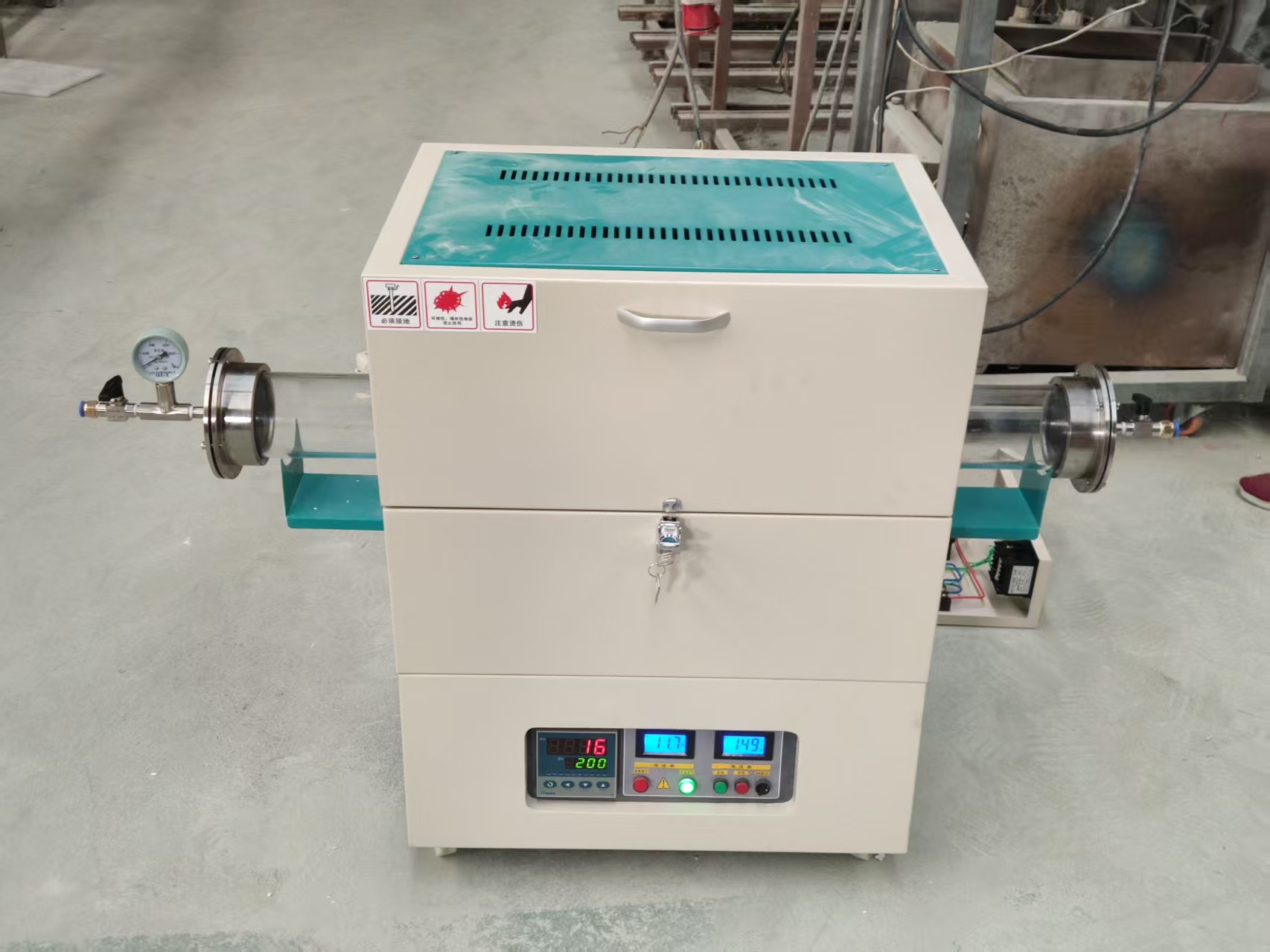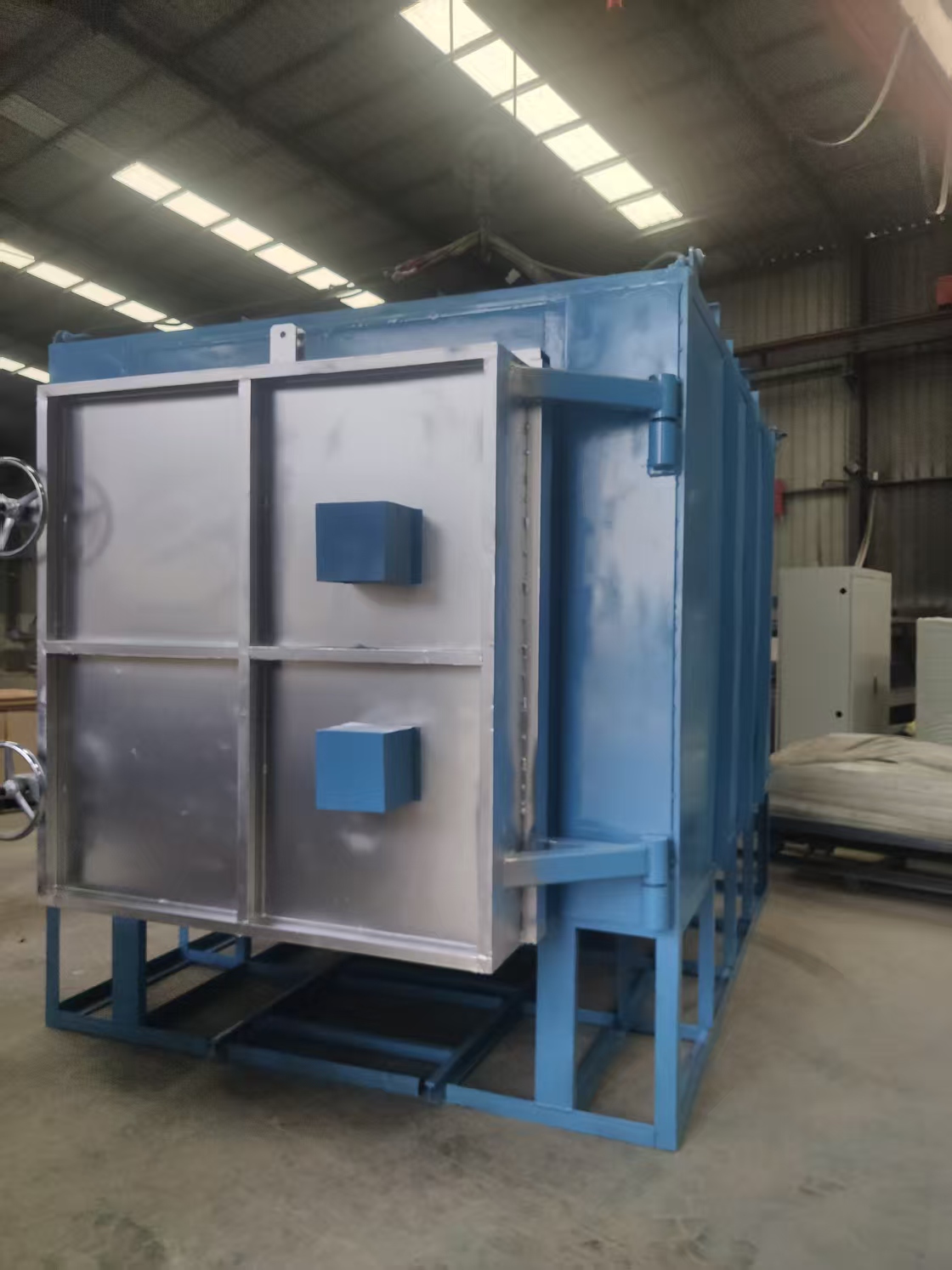







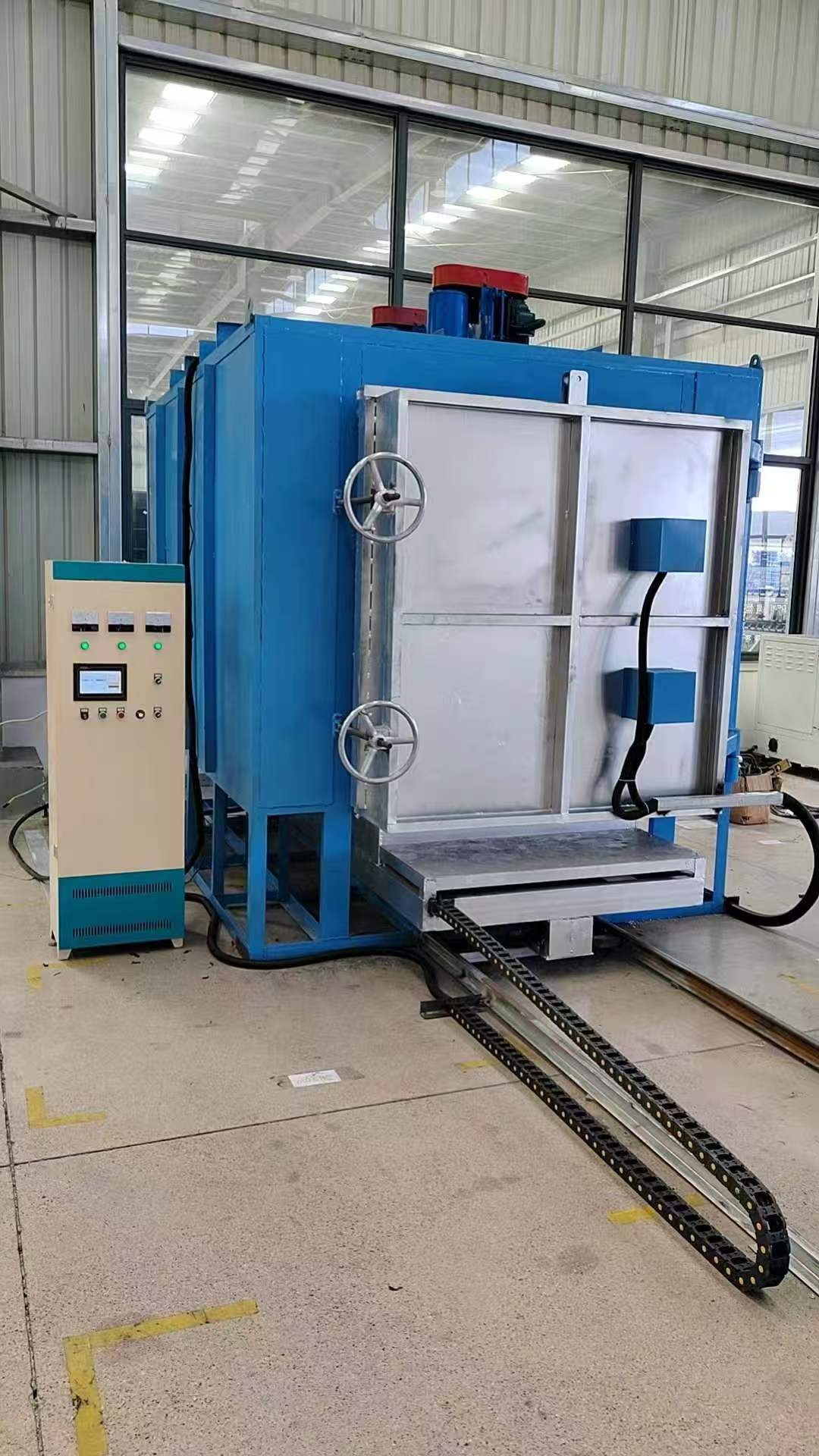
Huizhou Vacuum Atmosphere Furnace is a device used for high-temperature experiments and material processing, widely applied in fields such as materials science, metallurgy, and chemical engineering. Its working principle involves heating the sample in a sealed vacuum environment to prevent oxidation and other chemical reactions, thereby achieving control and processing of the material.
Key Features
Vacuum environment
Vacuum atmosphere furnaces can operate under low pressure, which minimizes the effects of reaction and impurities, thereby preserving the purity and characteristics of the material.
High Temperature Control
Equipment can typically reach temperatures above 1000°C, making it suitable for various heat treatment processes such as sintering and annealing.
Temperature Control
Modern vacuum atmosphere furnaces are equipped with a temperature control system that can monitor and adjust the furnace temperature in real-time, ensuring the reproducibility and consistency of experiments.
Multiple atmosphere options
In addition to vacuum, users can also set up an inert gas atmosphere such as argon or nitrogen to meet the processing needs of different materials.

Applicable Fields
Huizhou vacuum atmosphere furnace plays a significant role in the following industries:
Material Science
In the research and development of new materials, vacuum atmosphere furnaces provide a high-purity environment, facilitating the synthesis of new alloys and compounds.
Metallurgy
In metal surface treatment and alloy melting, it can prevent the metal from reacting with oxygen in the air, thus avoiding degradation of material properties.
Electronics Industry
In the production of semiconductors and electronic components, vacuum atmosphere furnaces ensure material quality and stability, enhancing product performance.