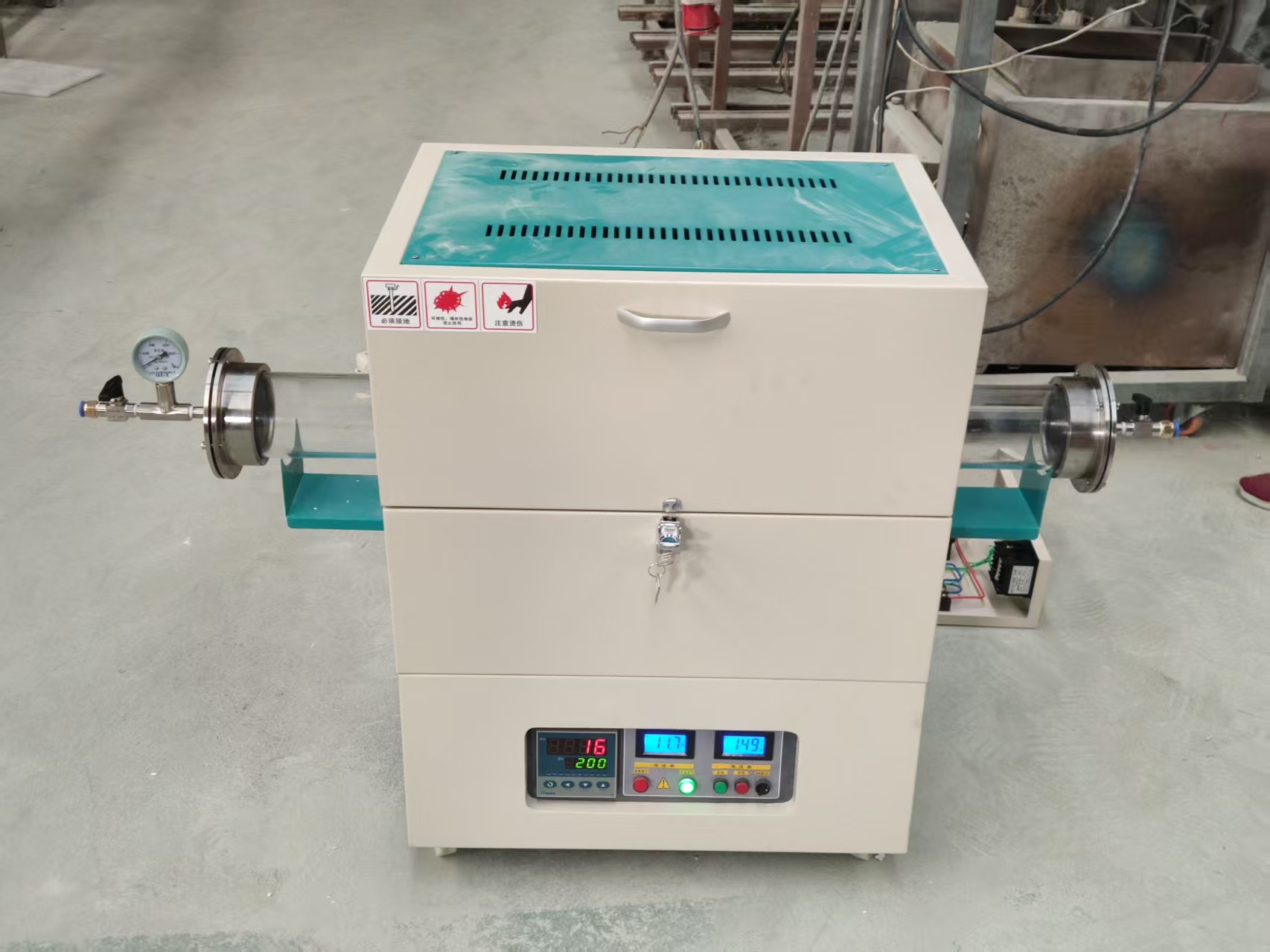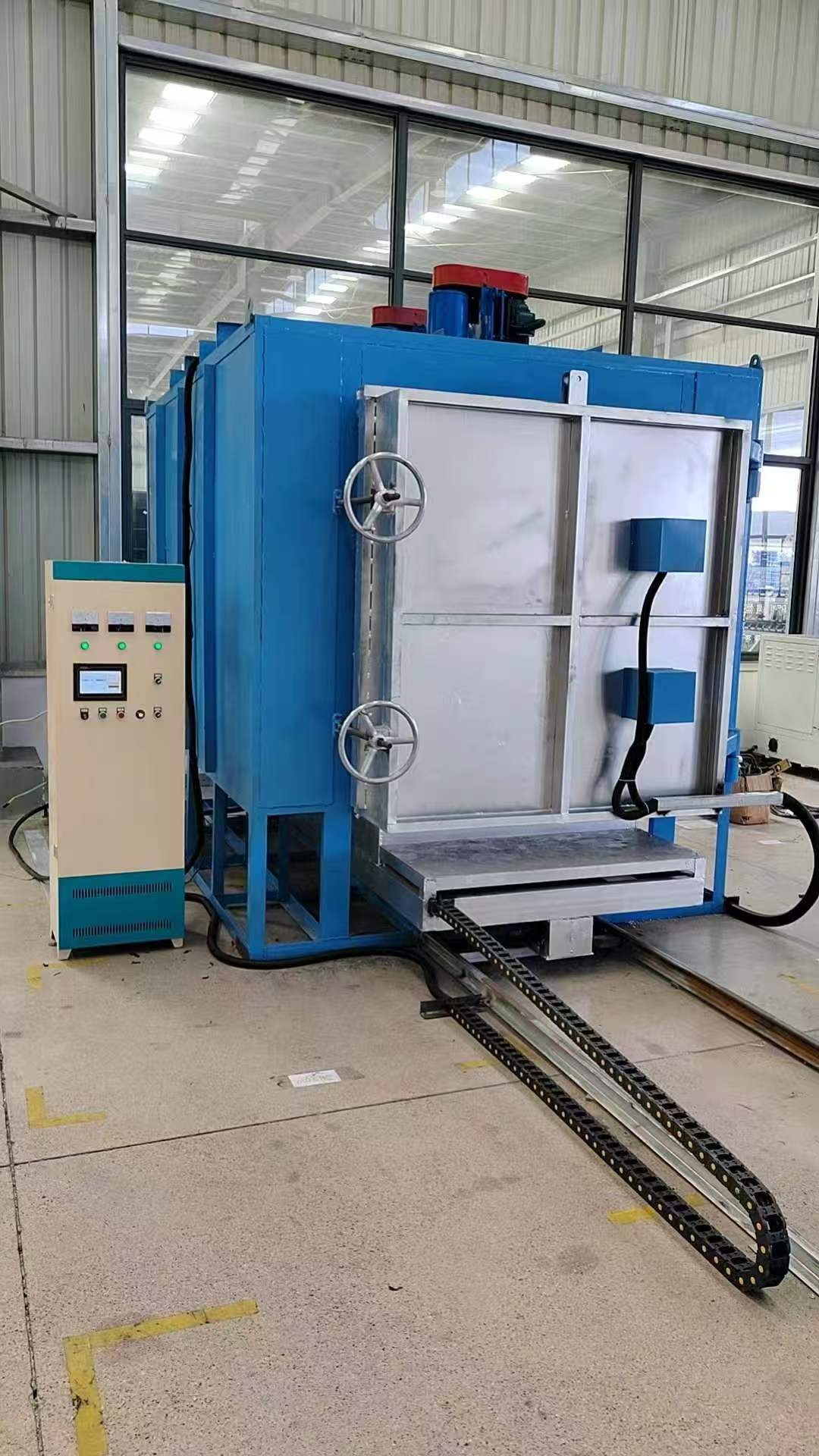


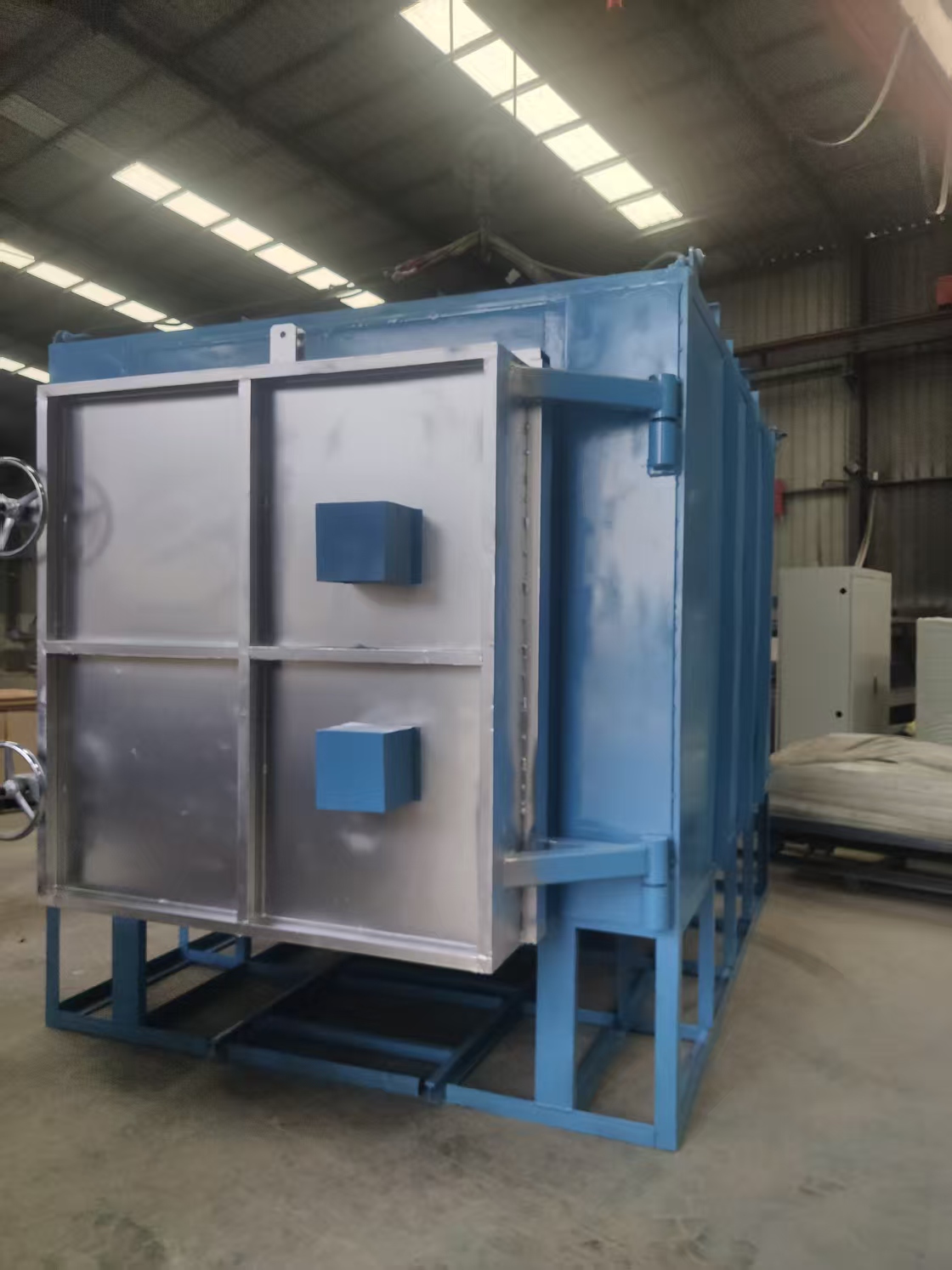







A zirconia sintering furnace is a specialized equipment for sintering zirconia materials, widely used in ceramics, dentistry, electronics, metallurgy, and other fields. Zirconia (Zirconia) has become an essential component of materials due to its excellent mechanical properties, high-temperature resistance, and chemical stability.
Frame structure and working principle
Zirconia sintering furnaces typically consist of a heating chamber, insulation layer, furnace body, and control system. They operate by raising the internal temperature to the sintering temperature of zirconia (usually between 1200°C-1600°C) using a heating power source, causing the powdered zirconia to undergo physical and chemical changes at high temperatures, ultimately forming a dense ceramic material.

Key Technical Indicators
Temperature Control: The sintering furnace should be equipped with a temperature control system to ensure uniformity in the sintering process, thereby avoiding uneven material properties.
Heating Rate: The appropriate heating rate is crucial for the sintering effect, usually requiring adjustment based on material characteristics.
Atmospheric Control: In certain cases, zirconia must be sintered under reducing or inert atmosphere to enhance the stability and properties of the material.
Application Fields
Dental Materials: Zirconia is widely used in dental crowns, bridges, and other dental restoration materials due to its excellent biocompatibility and aesthetic appeal.
Electronic Components: Zirconia is used as an insulating material and dielectric in electronic components due to its electrical insulation and high-temperature resistance properties.
Structural Ceramics: Zirconia-based structural ceramics offer excellent wear and corrosion resistance, commonly used in mechanical components and more.