


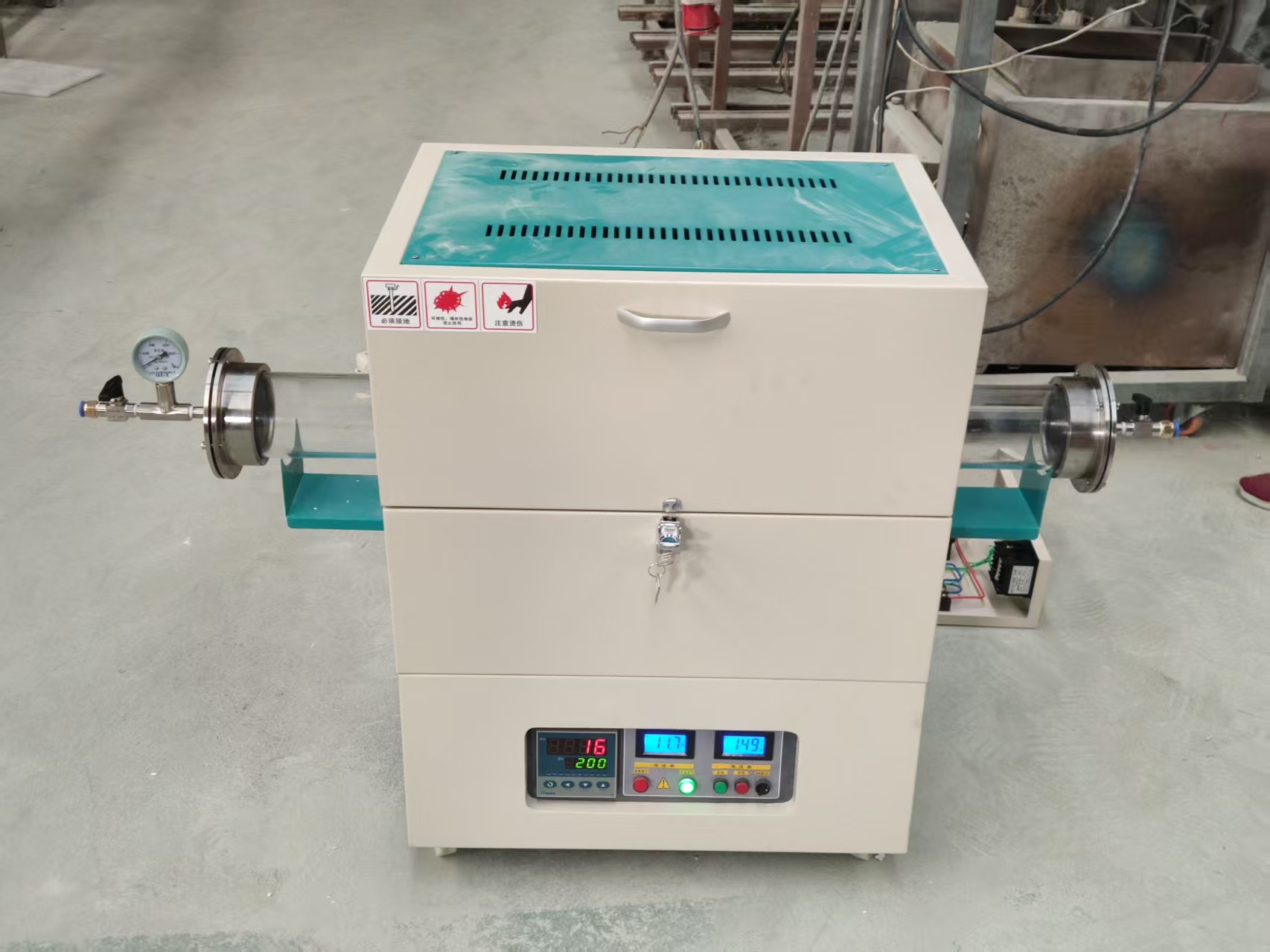


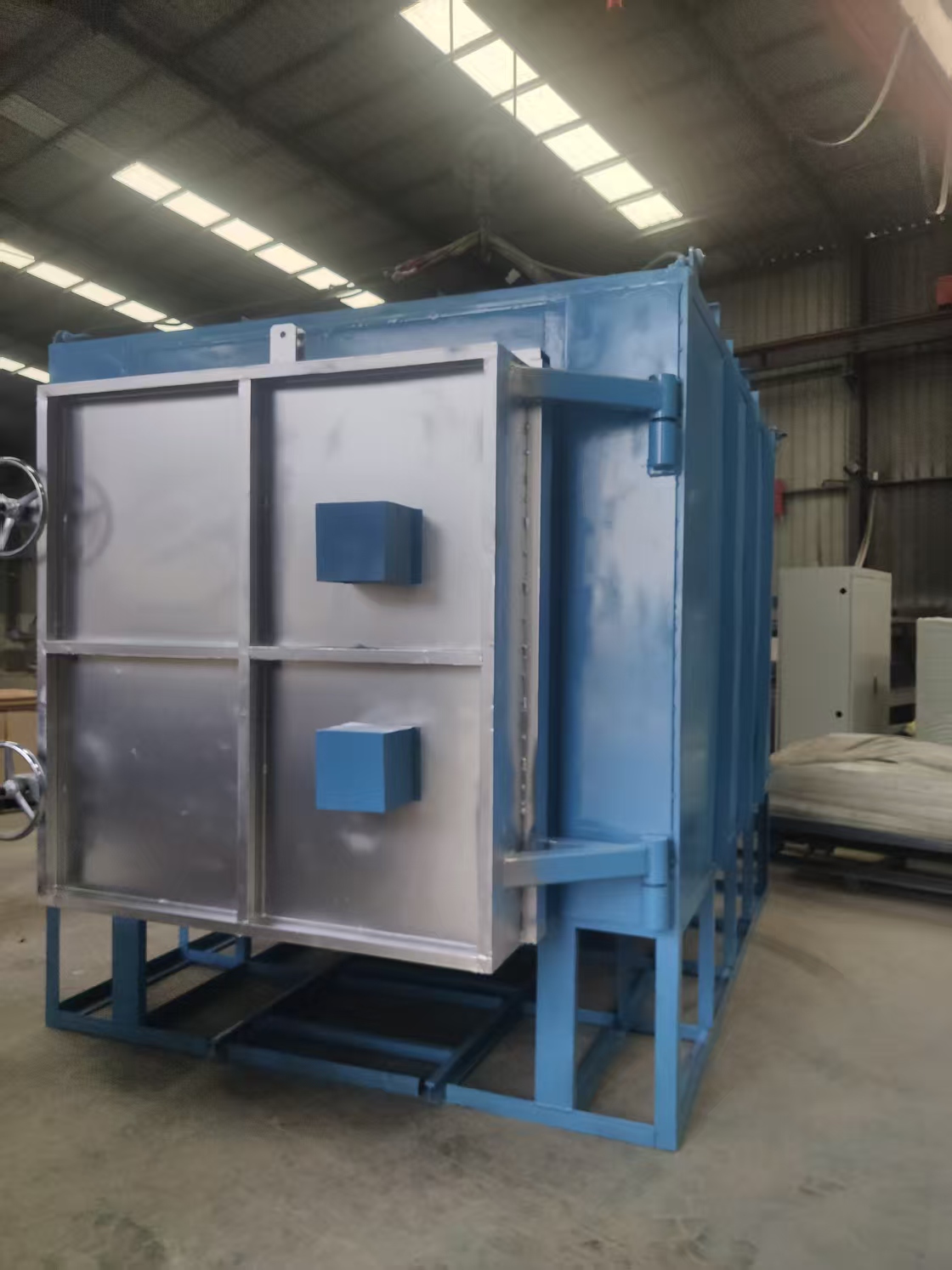







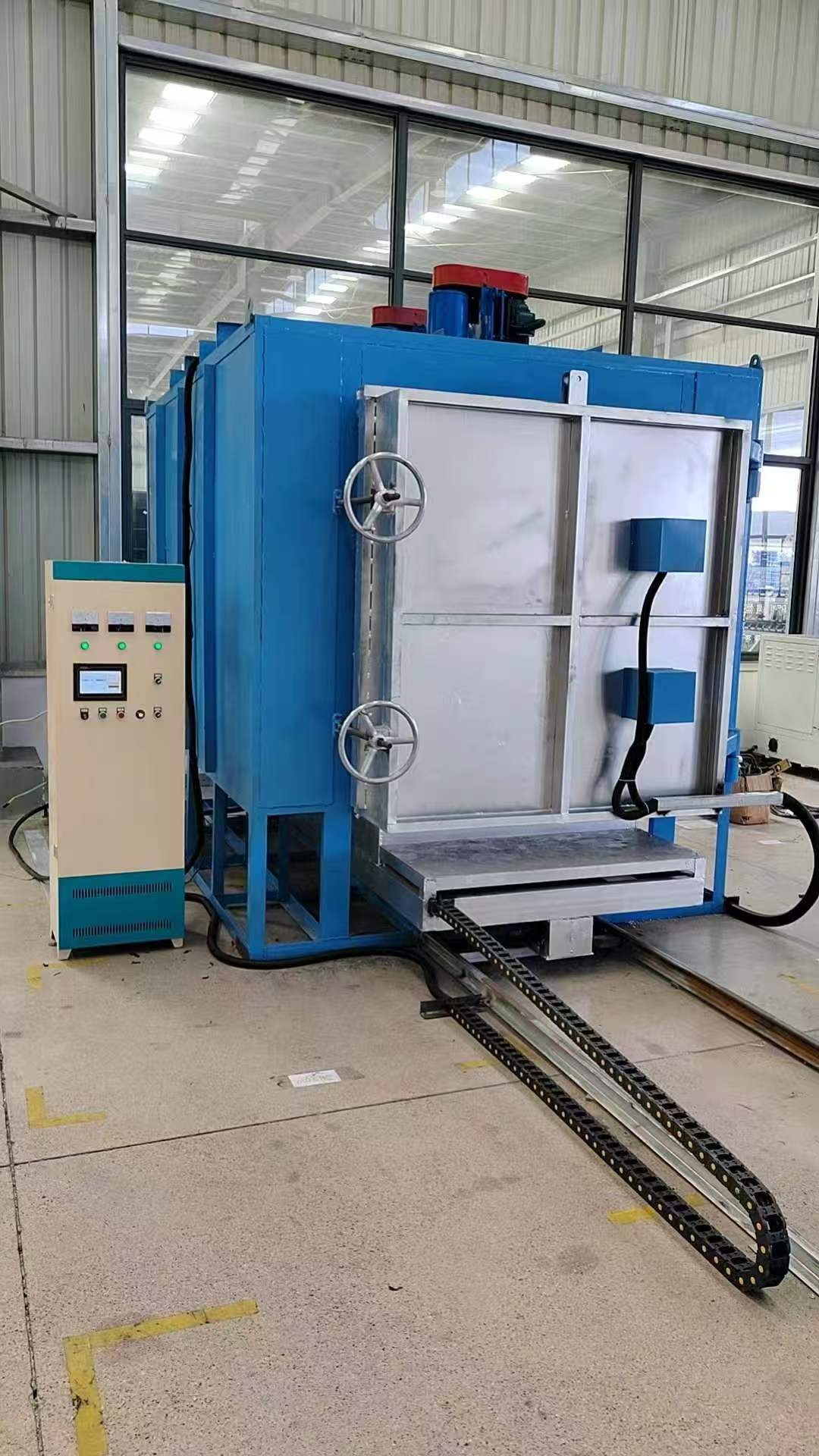
A glass melting furnace is a device used to heat glass raw materials to a molten state for shaping processing. It is one of the key equipment for manufacturing various glass products, such as bottles, flat glass, and optical fibers. Below, we will briefly introduce the working principle, types, and importance of glass melting furnaces in production.
Operating Principle
The function of a glass melting furnace is to heat raw materials (such as silica sand, soda ash, limestone, etc.) to approximately 1500°C to 1700°C, causing them to melt. Inside the furnace, electric heating, gas heating, or heavy oil heating are commonly used. During the melting process, the components of the raw materials undergo chemical reactions, forming a uniform glass melt.
During the melting process, the furnace must maintain a stable temperature to ensure consistent glass quality. Therefore, the melting furnace is equipped with a temperature control system to monitor and adjust the temperature in real time. Additionally, the circulation within the furnace is also crucial to avoid unnecessary bubbles and impurities in the melt.
Type
Types of glass melting furnaces mainly include:
Melting Furnace (Melting Furance): A traditional melting furnace design suitable for various types of glass production. It offers good thermal efficiency but has a relatively challenging temperature control.
Dome Furnace: This furnace type features a dome shape, suitable for producing high-quality flat glass with excellent heat circulation effects.
Electric Furnace: Utilizes electrical power for heating, suitable for producing small batches of high-quality glass. Features quick response and precise temperature control.
Gas Melting Furnace: Utilizes gas or other gases as fuel, typically used for mass production; hot, environmentally friendly.













